

The Agency Operations Paradox: Building a Lean, Profitable Tech Stack in 2026
For marketing agencies, the path to failure is rarely paved with poor creative or bad strategy. More often, it is paved with "tool sprawl." As agencies scale, they frequently fall into the trap of purchasing specialized software for every micro-task. The result? Disconnected systems that blur ownership, create data silos, and turn once-profitable client accounts into margin-draining headaches as licensing fees, seat costs, and add-ons compound.
In the current digital landscape, the hallmark of a high-performing agency isn’t the number of tools in its arsenal, but the intentionality of its infrastructure. Building a "lean, agency-ready" stack requires a shift in perspective: moving away from feature-heavy checklists and toward operational control, scalability, and predictable margins.
The Anatomy of an "Agency-Ready" Tool
To understand why some tools thrive in an agency environment while others become dead weight, one must first define what makes a tool "agency-ready." As client volume increases, the primary operational risks shift from "Can we execute this?" to "Can we execute this consistently, profitably, and error-free?"
An agency-ready tool is defined by four core traits:
- Multi-Tenant Architecture: The ability to manage multiple client workspaces or "child" accounts from a single "parent" interface.
- Granular Governance: Robust permission controls that ensure team members can access only what they need, protecting sensitive client data.
- Repeatable Workflows: Features that allow for templates, standardized processes, and "set-it-and-forget-it" automation.
- Consolidated Reporting: Data visualization that requires zero manual cleanup, allowing account managers to generate client-ready reports in minutes rather than hours.
Chronology: From Ad-Hoc Tools to Operational Systems
The evolution of an agency’s tech stack typically follows a predictable lifecycle.
- Phase 1: The "Startup Scramble" (Months 1–12): Agencies rely on low-cost, free-tier, or "all-in-one" platforms. The priority is speed and survival. Tools like Slack, Canva, and Looker Studio are standard here.
- Phase 2: The "Integration Gap" (Months 12–36): As the client roster grows, the startup tools start to break. Data is no longer syncing correctly, and manual reporting becomes a bottleneck. This is where agencies usually introduce automation platforms like Zapier or Make to patch the holes.
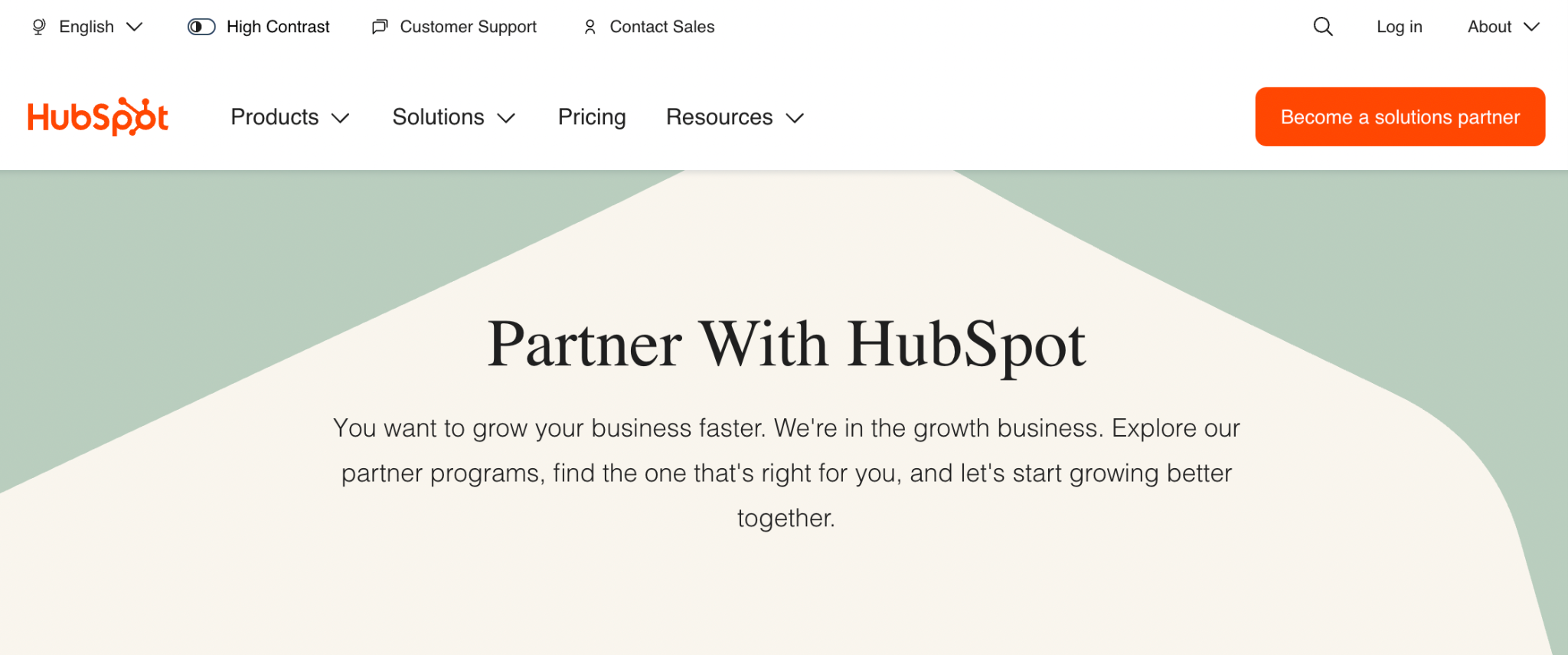
- Phase 3: The "Governance Shift" (Year 3+): Profit margins begin to shrink under the weight of excessive software seats. The agency begins to consolidate, replacing fragmented point solutions with enterprise-grade platforms like Campaign Monitor or HubSpot that offer better multi-client management.
Supporting Data: The Cost of Complexity
A critical, yet often overlooked, aspect of agency operations is the "compounding cost" of software. When evaluating a tool, most agencies look at the sticker price of a single seat. However, as of late 2025, the industry standard for pricing has shifted toward usage-based models.
| Tool Category | Key Efficiency Metric | Scalability Risk |
|---|---|---|
| Email Marketing | Per-client dashboard time | Contact-list bloat fees |
| Project Management | Task completion latency | Per-seat seat minimums |
| CRM / Sales | Pipeline velocity | Onboarding/Integration costs |
| Reporting | Time-to-report generation | Connector-based billing |
Agencies that fail to account for how these costs scale—often doubling or tripling as client counts grow—frequently see their net margins erode by 5–10% annually simply due to "software creep."
Curating the Essential Agency Stack
No agency should attempt to use every tool on the market. Instead, successful firms adopt a "four-pillar" approach: one system for work management, one for communication, one for reporting, and a foundational layer of automation.
1. Email Marketing & Client Governance
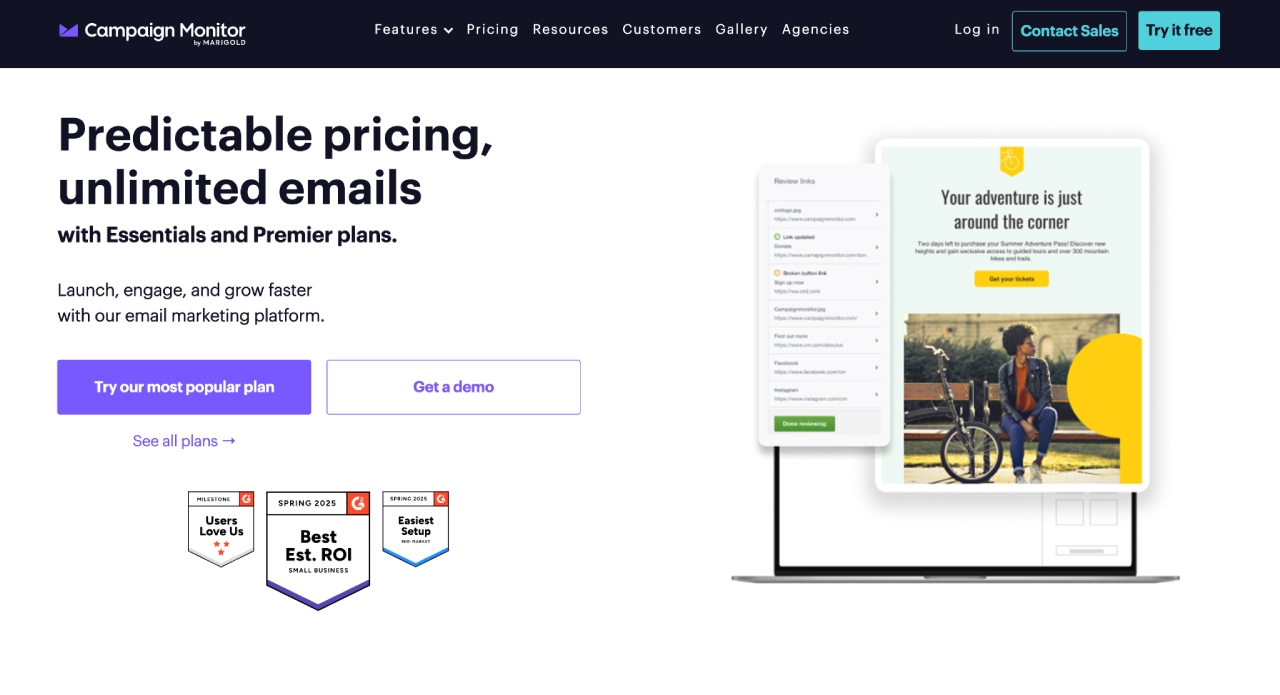
For agencies handling email, the platform must do more than just send newsletters. It must act as a command center. Campaign Monitor stands out in this category because it was built from the ground up for agencies. By offering white-label dashboards, consolidated billing, and deep permissioning, it allows agencies to treat email as a standardized, recurring service rather than a bespoke production task.
2. Work & Project Management
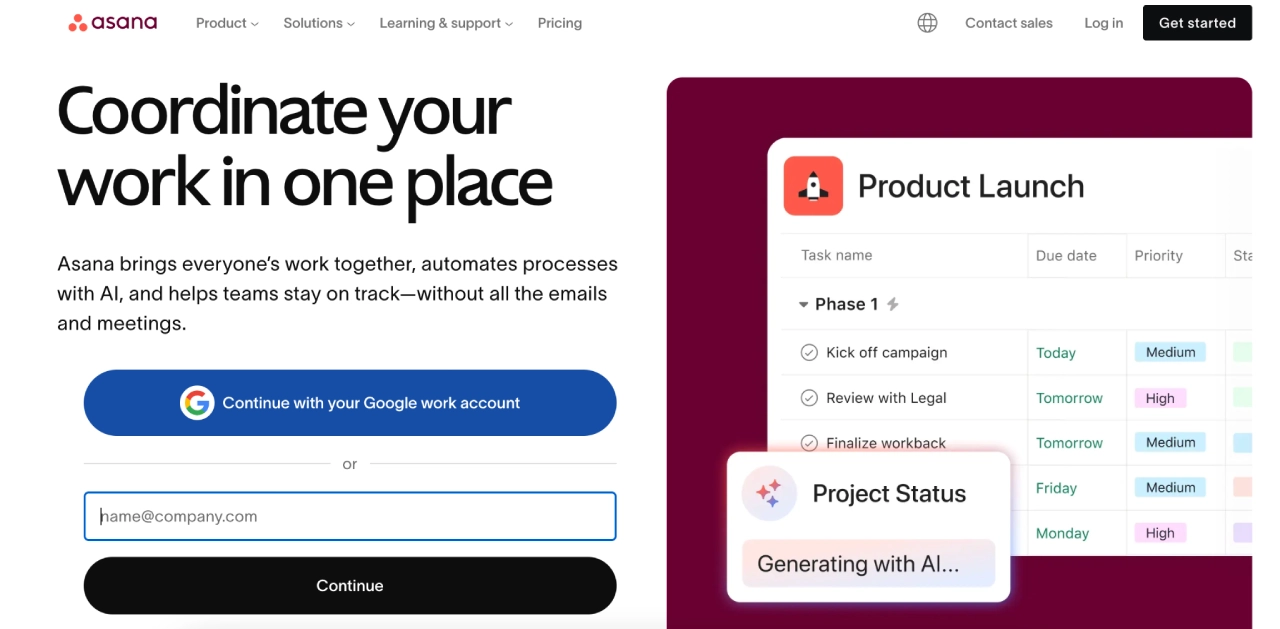
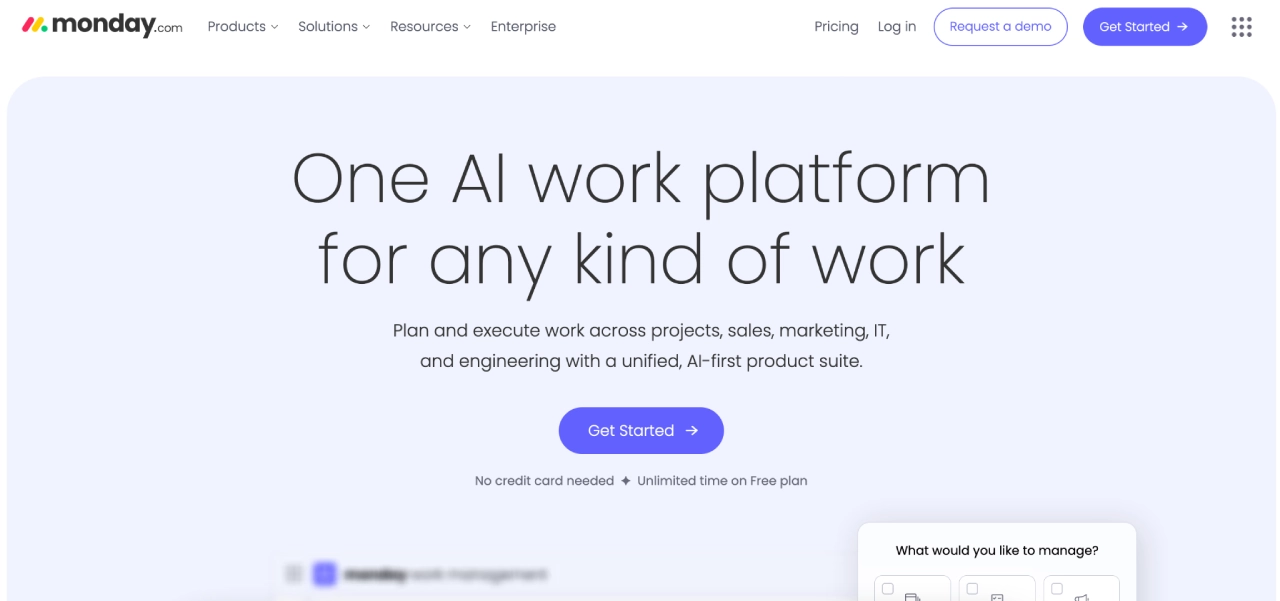
Discipline is the engine of an agency. Asana and monday.com remain the leaders here. Asana is preferred for its structured dependencies, which are vital for complex, multi-stage creative projects. monday.com, conversely, is the tool of choice for agencies that need high-level, visual flexibility and custom dashboards to keep clients informed in real-time.
3. CRM and Sales Pipeline
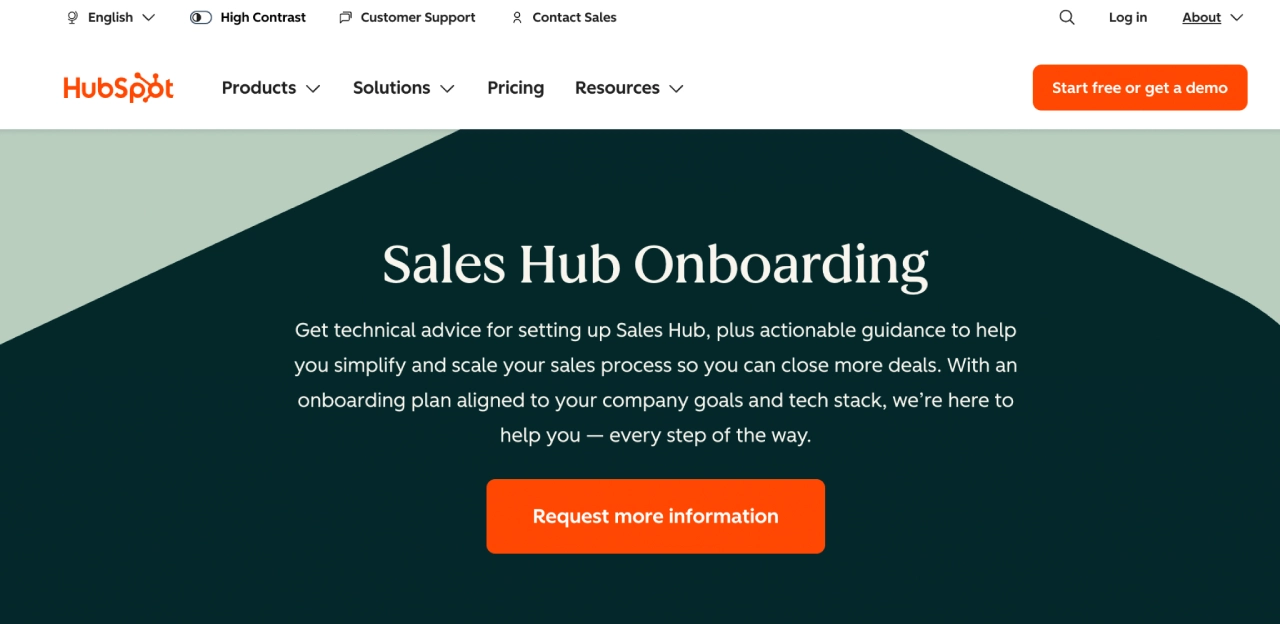
Growth requires visibility. HubSpot Sales Hub is the gold standard for full-funnel agencies that need to track everything from a cold lead to a closed deal. However, for smaller teams or those requiring a more "lightweight" approach, Pipedrive offers a focused, visual pipeline that prevents the administrative bloat often associated with larger CRM platforms.
4. Reporting and Analytics
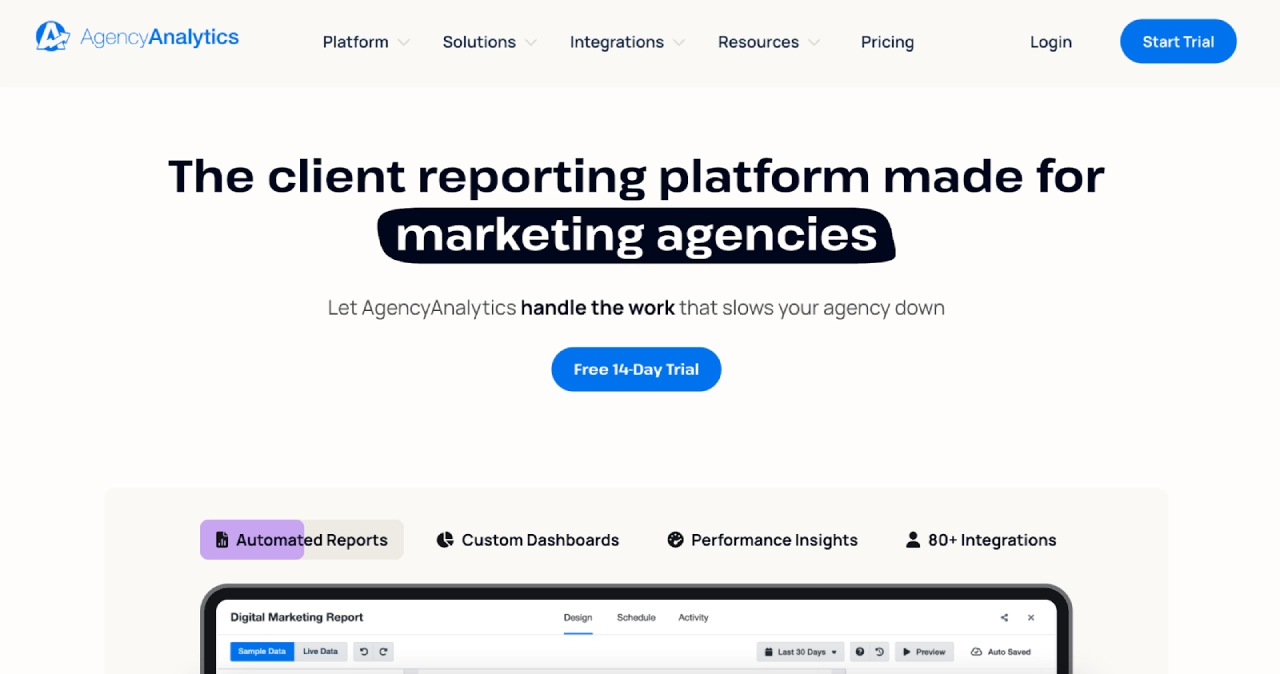
"Reporting is not billable work," is a mantra many successful agency owners live by. AgencyAnalytics provides a turn-key solution for agencies to pull data from dozens of sources into one white-labeled dashboard. For those on a tighter budget or with a higher technical threshold, Looker Studio provides a robust, if slightly more manual, framework for custom reporting.
Implications for Future Growth
The shift toward "lean stacks" has significant implications for how agencies will compete in the coming years.
First, the "Consolidation Trend": We are seeing a move away from "best-of-breed" point solutions toward "platform suites." While a suite might be slightly less powerful in a niche feature, the time saved by not managing five different API connections often outweighs the marginal gains.
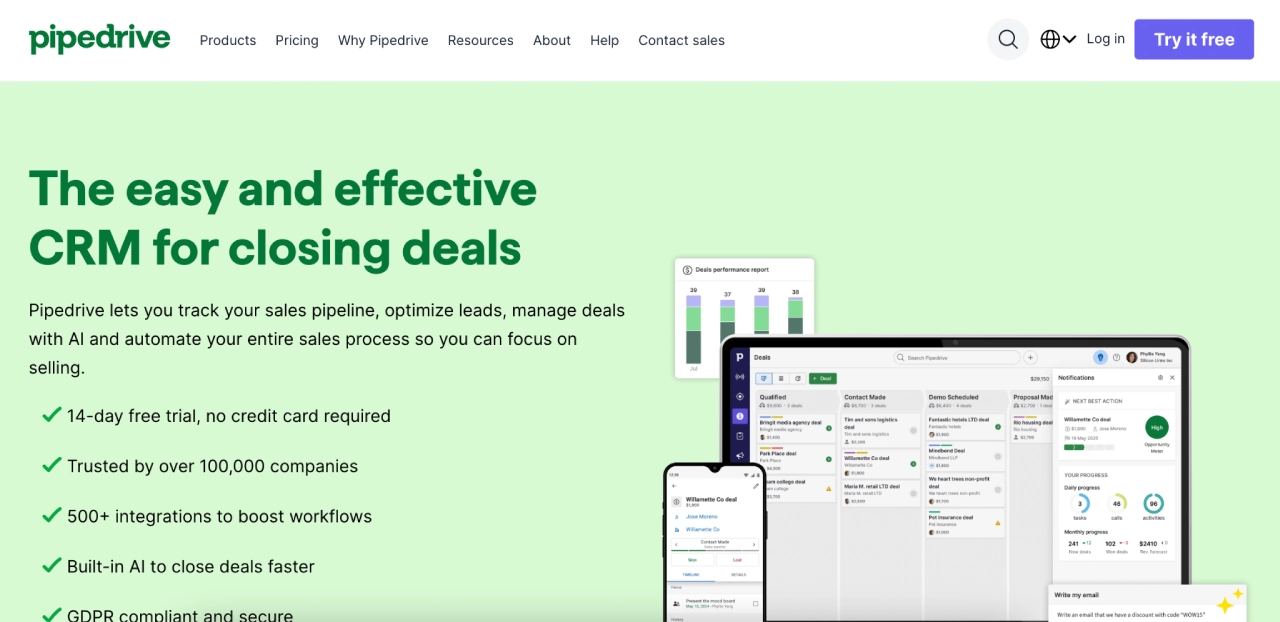
Second, the Automation Mandate: Tools like Zapier and Make are no longer "optional." They are the connective tissue of the modern agency. By automating the hand-off between a CRM (like Pipedrive) and a Project Management tool (like Asana), agencies remove human error from the onboarding process.
Third, the "Client Portal" Necessity: Agencies are increasingly moving their client communication into dedicated portals like AgencyHandy. This reduces the "Where is that file?" email thread, which is one of the greatest time-sinks in the agency-client relationship.
Official Guidance: The Contrarian Insight
The most common mistake agency leaders make is assuming a new tool will solve a process problem. If your agency is disorganized, adding a new project management tool will simply result in a digital version of that disorganization.
As noted in recent operational audits, agencies rarely fail because a tool is "bad." They fail because software is adopted before workflows, staffing models, and service boundaries are clearly defined. The sequence should always be: Define the delivery process -> Map the workflow -> Choose the tool that reinforces that specific model.
Conclusion: The Path Forward
The best agency stacks aren’t designed to impress; they are designed to run in the background. When your tools are selected with the specific goal of reducing friction, your team stops spending their day "managing tools" and starts spending it "delivering work."
For those agencies still managing email marketing as a series of one-off projects, the move to an agency-centric platform like Campaign Monitor is a logical step toward standardization. By centralizing multi-client access, reusable templates, and automated billing, you turn a high-touch, low-margin service into a scalable pillar of your business.
As you refine your stack for the year ahead, prioritize tools that offer clear ROI through time-savings and operational clarity. In an industry where time is the only truly finite resource, your tech stack should be your most effective leverage point.
Disclaimer: This report is for informational purposes and does not constitute financial, legal, or tax advice. Agencies should consult with their internal operations and finance teams before making significant changes to their software infrastructure.
