
The Pickleball Paradigm: 10 Strategic Lessons for the Modern Blogger
In the landscape of modern digital content, creators are constantly searching for new metaphors to describe the volatile nature of audience growth, SEO shifts, and community management. Surprisingly, the most effective blueprint for 2024 doesn’t come from a Silicon Valley boardroom, but from the local community center. The sport of pickleball—a hybrid of tennis, badminton, and ping-pong—has transcended its status as a recreational pastime to become a global phenomenon.
While its rise to dominance is a story of accessibility and social health, it also serves as a masterclass for digital entrepreneurs. By dissecting the mechanics of this rapidly growing sport, we can extract actionable strategies that elevate a blog from a quiet corner of the internet into a thriving, high-traffic hub.
The Rise of a Phenomenon: A Brief Chronology
To understand why pickleball offers such a robust model for business, one must first appreciate its trajectory.
- 1965 (The Foundation): Pickleball was invented on Bainbridge Island, Washington, by three fathers—Joel Pritchard, Bill Bell, and Barney McCallum—who sought to entertain their bored children. Using spare equipment and a lowered badminton net, they created a game that prioritized participation over extreme athletic prowess.
- The 2000s (The Incubation): The sport began to transition from private backyards to public senior centers and community parks. Its low barrier to entry made it the fastest-growing sport in the United States, according to the Sports & Fitness Industry Association.
- 2020–Present (The Scaling Phase): The pandemic served as a catalyst for growth. As traditional gyms closed, the outdoor, socially distanced nature of pickleball exploded in popularity. Today, it is an international sensation with professional leagues, massive sponsorships, and dedicated facility infrastructure.
For the modern blogger, this timeline is a case study in The Power of Minimalist Origins. Much like the sport’s humble, garage-based inception, every successful blog starts with nothing more than a blank page and a rudimentary idea. Success is not found in complex infrastructure, but in the rapid iteration of a simple, effective premise.
Supporting Data: Why Strategy Trumps Effort
The appeal of pickleball lies in its "strategic accessibility." According to recent market analysis, the sport’s growth is attributed to a "flattened learning curve"—a beginner can be competent within 30 minutes.
In the blogging world, the data mirrors this reality. A study on content marketing performance indicates that "snackable", high-value, and easily digestible content—what we might call the "dink" of the internet—consistently outperforms overly academic or dense long-form content. Just as the pickleball player uses the "dink" (a soft, controlled shot) to dictate the pace of the match, the successful blogger uses clear, concise language to control the user experience.
The Strategic Playbook: Applying the Court to the Content
If we view the digital ecosystem as the court, the following strategies allow a blogger to transition from a casual observer to a league-leading creator.
1. Rally Your Community
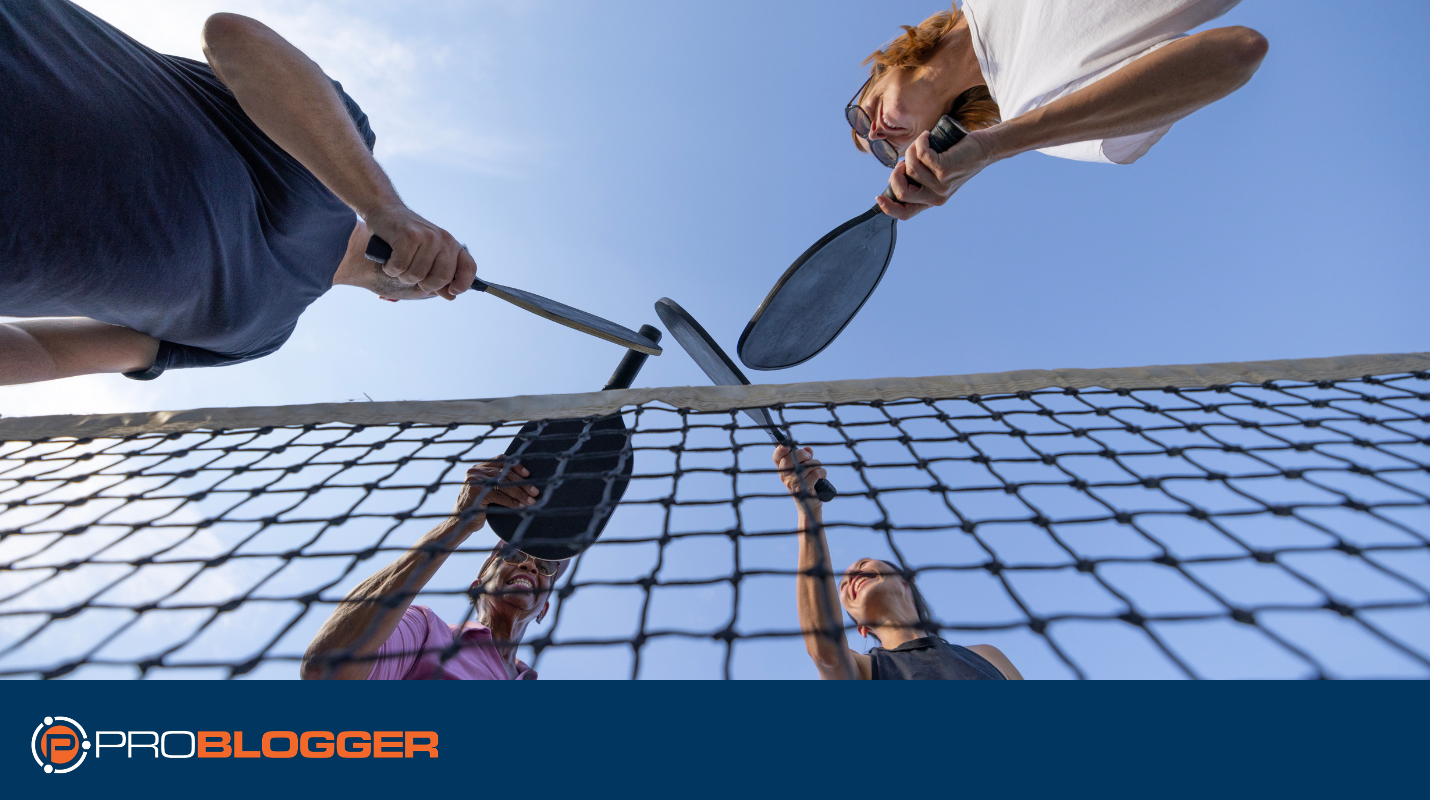
Pickleball is inherently social; it is almost impossible to play alone. Similarly, a blog without an active, engaged community is merely a diary. To turn casual visitors into loyal readers, you must treat your comment section and social media platforms as the "rally." Respond to every query, host interactive Q&A sessions, and create a culture of reciprocity. The longer you keep the rally going, the more algorithmically favorable your platform becomes.
2. Master the Art of the ‘Dink’
The "dink" is the most strategic move in pickleball. It is a soft shot hit into the opponent’s "kitchen" (the non-volley zone) that prevents them from smashing the ball. In blogging, this is the art of simplifying complexity. If your content is too aggressive—packed with jargon or overly promotional—you lose the reader. Simplify your layout, prioritize readability, and offer value without the "hard sell." Clarity is your most effective weapon.
3. Finding Your ‘Kitchen’ Balance
In pickleball, the "kitchen" is a place of restriction. For bloggers, this represents the "Sweet Spot"—the zone where you provide value without overstepping into spam or overt sales pitches. If you stay too far back, you are disconnected from the reader. If you cross the line into the kitchen (over-monetization), you risk being penalized. Finding the balance between authoritative content and human connection is the key to sustainable traffic.
4. Learning from the ‘Whiff’
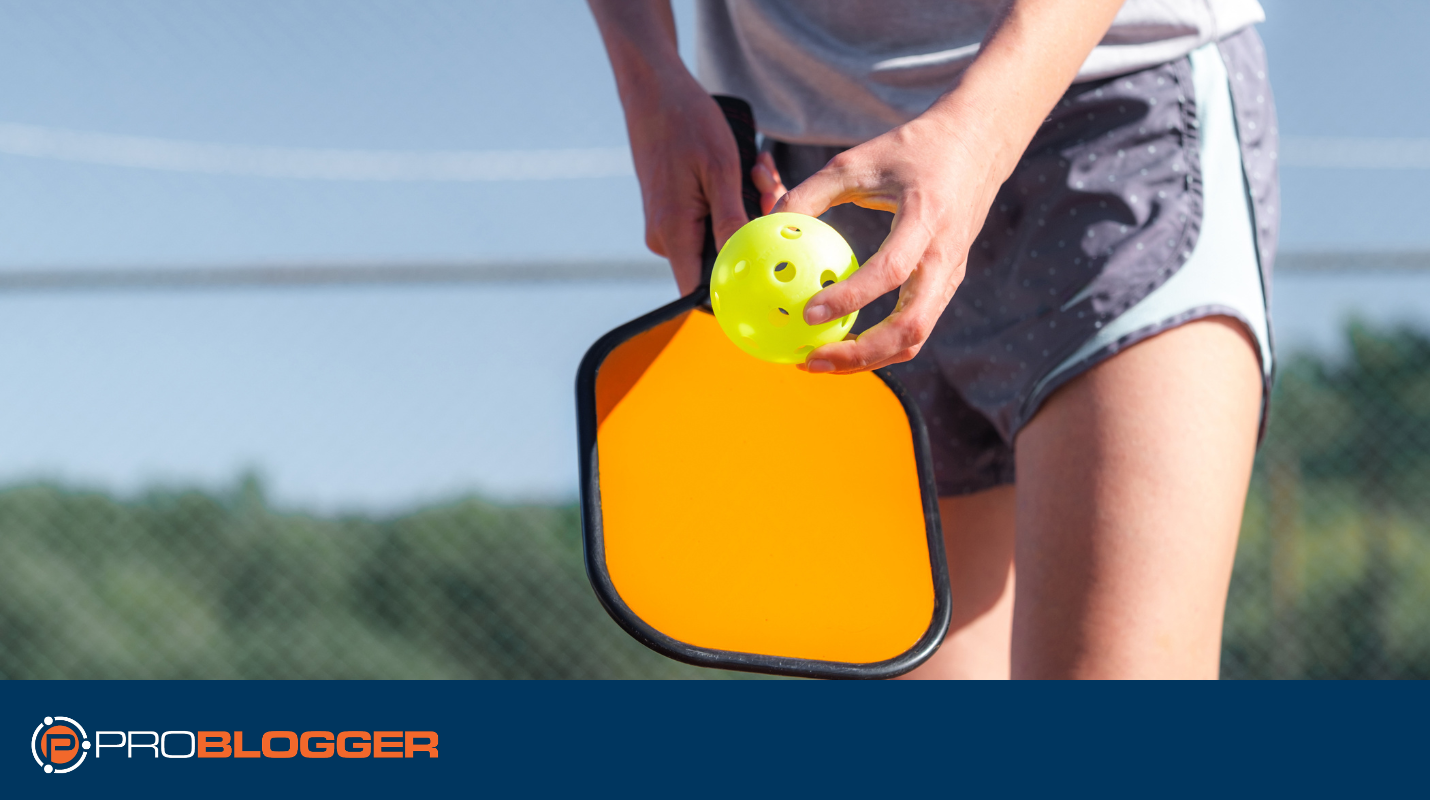
Even the most decorated professional pickleball players experience the "whiff"—a missed swing that leaves them exposed. In the world of content creation, not every blog post will go viral. Some will fail, and some will be ignored. Professional bloggers understand that a "whiff" is not a failure of character, but a piece of data. Analyze the bounce, adjust your stance, and refine your swing for the next serve.
5. Adaptive Agility in a Changing Landscape
The digital world moves as fast as a professional pickleball rally. Just as players must adapt to an opponent’s changing serve, bloggers must pivot in response to shifting SEO guidelines and the emergence of new content platforms. If you are rigid, you will be overtaken. If you are adaptable, you will remain competitive.
Official Perspectives: The Psychology of Engagement
Industry experts often compare the "Pickleball Mindset" to the concept of Flow State. When a blogger is "in the zone," they are effectively ignoring the noise and focusing on the rhythm of the game—the interaction between the author and the reader.
"The secret to a long-term blogging career is not just technical proficiency, but the ability to maintain a consistent cadence," says one industry analyst. "When you watch a high-level pickleball match, it’s a rhythmic, back-and-forth dialogue. If a blogger can replicate that rhythm, they create a ‘sticky’ experience that keeps the audience coming back for more."
Implications for the Future of Blogging
The implications of this crossover are clear: the "winner-take-all" era of blogging is ending, replaced by an era of community-driven interaction.
- Increased Focus on Micro-Communities: Much like the local pickleball club, blogs that focus on a specific, passionate niche will thrive over those trying to appeal to a broad, generic audience.
- The Rise of Human-Centric Content: As AI-generated content floods the web, the "human" element—the personality, the humor, and the shared experience—becomes the only real differentiator. Pickleball is a game played by humans for humans; blogging must return to that same fundamental truth.
Conclusion: Serve Strong and Stay in the Game
Who would have thought that a sport named after a pickle could offer such profound insights into the mechanics of digital influence?
The lesson is simple: stop viewing your blog as a static archive and start viewing it as a dynamic, interactive court. By serving strong, staying focused on your audience’s needs, and—perhaps most importantly—embracing the inherent fun of the process, you turn the "work" of blogging into a sustainable lifestyle.
So, grab your paddle (or your keyboard). The court is open, the net is set, and your audience is waiting for your next serve. Whether you are aiming for a professional ranking or just trying to enjoy the game, the principles remain the same: be strategic, stay agile, and keep the rally going. Your next post might just be the hit that changes everything.
