
The AI Agency Mandate: Building a Sustainable Tech Stack That Scales Revenue, Not Chaos
The promise of artificial intelligence in the marketing agency world is intoxicating: infinite content, hyper-personalized campaigns, and near-instant creative production. However, for most agencies, the reality has been far more fragmented. The rapid adoption of disparate AI tools has frequently led to "tool sprawl," inflated operational costs, and, most dangerously, a dilution of brand integrity.
For the modern marketing agency, the true competitive advantage is no longer just using AI—it is building a coherent, margin-friendly "AI stack" that accelerates delivery without compromising the quality of work. Success in this new era requires a shift from automation for automation’s sake to a strategic, "3C" model: Context, Content, and Control.
The Anatomy of an AI-Driven Agency Stack
The transition from manual workflows to AI-assisted operations is a structural overhaul, not a software upgrade. Agencies that thrive in 2025 and beyond are those that treat their tech stack as a unified ecosystem.
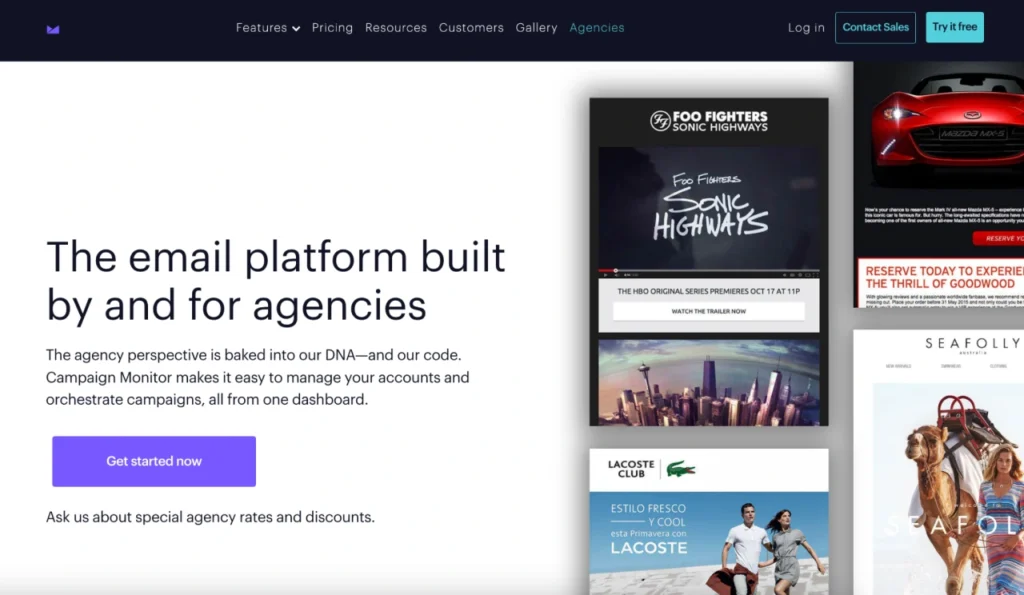
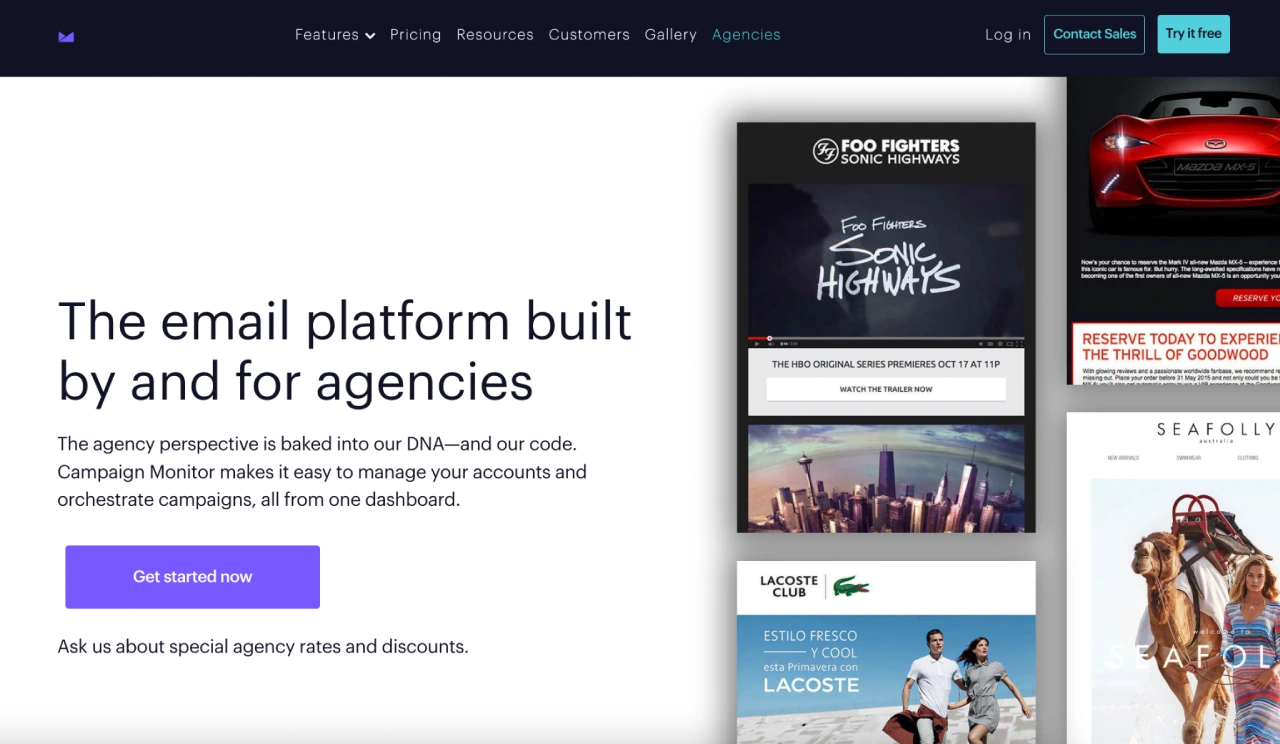
Central to this transformation is the realization that AI outputs are only as valuable as the distribution channels they feed. A tool like Campaign Monitor acts as the anchor for this stack, providing the necessary governance, segmentation, and automated journey logic that turns raw AI-generated assets into measurable, high-ROI client results.
The 17 Essential Tools for the Modern Agency
The following tools represent the current "gold standard" for agencies aiming to maintain high margins while scaling output:

| Tool | Category | Key Strength |
|---|---|---|
| Campaign Monitor | Email & Automation | Multi-client governance, dynamic journeys |
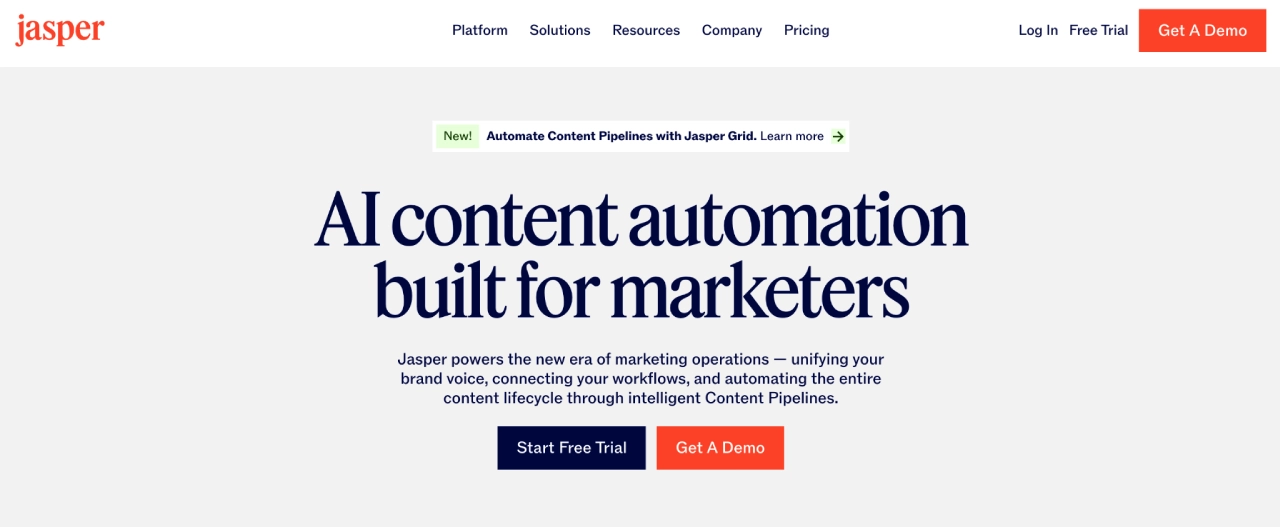
| Jasper | Content Creation | Brand Voice consistency at scale |
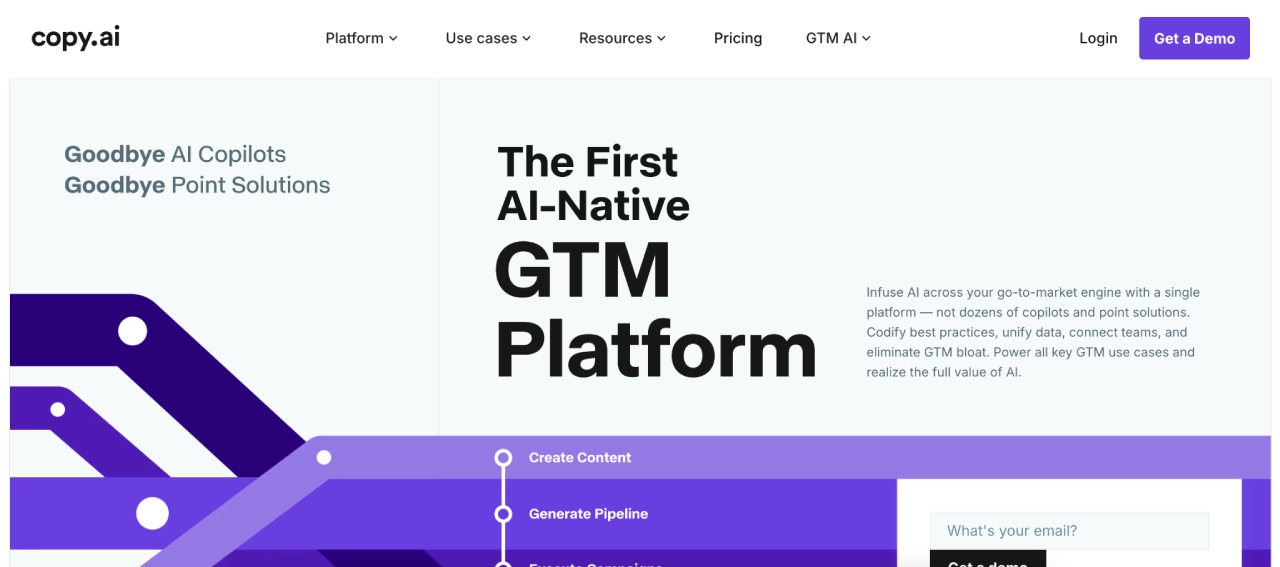
| Copy.ai | GTM/Ops | Trainable Content Agents |
| Madgicx | Ads Management | Meta ads performance optimization |
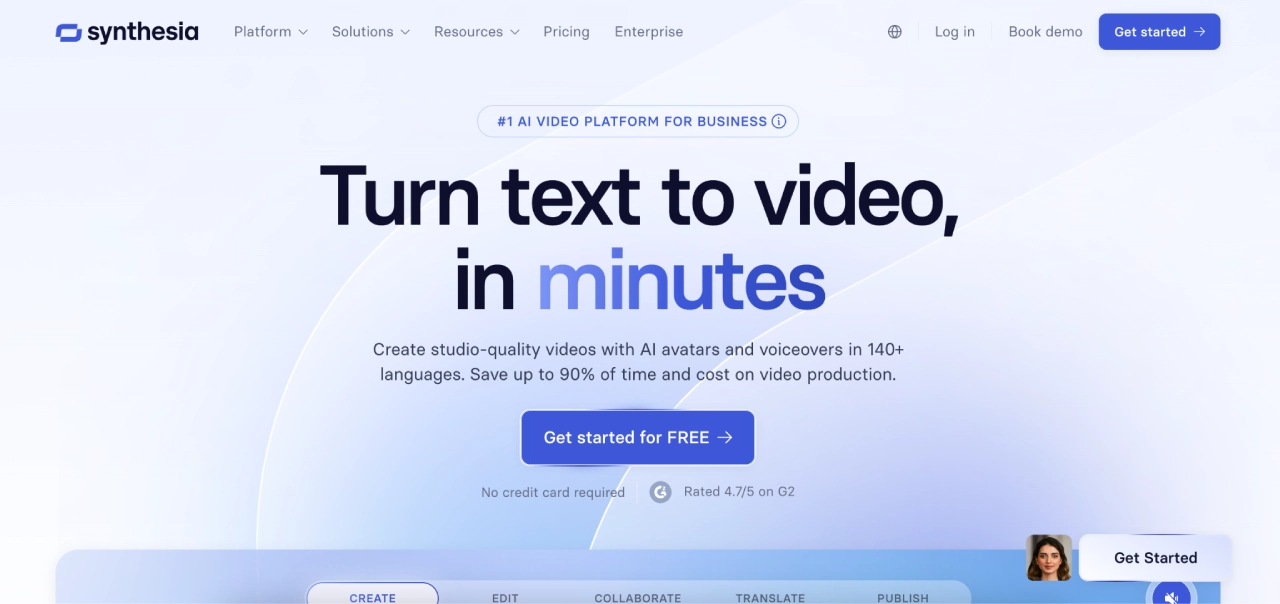
| Synthesia | AI Video | Multilingual avatar-led content |
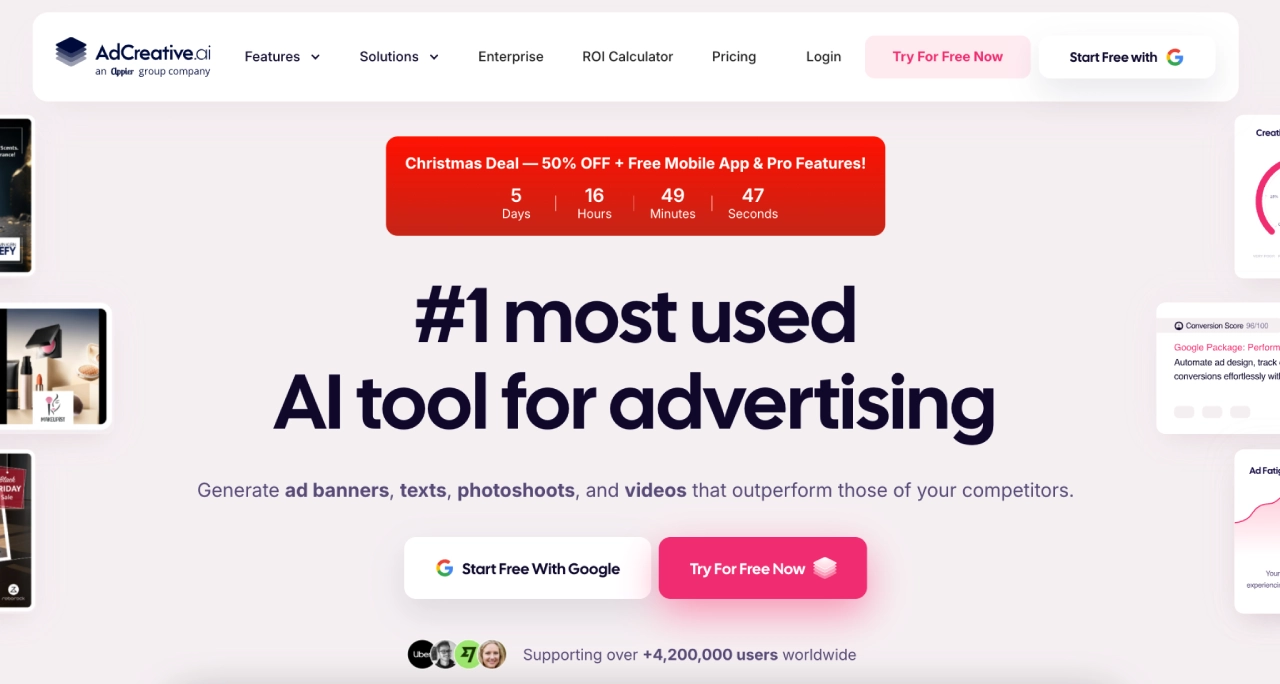
| AdCreative.ai | Ad Creative | Predictive creative scoring |
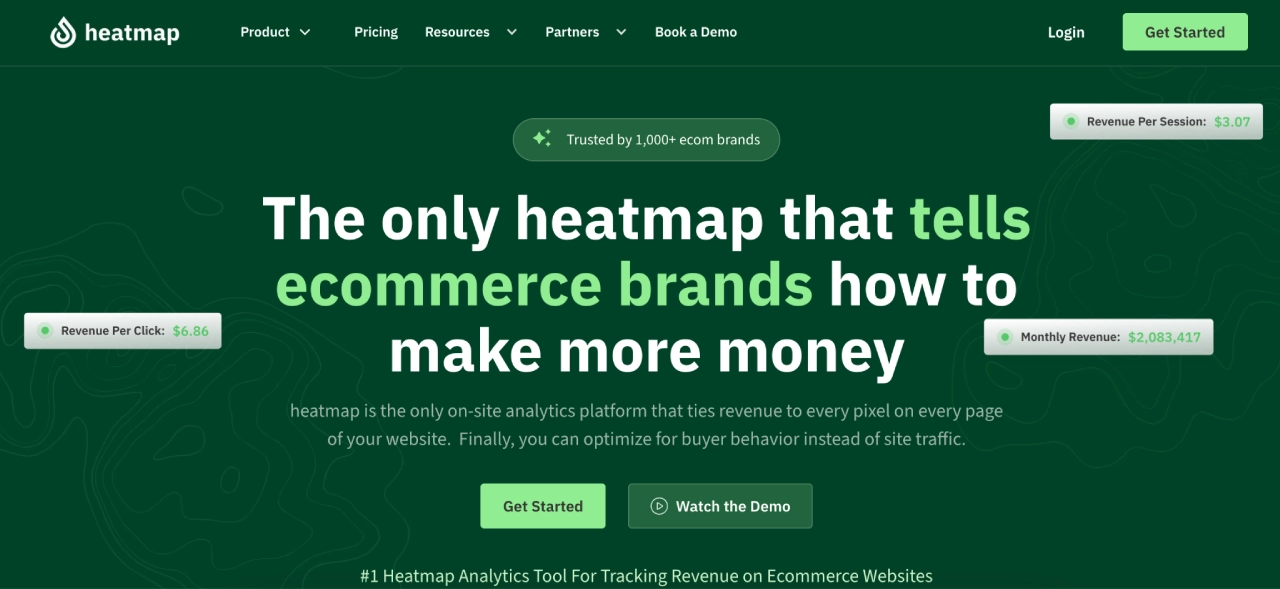
| Heatmap AI | CRO/UX | Behavioral conversion insights |
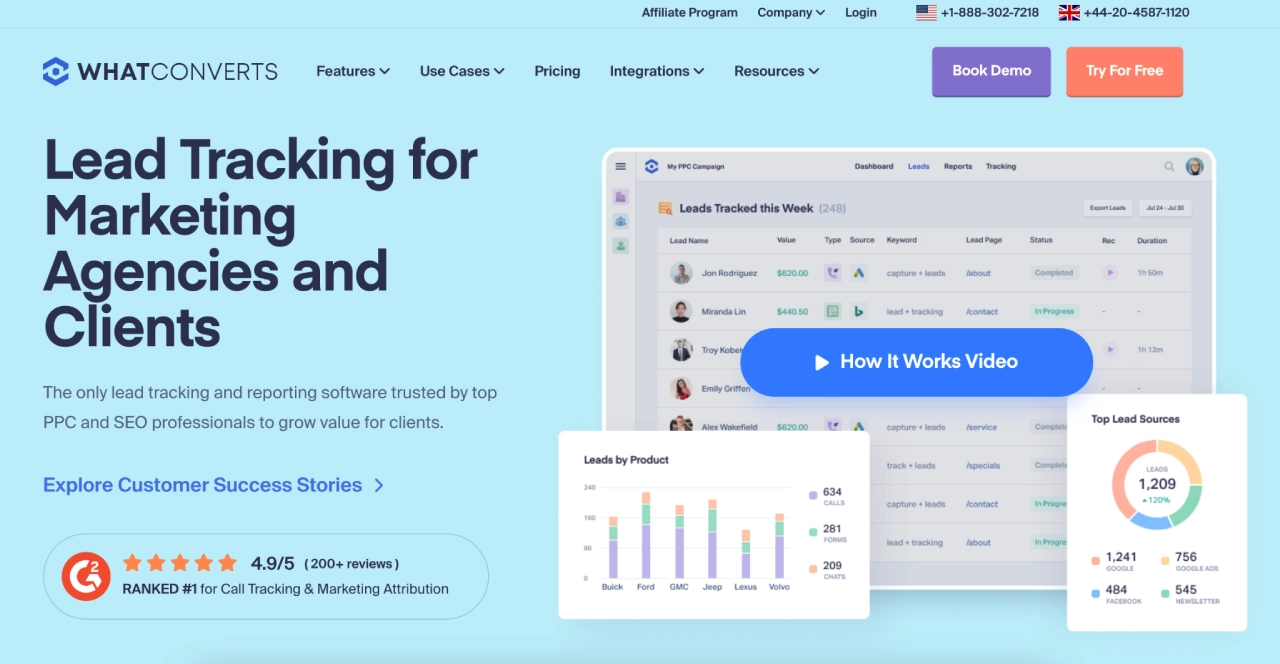
| WhatConverts | Attribution | Revenue-to-lead tracking |
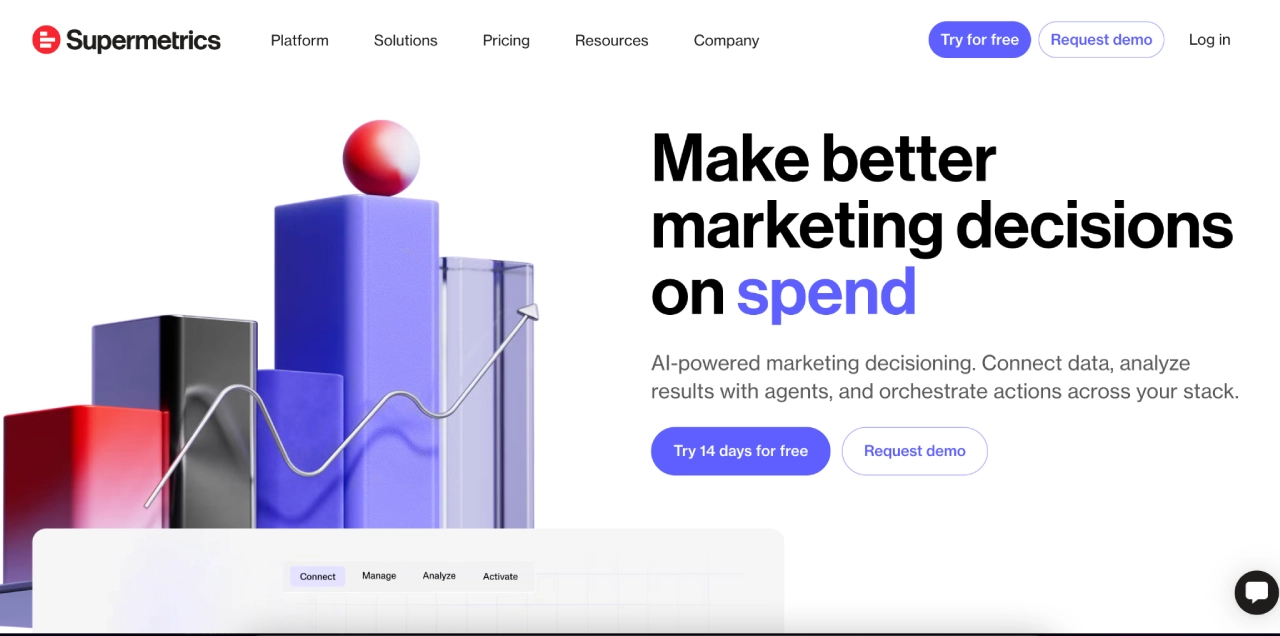
| Supermetrics | Data Pipelines | Cross-channel reporting automation |
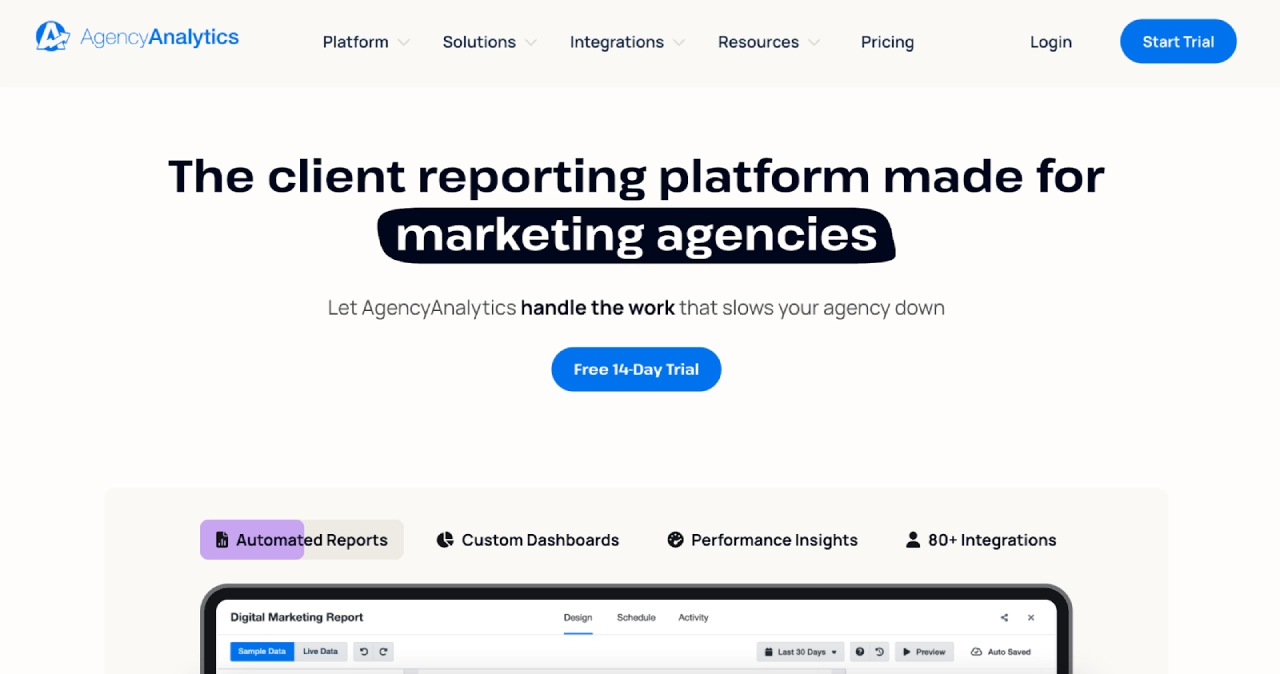
| AgencyAnalytics | Reporting | White-label client dashboards |
| Zapier | Orchestration | Multi-step workflow connectivity |
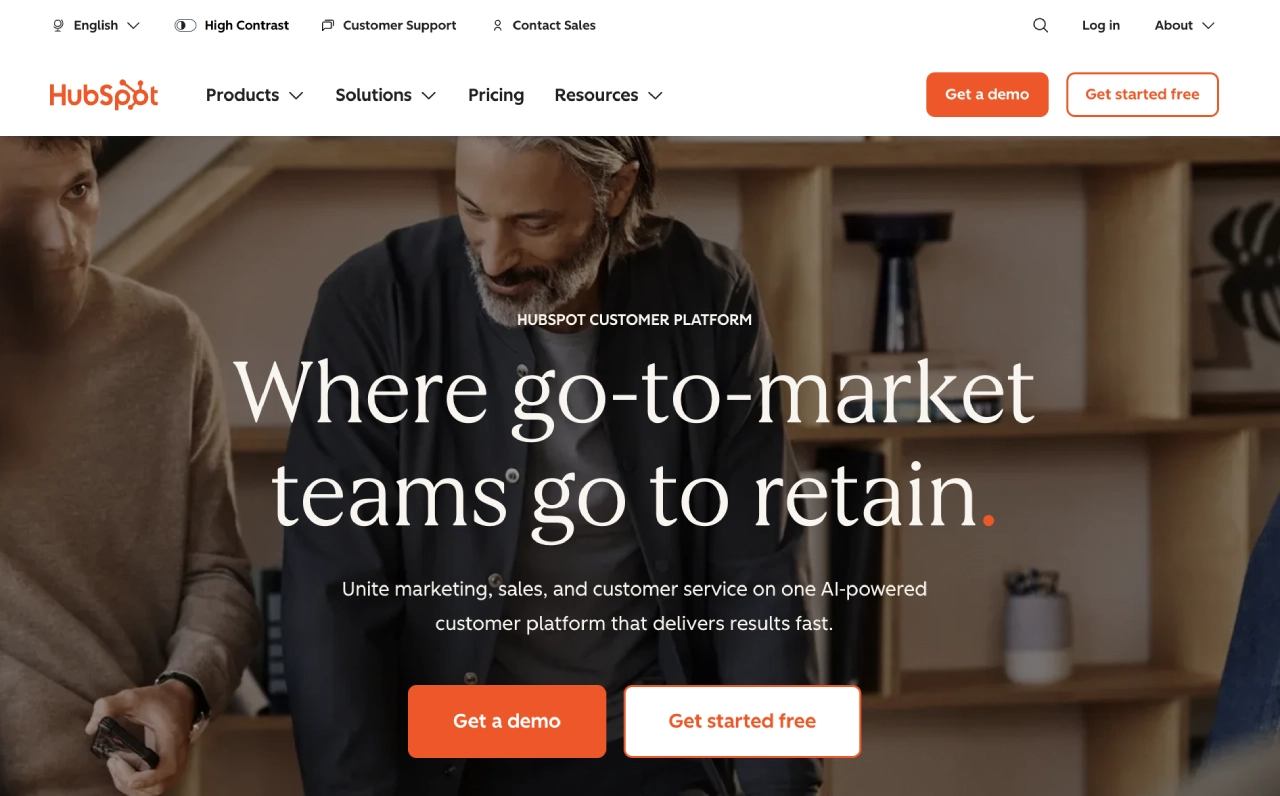
| HubSpot AI | CRM/Marketing | Unified client data management |
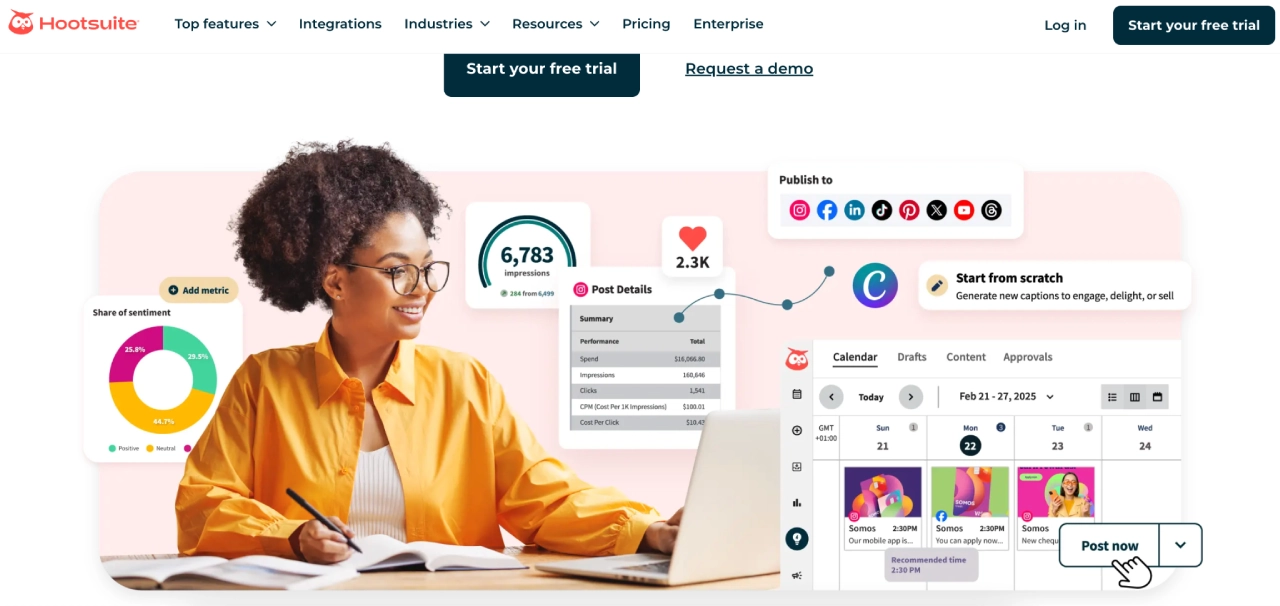
| Hootsuite | Social Media | AI-assisted scheduling |
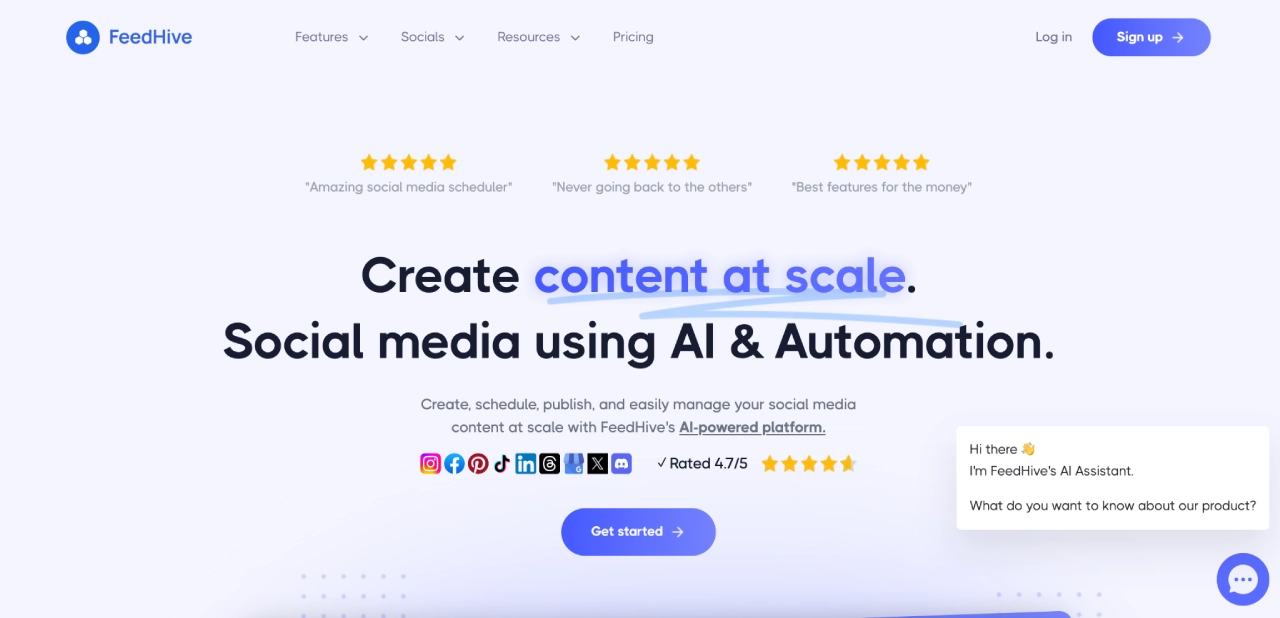
| FeedHive | Social Media | AI-powered content recycling |
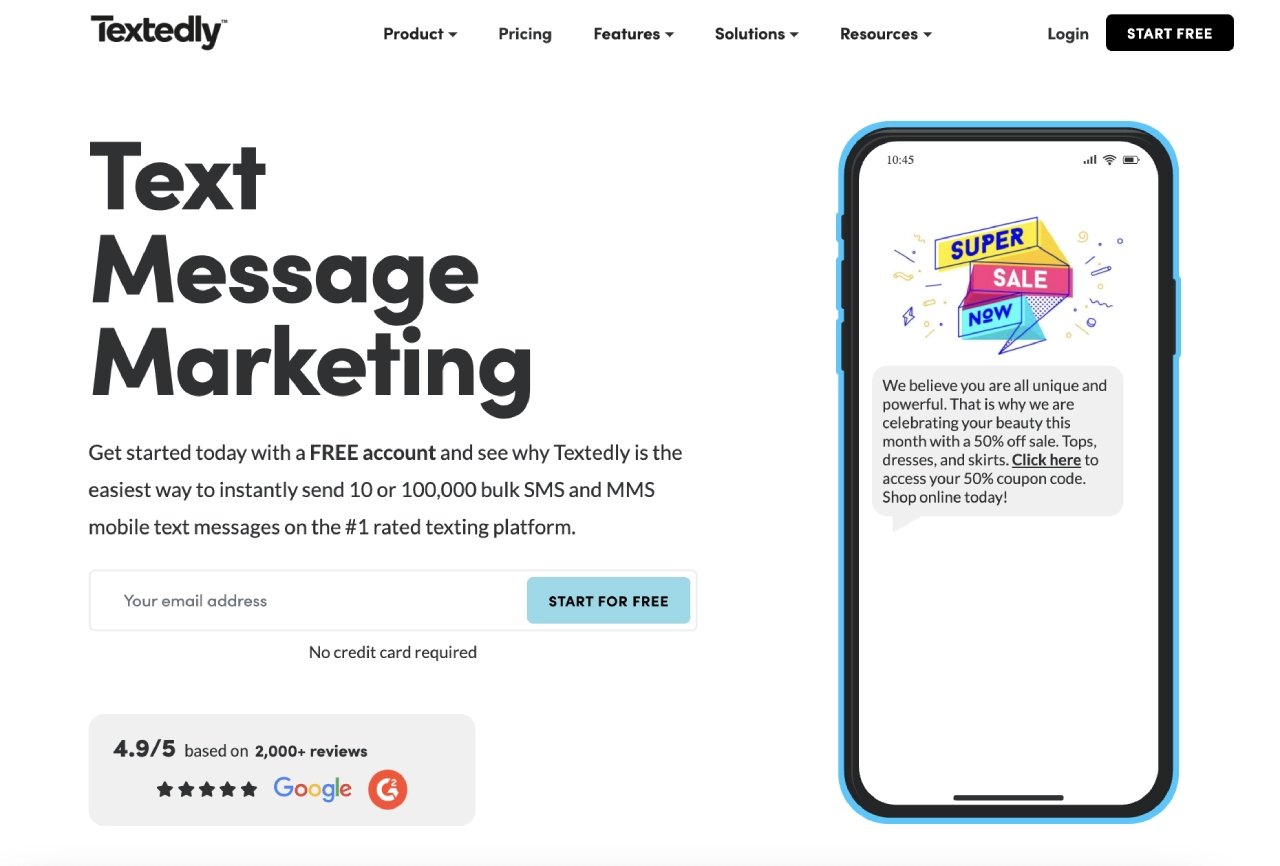
| Textedly | SMS Marketing | Automated mobile engagement |
| DALL·E 3 | Image Gen | API-driven creative production |
| Midjourney | Image Gen | High-fidelity artistic visuals |
Chronology of the AI Agency Shift
The evolution of the agency model over the last 24 months can be categorized into three distinct phases:
- The Exploratory Phase (Early 2023): Agencies experimented with standalone tools (ChatGPT, Midjourney) to reduce copywriting and design time. The results were immediate but lacked brand alignment, often resulting in inconsistent, "robotic" content.
- The Integration Phase (2024): Agencies began seeking "all-in-one" platforms. However, many discovered that these bloated suites lacked the depth required for specific tasks. This led to the "Best-of-Breed" approach, where tools were selected for their ability to integrate via APIs (e.g., using Zapier to connect Jasper to Campaign Monitor).
- The Governance Phase (2025–Present): The current era is defined by operational guardrails. Agencies are prioritizing brand safety, data privacy, and Total Cost of Ownership (TCO). The focus is now on "Agentic Workflows"—where AI agents don’t just generate, but also audit, optimize, and report on campaign performance.
Data-Driven Strategy: The 3C Model
To ensure that an AI stack remains profitable, agencies are adopting the 3C framework to govern their operations:
1. Context: Centralize Before Generating
Before a single piece of copy is drafted, the AI must be fed the "Context." This includes brand voice guidelines, historical performance data, and audience personas. By using platforms like HubSpot or Supermetrics, agencies ensure the AI is operating within the constraints of real-world data, rather than hallucinating generic trends.
2. Content: Produce, Then Refine
AI should handle the heavy lifting of the "first draft." Tools like Jasper or Copy.ai are ideal for generating high-volume content, but they require a "human-in-the-loop" to ensure the output aligns with the brand’s specific ethos. The goal is to maximize throughput without sacrificing the nuance that human oversight provides.
3. Control: Automate with Guardrails
The final step is the most critical: deployment. By using Campaign Monitor, agencies can set up sophisticated, automated journeys—welcome sequences, abandoned cart triggers, and post-purchase follow-ups—that are pre-approved and compliant. This ensures that even when volume spikes, the quality remains consistent and on-brand.
Implications for Agency Margins
The biggest risk in the AI transition is "hidden cost creep." Agencies often fall into the trap of subscribing to dozens of tools, each with its own tiered pricing model based on seats, usage, or credits.
To protect margins, agencies must:

- Audit for Redundancy: If an agency uses three different image generators, the ROI must be clearly defined. If one can suffice, consolidate immediately.
- Standardize Workflows: Don’t let every team member choose their own stack. Create a "Golden Path" of approved tools that integrate seamlessly.
- Focus on TCO: Calculate the Total Cost of Ownership by factoring in training time, API costs, and management time, not just the monthly subscription fee.
Operational Risks and Safety Considerations
As agencies scale, they must address several critical operational hurdles:
- The Hallucination Trap: AI models frequently invent data points. Agencies must implement mandatory verification steps for any content involving facts, statistics, or compliance-heavy language.
- Brand Voice Drift: Without strict "Brand Voice" parameters, AI-generated content can quickly drift into generic marketing fluff. Using tools that allow for custom model training (like Jasper’s Brand Voice) is essential.
- Data Compliance: Agencies are stewards of client data. Any AI tool used must meet strict data privacy standards (GDPR, CCPA), especially when it processes CRM data or sensitive customer communications.
- Intellectual Property: Not all generative AI tools offer clear commercial usage rights. Agencies must verify the IP policies of every tool in their stack to protect their clients from potential litigation.
Official Industry Outlook: The "Best-of-Breed" Consensus
Industry experts widely agree that the "all-in-one" myth is finally breaking. While integrated suites like HubSpot offer a strong CRM foundation, the most sophisticated agencies are building modular stacks. They choose best-in-class tools for specific tasks—such as Campaign Monitor for email and Madgicx for performance ads—and connect them via robust middleware.
This approach is inherently more resilient. If one tool fails or increases its pricing, the agency can swap it out without needing to overhaul their entire operating system.
Conclusion: Turning Activity into Revenue
The goal of integrating AI into an agency isn’t to create more "stuff"—it’s to create more value. When an agency successfully implements an AI stack anchored by robust, reliable platforms like Campaign Monitor, they unlock the ability to deliver personalized, timely, and high-impact campaigns that were previously impossible at scale.
The path forward is clear: be intentional with tool selection, prioritize human-in-the-loop oversight, and ensure that every automation is tethered to a measurable business objective. By moving from a "chaos-first" to a "control-first" mentality, agencies can ensure that AI serves as the engine of their growth, rather than the cause of their collapse.

Disclaimer: This article provides general information regarding marketing technology and should not be construed as financial, legal, or tax advice. Agencies should consult with professionals before making significant changes to their operational infrastructure or adopting new software solutions. All information is provided "as is" and no warranties are made regarding specific performance outcomes.
