

The Great CRO Debate: Choosing Between Crazy Egg and Lucky Orange
In the hyper-competitive landscape of digital commerce, understanding user intent is no longer a luxury—it is a survival requirement. Conversion Rate Optimization (CRO) tools have evolved from simple click-trackers into sophisticated, AI-driven command centers. Among the leading contenders in this space, Crazy Egg and Lucky Orange consistently surface as top-tier solutions.
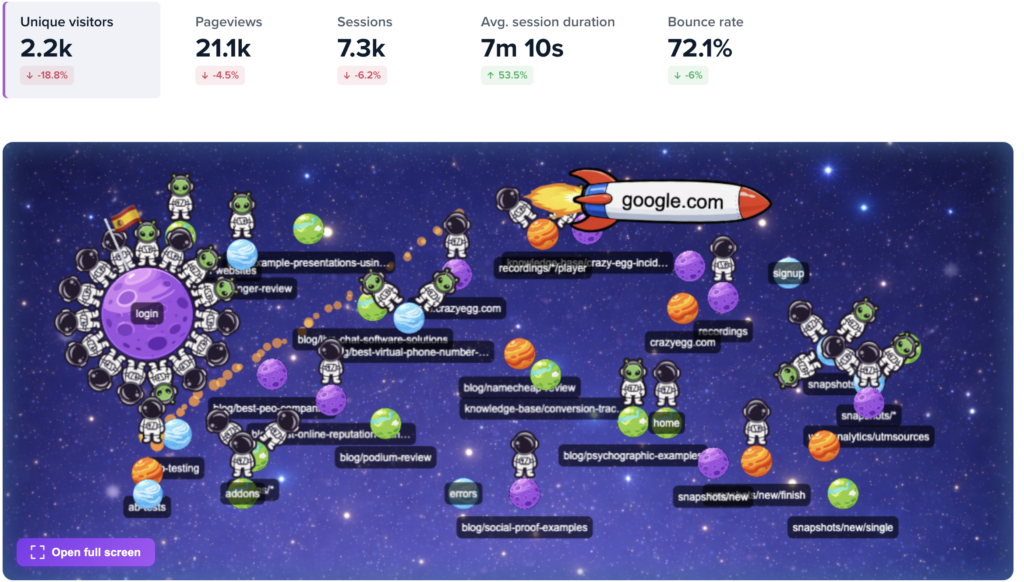
While both platforms offer the essential "holy trinity" of behavior analytics—heatmaps, session recordings, and conversion funnels—they cater to fundamentally different operational philosophies. This analysis examines the technical capabilities, strategic implications, and value propositions of both platforms to help businesses determine which engine best powers their growth.
Main Facts: The Core Divergence
At their foundation, both tools aim to resolve the "black box" problem of website analytics: knowing what happened (GA4) but not why it happened.
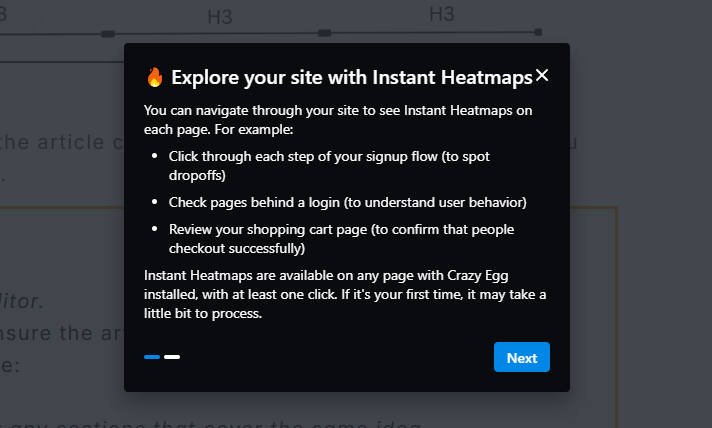
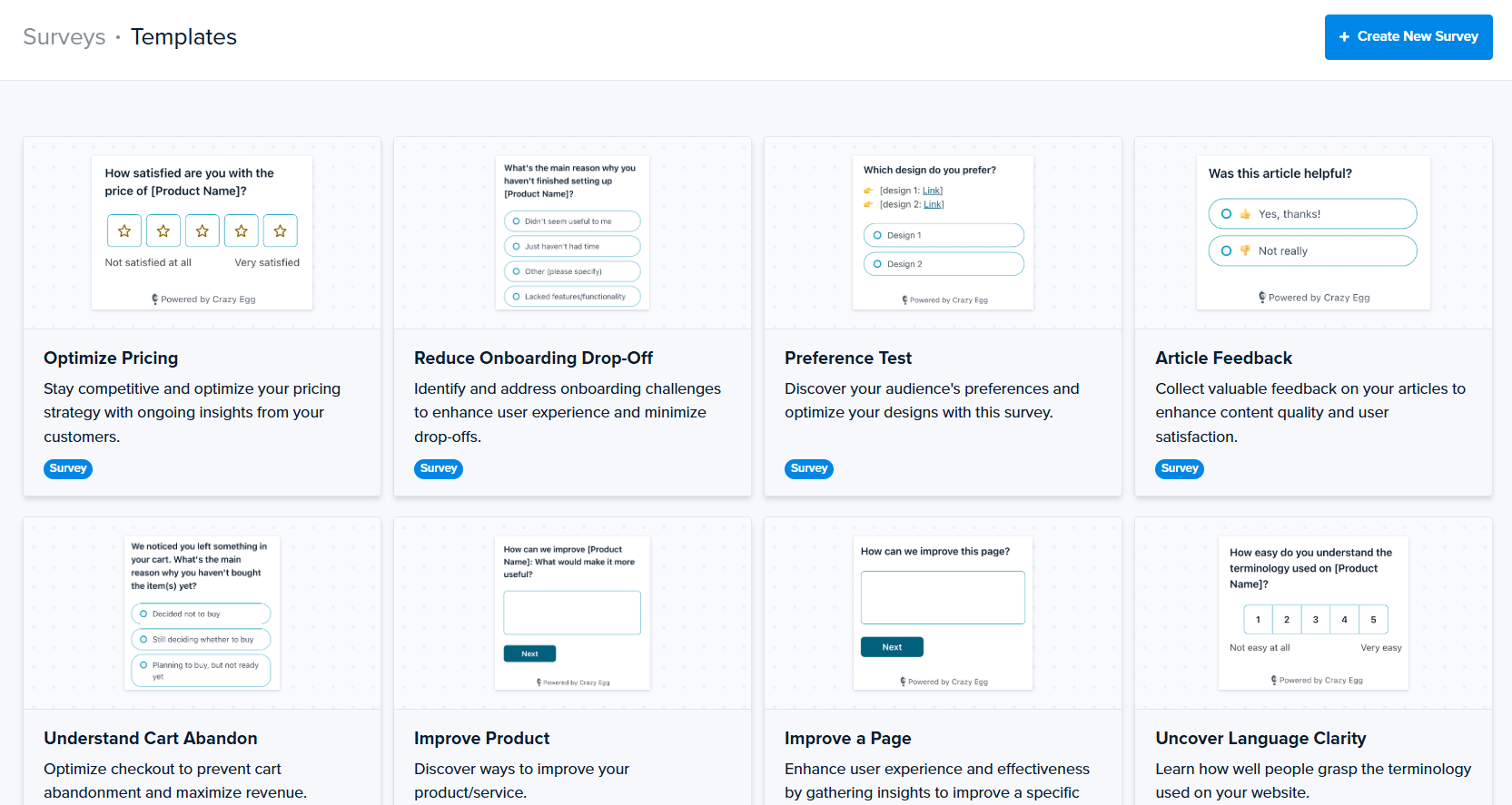
Crazy Egg positions itself as a consolidated platform for businesses of all sizes. It excels at unifying behavior analytics with proactive conversion tools, such as native A/B testing, error tracking, and sophisticated survey branching. Its architecture is built for those who want a single dashboard to manage the entire optimization loop, from identifying a friction point to deploying a site-wide test.

Lucky Orange serves as an agile, real-time engagement platform. It distinguishes itself through deep, field-level form analytics and an integrated live chat feature, which allows site owners to intervene in real-time when a visitor encounters friction. It is the preferred choice for Shopify store owners and those who treat their website as a live, interactive sales environment.

Chronology of Evolution: From Click Maps to AI Agents
The trajectory of these tools reflects the broader evolution of the web.
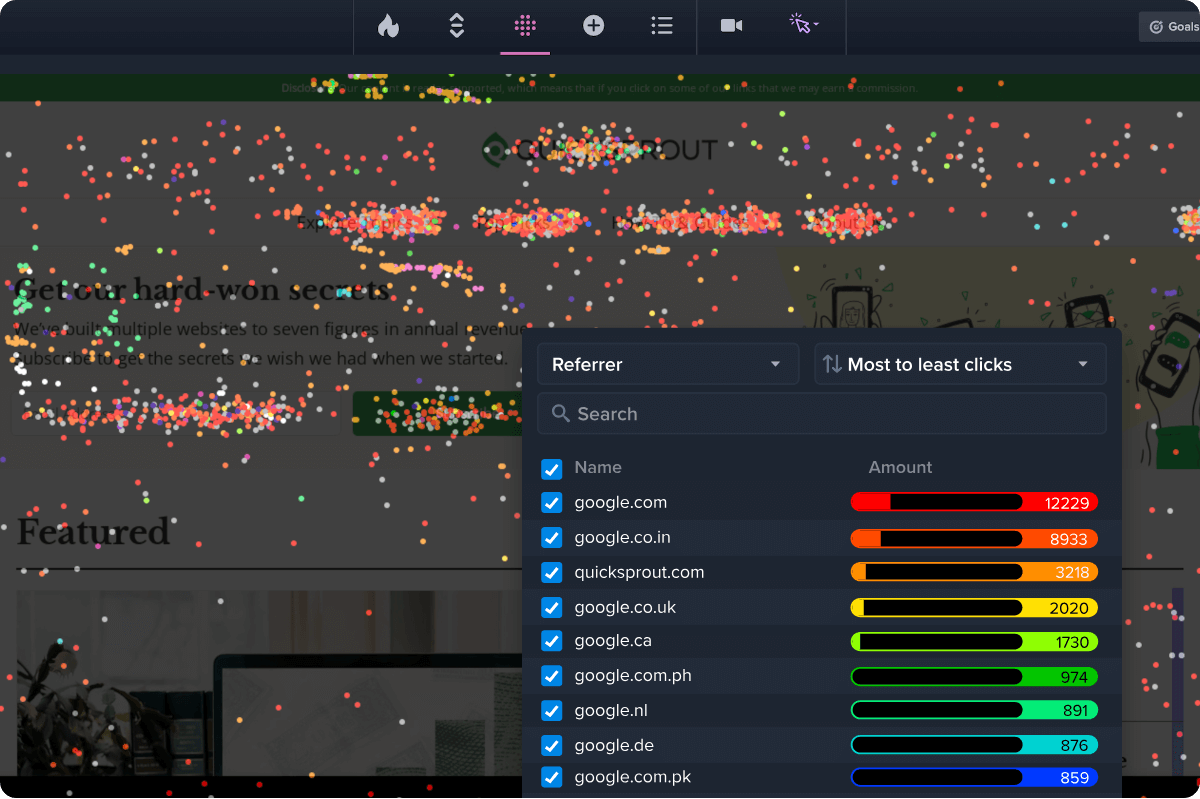
- The Early Days: Both platforms emerged to solve the lack of visual data in early web analytics. Crazy Egg pioneered the "Confetti" map, allowing marketers to segment clicks by source and browser, while Lucky Orange focused on the "live" aspect of the visitor experience.
- The Mid-2010s: The industry shifted toward session recording. Both platforms integrated playback technology, allowing operators to watch individual user journeys.
- The Current Era (2024–2026): The integration of Artificial Intelligence has redefined the user experience. Crazy Egg has moved toward "Agentic" workflows, launching the Model Context Protocol (MCP) to allow third-party AI models (like Claude or ChatGPT) to interact directly with site data. Conversely, Lucky Orange has focused on "Conversational Discovery," a built-in AI assistant that parses code and behavioral data to provide direct answers to site-specific questions.
Supporting Data: A Feature Comparison
To understand the practical differences, one must look at how these tools handle data and user interaction.
1. The Heatmap War
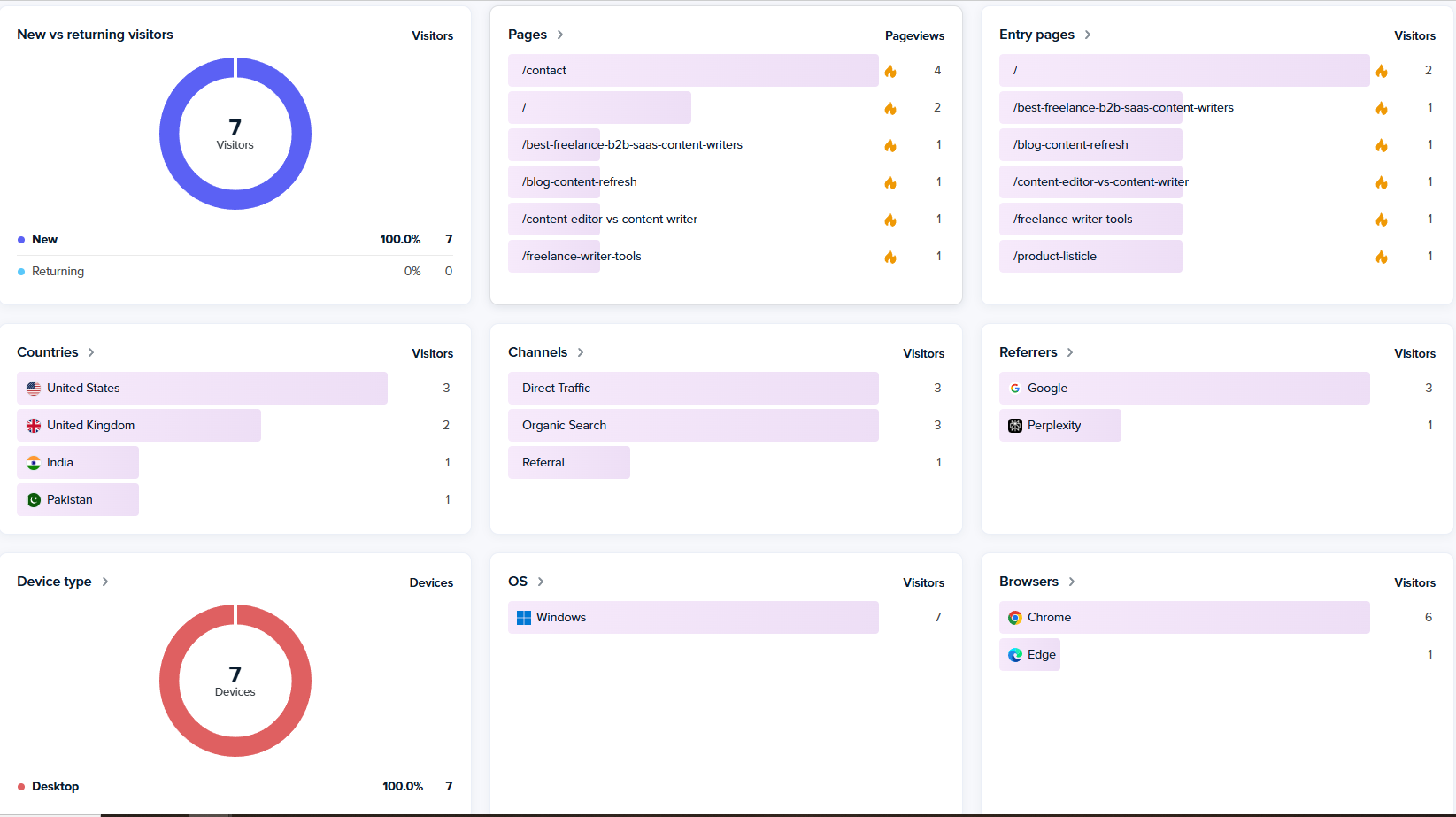
Crazy Egg offers five distinct map types, including the powerful "Confetti" map that enables side-by-side comparison of segments. For example, a user can compare the scroll depth of organic traffic versus paid social traffic simultaneously.
Lucky Orange limits its visualization to three types (click, scroll, and move). However, its strength lies in dynamic rendering. It captures interactions on single-page applications (SPAs) and complex React or AJAX-based menus that often break standard heatmap implementations. While Crazy Egg provides a "List" view for these elements, Lucky Orange renders them visually, providing a more intuitive experience for non-technical users.
2. Session Recordings and Data Retention
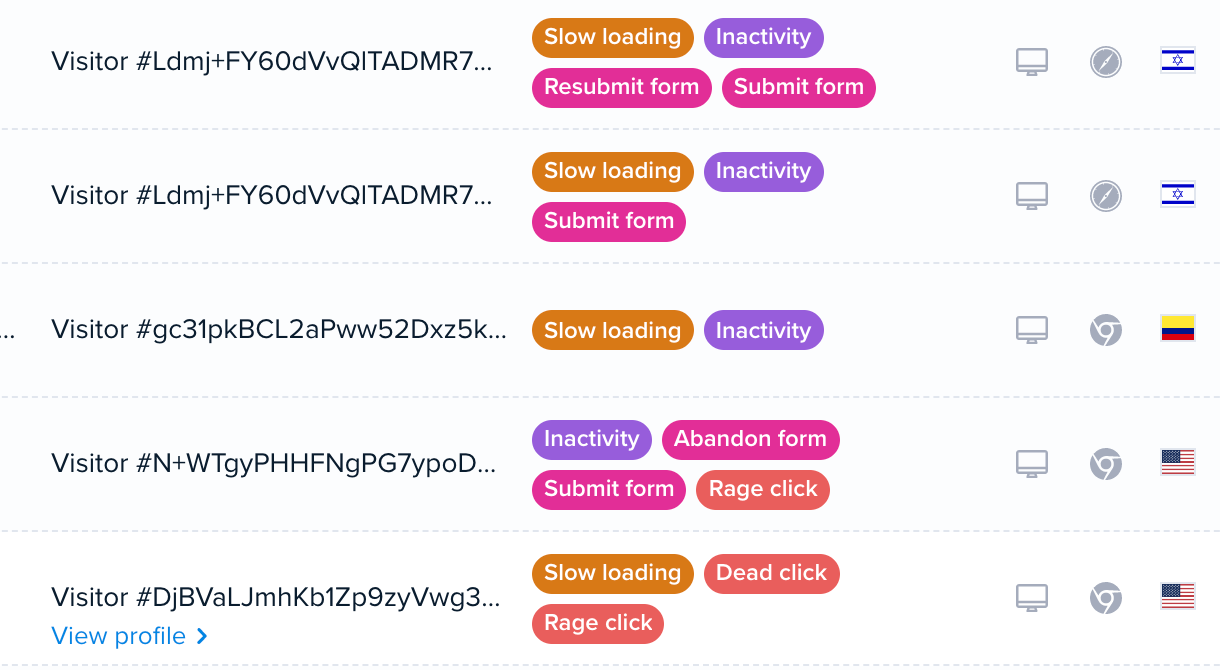
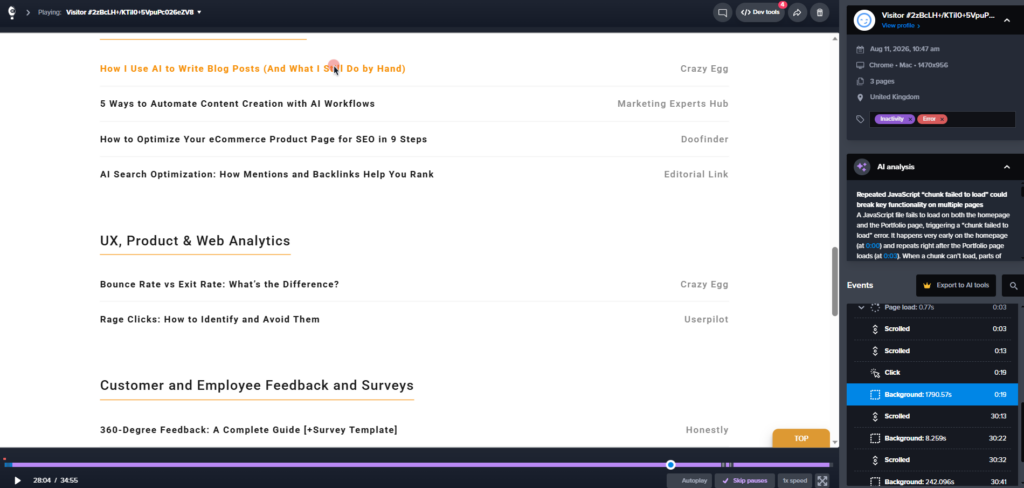
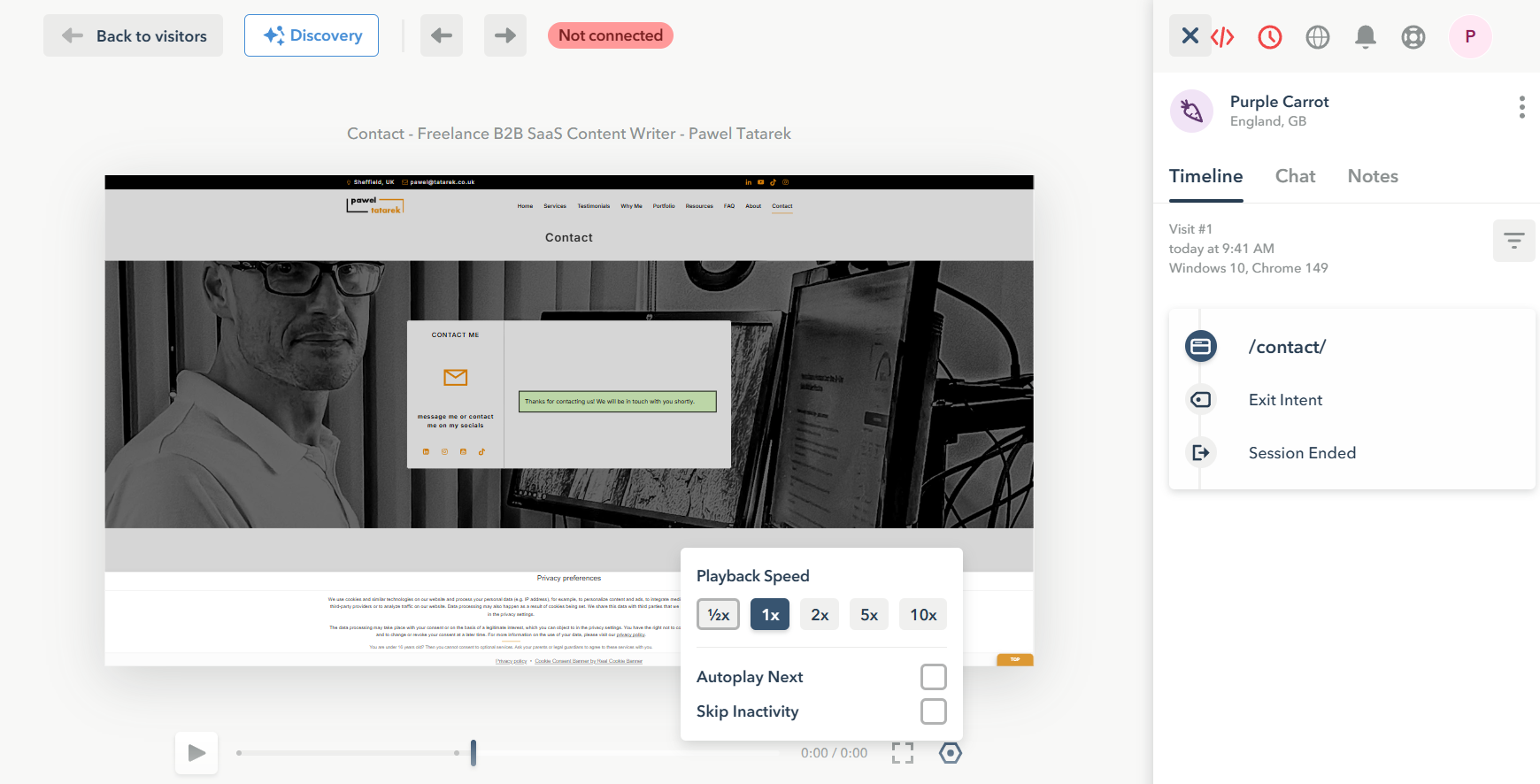
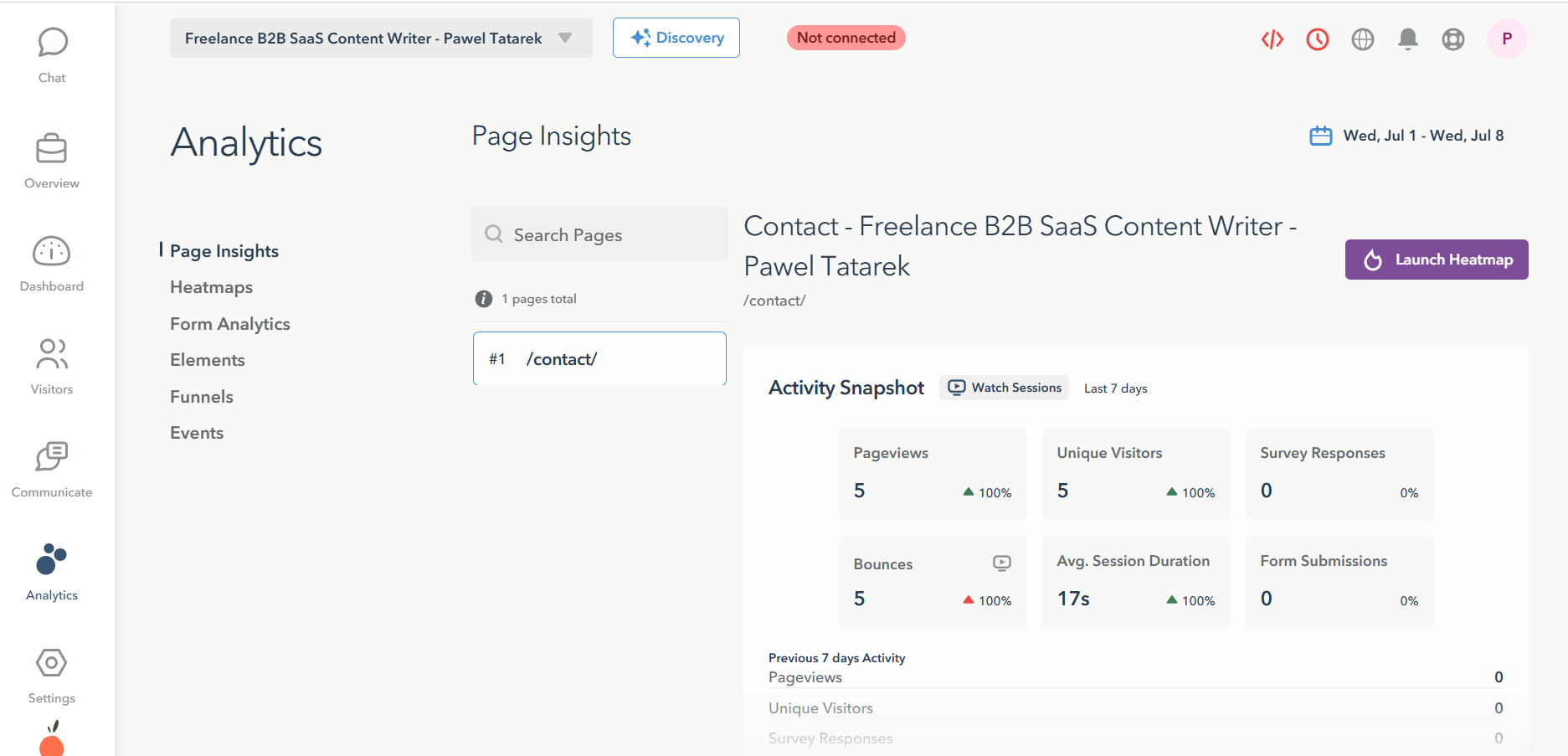
Data retention is a hidden cost factor. Crazy Egg offers a generous 6 to 24-month retention window, facilitating long-term trend analysis. Lucky Orange offers a 60-day base, which can be extended, but requires more manual management. Furthermore, Crazy Egg’s "Auto-Tagging" is more robust, identifying "U-turns" (where a user navigates away and returns) and complex checkout errors that typically require custom engineering to capture in other tools.
3. Conversion Analytics and Funnels
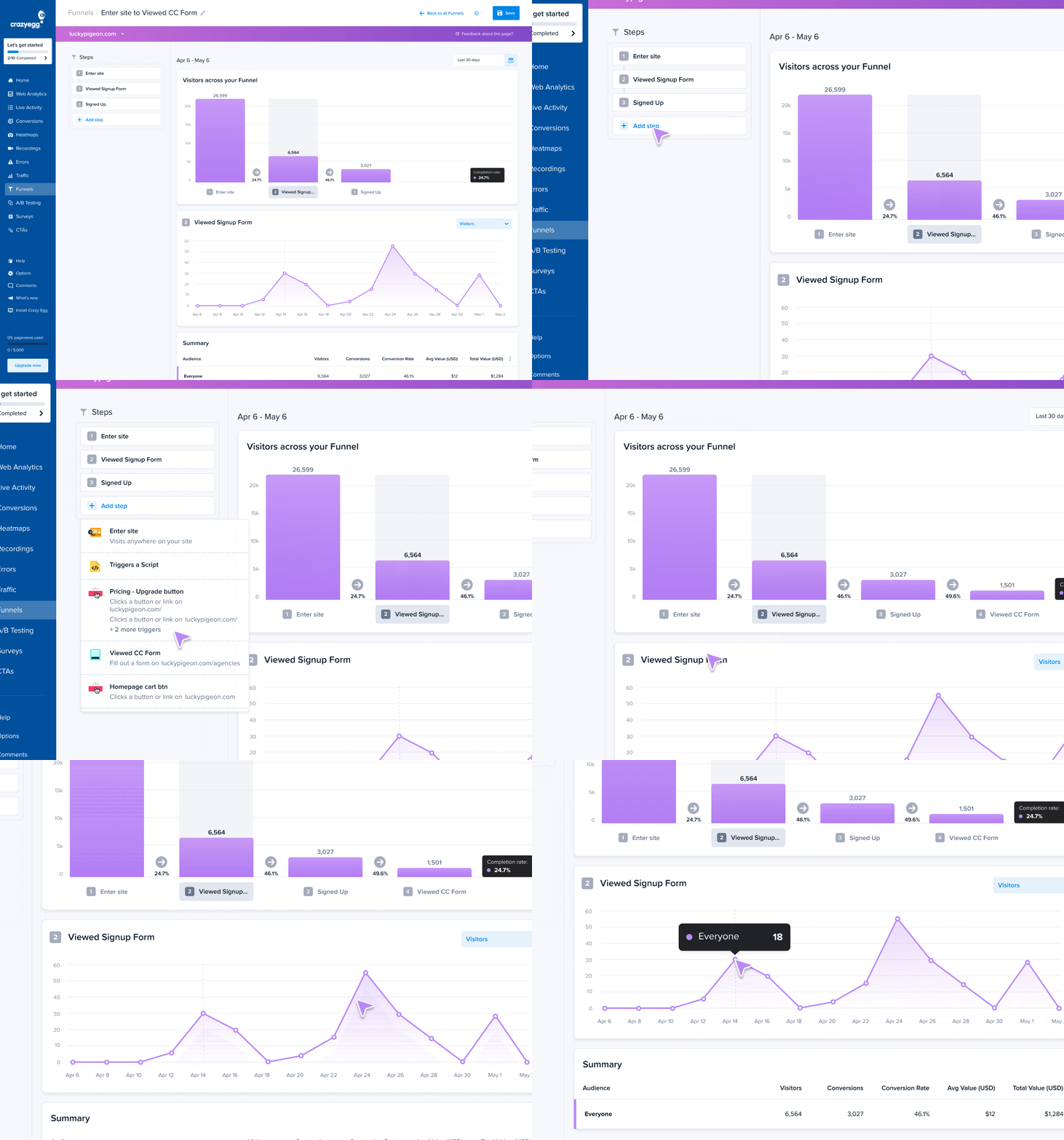
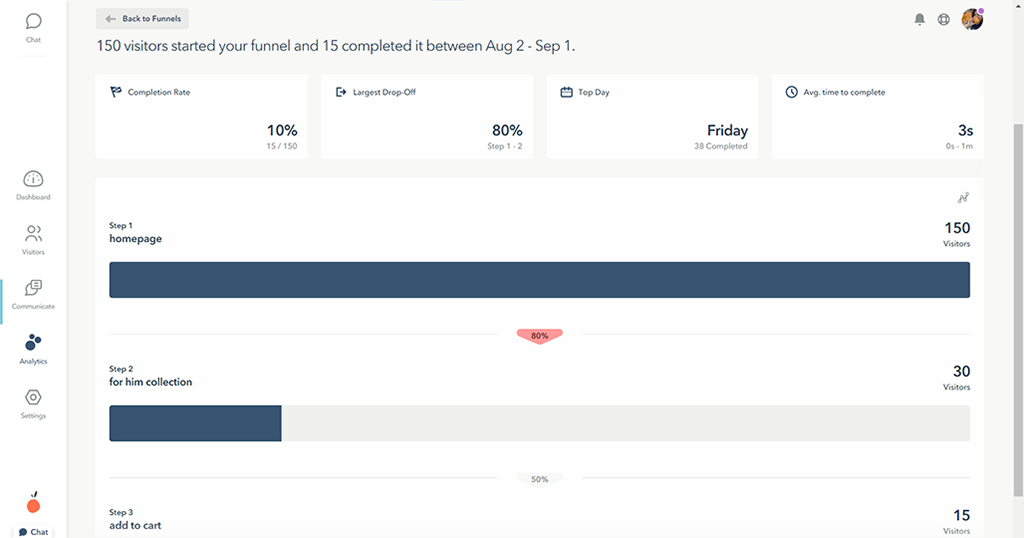
Crazy Egg’s funnel reports are entirely retroactive. If a marketer decides today that they want to track a specific signup flow, they can pull data from months ago to populate the funnel. Lucky Orange also offers retroactive reporting, but it is strictly limited by the data storage window, making it less effective for long-term strategic reviews.
Implications for Business Operations
The "All-in-One" vs. "Best-of-Breed" Strategy
The choice between these two platforms often comes down to organizational structure.
The Case for Crazy Egg:
If your organization lacks a dedicated, expensive A/B testing suite (like Optimizely), Crazy Egg is a cost-saver. It includes a visual A/B testing editor and error-tracking capabilities out of the box. By consolidating your stack, you reduce "vendor bloat" and ensure that your behavior data and experimentation data live in the same ecosystem.
The Case for Lucky Orange:
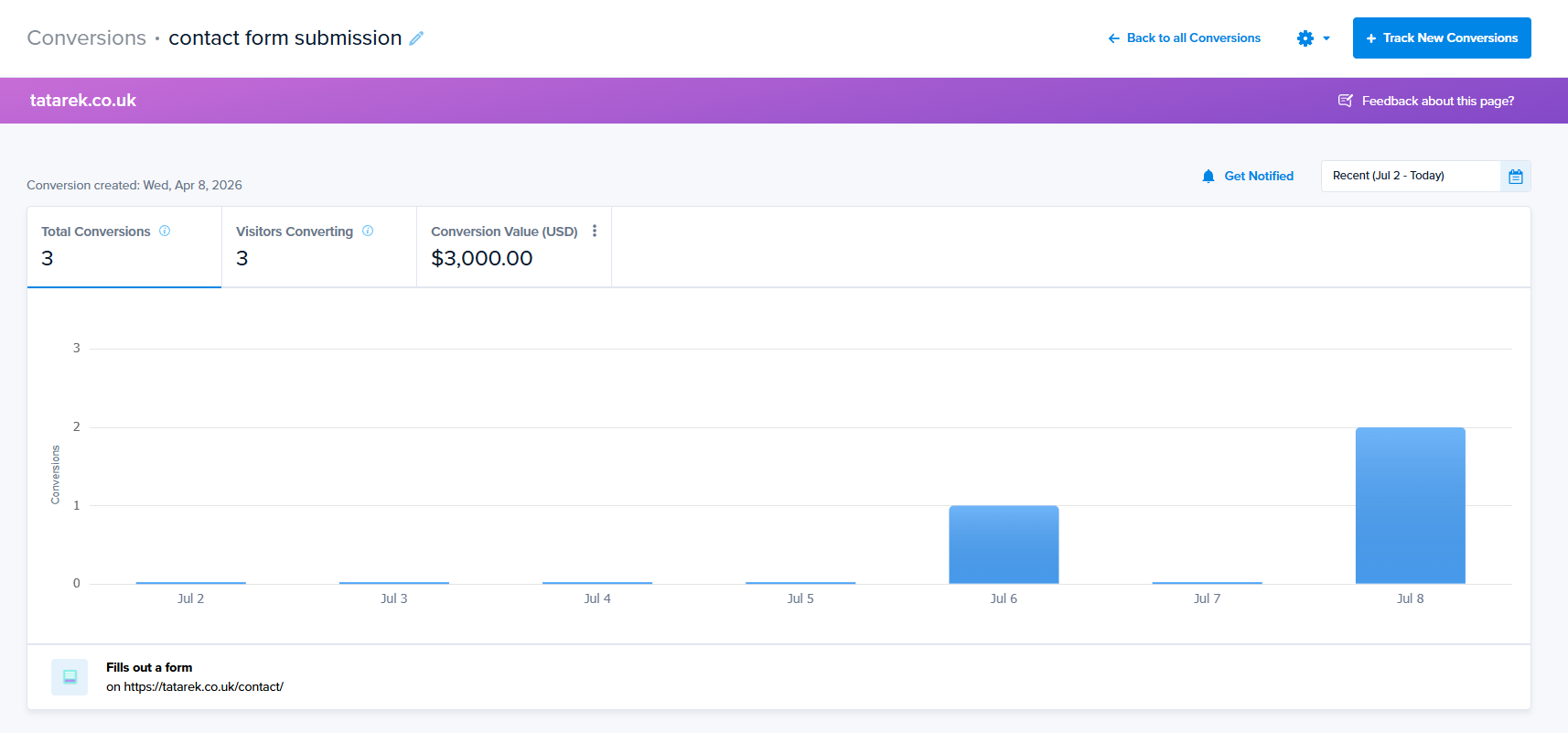
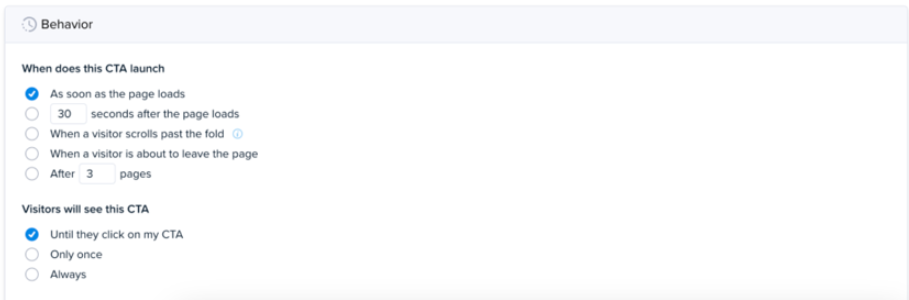
If you are operating a high-volume Shopify store, Lucky Orange is arguably superior due to its native integration with cart events. The ability to watch a user struggle with a checkout field and then immediately open a live chat window to assist them provides a level of immediate, high-touch conversion recovery that Crazy Egg’s more passive, analytical approach cannot replicate.
Data Security and Enterprise Compliance
For enterprise-level organizations, security is non-negotiable. Crazy Egg provides a formal trust center, offering SAML Single Sign-On (SSO) and granular, role-based access controls. This is critical for teams where legal and IT departments must audit who has access to customer data. Lucky Orange provides basic GDPR and CCPA compliance, but it lacks the formal enterprise governance framework (such as audit logs and SSO) that large corporations require.
Official Responses and Pricing Dynamics
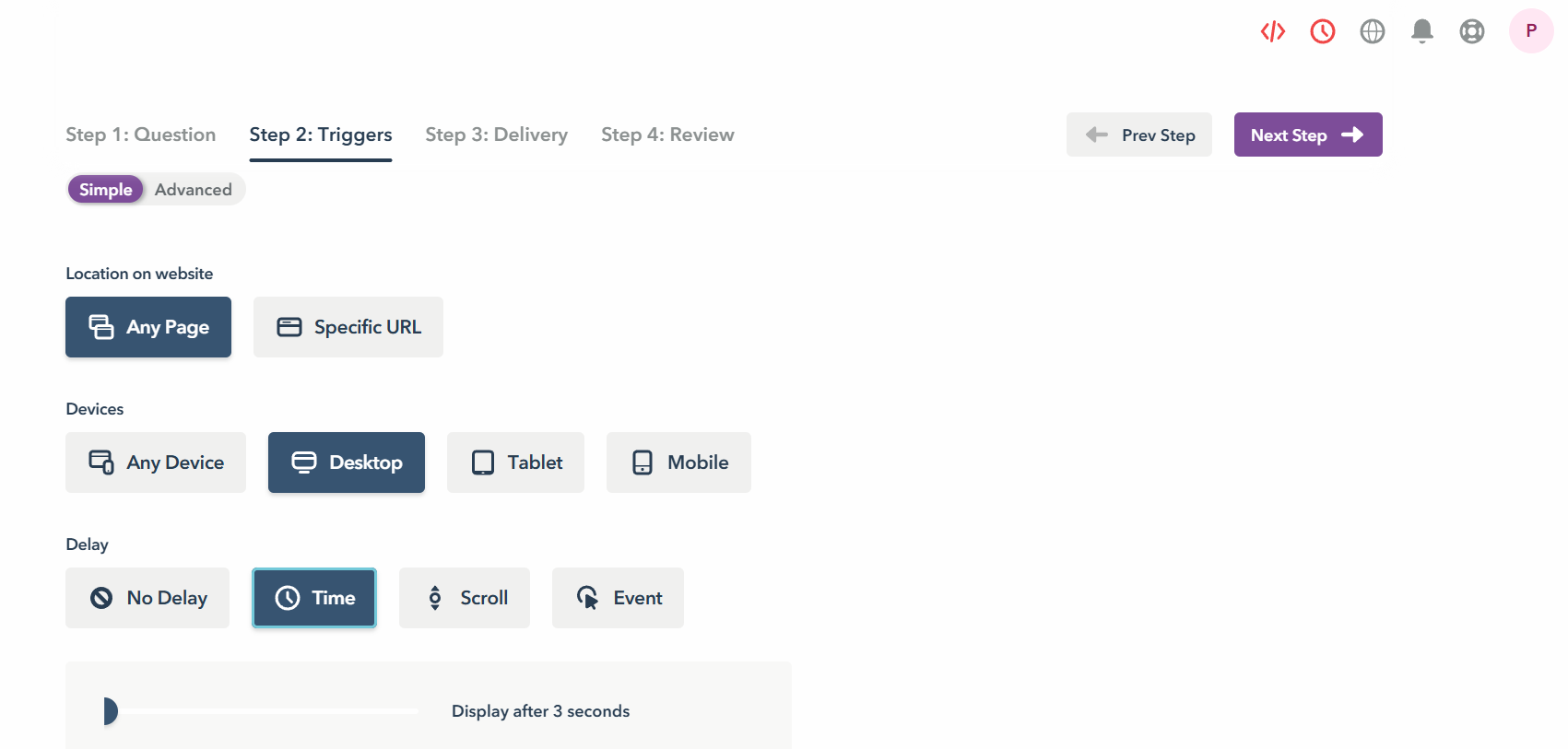
Pricing models highlight the philosophical divide between the two.
- Crazy Egg bills based on tracked pageviews. This is a highly efficient model for those who only want to optimize their landing pages and checkout flows; you do not pay to track traffic on non-critical pages.
- Lucky Orange bills based on total sessions. This means every visitor, including those browsing your "About Us" or "Blog" pages, contributes to your billable usage.
The AI Factor:
It is important to note that Lucky Orange treats its "Discovery AI" as a paid add-on. Conversely, Crazy Egg includes AI analysis across all its reports as part of the core subscription. For teams already invested in AI-driven workflows, the integration of Crazy Egg’s MCP connector allows for advanced, automated analysis that Lucky Orange’s chat-based assistant cannot currently match in terms of scale.
Conclusion: Which Tool Is Your Best Fit?
The selection of a CRO tool should be dictated by your specific conversion goal.
Choose Lucky Orange if:
- You run a Shopify store or a high-interaction, form-heavy website.
- You prioritize immediate, human-to-human intervention via live chat.
- You prefer a tool that provides "answers" via a conversational AI interface.
Choose Crazy Egg if:
- You require a comprehensive suite that includes A/B testing and error tracking.
- You are an enterprise or mid-market team needing robust security, SSO, and long-term data retention.
- You want to leverage advanced AI workflows by connecting your data to external tools like ChatGPT or Claude.
Both platforms offer sophisticated ways to "see" your website through the eyes of your customers. Whether you choose the agile engagement of Lucky Orange or the analytical, experimental power of Crazy Egg, the key to success lies in the consistency of your testing. The data is available; the next step is acting on it.
