
The Definitive Guide to Social Media Tools for 2026: Navigating the New Marketing Tech Stack
In the rapidly evolving digital landscape of 2026, the definition of a "social media tool" has expanded far beyond simple scheduling apps. As marketing teams face increasing pressure to prove ROI and navigate the complexities of multi-channel engagement, the technology they use has become the backbone of their strategic operations.

Social media tools today are integrated ecosystems that allow marketers to plan, create, publish, monitor, and analyze content with unprecedented precision. By connecting disparate channels and automating repetitive tasks, these platforms surface data-driven insights that would take hours to gather manually. Whether you are a freelance manager overseeing a boutique brand or an enterprise lead governing a global marketing department, selecting the right tech stack is no longer optional—it is a competitive necessity.

The Evolution of the Social Media Tech Stack
The category of social media software is broad, encompassing all-in-one management platforms, standalone design apps, and specialized AI assistants. While the tools vary in function, they share a common objective: to make social media management faster, more organized, and easier to quantify.
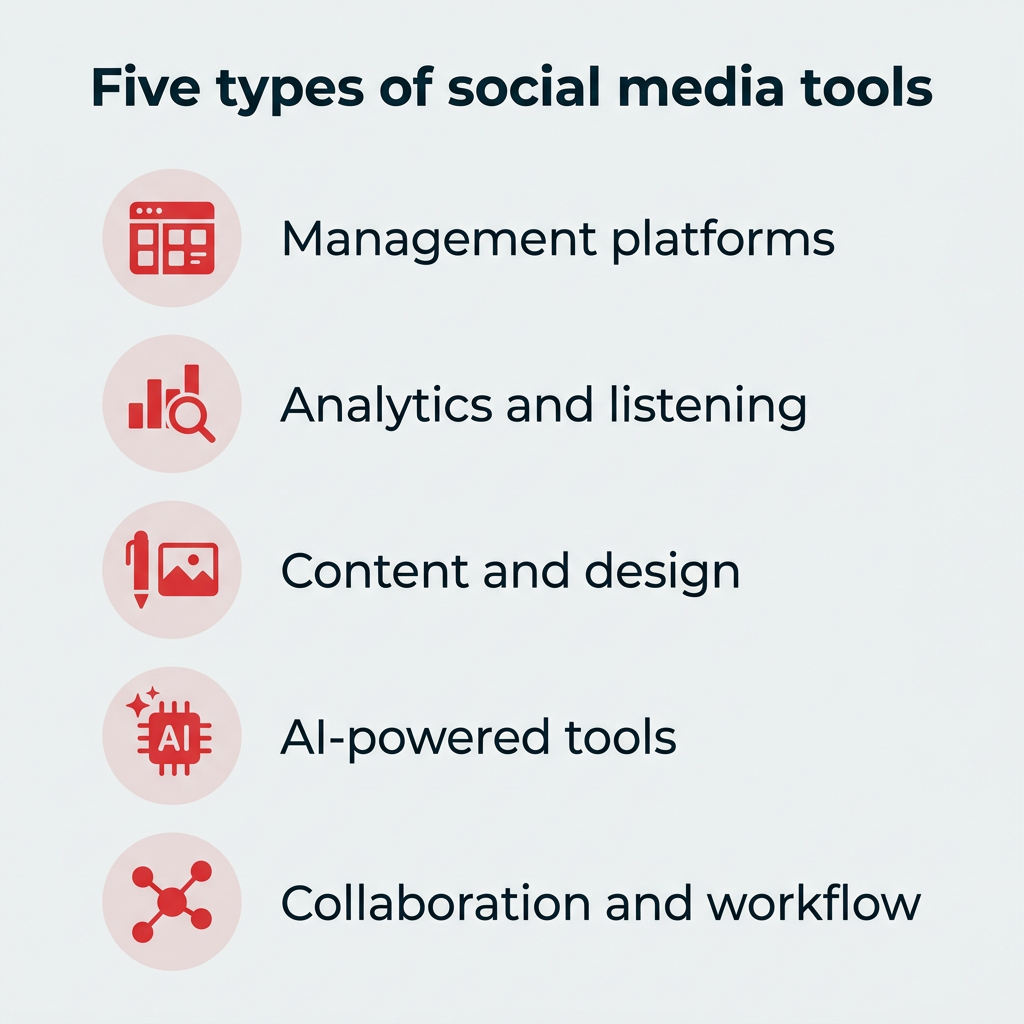
In 2026, the most significant shift in this sector is the integration of AI directly into the workflow. According to recent industry surveys, marketing leaders expect AI-driven automation of marketing tasks to more than double by 2028, growing from 16% in 2026 to 36%. Unlike the early days of "bolt-on" AI features, the modern standard is AI that lives inside the tools teams already use, grounded in proprietary social data.
Categorizing the Modern Toolkit
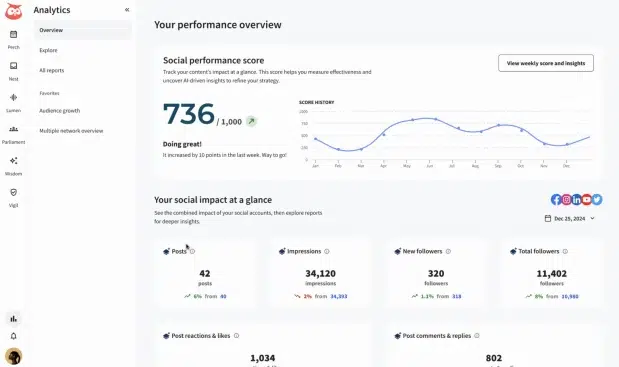
To build a high-performing social media strategy, teams must understand the five primary types of tools available:
- Management Platforms: These serve as the central nervous system, combining scheduling, analytics, engagement, and publishing into a single dashboard.
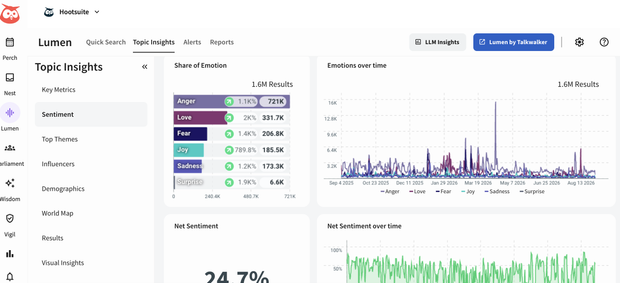
- Analytics and Listening Tools: Designed to track performance metrics and monitor brand sentiment across millions of sources, these tools provide the "why" behind the data.
- Content Creation and Design Tools: Essential for teams without dedicated designers, these tools leverage AI to produce professional visual assets rapidly.
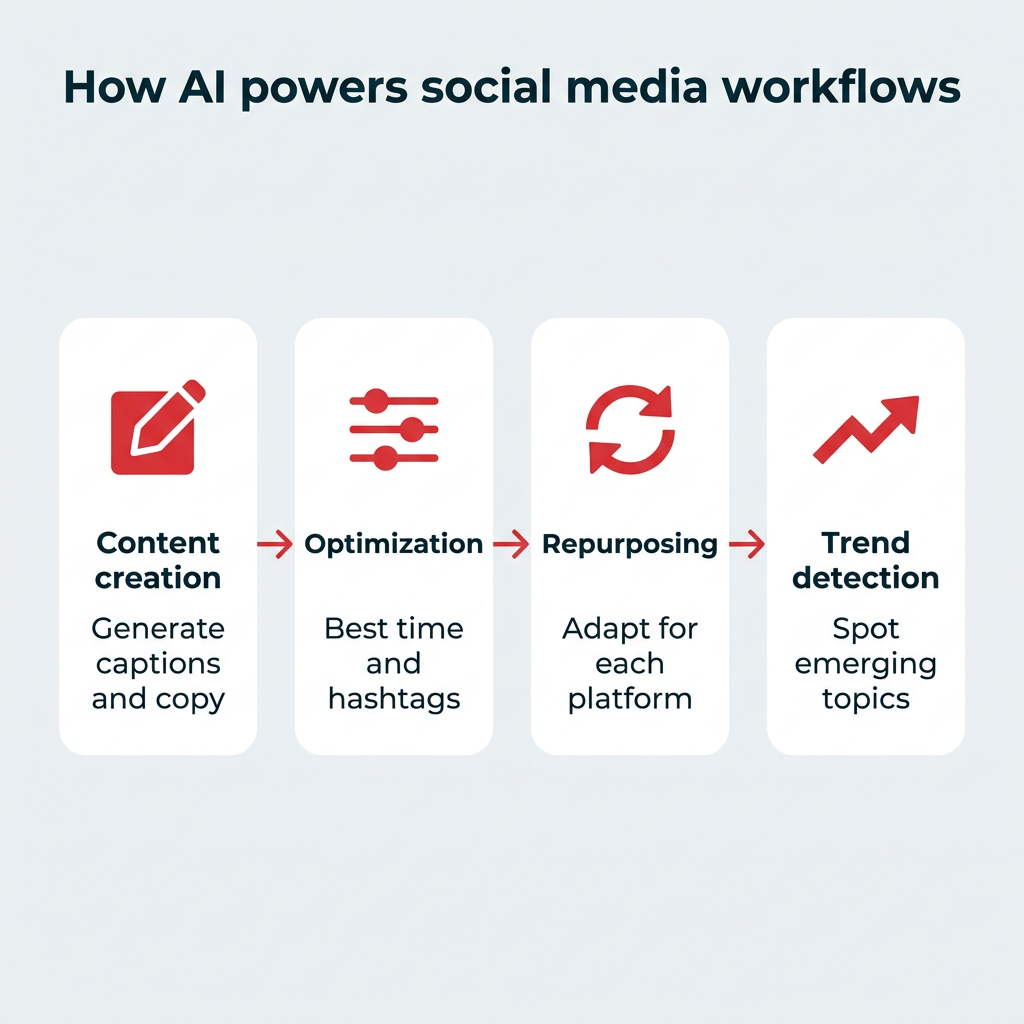
- AI-Powered Assistants: These tools use machine learning for caption generation, trend detection, and repurposing long-form content.
- Collaboration and Workflow Tools: These platforms coordinate content calendars, approvals, and team communication, ensuring that large-scale campaigns remain cohesive.
Strategic Selection: Six Criteria for Success
Before investing in a new suite, teams must evaluate their specific operational needs. A freelancer needs agility and multi-client management, while an enterprise team prioritizes governance and scalability. Use these six criteria to evaluate your potential tools:
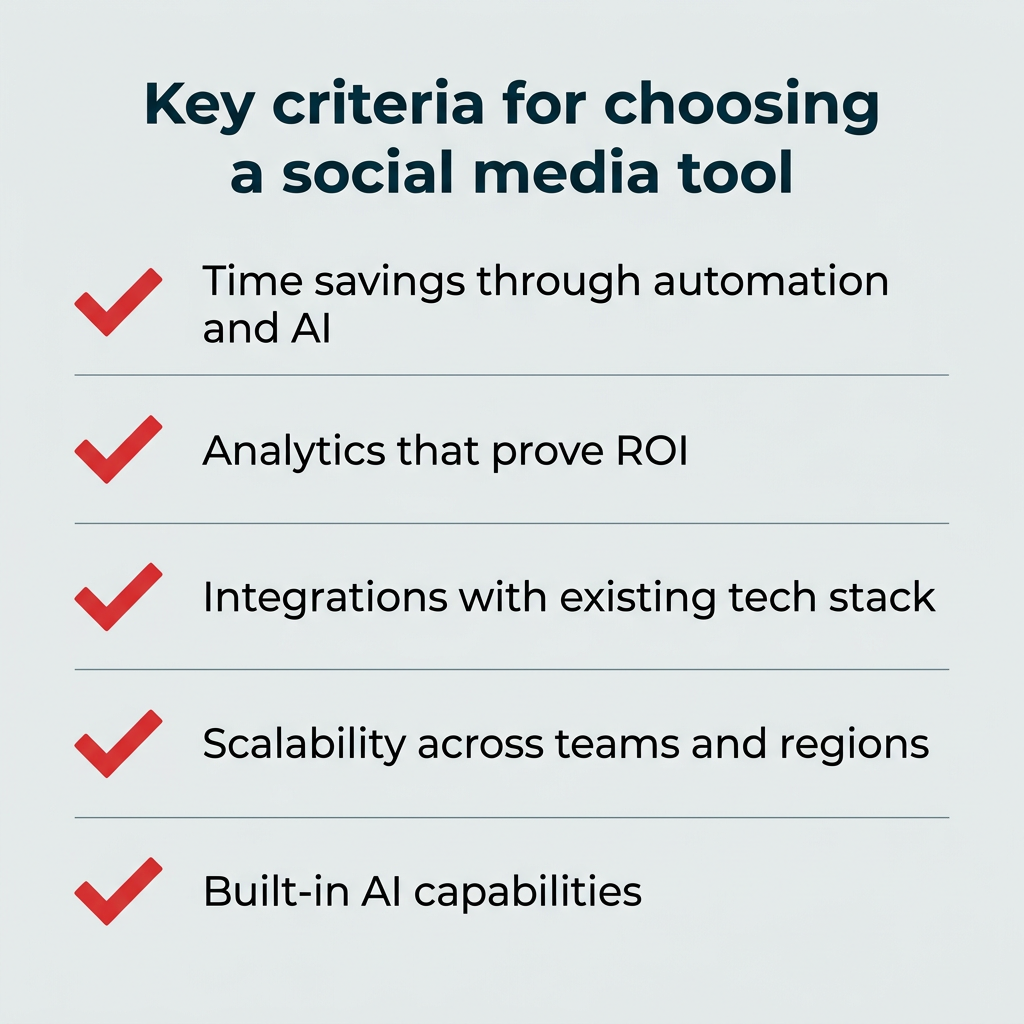
- Time Efficiency: Can the tool eliminate manual switching between apps through features like bulk scheduling and unified dashboards?
- ROI Attribution: Does the tool provide in-depth analytics that connect social activity to tangible revenue or business goals?
- Tech Stack Integration: Does it sync with your CRM (e.g., Salesforce or HubSpot), BI platforms, or digital asset management (DAM) systems?
- Scalability and Governance: For large organizations, are there role-based permissions, multi-brand dashboards, and compliance controls?
- Built-in AI Capabilities: Does the AI sit within your workflow, providing cited, grounded answers, or is it a separate, siloed chatbot?
- Reputation Protection: Can the tool proactively alert your team to sentiment shifts or potential crises?
Deep Dive: Top-Tier Platforms for 2026
1. Hootsuite Social OS: The All-in-One Powerhouse
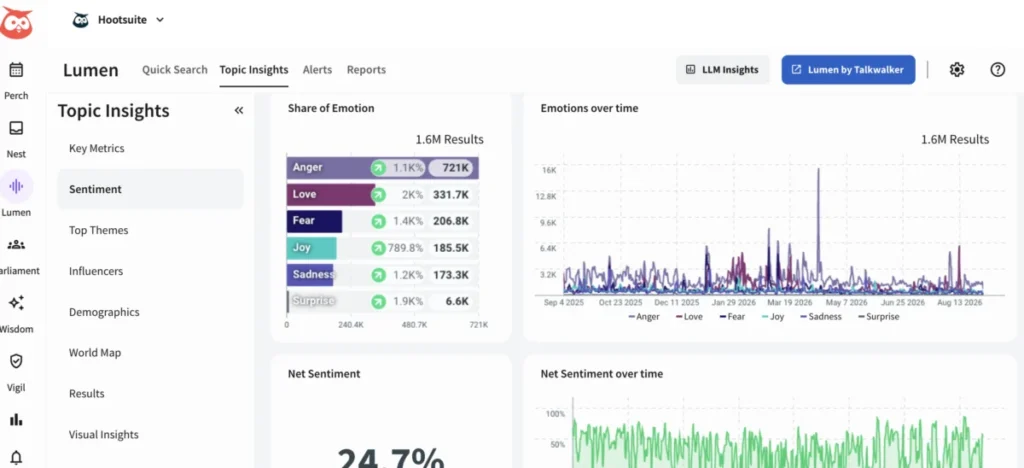
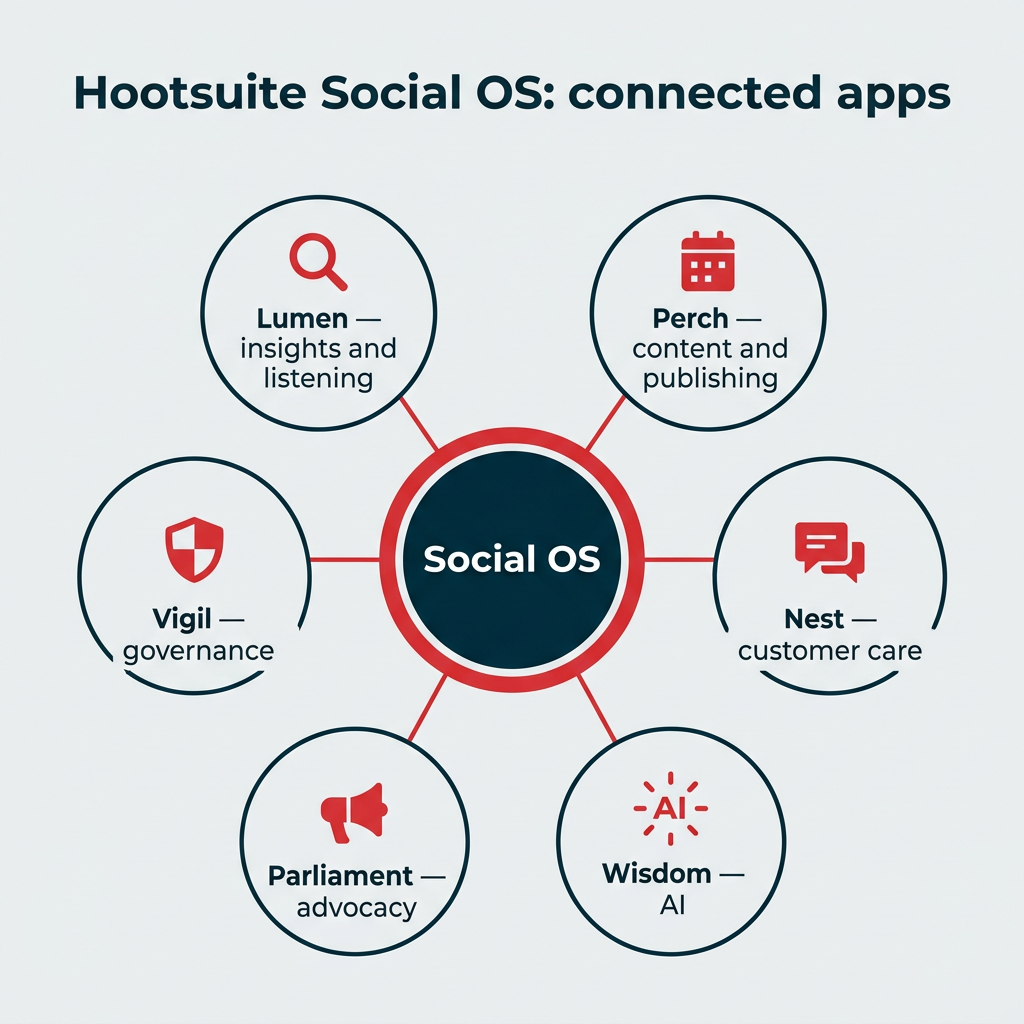
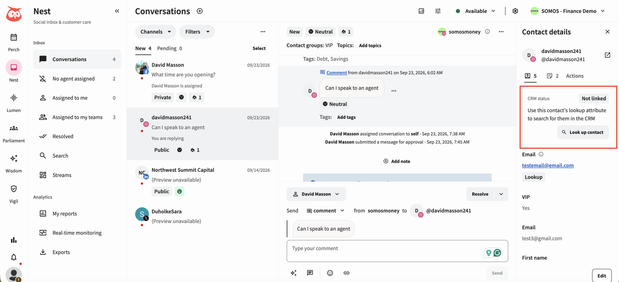
Hootsuite remains a leader by positioning itself as a "social operating system." Its architecture is built around connected apps (Lumen, Nest, Perch, and Wisdom), which ensure that publishing, listening, customer care, and AI analysis all draw from the same data set.
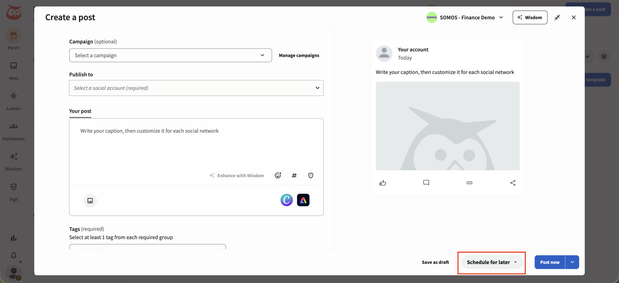
- Standout Features: The ability to pull branded assets from Canva directly into the composer, and the "Wisdom" AI layer that provides cited answers grounded in live social data.
- Best For: Marketing teams that need to manage multiple brands and complex global workflows from a single, unified source of truth.
2. HubSpot: The CRM-Integrated Solution
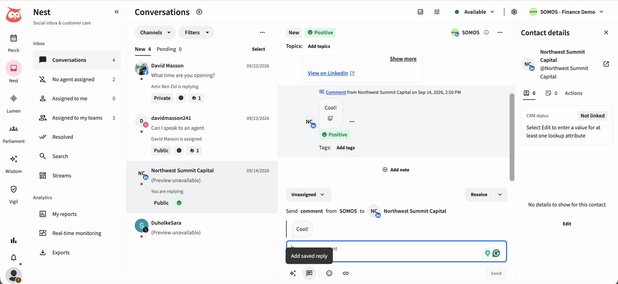
For B2B companies, social media is only as valuable as the lead data it generates. HubSpot’s unique value proposition is the ability to tie social interactions directly to contact records within the CRM. If a lead engages with a post and later fills out a landing page form, the sales team has a complete, unified timeline of that journey.
- Best For: Organizations with long sales cycles where social engagement serves as a key touchpoint in the broader customer journey.
3. NetBase Quid: The Intelligence Specialist
When the goal shifts from simple posting to high-level market research, NetBase Quid is the industry standard. It monitors consumer sentiment not just on social media, but across news, forums, and even patent databases.
- Best For: Midsize to large corporations that require consumer intelligence to influence high-level business strategy and crisis management.
4. Creative and Workflow Tools: Canva, Adobe Stock, and Monday.com
The democratization of design has been fueled by tools like Canva, which offers AI-powered image generation and templating, and Adobe Stock, which integrates high-resolution assets directly into the Creative Cloud workflow.

On the operational side, Monday.com and Airtable have become essential for cross-functional collaboration. By allowing teams to manage content calendars, approval boards, and campaign timelines in a flexible, database-like environment, these tools eliminate the "spreadsheet fatigue" that often plagues growing marketing departments.
The Role of AI: From Novelty to Infrastructure
The shift toward AI in 2026 is profound. No longer a "nice-to-have," AI is now the infrastructure that allows teams to scale. Wisdom by Hootsuite exemplifies this, moving away from generic chatbots to an AI layer that analyzes a brand’s own historical data to provide actionable advice.

Similarly, Lately AI has revolutionized the repurposing of content. By taking long-form assets—blogs, podcasts, or webinars—and automatically generating dozens of social posts optimized for engagement, it solves the "blank page" syndrome that consumes so much of a social media manager’s time.

Implications for Future-Proofing
As we look toward the remainder of 2026 and beyond, the most successful teams will be those that prioritize consolidation. "Tool sprawl"—the accumulation of dozens of disparate, disconnected apps—is the enemy of efficiency.

Enterprise teams are increasingly demanding "governed AI." They need assurance that their AI assistants are compliant with brand guidelines and regulatory requirements. Tools that provide audit trails and role-based permissions are becoming the standard for regulated industries like finance and healthcare.

Conclusion: How to Build Your Stack
For the solo marketer, a free tier of a design tool (Canva), a basic scheduler, and a free CRM (HubSpot) may suffice. However, as complexity grows, the transition to a paid, all-in-one management platform becomes inevitable.
The "Big 4" platforms—Hootsuite, Sprout Social, Buffer, and HubSpot—continue to define the landscape, but the choice should ultimately be driven by your specific needs for governance, integration, and reporting.

To thrive in the competitive environment of 2026, focus on building a tech stack that works as a unified ecosystem. When your analytics, publishing, and AI-driven insights speak the same language, your team spends less time managing tools and more time driving the creative strategy that moves the needle.

Quick Comparison Table
| Tool | Category | Best For | Standout Feature |
|---|---|---|---|
| Hootsuite | All-in-one | Teams managing multiple brands | Connected ecosystem of apps |
| HubSpot | All-in-one + CRM | B2B lead generation | Social data tied to CRM records |
| NetBase Quid | Analytics/Listening | Enterprise Market Intel | Consumer sentiment/Brand health |
| Canva | Content/Design | Non-designers | Magic Studio AI design tools |
| Monday.com | Workflow | Campaign planning | Customizable visual boards |
| Lately AI | AI Content | Repurposing long-form | Auto-captioning from video/audio |
By integrating these technologies thoughtfully, modern marketers can transform their social media presence from a manual task into a strategic, data-backed engine for business growth.
