
The Half-Time Report: Evaluating the "Martech 2030" Vision at the Start of 2026
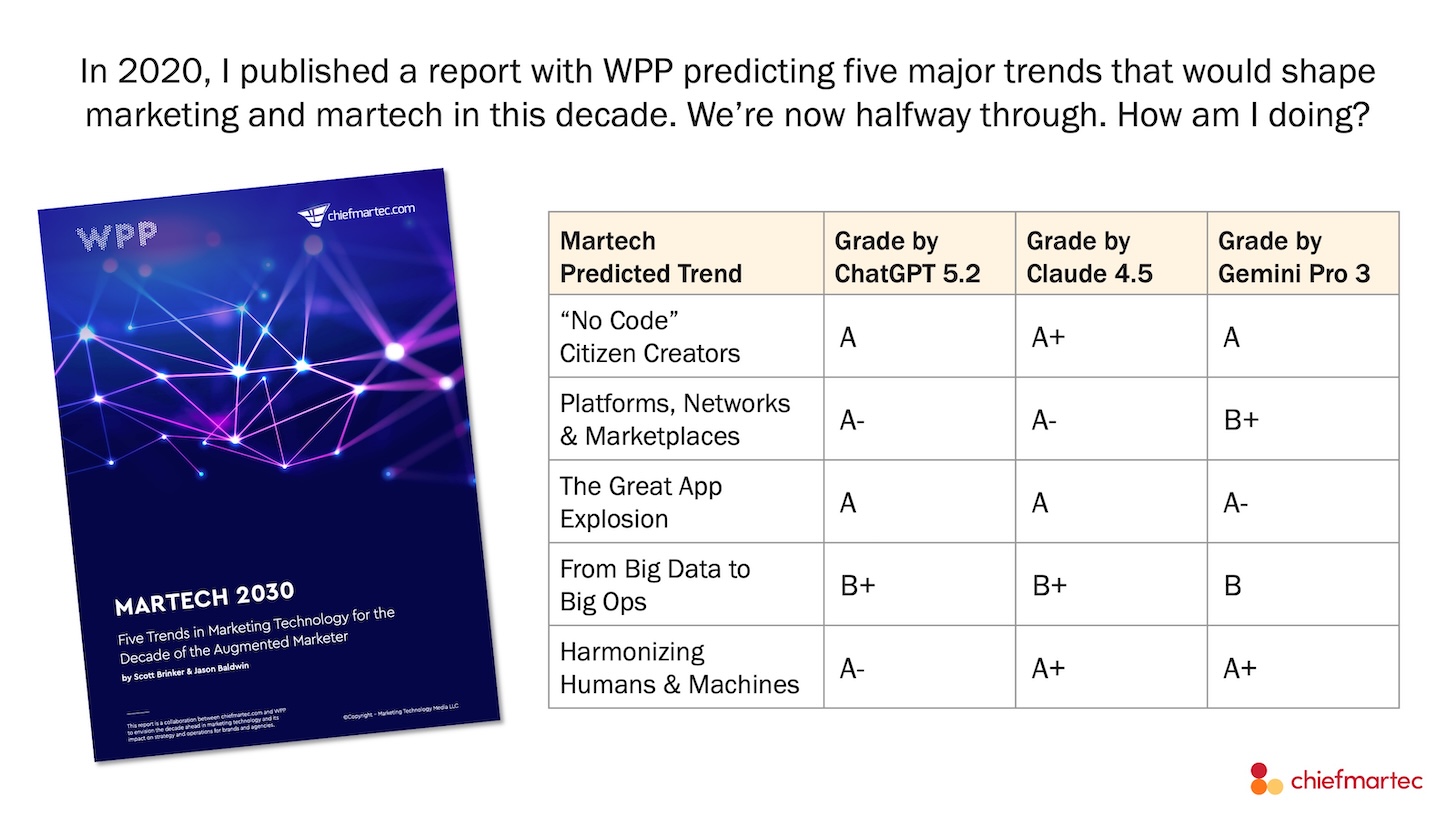
As the calendar turns to 2026, the marketing technology landscape finds itself at a pivotal "halftime" mark. Five years ago, industry analysts Jason Baldwin and Scott Brinker released their seminal report, Martech 2030, which outlined a bold, five-pillar vision for the "Decade of the Augmented Marketer."
With half a decade of data now behind us, the industry is not merely checking off boxes; it is witnessing a profound structural shift in how marketing is conceived, executed, and scaled. In an era where generative AI has accelerated development cycles beyond initial expectations, these original predictions have transitioned from speculative theory to the bedrock of modern operations.
The Core Thesis: A Retrospective on 2030
The Martech 2030 report was predicated on the belief that the convergence of human intuition and machine intelligence would redefine the professional boundaries of marketing. By soliciting grading from leading AI models—ChatGPT, Claude, and Gemini—the authors have invited a critical dialogue on whether their projections have hit the mark. The consensus from both the machines and the market participants is clear: while the terminology has shifted—from "no-code" to "vibe coding" and from "bot commerce" to "agentic commerce"—the fundamental arc of the industry remains remarkably accurate.
Chronology of Disruption: From 2021 to 2026
The progression of the last five years was far from linear. The timeline can be categorized into three distinct phases:
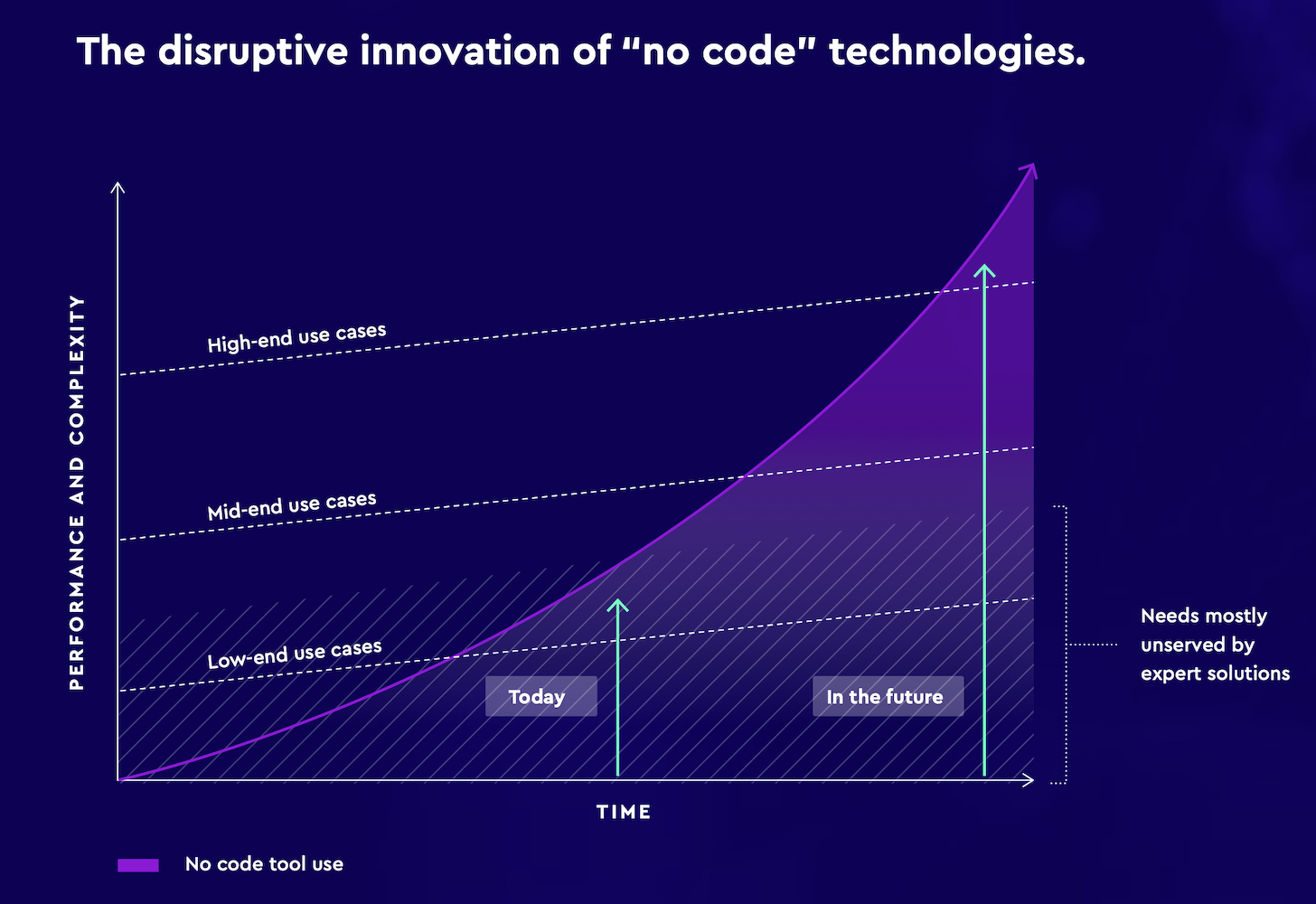
- The Foundation Era (2021–2022): The industry focused on the maturation of no-code platforms like Airtable, Zapier, and Webflow. This period solidified the "citizen creator" archetype, empowering marketers to bypass traditional IT bottlenecks.
- The Generative Inflection (Late 2022–2024): The sudden explosion of Large Language Models (LLMs) fundamentally altered the utility of no-code tools. What was once a drag-and-drop interface evolved into a linguistic interface, where intent—expressed through natural language—became the primary driver of digital asset creation.
- The Agentic Integration (2025–Present): We are currently in the era of "vibe coding," where platforms like Bolt, Replit, and Vercel allow non-technical marketers to deploy autonomous agents and custom applications. This period has been defined by the decentralization of innovation, spurred by centralized platform governance.
Supporting Data: The Proliferation of the Martech Stack
Perhaps the most striking evidence of the report’s accuracy is the sheer scale of the Martech landscape. In 2020, the industry marveled at a map containing 8,000 solutions. Many predicted "peak martech" had been reached. Yet, as of 2025, that number has surged to 15,384 commercial solutions.
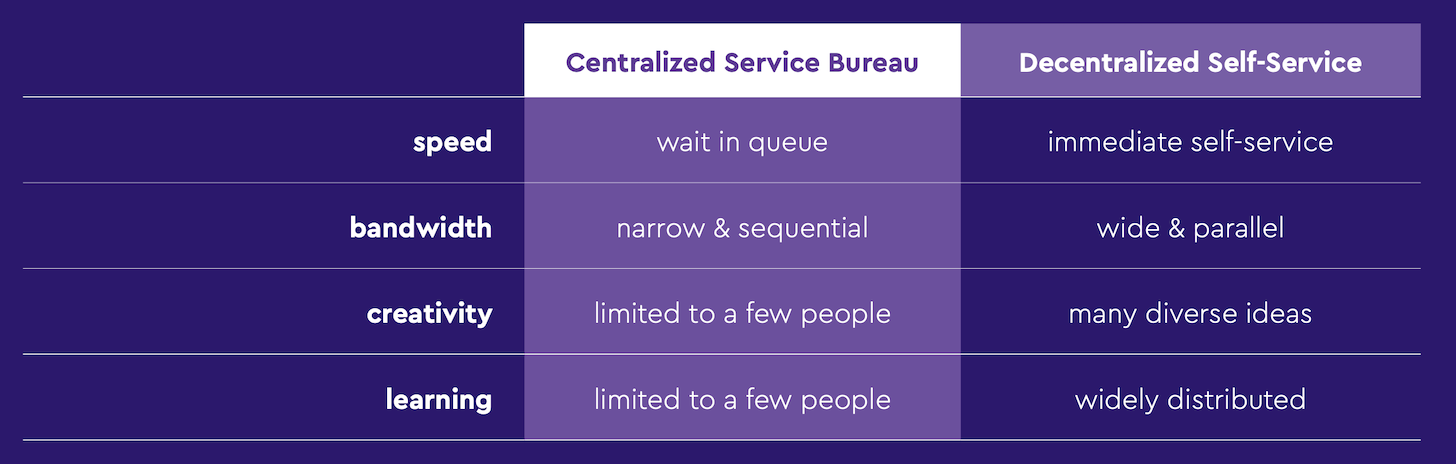
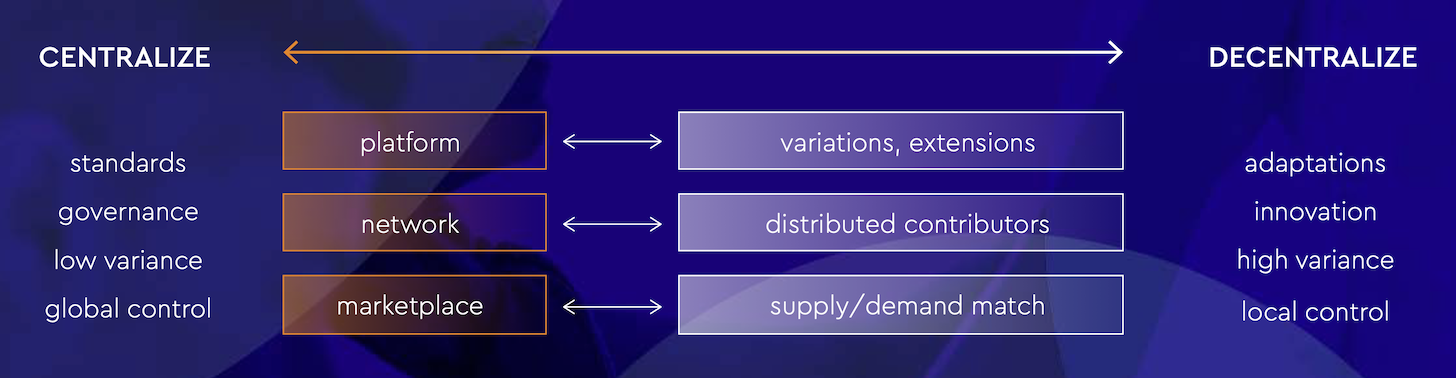
This proliferation is not a sign of a bloated market, but rather a reflection of the "hypertail." As major cloud hyperscalers (AWS, Google Cloud, Microsoft) provided the infrastructure, thousands of specialized, vertical-specific, and ecosystem-integrated apps emerged. This "centralize-to-decentralize" model—where core infrastructure is centralized to allow for decentralized application building—has become the standard architectural philosophy for enterprise-grade martech.
The Five Pillars of Martech 2030
1. The Rise of "No Code" and Vibe Coding
The "marketing maker" is now a permanent fixture in the modern enterprise. By leveraging AI assistants to act as universal no-code platforms, teams have realized exponential gains in speed and creative bandwidth. The barrier to entry for building apps, workflows, and data analyses has effectively vanished, replaced by the requirement to master the "programming language of English."
2. Platforms, Networks, and Marketplaces
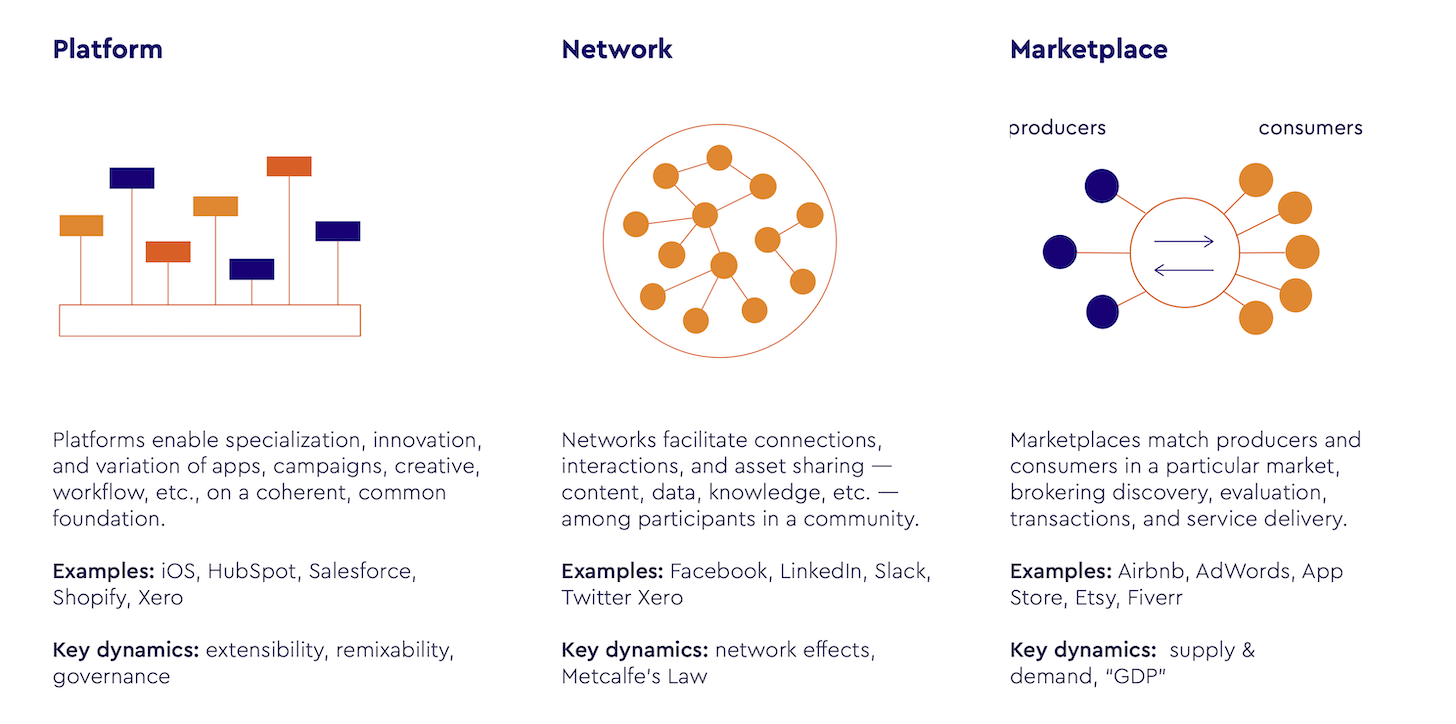
The traditional "suite vs. best-of-breed" debate has been rendered obsolete. In its place, platform ecosystems have risen. Universal data layers, led by companies like Databricks and Snowflake, have become the connective tissue of the modern stack. Furthermore, marketplaces operated by hyperscalers have become a primary sales channel, transacting an estimated $45 billion in annual enterprise software sales, forcing even the largest incumbents to adopt ecosystem-first strategies.
3. The Great App Explosion (and the Hypertail)
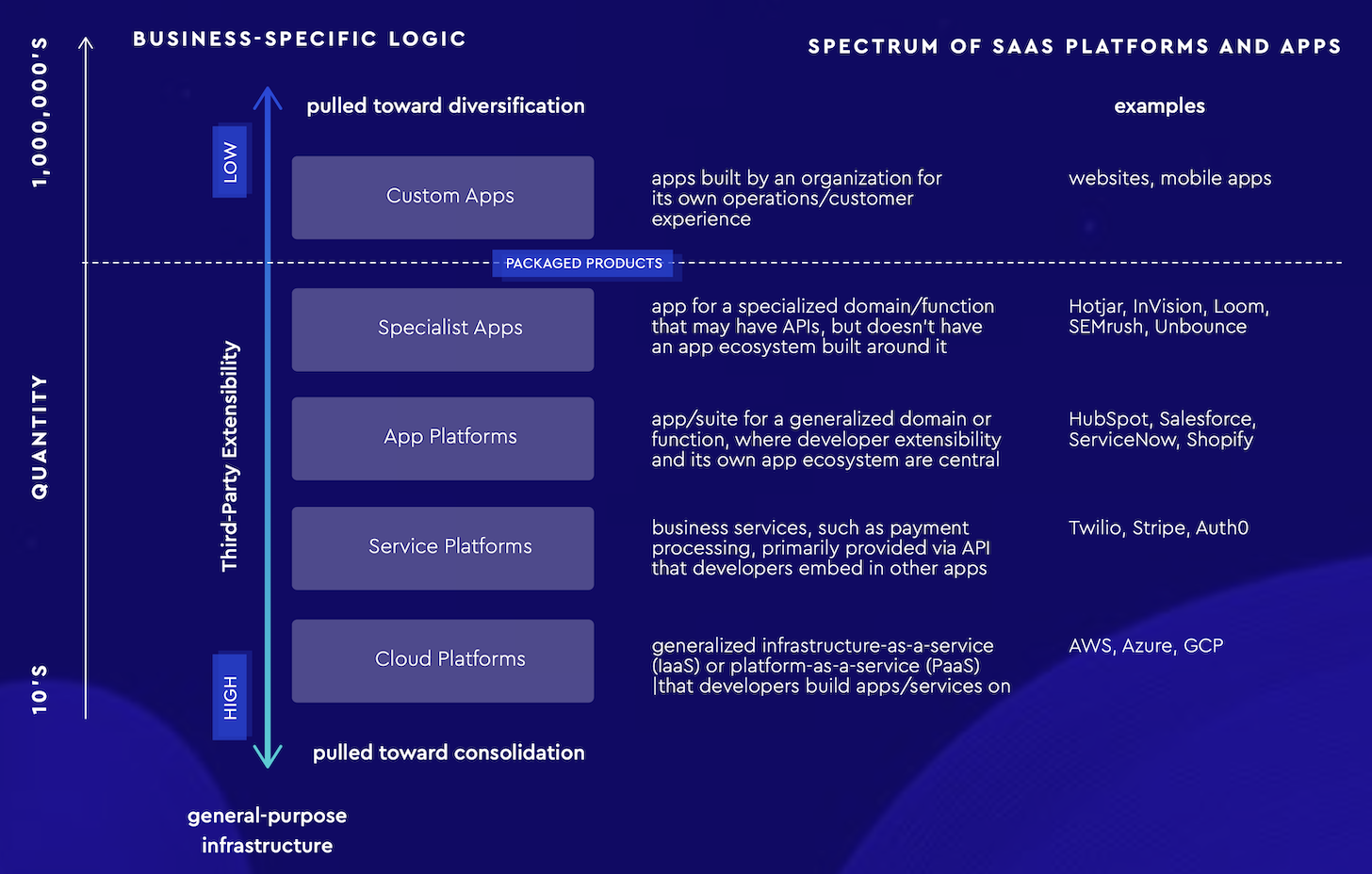
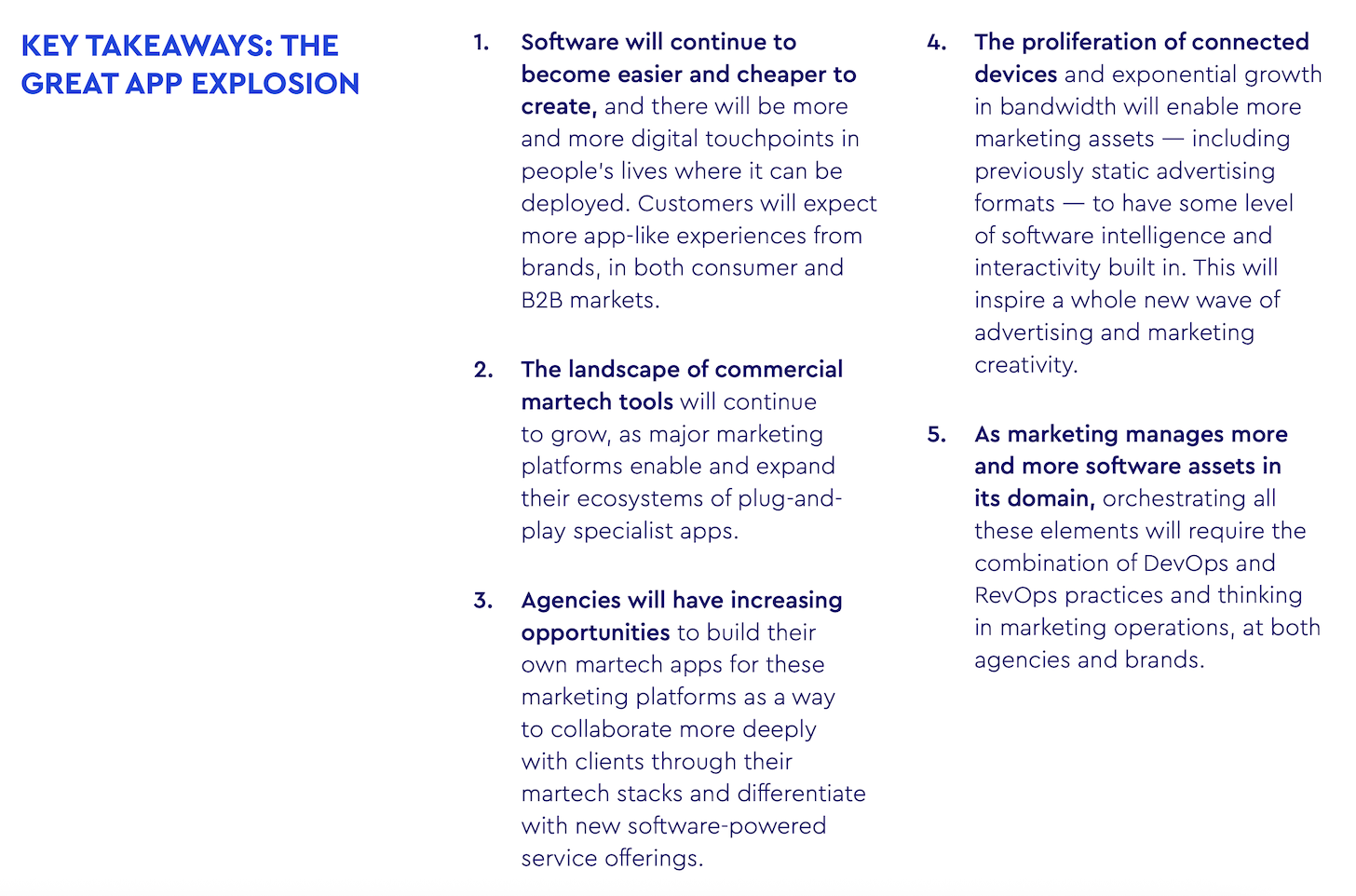
While commercial martech solutions have nearly doubled, the true explosion is happening in the "hypertail"—the custom-built, organization-specific apps that never appear on public landscape maps. These proprietary tools, tailored to the unique operational DNA of an enterprise, are the primary driver of competitive advantage in the current market.
4. Big Ops: Taming the Chaos
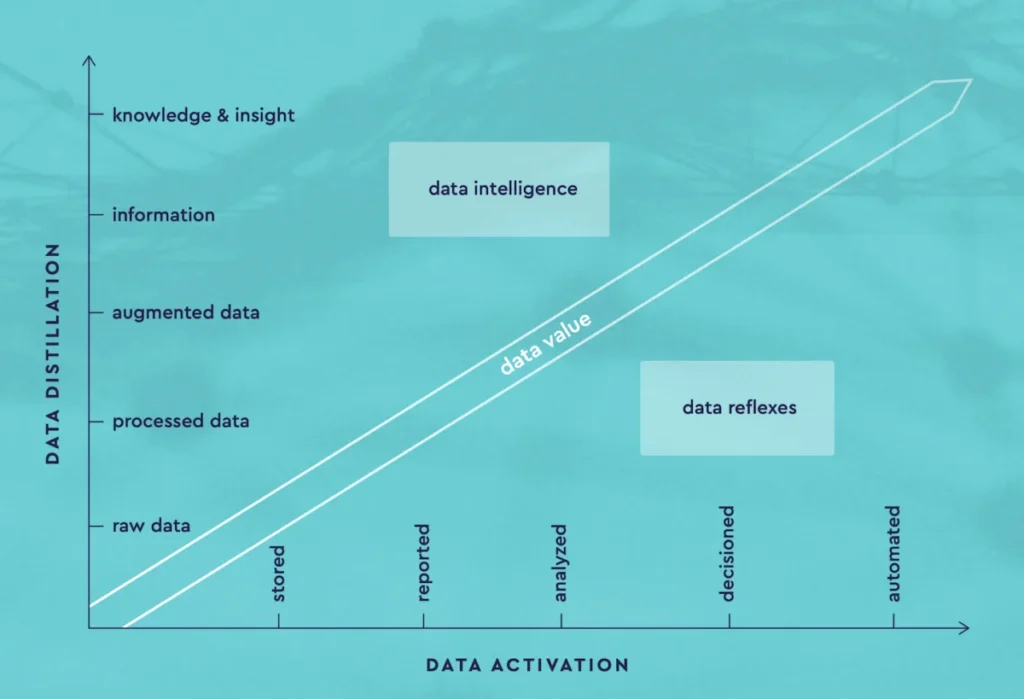
If the 2010s were about "Big Data," the 2020s are undeniably the decade of "Big Ops." As organizations deploy thousands of parallel apps and agents, the challenge shifts from data collection to data orchestration. "Decisioning" has become the primary platform battleground. The goal is no longer just to collect data, but to achieve "data reflexivity"—the ability to convert raw data into active, automated, and intelligent marketing outcomes.
5. Harmonizing Humans and Machines
The vision of the "Augmented Marketer" has moved from the conceptual to the tactical. The emergence of "Buyer-Side Agents"—where customer-facing bots interact with company-facing bots—has shifted the focus from traditional Search Engine Optimization (SEO) to AI Engine Optimization (AEO). This marks a fundamental change in the commerce dynamic, where machine-to-machine negotiation is increasingly the first step in the customer journey.
Official Perspectives and Industry Implications
Industry experts and the authors of the report concede that while the "what" of their predictions has been validated, the "how" remains a work in progress. Specifically, governance remains the industry’s "Achilles’ heel."
While citizen creators are empowered to build, the maturity of guardrails—balancing agility with brand consistency and compliance—has not kept pace with the rate of innovation. This tension between freedom and control is the defining challenge for the remainder of the decade.
For the modern marketer, the implications are profound:
- Skillset Re-alignment: Technical mastery is being superseded by prompt engineering and systems thinking.
- Operational Shifts: Organizations must move from linear go-to-market strategies to ecosystem-based, platform-centric models.
- The Orchestration Mandate: Investing in the "Big Ops" layer is no longer optional; it is the prerequisite for managing the complexity of an agentic workforce.
Conclusion: The Path to 2030
As we look toward the final half of the decade, the pace of technological adoption is clearly quickening. Amara’s Law—which posits that we overestimate the short-term impact of technology while underestimating the long-term effects—serves as a reminder that we are only just beginning to see the true potential of these shifts.
The Martech 2030 report was designed as a long-term architectural guide for a rapidly changing world. With five years of successful, albeit chaotic, implementation behind us, the industry is now positioned to move beyond experimentation. The next five years will not be about whether AI or no-code works; they will be about who can orchestrate these tools into a sustainable, scalable engine for growth. The popcorn is ready, the systems are in place, and the final half of the decade promises to be the most transformative yet.
