
The End of the NPS Era: Rethinking B2B SaaS Review Strategy in the Age of AI
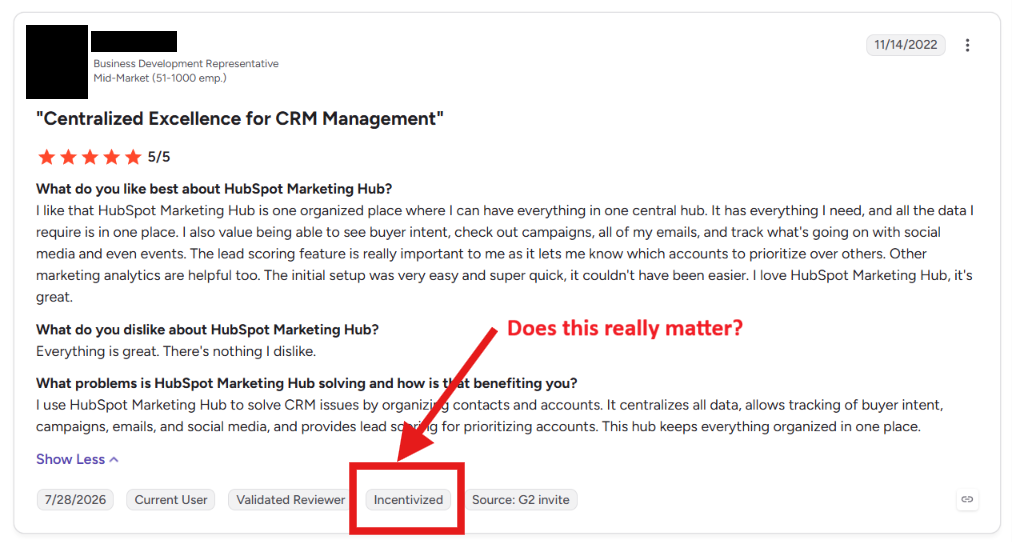
For over a decade, the playbook for B2B SaaS growth has been remarkably consistent: trigger an automated Net Promoter Score (NPS) survey, identify your most enthusiastic "promoters," and incentivize them with gift cards to leave a glowing five-star review on platforms like G2 or Capterra. This "review generation" industrial complex turned social proof into a predictable, scalable marketing tactic.
However, the rapid adoption of Large Language Models (LLMs) and AI-driven search has fundamentally broken this model. As buyers shift their research habits from manual browsing to AI-augmented interrogation, the industry is waking up to a stark reality: the old approach to review generation is no longer just ineffective—it is actively damaging brand credibility.
The Shift: From Destination Sites to AI Intermediaries
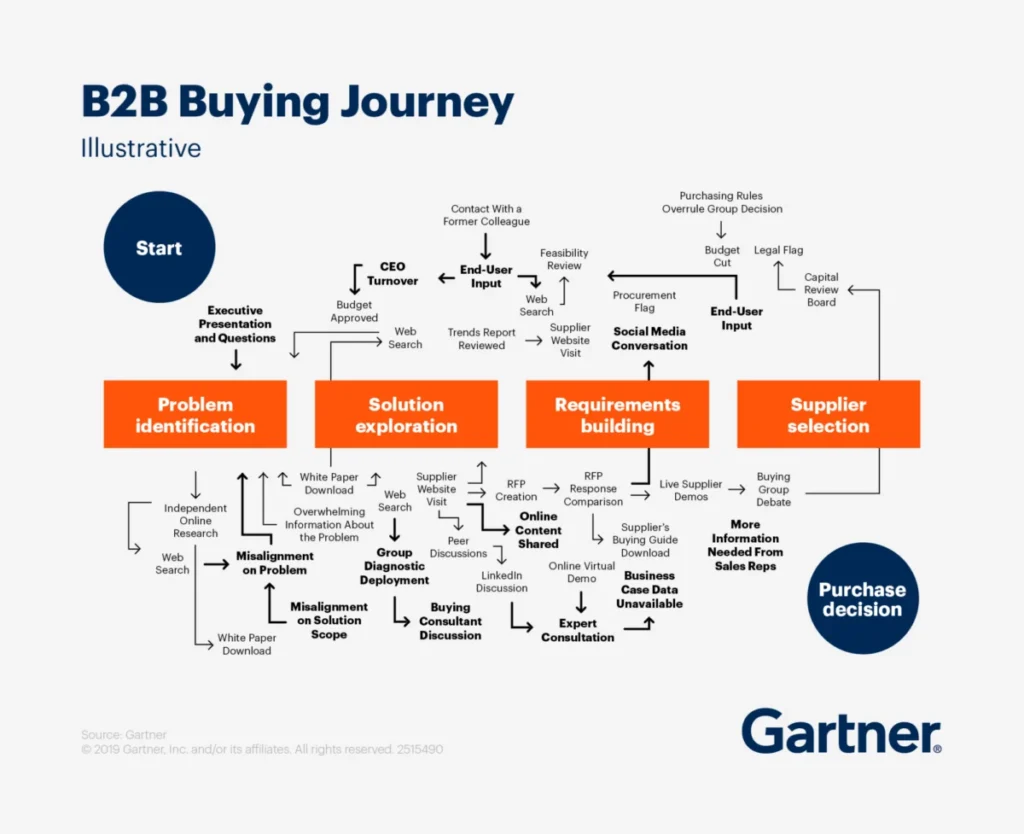
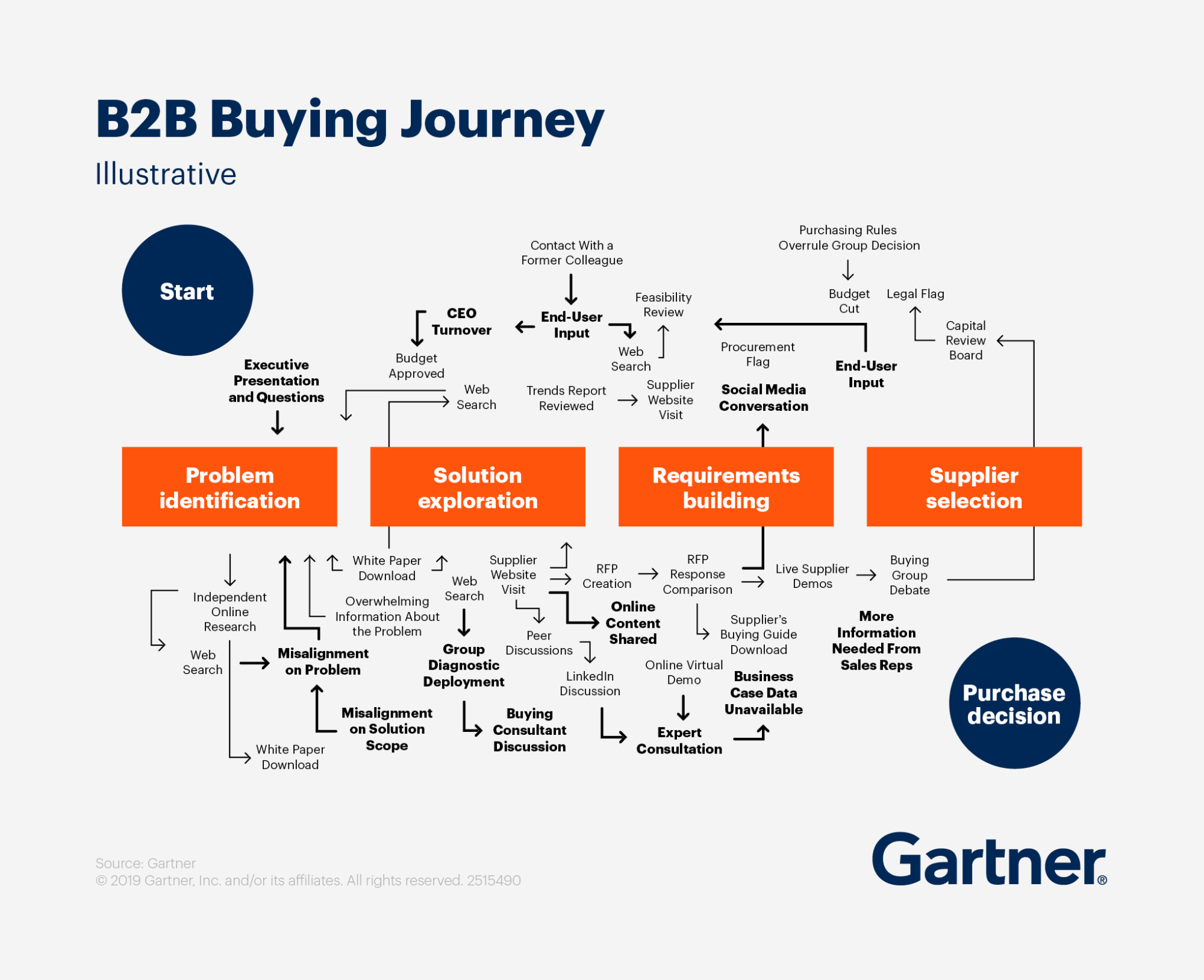
The traditional B2B buying journey was built on the assumption that buyers would visit review platforms directly, compare star ratings, and read a selection of testimonials. Today, that linear path has vanished. According to a 2026 study by Forrester involving 18,000 buyers, 94% now utilize AI in their research process.
Buyers are no longer just looking at a star rating; they are using tools like ChatGPT, Claude, and Perplexity to ask nuanced questions: "What are the limitations of [Product X] when scaling to 5,000 users?" or "How does [Product Y] compare to its competitors in terms of onboarding complexity?"
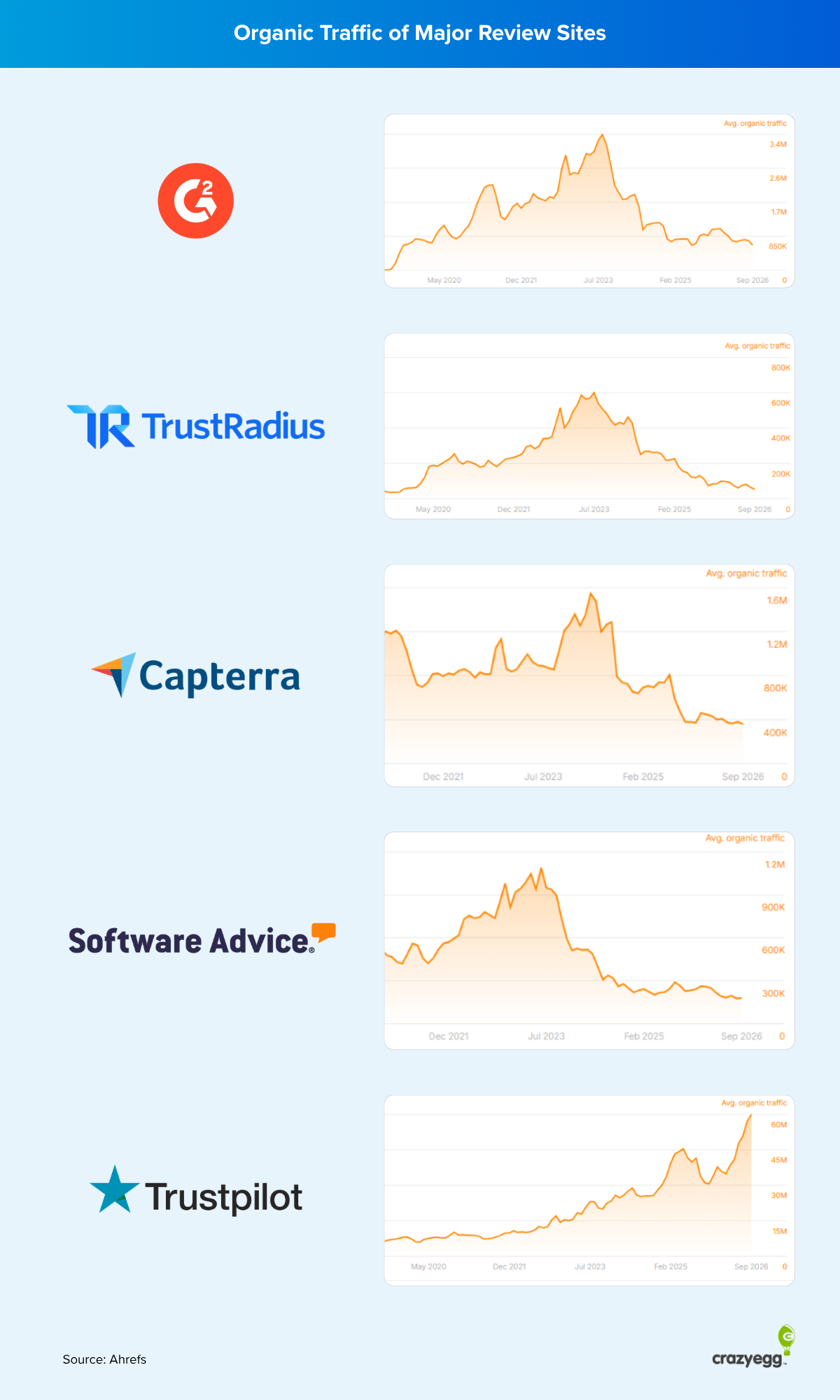
In this environment, traffic to traditional review sites has seen a marked decline. Ahrefs data indicates that organic traffic for major hubs like G2, Capterra, and Software Advice peaked around 2023 and has since trended downward. Yet, these platforms remain vital—not as destinations, but as "data silos" that feed the training sets and grounding mechanisms for the AI agents that now dictate the buyer’s shortlist.
Chronology: The Evolution of Social Proof
- 2010–2018 (The Growth Era): SaaS startups prioritized review volume to gain visibility on directories. Incentivization became standard practice, leading to a "pay-to-play" perception among skeptical buyers.
- 2019–2022 (The Optimization Era): Companies began using advanced review management platforms to automate the request process, timing prompts perfectly after product milestones or successful renewals.
- 2023–2025 (The AI Inflection): The mainstream rise of LLMs changed how information is consumed. Buyers stopped searching "best software" and started asking "does this software solve my specific problem?"
- 2026–Present (The Truth Era): AI-powered synthesis allows for massive "triangulation." If a vendor’s reviews are too curated, AI models detect the lack of depth or the absence of negative feedback, leading to lower trust scores in generated responses.
Supporting Data: Why Volume No Longer Wins
The reliance on "promoter-only" reviews has created an echo chamber. When AI models crawl the web, they look for consensus. If 100 reviews all say "Great tool, 5 stars!" without detail, the AI treats the data as low-value. Conversely, detailed, balanced reviews that highlight specific use cases—including minor shortcomings—are given higher weight by LLM algorithms because they contain "high-entropy" data that feels more authentic.
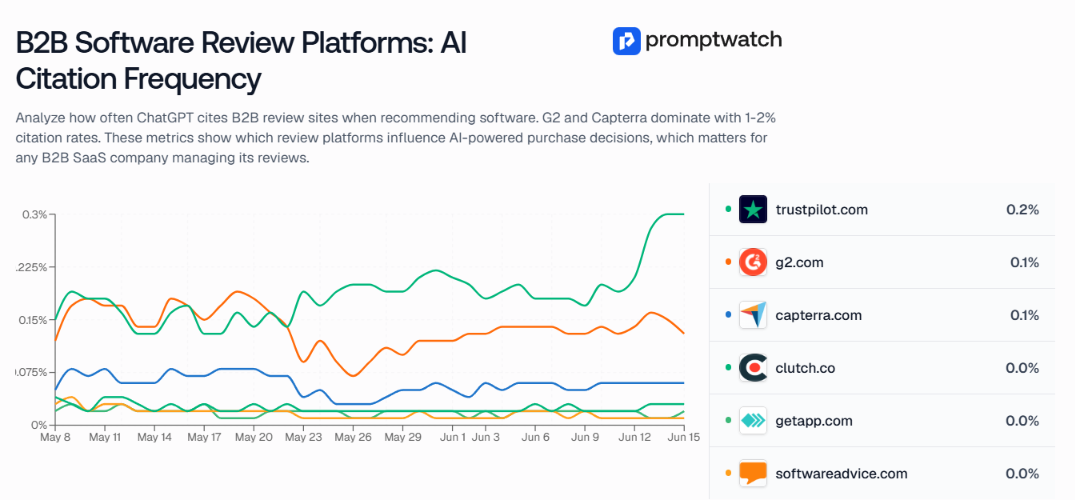
According to data from PromptWatch, review platforms like G2 and Trustpilot are among the most cited sources in AI-generated answers for B2B queries. The challenge for SaaS vendors is that the AI does not simply "read" the rating; it synthesizes the sentiment. If a vendor’s profile lacks mentions of enterprise-grade security, integration depth, or specific vertical use cases, the AI will likely ignore the product when a buyer asks for those specific requirements, regardless of the star rating.
Expert Perspectives: A New Mandate for Transparency
To navigate this landscape, industry leaders suggest a radical departure from the "NPS-only" strategy.
Russell Rothstein, CEO of PeerSpot, argues that the future belongs to deep, qualitative insights. "Soliciting reviews only from ‘promoters’ with high NPS scores creates a sanitized, unrealistic picture of the software," Rothstein says. "Transparency is the best way to build trust with software buyers."
Axel Lavergne, founder of Reviewflowz, echoes this sentiment, characterizing the old method as "lazy." Lavergne points out that B2B buyers rarely use reviews to "shame" a company. Instead, they want to know if the product fits their specific infrastructure. "I personally read bad reviews only," Lavergne notes. "That tells me what the problems are, and I can then decide if I can live with them."
Branca Ballot, a veteran B2B SaaS consultant, advises a more measured approach to expansion. "Don’t spread yourself too thin," she warns. "Get one review site going well, and then expand. Many companies try to do all at the same time, and it doesn’t work."
Strategic Implications: How to Modernize
For SaaS leaders looking to future-proof their review strategy, the goal is no longer "volume at all costs." It is to curate a library of evidence that can withstand AI interrogation.
1. Broaden the Scope of Solicitation
Move beyond NPS promoters. By asking all users—including those with neutral or mixed experiences—for feedback, you generate a wider cross-section of data. This allows AI models to understand your product’s performance across various verticals and use cases, which is critical for ranking well in AI-driven search results.
2. Prioritize Detail Over Star Ratings
When reaching out to users, pivot the messaging. Instead of asking for a "five-star review," ask for "specific feedback on how you used our tool to solve [Problem X]." Encourage reviewers to discuss trade-offs. A review that says, "This tool is great for X, but I wish it did Y better," is actually more valuable to an AI agent than a glowing, generic review.
3. Align Owned Assets with External Sentiment
LLMs rely on grounding—the process of cross-referencing your website with third-party reviews. If your marketing site claims you have "enterprise-grade security," but your reviews never mention security, the AI may express doubt. Ensure that your case studies, help center documentation, and product pages align with the themes emerging in your customer reviews.

4. Diversify Platform Presence
While G2 remains a giant, the rise of cloud marketplaces (AWS, Google Cloud) as purchasing channels means that reviews hosted on these platforms are becoming increasingly influential. As Russell Rothstein points out, these marketplaces account for trillions in sales, and their review data is becoming a primary source for enterprise buyers.
5. Shift Incentivization Models
If you must offer incentives, be clear that they are for the user’s time, not for a positive rating. Use time-based campaigns or charitable donations to remove the "pay-to-play" bias that often flags content as untrustworthy to both human readers and AI filters.
Conclusion: The Era of Authenticity
The "review generation" model of the last decade was predicated on the idea that you could manufacture social proof. In the era of AI, you can no longer manufacture it—you must earn it through consistency, depth, and honesty.

By building a body of customer evidence that reflects the full reality of your product, you ensure that when a buyer turns to an AI to help them build their shortlist, your brand is not just present, but validated. The companies that stop chasing star ratings and start chasing, documenting, and highlighting the nuances of their customer experiences will be the ones that win in the next phase of the digital economy.
