
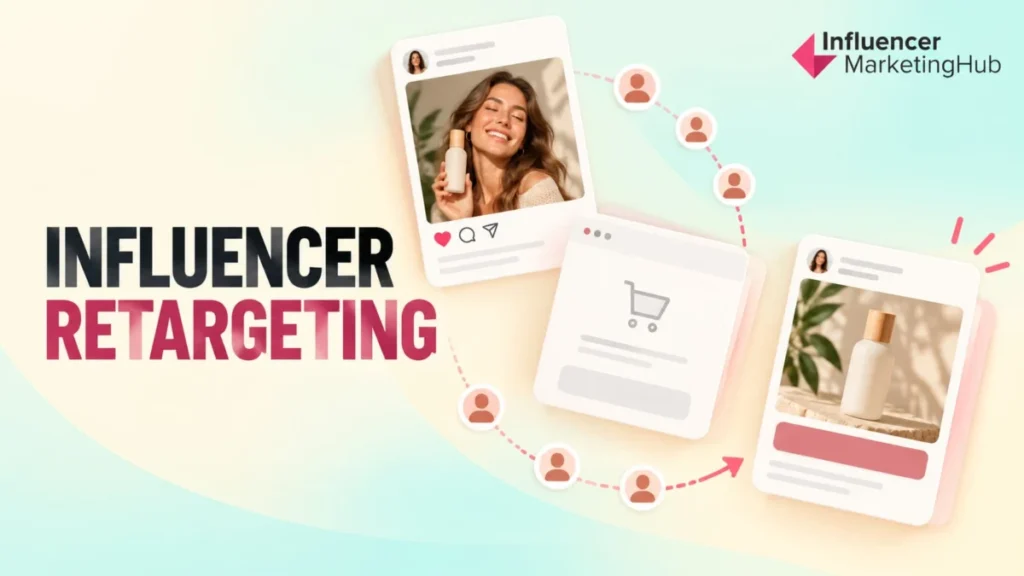
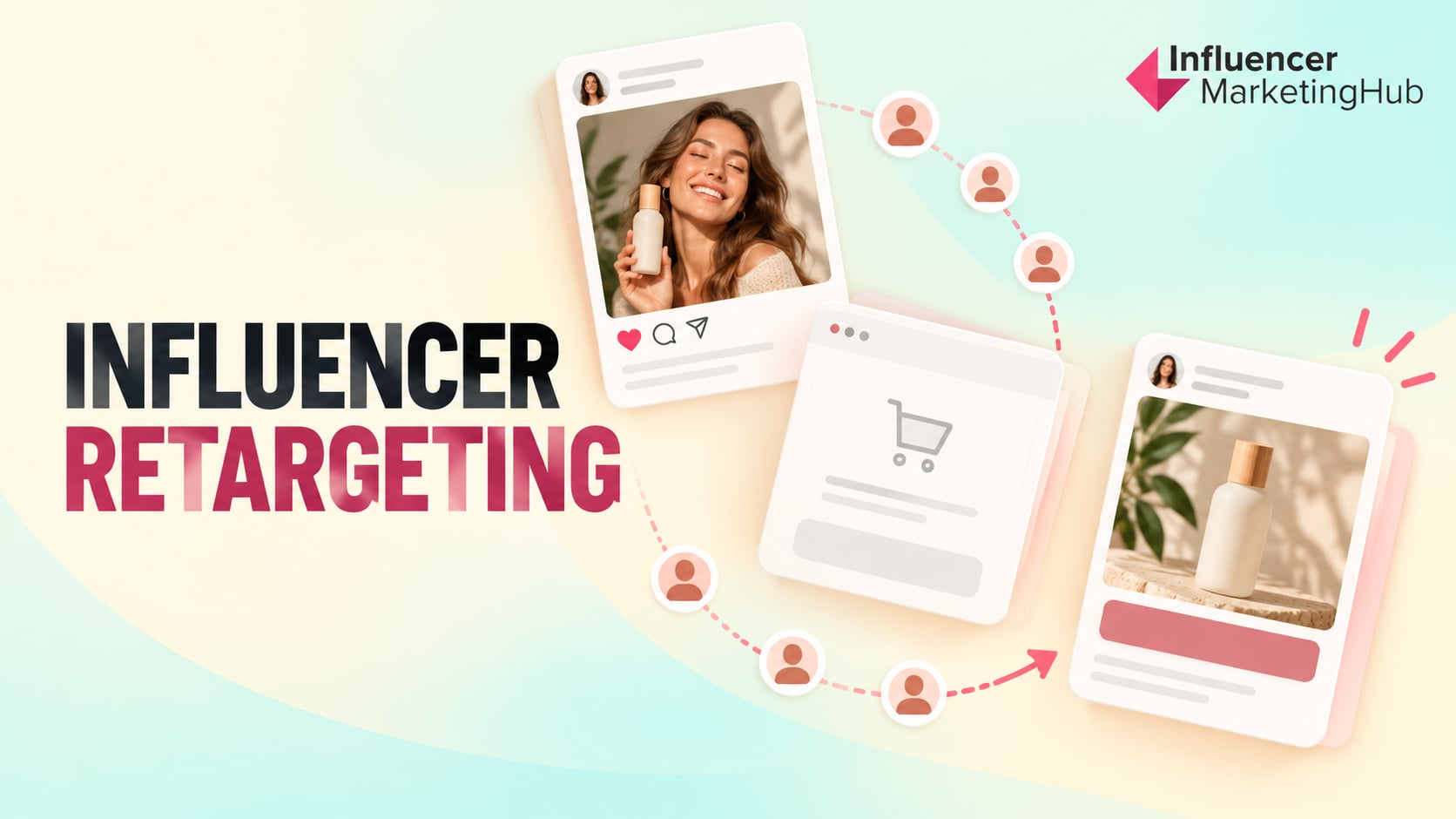
The 99% Problem: Why Influencer Traffic Bounces and How to Capture It
Influencer marketing is the gold standard for rapid brand awareness. A single creator posts a video, the comments section ignites, site traffic spikes, and a handful of immediate sales roll in. It feels like a triumph of modern digital strategy. However, once the excitement settles and the analytics dashboard is refreshed, a sobering reality emerges: the vast majority of that "high-intent" traffic has vanished.
Industry benchmarks from platforms like Shopify indicate that 97% to 99% of users referred by creators or blogs exit a brand’s landing page without completing a transaction. With direct conversion rates for this segment consistently hovering between 1% and 3%, performance marketers are left with a massive, untapped pool of "warm" leads. Ignoring these visitors is effectively burning marketing budget. These are not cold prospects; they are individuals who have already cleared the awareness barrier, trusted a creator’s recommendation, and evaluated your offer. To optimize modern acquisition costs, businesses must pivot from simple "drive-and-pray" strategies to sophisticated, structured remarketing engines.
The Anatomy of a Creator-Driven Drop-Off
To fix a leaking funnel, one must first understand the psychology of social media browsing. Users on TikTok or Instagram are rarely in a "buying mode." They are browsing for entertainment, relaxation, or discovery. When a creator’s endorsement sparks interest, the user experiences a jarring "context switch"—leaving their feed to enter a commercial environment.
The Friction Barrier
The transition from a curated social feed to a brand landing page is fraught with friction. If a page takes more than three seconds to load, or if it presents a complex, multi-field checkout form on a mobile device, the user will instinctively retreat to their feed. In this environment, conversion velocity is everything.
Research from HubSpot confirms that digital retention drops sharply after initial exposure. A follower may genuinely love a product, but if they are viewing the site while commuting or multitasking, the intent to purchase is easily eclipsed by a new notification. Without a mechanism to capture that interest immediately or re-engage them later, that potential customer is lost to the endless scroll.
The Misalignment Gap
A subtle but devastating issue is "messaging misalignment." If a creator praises a product for its sleek aesthetic, but the landing page hero text leads with technical specifications or bulk pricing, the disconnect is immediate. Visitors today have high expectations for consistency. If they detect even a minor gap between the creator’s endorsement and the actual site experience, they lose trust and exit, rarely returning on their own initiative.
Establishing a Robust Tracking Infrastructure
Retargeting is only as effective as the data fueling it. Before allocating further budget to creator partnerships, brands must audit their tracking infrastructure. Basic pageview events are insufficient; marketers need granular data that measures intent.
Custom Event Tracking
A sophisticated setup should move beyond standard pixels to capture:
- ViewContent (Intent-Based): Fire this event only after a user has spent 10 seconds on a product page, signaling genuine interest rather than a accidental click.
- AddToCart Actions: Tag these separately to isolate "high-intent" shoppers for immediate recovery sequences.
- ScrollDepth: Capture visitors who engage with long-form content or product descriptions, even if they don’t click a button.
Cross-Device Deduplication
Modern consumer behavior is inherently multi-device. A user may discover a product via an influencer link on their mobile device during a morning commute, but prefer to complete the transaction on a laptop during their lunch break. If your tracking system fails to bridge this gap, you risk serving redundant mobile ads to someone who has already converted, thereby inflating your acquisition costs and irritating the customer.
Segmenting the Non-Converter: A Strategic Approach
Treating every bounced visitor as a monolith is a recipe for wasted ad spend. Instead, marketers must segment non-converters based on their behavior during that initial, fleeting visit.
1. Casual Bouncers (Low Intent)
These visitors spent less than 15 seconds on the page. They were curious, but not yet sold. The strategy here should be top-of-funnel: introduce the brand, highlight core values, and provide short, snackable video clips demonstrating the product’s practical utility. Avoid hard sells; focus on building brand equity.
2. Engaged Browsers (Medium Intent)
This segment spent significant time on the site—perhaps viewing multiple pages—but left without adding items to their cart. Their hesitation likely stems from a lack of "secondary validation." Provide them with social proof, including verified customer testimonials, detailed product comparisons, and press coverage to help them justify the purchase price.
3. Cart Abandoners (High Intent)
These shoppers were on the verge of buying. Something—perhaps an unexpected shipping cost or a distraction—stopped them. Retarget them with direct incentives: limited-time free shipping, a small discount code, or a "last chance" notification to nudge them across the finish line.
Multi-Channel Retargeting: Beyond the Feed
Relying on a single platform for retargeting leads to ad fatigue and diminishing returns. A successful strategy diversifies touchpoints across the digital landscape.
The Power of Whitelisting
Rather than running ads through a generic brand account, utilize "creator whitelisting." By running ads through the creator’s original social handle (often called "dark posts"), the advertisement feels like a personal recommendation rather than a cold corporate pitch. Data consistently shows that whitelisted ads outperform standard brand creative by significant margins.
Dynamic Retargeting
Use dynamic product ads (DPA) across Meta, TikTok, and Google Display to show users the exact items they previously viewed. This removes the "search friction"—when a user decides to buy, the product is already waiting for them in their ad feed.
Automated Recovery Loops
If a visitor provided contact information (email or SMS) before dropping off, trigger a sequence:
- Immediate (1 hour): A "Did you forget something?" reminder, focusing on the benefit of the product.
- Follow-up (24 hours): A social proof touchpoint, such as a customer review or a "frequently asked questions" snippet.
- Final (48 hours): A limited-time incentive to drive the final decision.
The 14-Day Creative Sequence
To keep campaigns fresh and minimize ad fatigue, rotate creative assets over a two-week window:
- Days 1–3 (The "Creator Vibe"): Maintain the visual language of the original post. Use the same creator’s voice to remind them of the initial endorsement.
- Days 4–7 (The "Proof" Phase): Shift to customer-centric creative. Show quote cards, comparison charts, and trust signals like money-back guarantees or easy return policies.
- Days 8–14 (The "Incentive" Phase): Introduce light urgency. Use a clear, time-sensitive offer to convert the holdouts.
Implications and Future-Proofing
The era of relying solely on the "viral spike" from influencer marketing is ending. As social media platforms tighten privacy restrictions and ad costs continue to rise, the brands that win will be those that view influencer partnerships as the start of a conversation, not the end.
Avoiding Pitfalls
- Avoid Over-Targeting: Set strict frequency caps to ensure you aren’t stalking potential customers.
- Don’t Ignore Creative Testing: A/B test your thumbnails and hooks. A two-second change in the opening of a video can lead to a 50% increase in view-through rates.
- Monitor ROAS Daily: If a specific segment of your retargeting funnel isn’t performing, cut the spend and reallocate to the channels showing higher intent.
Final Thoughts
Bouncing on a first visit is not a failure; it is the natural behavior of a modern, distracted shopper. By building a robust, data-driven infrastructure that tracks behavior, segments users by intent, and serves timely, relevant creative, brands can turn fleeting interest into a reliable revenue stream. Influencer marketing grabs the attention; retargeting gets the sale. By mastering the transition between the two, marketers can transform their funnel from a sieve into a high-performance engine for growth.
