

The Art of the Headline: Why Your Blog Post Title Is Your Most Important Asset
In the digital landscape, where the average user’s attention span is measured in seconds, the humble blog post title stands as the ultimate gatekeeper of your content. It is the silent salesman, the first impression, and the deciding factor in whether your hard work becomes a viral sensation or disappears into the digital abyss of an forgotten archive.
For content creators, marketers, and business owners, the art of crafting a compelling headline is not merely a creative exercise—it is a strategic necessity. A poorly conceived title can render even the most brilliant, well-researched, and insightful article invisible. Conversely, a masterfully crafted headline can propel a post into the stratosphere of social shares and search engine prominence.
The Anatomy of Success: Why Titles Determine Destiny
A blog post title is rarely just a label; it is a promise. It serves as the primary touchpoint across a fragmented media environment, appearing in RSS feeds, Google search results, social media timelines, and email newsletters. In every one of these instances, your title is competing against hundreds of other distractions.
If your title is generic, overly complex, or confusing, you have failed before the reader has even clicked. As the legendary advertising executive David Ogilvy famously noted in his seminal work, Ogilvy on Advertising, the fundamental purpose of a headline is singular: to get the potential reader to read the first line of your content. If you fail to achieve that initial hook, the subsequent 1,000 words of brilliance remain irrelevant.
The Chronology of Content Creation: Why You Must Slow Down
One of the most common pitfalls for novice bloggers is the "rush to publish." After spending hours researching, writing, and formatting a post, the final step—the title—is often treated as an afterthought.
This is a critical error. The most effective content strategy dictates that you treat the title as a separate, high-stakes project. It is the "packaging" of your intellectual product. Just as a premium brand would never launch a product in shoddy, unappealing packaging, a professional writer should never slap a hasty title onto a carefully crafted piece of content.

Before hitting "publish," pause. Consider the headline a vital, distinct phase in your editorial process. Allocate time specifically to brainstorm, iterate, and refine your title. This investment of an extra fifteen minutes can yield a performance increase that dwarfs the time spent on the body text itself.
Supporting Data: 8 Pillars of High-Conversion Headlines
Crafting the perfect headline is not a dark art; it is a science based on human psychology and search engine behavior. While no single approach works for every audience, these eight techniques have consistently proven their efficacy in driving traffic and engagement.
1. Communicate an Immediate Benefit
Human beings are inherently pragmatic. When a reader scans a list of search results, they are subconsciously asking, "What is in this for me?" Titles that clearly state the value proposition—such as "How to Master Digital Photography in 30 Minutes"—perform significantly better than clever or cryptic alternatives. By addressing a specific pain point or desire, you provide a clear reason for the user to click.
2. Ignite Controversy and Debate
Controversy, when handled with integrity, is a powerful traffic driver. By taking a firm, perhaps unconventional stance on a popular industry topic, you invite discussion. However, a word of caution: the content must substantiate the claim. If the headline promises a "hot take," the post must deliver it with logic and evidence, or you risk alienating your audience.
3. The Power of the Question
Questions trigger a psychological phenomenon known as the "Zeigarnik Effect," where the brain feels an innate need to resolve a state of uncertainty. By framing a title as a question, you prompt the reader to look for the answer. Using the word "you" in these questions further enhances the personal connection, making the reader feel as though the content was written specifically for their unique situation.
4. Radical Personalization
Modern audiences demand content that feels tailored to them. Integrating direct address—specifically the word "you"—transforms a broad, impersonal post into a one-on-one consultation. It moves the reader from a passive observer to an active participant, signaling that the article is not just about a topic, but about their success.

5. SEO: The Strategic Use of Keywords
Keywords in a title serve two masters: the human reader and the search engine algorithm. By placing high-intent keywords at the beginning of your title, you signal relevance to search engines like Google while simultaneously informing the reader of the post’s topic. This is particularly crucial when writing about specific products, companies, or industry trends, where search volume is concentrated on specific terminology.
6. Leveraging Power Words
Language is emotional. Certain words—such as "Essential," "Proven," "Secret," "Stunning," or "Revolutionary"—carry a weight that can trigger an emotional response. When used judiciously, these power words can significantly boost click-through rates. However, they must be used with caution; overuse can lead to "clickbait fatigue," where the reader becomes skeptical of the hype.
7. Big Claims and Bold Promises
Bold claims capture attention because they offer a definitive solution to a complex problem. Whether you are promising a "10x increase in productivity" or a "foolproof guide to financial freedom," these titles act as a beacon. The caveat here is the "delivery" factor: if your content does not live up to the gargantuan promise of the headline, you will suffer a loss of brand credibility.
8. The Strategic Use of Humor
Humor is a high-risk, high-reward strategy. A well-executed, witty, or tongue-in-cheek title can differentiate you in a sea of sterile, corporate-speak headlines. It builds a human connection and suggests a personality behind the brand. However, humor is subjective; ensure your tone aligns with your target demographic to avoid confusion or misinterpretation.
Professional Perspectives and Industry Standards
In the world of professional digital marketing, there is a consensus regarding the technical constraints of headlines. Industry standards suggest keeping titles under 65 characters to ensure they appear fully in Google search engine results pages (SERPs). While longer titles can occasionally be effective for social media, they are often truncated in search results, losing their punch.
Furthermore, a recurring debate among editors involves the use of punctuation—specifically periods. Many seasoned copywriters advise against using a full stop at the end of a headline. The logic is that a headline should act as a bridge or a doorway, not a conclusion. A period signals a "stop," whereas an open-ended, fluid title encourages the reader to continue their journey into the body text.
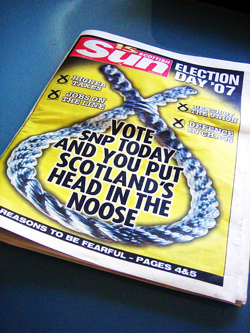
Implications for Content Strategy
The implications of mastering headline craft are profound. For businesses, a 10% increase in click-through rates (CTR) from search engines can translate into thousands of dollars in additional revenue without spending a cent on advertising. For bloggers, it means the difference between being a niche voice and an industry leader.
Ultimately, your headline is the foundation upon which your content’s success is built. By adopting a disciplined, analytical approach to title creation, you stop relying on luck and start relying on strategy. The next time you sit down to write, remember: you are not just writing a title; you are crafting the destiny of your post. Take the time, sharpen your focus, and give your content the introduction it deserves.
Key Takeaways for Your Next Post:
- Don’t Rush: Treat the title as a major editorial milestone.
- Be Specific: If you can’t summarize the benefit in one sentence, your content might lack focus.
- Test and Learn: Use analytics to see which styles (questions vs. listicles vs. how-tos) resonate most with your unique audience.
- Stay Human: Avoid overly robotic, keyword-stuffed titles that repel rather than attract readers.
