
The Agency Paradox: How to Build an AI Stack That Scales Without the Chaos
In the modern marketing landscape, Artificial Intelligence is no longer a competitive advantage—it is the baseline. Yet, for many agencies, the rapid adoption of AI has created a "toolbox trap." Instead of streamlining operations, teams find themselves juggling disparate subscriptions, managing bloated overheads, and struggling to maintain the brand consistency that clients pay a premium for.
The promise of AI is scale. The reality for many is administrative chaos. The true winners in this new era are not those who automate for the sake of efficiency, but those who curate a tech stack that improves the quality of output, protects agency margins, and accelerates delivery times.

The State of the Agency Stack: Main Facts
Marketing agencies today are facing a convergence of pressures: clients demand faster turnaround times, higher levels of personalization, and, simultaneously, more rigorous data compliance.
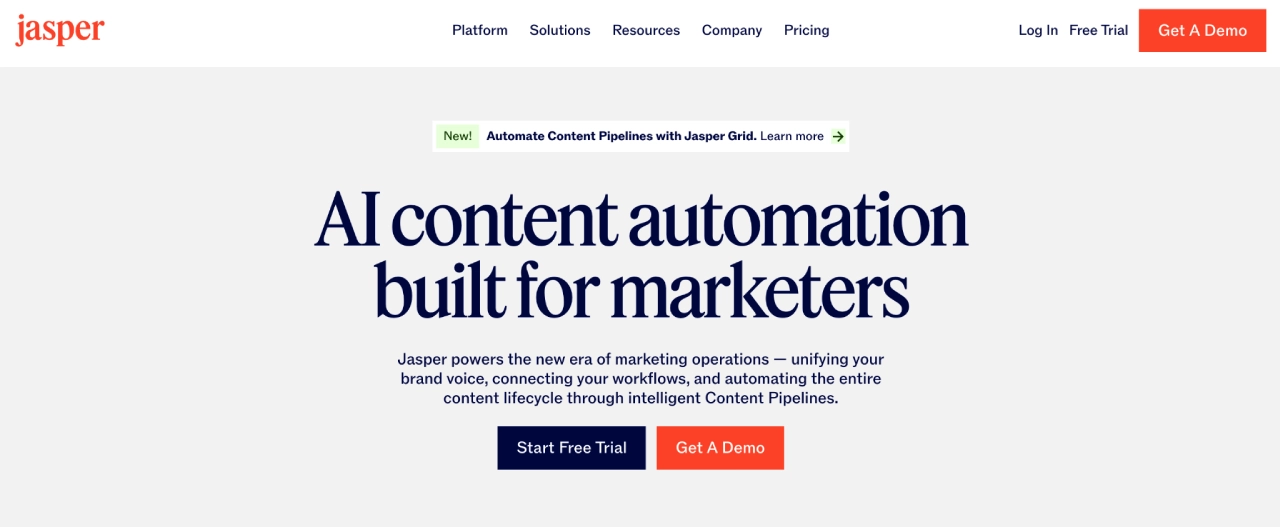
The primary challenge is that AI tools are often deployed in silos. A content team might use Jasper, while the media-buying desk relies on Madgicx, and the reporting team struggles to pull data into AgencyAnalytics. Without a central "source of truth" or an integrated workflow, the agency ends up with "tool sprawl"—a state where the cost of managing the software exceeds the time saved by using it.
To build a sustainable stack, agencies must pivot toward a "Context-Content-Control" model. This framework prioritizes centralizing client data (Context), using AI to draft and iterate (Content), and applying human oversight to ensure brand safety and regulatory compliance (Control).
Chronology: The Evolution of the AI-Driven Agency
The transition toward AI-powered agency operations has unfolded in three distinct phases over the past 24 months:
- The "Experimentation" Phase (Early 2023): Agencies began testing generative AI for ad copy and basic blog post drafting. Most usage was ad-hoc, with individual team members using ChatGPT or Midjourney without centralized governance.
- The "Integration" Phase (Late 2023–2024): Agencies moved to embed AI into their core infrastructure. This saw the rise of specialized AI tools for video (Synthesia), ad creative (AdCreative.ai), and data attribution (WhatConverts).
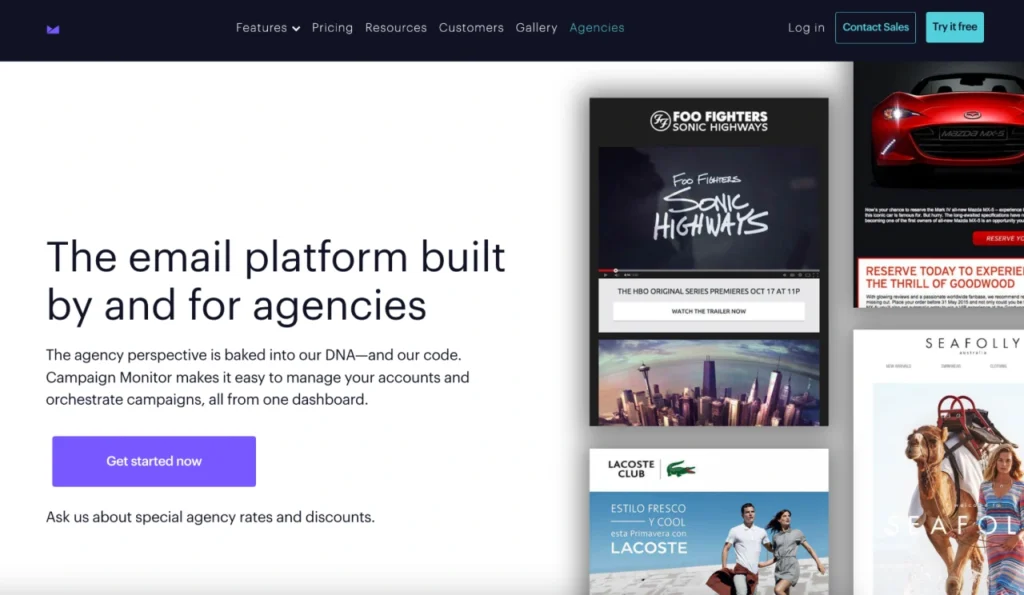
- The "Consolidation" Phase (Present Day): The current market is defined by a shift toward operational efficiency. Agencies are now auditing their stacks, removing redundant tools, and focusing on platforms like Campaign Monitor that allow them to manage multiple client accounts from a single, unified interface.
Supporting Data: The Cost of Tool Sprawl
For an agency managing 20+ clients, the cost of a non-optimized stack is substantial. According to industry benchmarks, the average agency spends between 12% and 18% of its operational budget on software subscriptions.
| Category | Typical Tooling Cost (Monthly) | Impact on Margin |
|---|---|---|
| Content Ops | $150 – $400 | Moderate |
| Ad Management | $200 – $600 | High |
| Reporting/Data | $100 – $500 | High |
| Total | $450 – $1,500+ | Significant |
When costs scale by "seat" or "usage," the profit margins on smaller retainers can evaporate quickly. The data suggests that agencies that consolidate their workflow into integrated platforms—such as using Campaign Monitor for email automation and CRM-linked reporting—see a 20% improvement in overhead efficiency compared to those using fragmented, point-solution stacks.
The 17 Pillars of the Modern Agency Stack
To help agencies navigate this landscape, we have analyzed the best-in-class tools across core marketing functions:
1. Email & Automation: Campaign Monitor
Campaign Monitor remains the anchor for agencies. By providing parent/child account structures, it allows agencies to manage dozens of client accounts without switching interfaces. Its strength lies in its prebuilt journeys and dynamic content blocks, which allow for high-level personalization at scale.

2. Content Creation: Jasper & Copy.ai
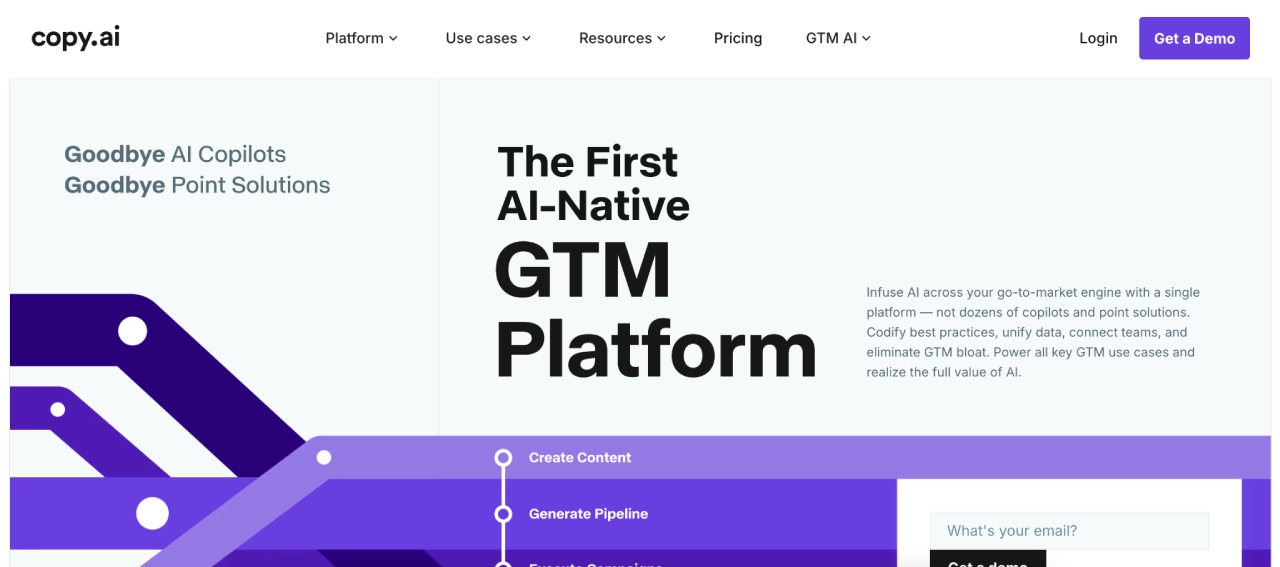
Jasper excels in maintaining "Brand Voice," a critical component when generating copy for diverse clients. Copy.ai, meanwhile, is superior for GTM workflows, allowing agencies to train "Content Agents" on specific client playbooks.
3. Media & Performance: Madgicx & AdCreative.ai
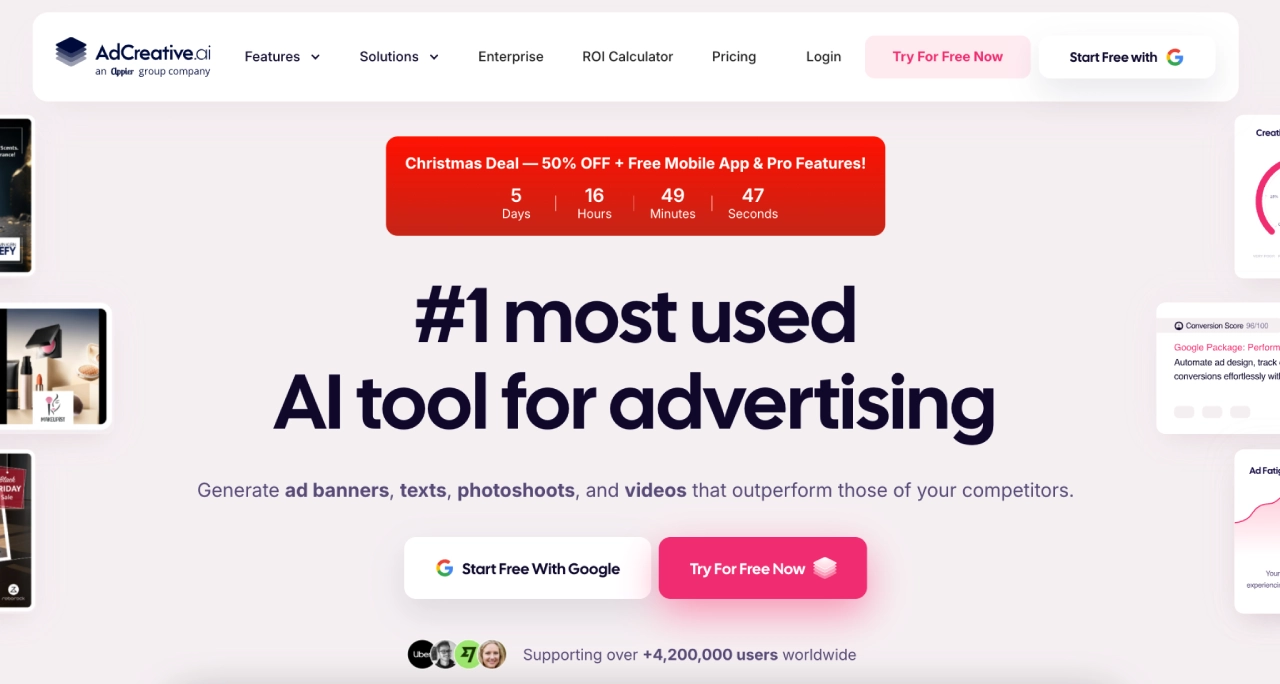
For performance-driven agencies, Madgicx provides an essential layer of Meta ads optimization, while AdCreative.ai solves the "creative fatigue" problem by generating high-converting static and video assets in minutes.
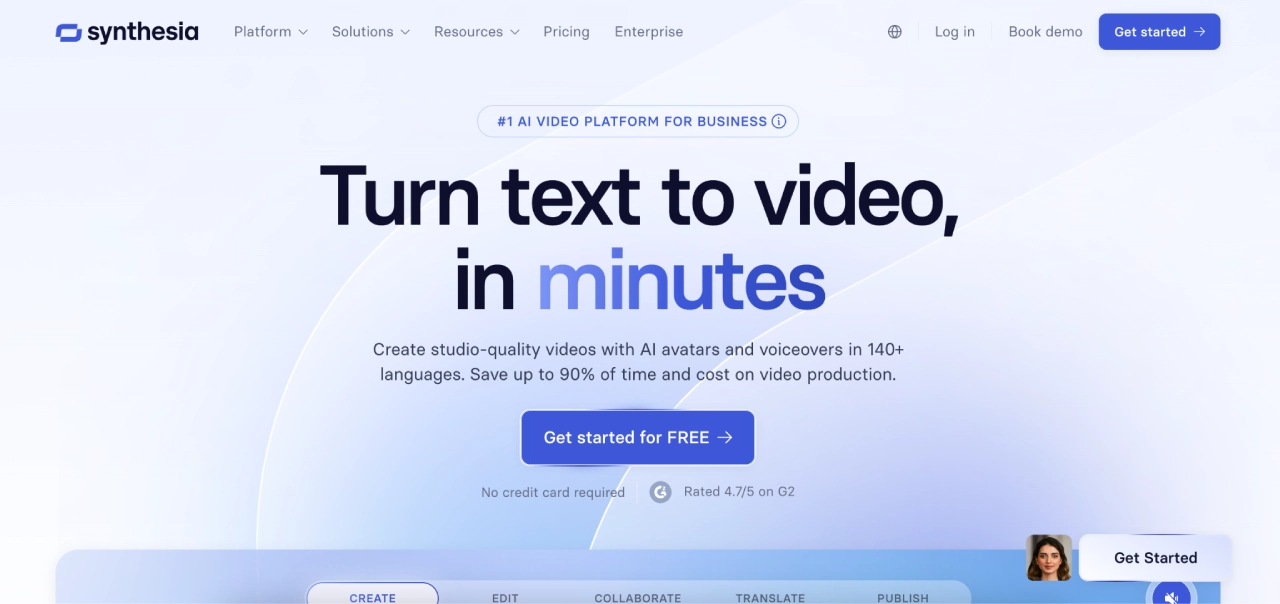
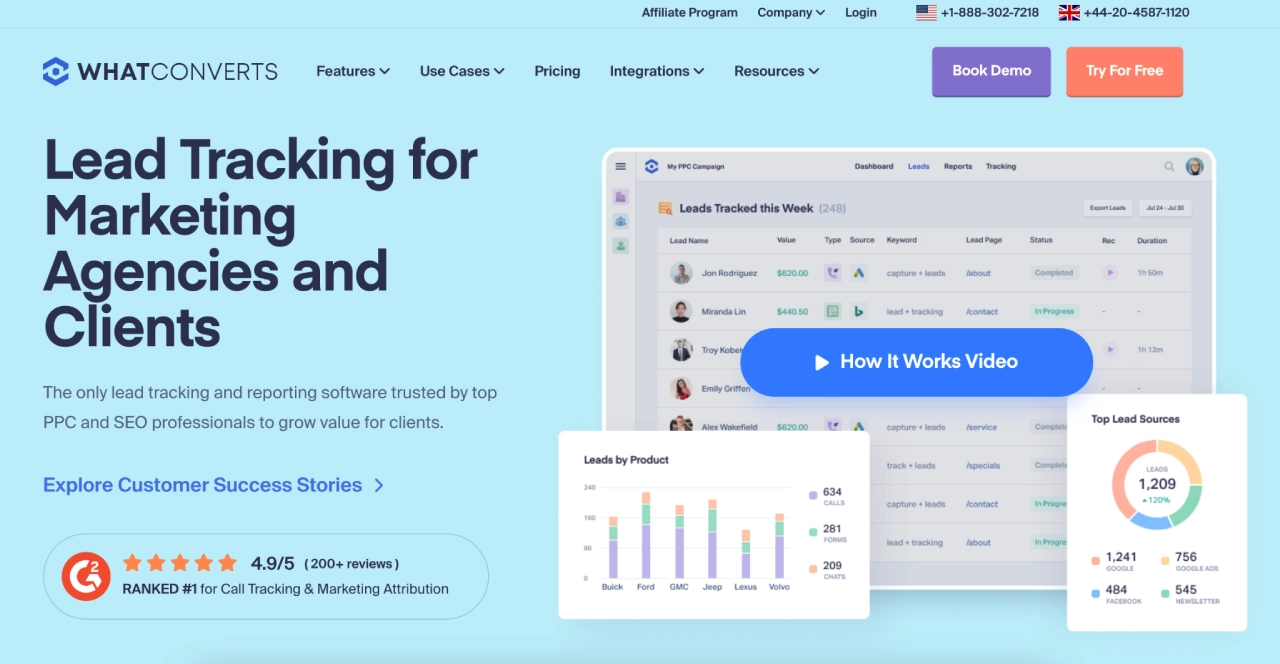
4. Reporting & Attribution: WhatConverts, Supermetrics, & AgencyAnalytics
Data accuracy is the bedrock of client trust. Supermetrics bridges the gap between data sources and BI tools, while AgencyAnalytics provides the client-facing white-label dashboarding that is standard for professional service firms.
5. Specialized Roles
- Video: Synthesia (AI avatars for rapid video production).
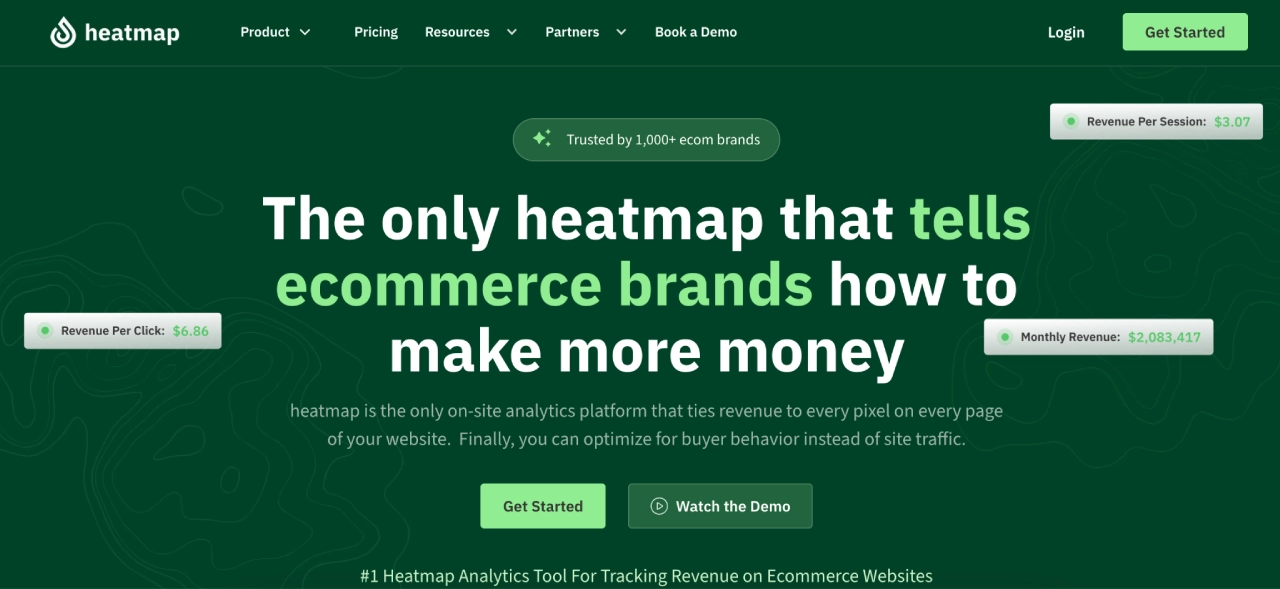
- CRO/UX: Heatmap.com (AI-driven insights into site behavior).
- Automation: Zapier (The "glue" that connects disparate platforms).
- Social: Hootsuite and FeedHive (For multi-channel scheduling and AI-assisted captioning).
- Imagery: DALL·E 3 and Midjourney (For high-quality creative assets).
Operational Implications: Managing the Risks
As agencies integrate these tools, they must account for six specific risk factors:
- Hallucinations: AI can confidently state incorrect facts. Mitigation: Use AI to draft, never to verify facts.
- Brand Voice Drift: AI tends to default to generic, "fluffy" marketing speak. Mitigation: Maintain a library of "brand-approved" phrases and style guides to feed into the AI.
- Unseen Cost Scaling: Subscriptions can quickly exceed budget. Mitigation: Regularly audit usage. If a tool is not being used by at least 70% of the team, cancel the seat.
- Data Compliance: Never feed sensitive client PII (Personally Identifiable Information) into public LLMs.
- IP Rights: Ensure that your commercial use licenses for AI-generated images and video are robust.
- The "Human-in-the-Loop" Mandate: Never publish AI-generated content without a senior human review.
The 3C Model: A Framework for Profitability
To stay profitable while scaling, agencies should adopt the 3C Model:
- Context: Centralize all data. Before asking AI to write an email or build a strategy, ensure it has access to the correct performance data and audience segments.
- Content: Generate at speed. Use AI to create the first draft, but focus human talent on the "polishing" phase—the creative spark that differentiates a good campaign from a great one.
- Control: Automate with guardrails. Use Zapier to trigger workflows, but keep manual approval steps for high-stakes communications or high-budget ad spend.
The Truth About "All-in-One" Suites
Many vendors promise that an "all-in-one" suite is the solution to chaos. In practice, these platforms often excel at one core function while being mediocre at others. The most agile agencies instead build a "Best-of-Breed" stack, anchored by a reliable, core platform like Campaign Monitor.
This approach allows for flexibility. If a better AI video tool emerges, you can swap it out without needing to migrate your entire CRM or email infrastructure.
Conclusion: Turning AI into Revenue
The goal of your AI stack should not be to replace your team, but to extend their capabilities. By focusing on tools that offer agency-grade multi-client management and robust automation—such as the integrated workflows provided by Campaign Monitor—agencies can ensure that their expansion is both scalable and sustainable.
Predictable margins are born from predictable workflows. Start by auditing your current stack, consolidating your tools, and enforcing the "Human-in-the-Loop" standard. When you stop chasing the latest "AI shiny object" and start building a deliberate, integrated ecosystem, you create the kind of operational maturity that clients notice—and pay for.
Disclaimer: This article provides general information regarding marketing technology and should not be construed as financial or legal advice. Agencies should consult with their own technical and legal professionals regarding data compliance and software procurement decisions.
