

The Ultimate CRO Face-off: Crazy Egg vs. Lucky Orange
In the competitive landscape of digital marketing, Conversion Rate Optimization (CRO) is no longer a luxury—it is a survival requirement. As businesses strive to squeeze maximum value from every visitor, the choice of analytics and behavior-tracking software becomes a strategic decision. Two titans of the industry, Crazy Egg and Lucky Orange, consistently rise to the top of the consideration list.
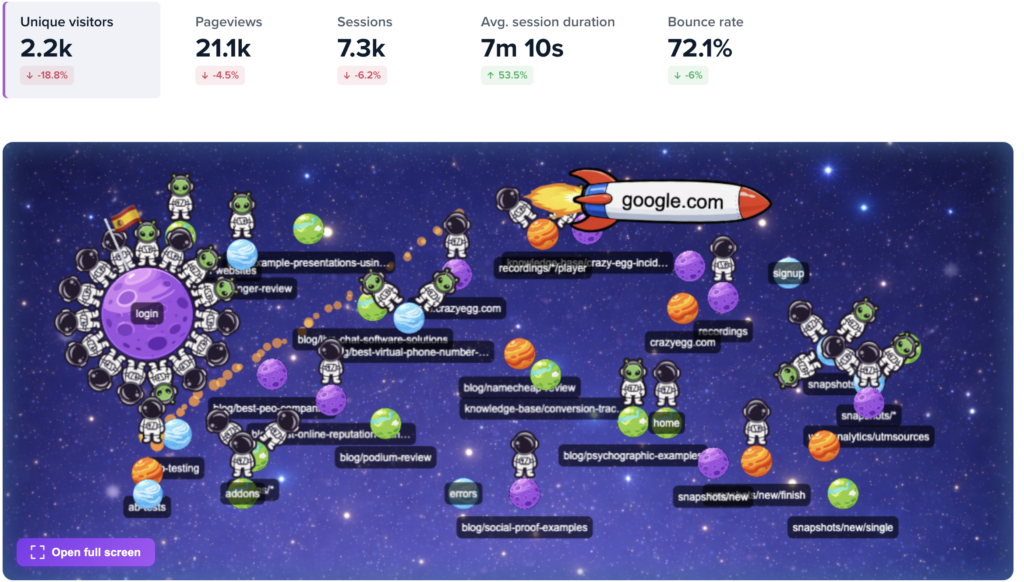
While both platforms offer sophisticated heatmaps, session recordings, and feedback mechanisms, they cater to fundamentally different operational philosophies. This report breaks down their capabilities, pricing models, and strategic fit to help you decide which tool best aligns with your business goals.
Main Facts: Defining the Two Powerhouses
At their core, both Crazy Egg and Lucky Orange are designed to solve the "black box" problem of website traffic: seeing exactly how visitors interact with your digital storefront.
Crazy Egg is built as an all-in-one ecosystem for growth teams. It emphasizes data consolidation, offering native A/B testing, robust conversion analytics, and seamless integration with modern AI tools. It is designed to be a "single pane of glass" for marketers who want to test hypotheses and measure outcomes without stitching together disparate plugins.

Lucky Orange positions itself as a real-time engagement platform. It distinguishes itself through "in-the-moment" features, such as live visitor chat and field-level form analytics, which are particularly potent for e-commerce stores—especially those on Shopify. If your primary goal is to interact with a visitor while they are still on the page, Lucky Orange offers a distinct, immediate advantage.

Chronology and Evolution of Features
Both platforms have evolved significantly to meet the modern demands of privacy-conscious and AI-driven web development.
- Early Days: Originally, both tools were simple click-tracking utilities. Crazy Egg gained fame for its "Confetti" heatmaps, while Lucky Orange built its reputation on real-time visitor logs.
- The Mid-2020s: As the market shifted toward comprehensive UX analysis, both platforms expanded into session recording.
- The AI Era: Recently, the battle has moved to AI integration. Crazy Egg has taken a "platform-agnostic" approach, enabling users to export data to external AI tools (like Claude or ChatGPT) via the Model Context Protocol (MCP). Conversely, Lucky Orange has focused on "Conversational Discovery AI," an internal chat assistant that answers questions about site performance based on the data already inside their system.
Supporting Data: Feature-by-Feature Comparison
To make an informed decision, one must look at the technical specifications of their core offerings.
1. Heatmaps and Visualization
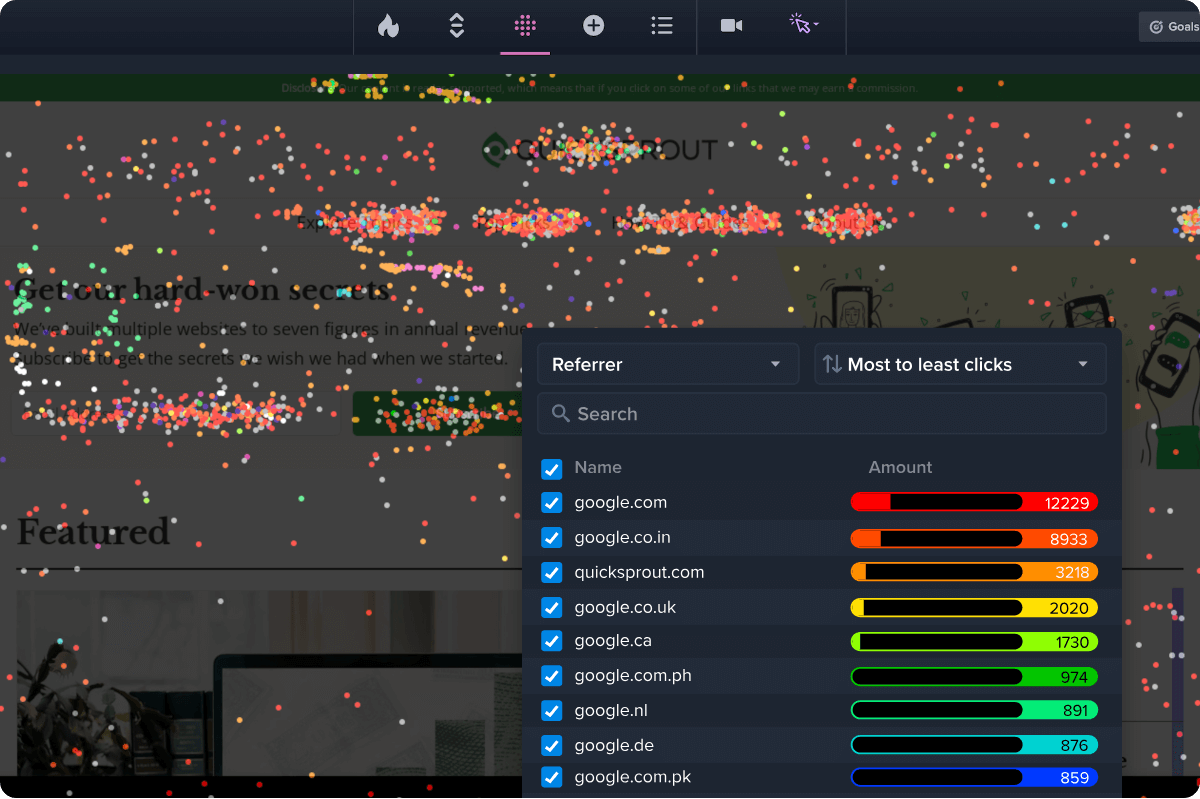
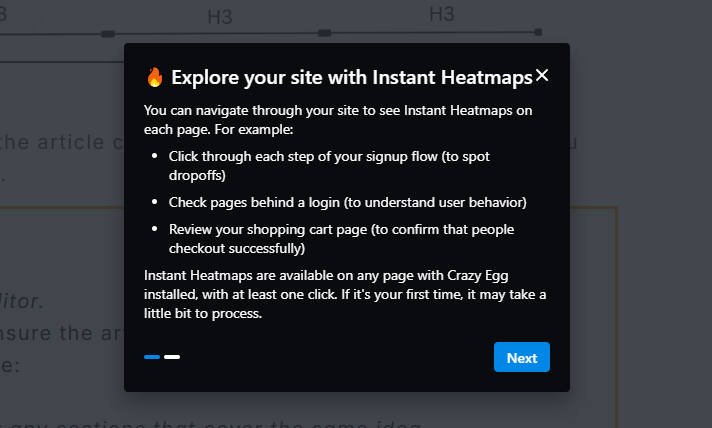
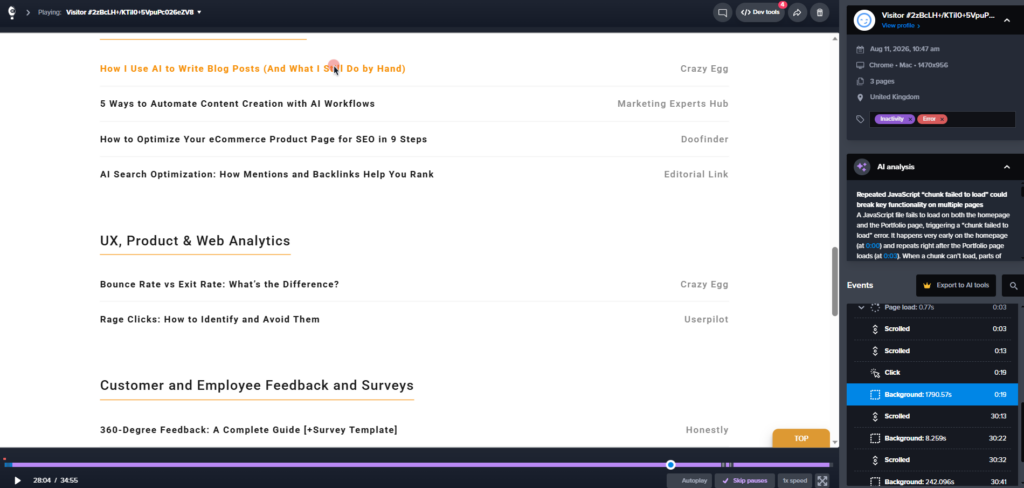
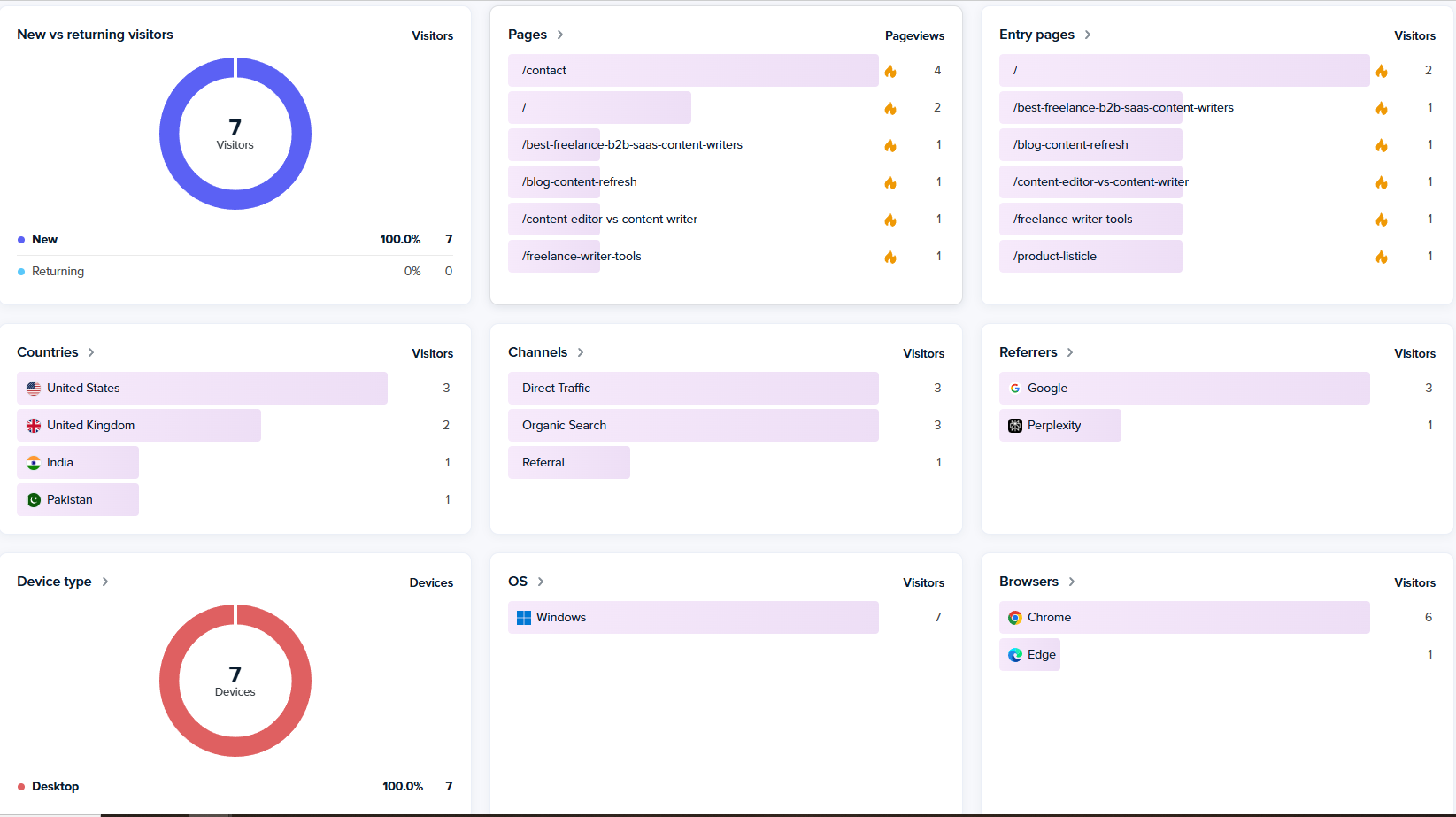
Crazy Egg provides five distinct heatmap types—Click, Scroll, Confetti, Overlay, and List—offering deep segmentation. Its "Instant Heatmaps" allow for rapid, lightweight analysis as you browse your own site.
Lucky Orange sticks to three primary map types (Click, Scroll, Move). While it lacks the granular segmentation of Crazy Egg, it excels at rendering clicks on dynamic, single-page application (SPA) elements (like AJAX-driven pop-ups or React components) in real-time, which is a significant win for modern, complex web applications.
2. Session Recording and Data Retention
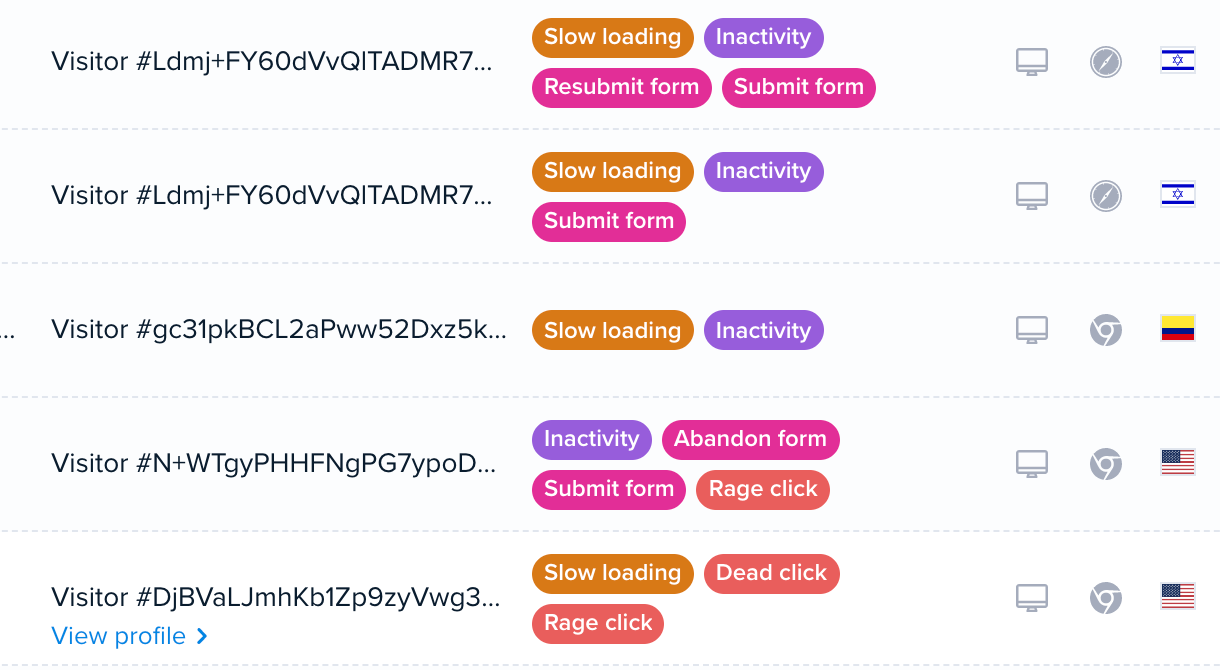
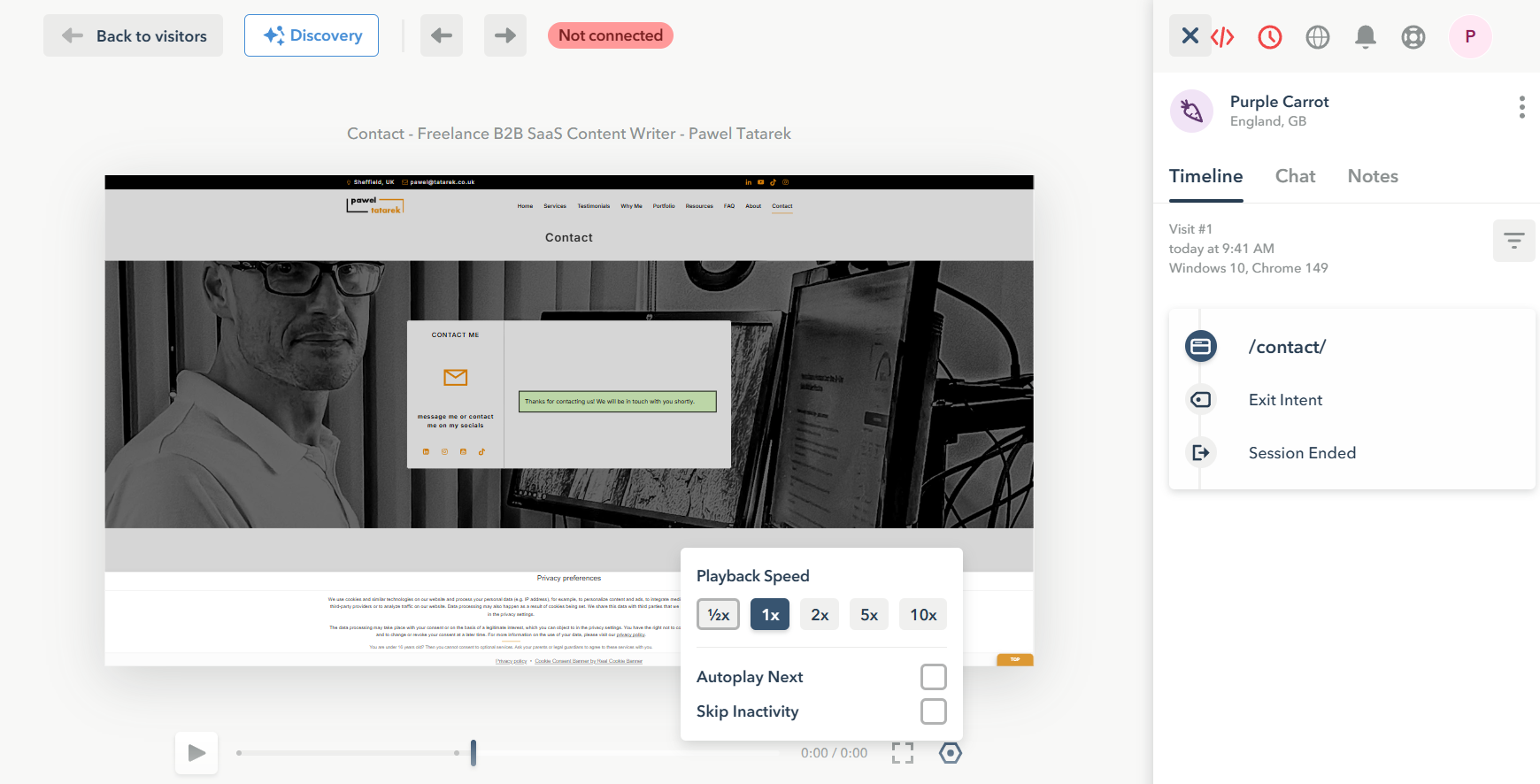
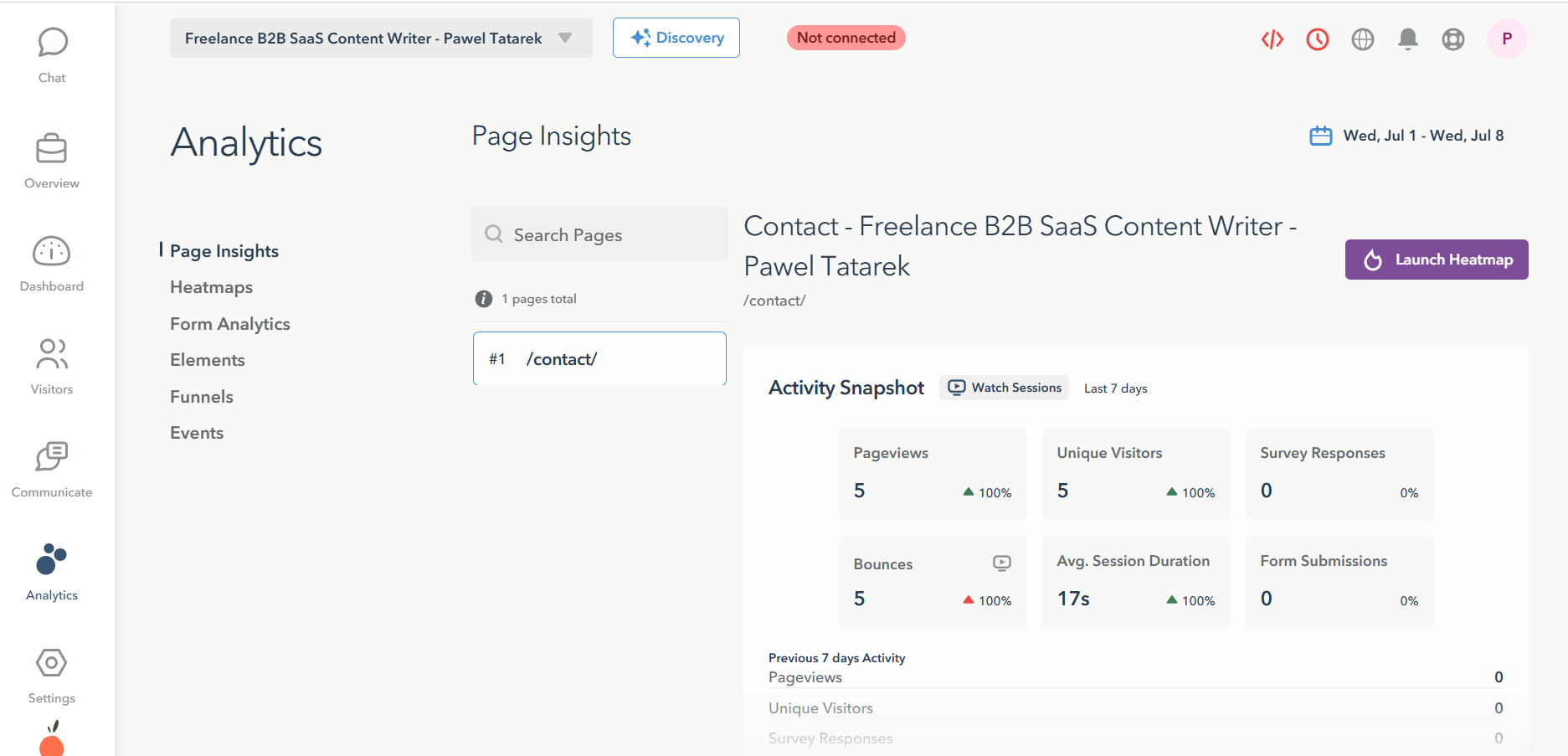
Both platforms offer robust session playback, but their retention policies differ. Crazy Egg provides a generous 6-to-24-month retention window, making it suitable for long-term longitudinal studies of user behavior. Lucky Orange defaults to a 60-day window (expandable to 12 months), emphasizing immediate, actionable insights rather than long-term data archiving.
3. Conversion Funnels and Analytics
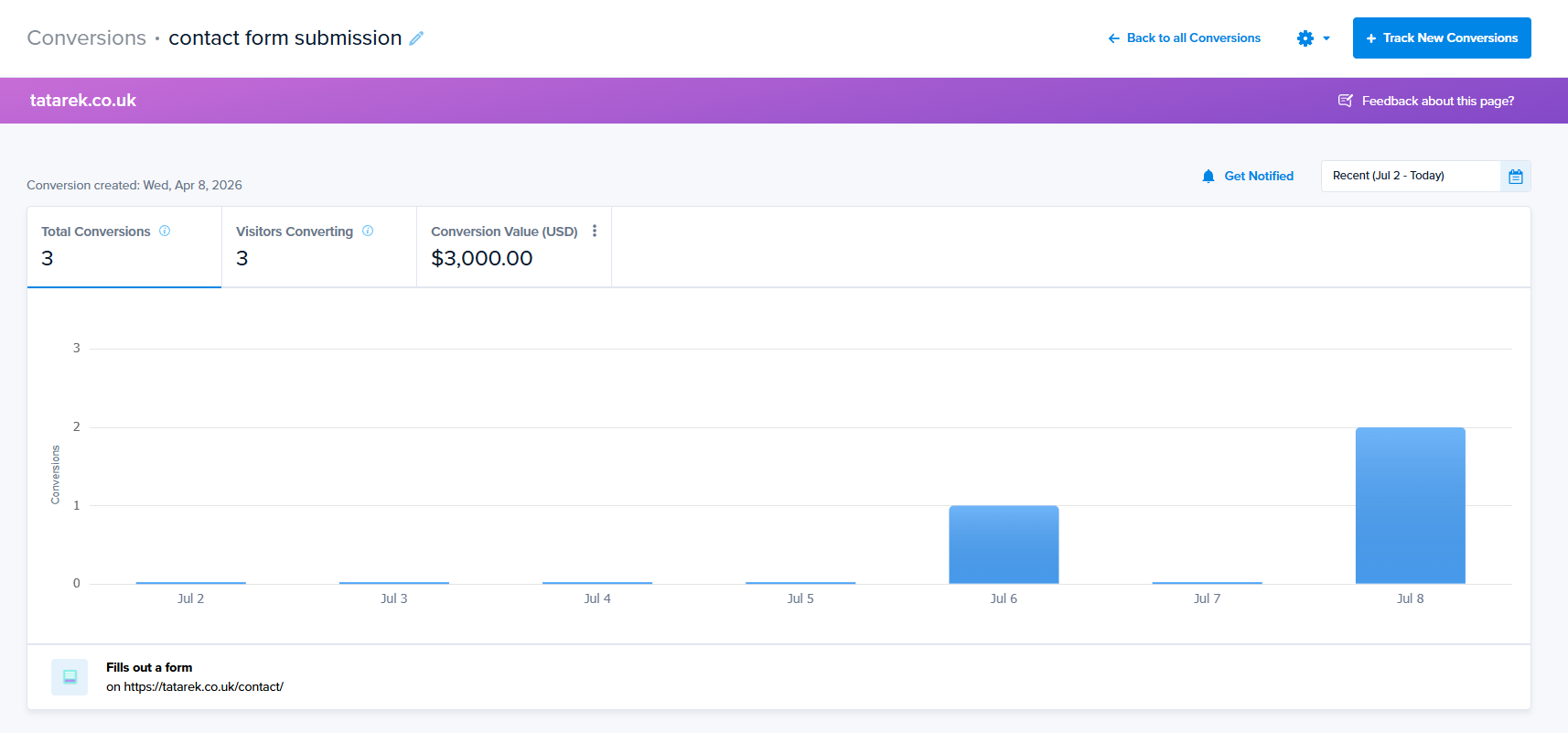
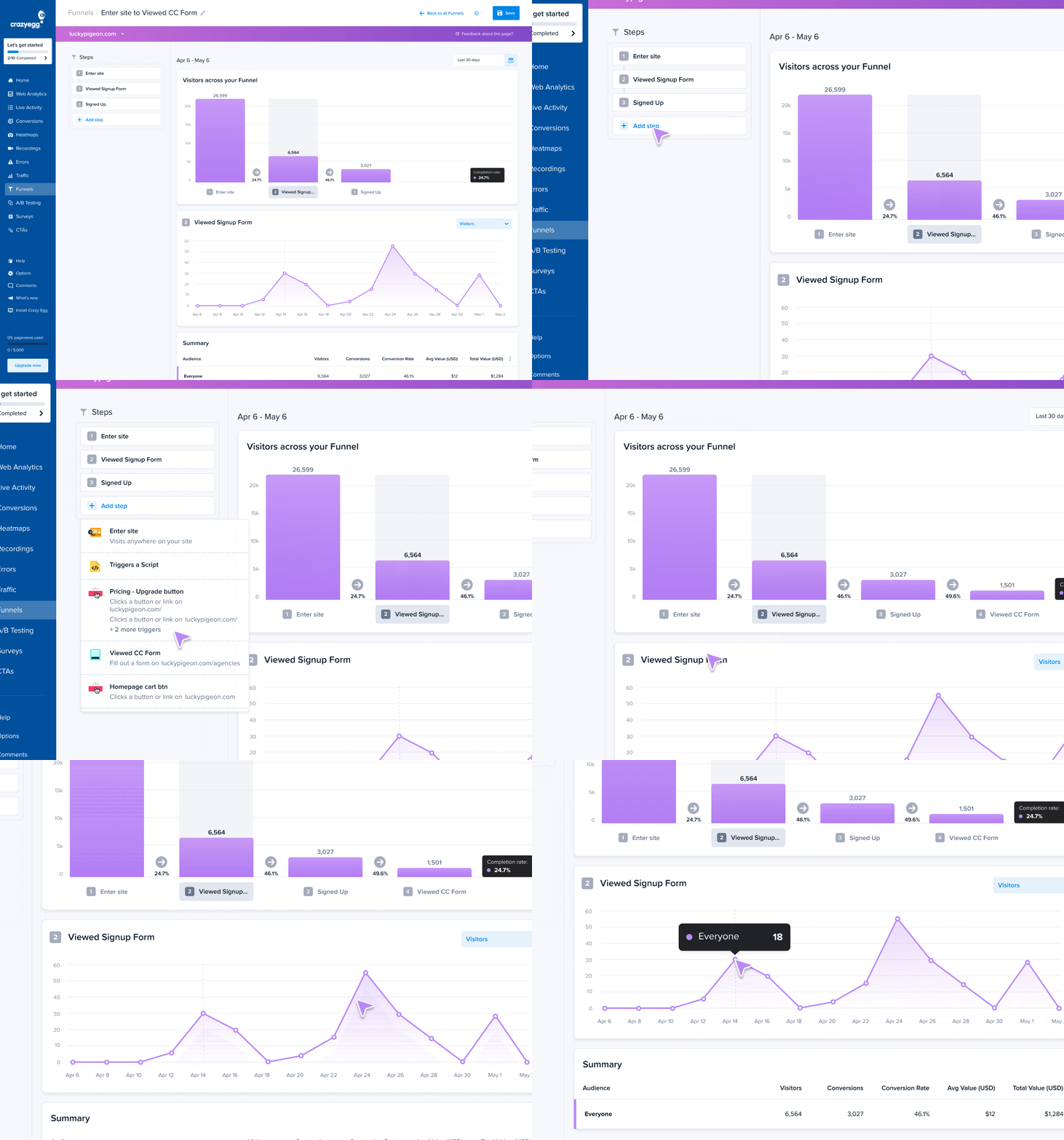
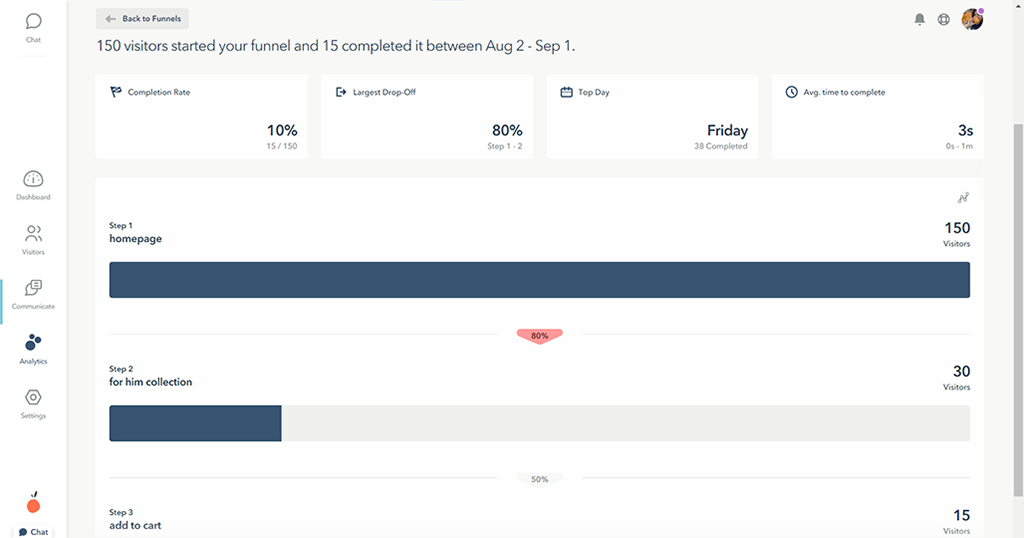
Crazy Egg offers a superior, retroactive funnel reporting system. Because it tracks events across the entire history of the account, you can create a new funnel today and see how it performed three months ago. Lucky Orange also offers retroactive funnels, but they are constrained by your active data storage window (60–365 days), potentially limiting the scope of your historical analysis.
Official Perspectives: The "Bundling" vs. "Best-in-Class" Philosophy
When discussing the strategic value of these tools, it is essential to consider the business model of each vendor.
The Case for Lucky Orange (The All-In-One Bundle):
Lucky Orange operates on the principle that the user should have every tool available at every price tier. By bundling Live Chat, Form Analytics, and Session Recording, they ensure that the "Build" plan is highly functional. They argue that for a small business owner, having access to every feature without "gating" is a significant advantage.
The Case for Crazy Egg (The Scalable Platform):
Crazy Egg advocates for a more surgical approach. By billing based on "tracked pageviews," they ensure you aren’t paying for noise. They also emphasize "Enterprise Readiness." Their inclusion of role-based access control, SAML Single Sign-On (SSO), and detailed compliance audit logs makes them the preferred choice for larger organizations that must answer to IT and legal departments regarding data security.
Implications: Which Tool Fits Your Workflow?
When to choose Lucky Orange:
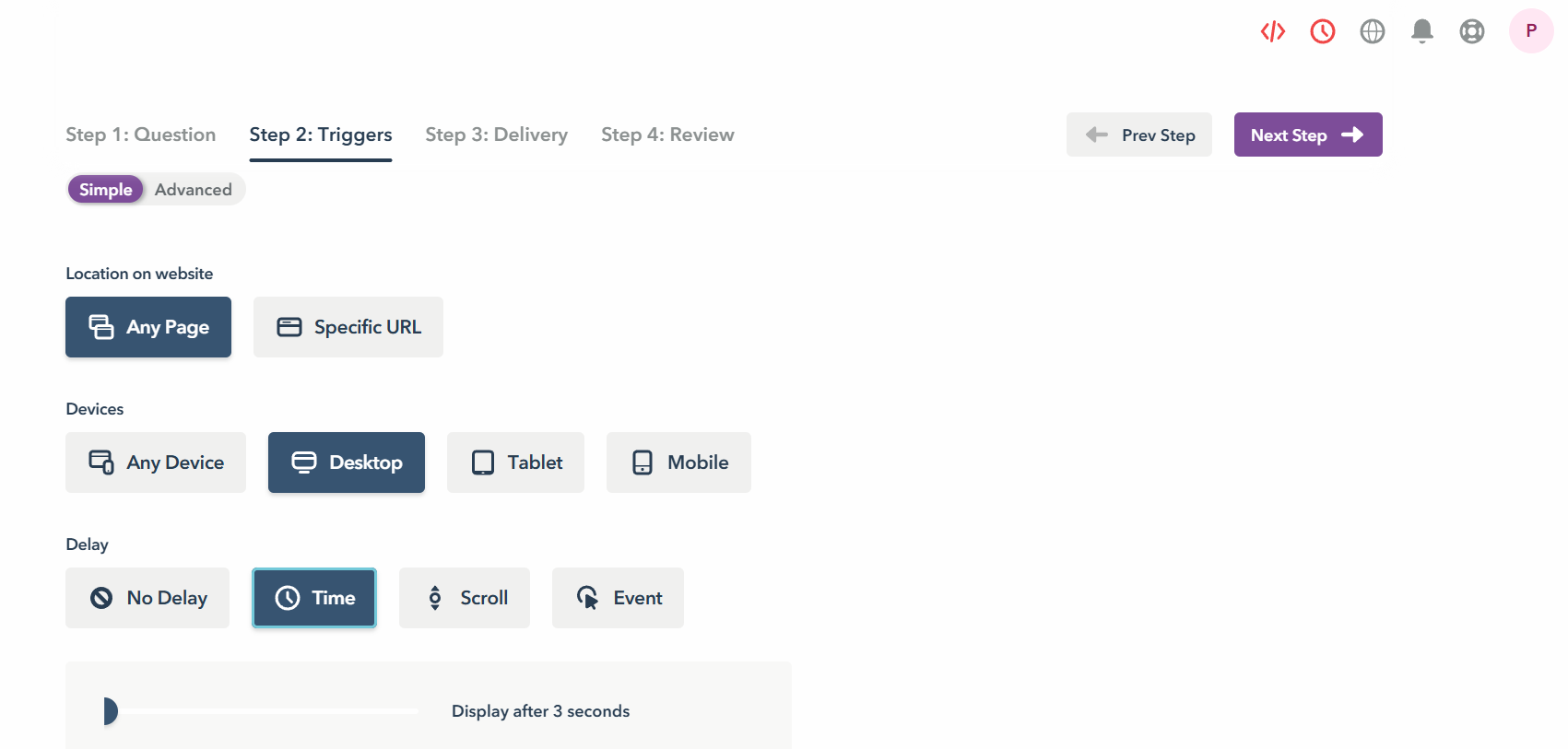
- E-commerce Focus: If you are running a Shopify store and need to see exactly which form field causes a customer to abandon their cart, Lucky Orange is arguably the best tool on the market.
- Real-Time Sales: If you employ a sales team that uses live chat to close deals while visitors are actively browsing, the integrated "Live Visitor View" is a critical feature.
- Simplicity: If you prefer a platform where every feature is available immediately and you don’t want to manage complex A/B testing software, the bundled approach of Lucky Orange is highly efficient.
When to choose Crazy Egg:
- Growth and Experimentation: If your team is serious about CRO, the inclusion of native A/B testing and personalizations means you don’t have to pay for a third-party experimentation tool like Optimizely or VWO.
- Data-Driven Decision Making: The integration of AI via the Model Context Protocol (MCP) and the ability to export data to external LLMs makes Crazy Egg a powerhouse for data scientists and advanced marketers.
- Security-Conscious Organizations: For companies that require compliance logs, SAML, and high-level data governance, Crazy Egg provides the necessary infrastructure that Lucky Orange lacks.
Final Verdict: The Strategic Choice
The choice between Crazy Egg and Lucky Orange comes down to your primary objective: Are you trying to engage users in the moment, or are you trying to optimize the long-term mechanics of your conversion funnel?
- Lucky Orange is a tactical tool. It is for the store owner who wants to see why a specific customer didn’t buy right now and wants to message them to fix it. It is an indispensable asset for Shopify-based e-commerce.
- Crazy Egg is a strategic tool. It is for the growth marketer or product manager who needs to run rigorous A/B tests, maintain long-term records, and integrate behavioral insights into a broader AI-driven analytics stack.
Financial Summary
While Lucky Orange’s entry price ($32/mo) is competitive, its reliance on "sessions" means your bill grows as your traffic grows, regardless of what you are tracking. Crazy Egg’s "tracked pageviews" model allows you to focus your budget on the pages that matter most, often resulting in a more cost-effective solution as your site scales.
If you are looking for a platform that grows with your sophistication—from basic heatmap tracking to advanced AI-led experimentation—Crazy Egg offers a more robust foundation. If your success depends on live chat and immediate form-field troubleshooting, Lucky Orange is the superior choice.
Disclaimer: This analysis is based on current feature sets and pricing structures as of the mid-2026 reporting cycle. Always consult with the vendors’ official websites for the most recent updates to their service level agreements and plan inclusions.
