
The Digital Podium: How 2025 Social Video Data Predicts the Breakout Stars of the Milano-Cortina 2026 Olympic Winter Games
MILAN, ITALY — As the global sports calendar pivots toward the majestic peaks of northern Italy for the 2026 Olympic Winter Games, the traditional playbook for sports consumption is undergoing a radical transformation. While legacy broadcasters like NBC hold the exclusive live-broadcast keys to the kingdom in the United States, a massive preview of what will capture the world’s attention is already playing out across digital platforms.
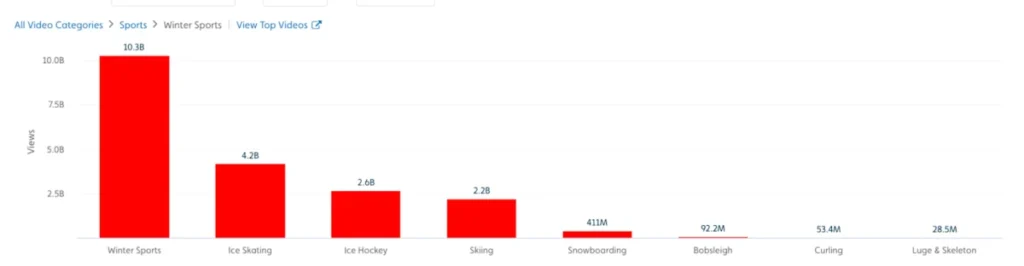
According to comprehensive viewership and engagement metrics from Tubular Labs analyzing the entire span of 2025, consumer interest in winter sports is experiencing an unprecedented digital surge. Even during a non-Olympic year, digital audiences voraciously consumed billions of hours of ice, snow, and sliding content. For content creators, publishers, and global brands, this pre-Olympic data serves as a crystal ball, illuminating precisely which disciplines are poised to dominate feeds, spark viral trends, and capture consumer spending during the ice-cold competition in Milano-Cortina.
Main Facts: The Digital Landscape of Winter Sports Ahead of 2026
The intersection of digital video and Olympic anticipation has created a fertile ecosystem for both traditional powerhouse sports and unexpected niche disciplines. The numbers from 2025 demonstrate that sports fans do not simply turn off their enthusiasm when the flame is extinguished; rather, digital platforms have cultivated a 365-day appetite for winter sports storytelling.
- Ice Skating Dominance: Surpassing all other winter categories, ice skating videos generated a staggering 4.2 billion views across social platforms in 2025. Figure skating alone accounted for 2.2 billion of those views, accompanied by 38.6 million total engagements.
- The Skiing Juggernaut: Across YouTube and other platforms, skiing content amassed 2.2 billion views in 2025. With more than 20 distinct skiing events scheduled for the 2026 Games, disciplines like freestyle and alpine skiing averaged 128,000 views per video across 6,000+ uploads. Meanwhile, ski jumping punched well above its weight class, averaging an impressive 426,000 views per upload.
- The Power of the Niche: Sliding sports, historically relegated to brief Olympic windows, proved resilient. Bobsleigh content averaged 317,000 views per video in 2025, driven heavily by behind-the-scenes athlete accounts and narrative-driven storytelling.
Chronology: From Pyeongchang and Beijing to the Digital Build-Up of 2025
Understanding the current digital explosion requires examining how consumption habits have evolved over successive Olympic cycles.
The Pre-Pandemic Shift (2018–2022)
During the 2018 Pyeongchang Games and the 2022 Beijing Games, digital video consumption was largely reactive. Fans watched highlight clips posted by official rights holders after events aired live on television. Niche sports enjoyed temporary spikes in interest—such as the renewed cultural fascination with bobsledding following legacy cinematic touchstones like Cool Runnings—but this interest typically evaporated within weeks of the closing ceremony.
The 2024 Non-Olympic Baseline
By 2024, digital ecosystems had matured. Platforms like TikTok, YouTube Shorts, and Instagram Reels transformed how athletes presented themselves. No longer reliant solely on traditional media training, athletes began self-publishing training regimens, personal lifestyle content, and behind-the-scenes preparation, effectively bridging the gap between Olympic cycles.
The 2025 Data Surge
The definitive turning point arrived throughout 2025. Unburdened by the immediate presence of an ongoing Games, global audiences turned to digital platforms in record numbers to consume winter sports content. Figure skating transcended sports categories to merge with fashion and beauty spheres, while independent creators like France’s Anthony Robert turned year-round skiing vlogs into viral sensations even during the summer months. This continuous 2025 buildup established a historic baseline, ensuring that Milano-Cortina 2026 enters a marketplace already primed with high engagement and sophisticated digital communities.
Supporting Data: Breaking Down the Numbers
A granular look at the Tubular Labs dataset reveals fascinating behavioral patterns among digital sports consumers. The data highlights not just aggregate views, but where specific value lies for creators and commercial sponsors alike.
+------------------------+---------------+-----------------------+----------------------------------+
| Sport Category         | 2025 Views    | Key Sub-Disciplines   | Average Performance Metric       |
+------------------------+---------------+-----------------------+----------------------------------+
| Ice Skating            | 4.2 Billion   | Figure Skating        | 2.2B views / 36.8M engagements   |
| Skiing                 | 2.2 Billion   | Alpine, Freestyle     | 128K views per video (6K uploads)|
| Ski Jumping            | N/A           | Specialized Jumping   | 426K views per video (High yield)|
| Bobsleigh / Sliding    | N/A           | Bobsled, Luge, Skeleton| 317K views per video            |
+------------------------+---------------+-----------------------+----------------------------------+
The Figure Skating Phenomenon
Figure skating’s 2.2 billion views in a non-Olympic year cement its status as the undisputed heavyweight of winter sports entertainment. The sport’s blend of athletic precision, dramatic performance, and high-fashion aesthetic creates a unique cross-pollination effect. Unlike stick-and-ball sports, figure skating relies heavily on visual artistry, making it natively suited for short-form, high-aesthetic video platforms.
High-Yield Niche Formats
While alpine skiing and figure skating command massive aggregate volume, sports with smaller content libraries—such as ski jumping and bobsleigh—demonstrated incredible efficiency. Ski jumping’s average of 426,000 views per video indicates that when content is produced, it captures outsized audience attention. Similarly, the Great Britain bobsled team’s proactive social strategy proved that institutional accounts can bypass traditional gatekeepers to build dedicated, high-yield digital fanbases.

Official Responses and Industry Perspectives
As media organizations and digital strategists prepare for the logistical and creative demands of Milano-Cortina 2026, industry leaders are weighing in on the implications of these shifting viewership trends.
Marcus Vance, Digital Media Analyst at Tubular Labs, noted the structural shift in how audiences discover sports content:
"Olympic years fundamentally alter the digital landscape, dragging historically under-represented sports into the global spotlight. However, our 2025 data proves that the runway starts much earlier than previously understood. Fans aren’t waiting for the opening ceremony in Italy; they are actively seeking out narrative depth, personality-driven content, and instructional tutorials months in advance. Creators and brands who recognize this early momentum will capture the lion’s share of attention."
Sponsorship executives within the Olympic ecosystem have also signaled a tactical pivot. Speaking on condition of anonymity regarding upcoming brand activations for 2026, a senior marketing director at a major athletic apparel firm shared:
"We used to focus 90% of our Olympic marketing budget on traditional billboard stars right around the two weeks of the Games. The 2025 data forces us to rethink that. Consumers are building deep emotional connections with athletes in niche disciplines—like freestyle skiing, curling, and bobsledding—long before they ever step onto the Olympic ice or snow. Our influencer partnerships are shifting to align with these year-round digital creators."
Implications for Creators, Publishers, and Brands
The 2025 viewership trends mapped out by Tubular Labs offer a clear blueprint for stakeholders looking to maximize their footprint during the Milano-Cortina 2026 Olympic Winter Games.
1. Cross-Discipline Collaboration for Lifestyle Creators
Ice skating’s massive footprint is not restricted to sports commentators. Because of its distinct aesthetic, hair, beauty, and fashion creators have a rare opening to tap into Olympic fever. By analyzing competition costumes, makeup trends, and stylistic evolution, non-sports influencers can successfully capture sports-adjacent traffic. Simultaneously, "how-to" accounts focusing on skating basics can unlock massive engagement, particularly among communities lacking physical access to professional ice rinks.
2. Niche Storytelling and Persona-Driven Marketing
The success of creators like Anthony Robert in skiing and the behind-the-scenes transparency of the Great Britain bobsled team demonstrate that modern sports fans crave authenticity over sterile broadcasts. Publishers must lean into the human element—documenting the grueling training, financial hurdles, and psychological resilience of athletes competing in less-heralded events like curling, luge, and skeleton.
3. Advertising and Commercial Strategy Adjustments
For brands, the traditional reliance on mass-market broadcast spots is no longer sufficient. As audiences fragment across digital platforms, brands must integrate themselves directly into the content streams of breakout athletes and specialized content channels. Investing in digital-first partnerships within high-yield categories like freestyle skiing and sliding sports ensures continuous brand visibility that persists long after the Olympic flame is extinguished.
As the world counts down the final days to the opening ceremonies in Milano-Cortina, one reality remains unmistakably clear: the medals may be won on the ice and snow of Italy, but the true victories of engagement, community-building, and cultural impact are being fought and won in the digital arena.
