
The Data-Driven Revolution: How CPG Giants are Rewriting the Social Video Playbook
The consumer packaged goods (CPG) sector—long defined by traditional television spots and linear marketing funnels—is undergoing a seismic shift. Today, some of the world’s most recognizable brands are abandoning legacy assumptions, opting instead to navigate the chaotic landscape of social video through a lens of rigorous, data-backed audience intelligence.
From Red Bull’s surgical cross-platform distribution to Charlotte Tilbury’s high-octane leap into motorsports, the narrative is clear: success in the digital age is no longer about who shouts the loudest; it is about who listens to the data the most closely. By moving away from "gut-feeling" marketing and embracing granular metrics, these brands are not just reaching audiences—they are engineering cultural moments.
Main Facts: The End of "Spray and Pray" Marketing
The foundational shift currently underway is the abandonment of the "one-size-fits-all" social strategy. Historically, CPG brands treated platforms like YouTube, TikTok, and Instagram as uniform receptacles for the same creative assets. Data now proves this is a path to diminishing returns.
The new reality is defined by intentionality. Every decision—from the duration of a video clip to the choice of a niche influencer—is informed by predictive analytics. Brands are identifying that high-volume posting is often a vanity metric, whereas high-impact, audience-aligned content is the primary driver of conversion and brand loyalty.
Key pillars of this modern strategy include:
- Platform-Specific Optimization: Recognizing that a 60-second video performs vastly differently on YouTube versus TikTok.
- Cultural Over Category Fit: Selecting partners based on shared audience values rather than traditional industry silos.
- Strategic Scarcity: Moving away from flooding feeds in favor of high-performance, purposeful content releases.
Chronology: The Evolution of the Digital CPG Strategy
The shift toward data-centricity didn’t happen overnight. It is the result of a multi-year maturation in how brands measure the "Creator Economy."
- 2023: The Awareness Phase: Brands began to acknowledge that TikTok and YouTube Shorts were not just passing trends but primary discovery engines for younger demographics.
- 2024: The Testing Phase: Early adopters began experimenting with cross-platform content, realizing that what worked on one app failed on another.
- 2025: The Data-Integration Phase: As seen in recent performance metrics, brands like Red Bull and Heineken began using sophisticated social video intelligence platforms to map audience overlaps. They stopped viewing "views" as a monolithic number and started viewing them as indicators of shopping affinity and cultural resonance.
- 2026: The Optimization Era: Currently, the industry has moved into a state of "precision marketing," where content is tailored to specific search behaviors and platform-native trends.
Supporting Data: When Metrics Defy Intuition
To understand why data is the new North Star, one must look at the counter-intuitive results reported by industry leaders.
The Red Bull Paradox
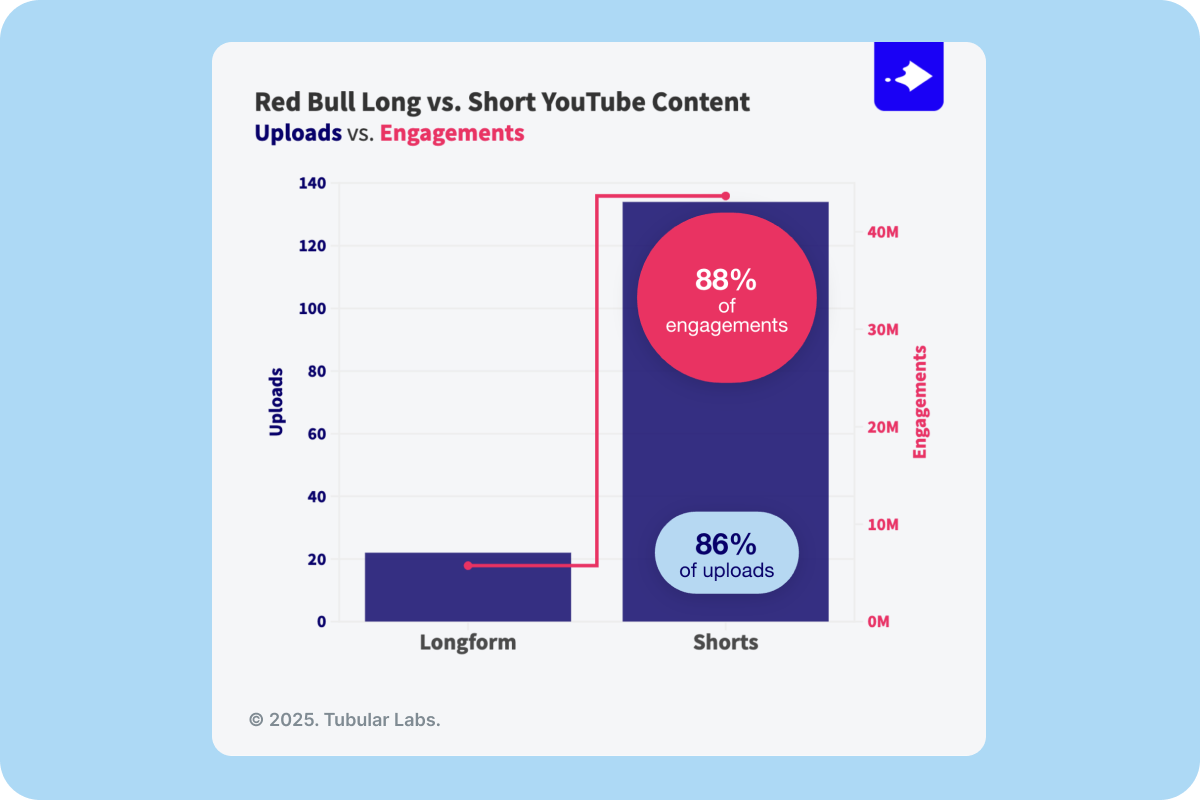
Tubular Labs data indicates that 77% of global YouTube views in 2025 were generated by videos under 60 seconds. Red Bull, ever the agile player, leaned into this with a massive volume of short-form content. However, the data revealed a striking nuance:
- YouTube Performance: Engagement tracked linearly with upload volume, suggesting that for their specific audience, consistency is key.
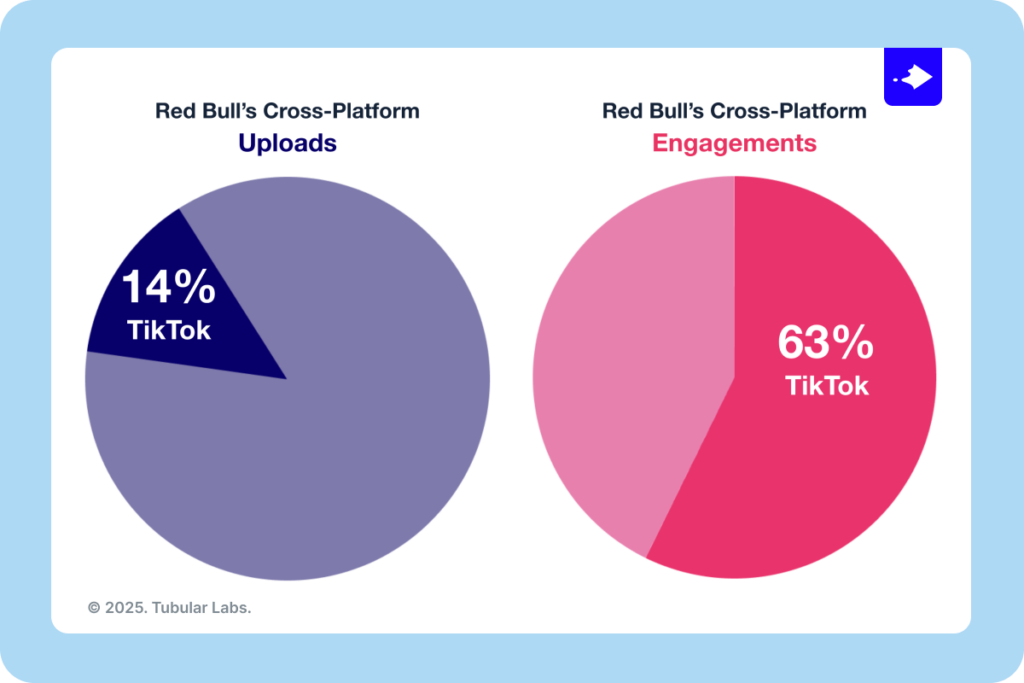
- TikTok Performance: The brand saw an outsized return. While TikTok accounted for only 14% of their total cross-platform uploads, it generated a staggering 63% of their total engagement.
The Implication: If Red Bull had relied on a "global average" performance metric, they might have wasted resources over-optimizing for the wrong platform.
The Heineken/Mikaelgama Case Study
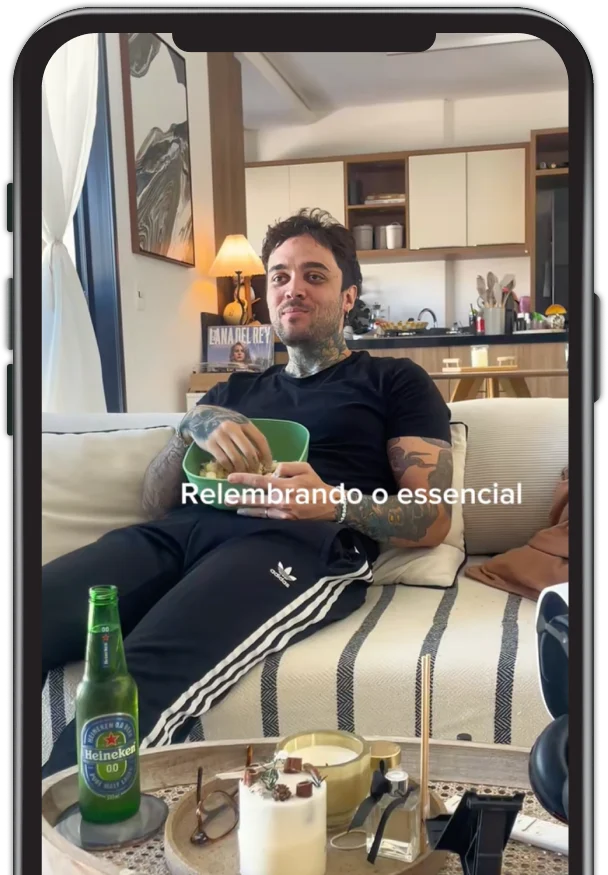
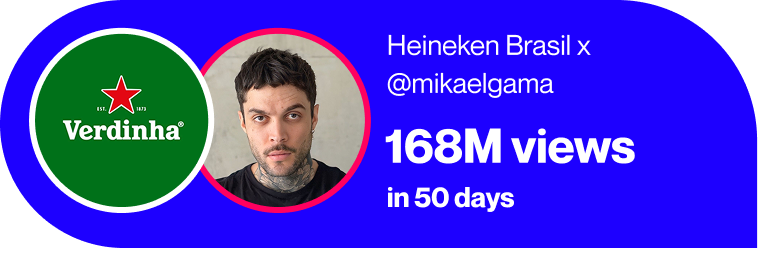
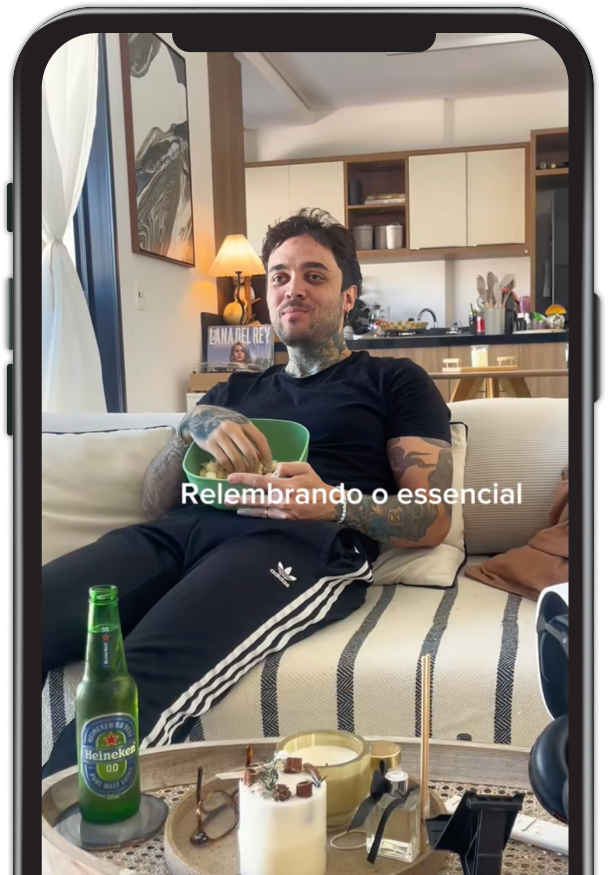
Perhaps the most potent example of "cultural fit" is Heineken’s partnership with Brazilian fashion creator @mikaelgama. Traditional marketing logic would have discouraged a beer brand from partnering with a niche men’s fashion influencer. However, audience overlap data suggested that Mikael’s followers possessed a high "premium aesthetic" affinity that mirrored Heineken’s brand identity.
The result? 168 million views and 1 million engagements in just 50 days. This proves that audience intelligence can identify high-value pockets of consumers that traditional market research would have entirely missed.
Strategic Partnerships: Crossing Industry Boundaries
Charlotte Tilbury and the F1 Academy
Charlotte Tilbury’s decision to partner with the F1 Academy is a masterclass in breaking out of the "beauty silo." By aligning with a high-speed, male-dominated sport (F1), the brand wasn’t just chasing vanity reach; it was strategically positioning itself at the intersection of luxury, performance, and empowerment.
The beauty industry often targets the same demographic repeatedly. By identifying the overlap between beauty enthusiasts and the F1 fan base, Charlotte Tilbury unlocked a new consumer segment, driving a measurable uptick in user-generated content (UGC) and cementing the brand as a lifestyle icon rather than just a cosmetic provider.
Old Spice: The Art of Strategic Publishing
Old Spice provides a blueprint for scale without burnout. Rather than flooding YouTube with daily content, they focused on high-impact, purposeful creative. By leveraging YouTube Shorts and targeting adjacent demographics—people who enjoy comedy, fitness, and gaming—they managed to maintain their status as one of the platform’s largest CPG entities by view count while simultaneously increasing the "quality-per-view" metric.
Implications for Future Campaigns
The evidence presented by these industry titans leads to several critical implications for any CPG brand looking to remain competitive:
- Stop Guessing, Start Measuring: Assumptions about audience behavior are the most expensive mistake a brand can make. If the data says a specific platform favors long-form, don’t force a short-form strategy just because it’s "trendy."
- Prioritize Audience Affinity: When selecting creators, look at what else their audience consumes. Are they searching for similar products? Do they have a shopping affinity that aligns with your brand? This is far more valuable than a high follower count.
- The Death of "Category Fit": The most successful campaigns of 2026 are those that defy expectations. If your brand is a beverage, look at fashion, tech, or sports. The "unexpected" is what creates the intrigue necessary to break through the digital noise.
- UGC is the New Currency: As seen with Charlotte Tilbury, the goal isn’t just to make a video; it’s to trigger a chain reaction of UGC. When a brand creates a partnership that feels authentic, the audience does the marketing for them.
Conclusion: The Path Forward
The divide between a "good" social video strategy and a "great" one is no longer about creative budget—it is about intelligence. While the basics of content creation remain important, the brands that win in the coming years will be those that use data to question the status quo.
The success of Red Bull, Heineken, Charlotte Tilbury, and Old Spice proves that the social landscape is not a monolith. It is a complex ecosystem of niche audiences, evolving platform algorithms, and shifting consumer behaviors. By leveraging audience intelligence to identify where these factors converge, CPG brands can stop chasing trends and start setting them.
As we move deeper into 2026, the mandate for marketing teams is clear: Let the data lead. The audiences are there, waiting to be discovered in the most unexpected corners of the internet. It is up to the brands to use the right tools to find them.
