
The Agentic Browser Era: Google Unveils Chrome Auto Browse and Gemini 3 Integration
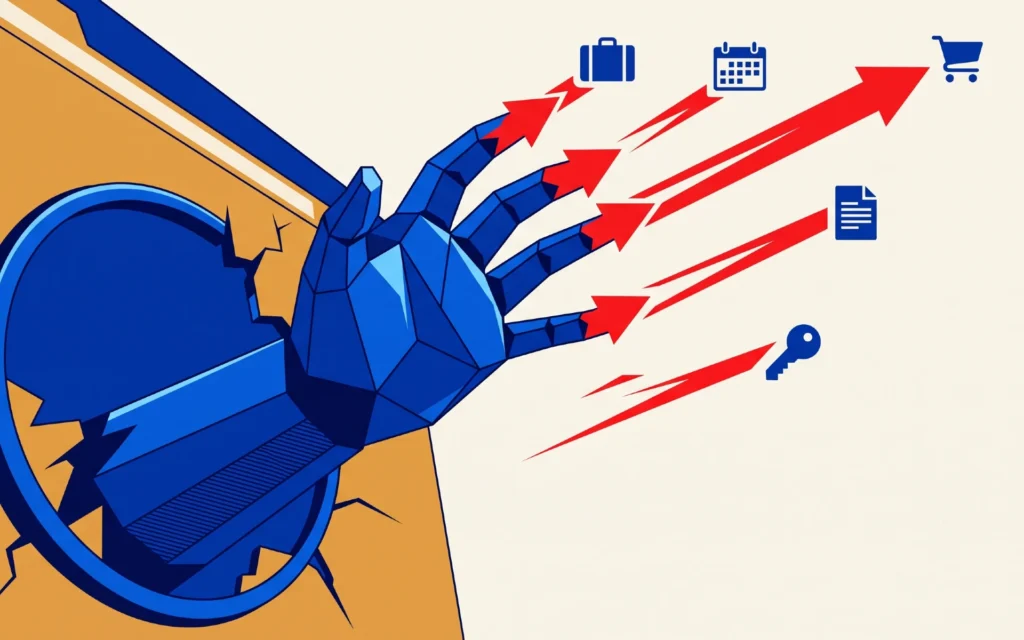
In a move that marks the most significant architectural shift for the world’s most popular browser in over a decade, Google has introduced "Chrome auto browse"—a sophisticated AI-agent capability that executes complex, multi-step tasks without continuous human intervention. Announced today, July 14, 2026, via two concurrent posts on The Keyword, the update represents a bold leap toward the "agentic web," where the browser functions not merely as a window to the internet, but as an active participant in the user’s digital life.
The rollout arrives in two distinct tiers: a geographic expansion of Gemini’s desktop integration to the United Kingdom, and a high-level suite of upgrades—powered by Google’s latest "Gemini 3" model—for Windows, macOS, and Chromebook Plus users globally. Together, these updates signal that Google is ready to move beyond simple chatbot interactions, embedding autonomous intelligence directly into the browser’s foundational layer.
Chronology: A Rapid Evolution of the Browser
The transformation of Chrome from a passive navigation tool to an active AI assistant has been swift. Following the initial integration of Gemini in September 2025, which introduced 10 AI-driven features to US-based users, the browser has seen a continuous stream of iterative updates.
- September 18, 2025: Google deploys the largest upgrade in Chrome history, embedding Gemini-powered features across mobile and desktop platforms for US English-language users.
- January 11, 2026: Google launches the Universal Commerce Protocol (UCP), aiming to standardize how AI agents interact with retail checkout systems.
- April 24, 2026: A massive expansion of the UCP Tech Council occurs, with industry titans including Amazon, Meta, Microsoft, and Salesforce joining the effort.
- July 14, 2026 (Today): Google announces the UK rollout of Gemini in Chrome, the global introduction of the persistent Gemini 3 side panel, and the launch of "Chrome auto browse" for US-based premium subscribers.
- August 2026 (Forthcoming): Google has committed to an iOS expansion for the latest UK-specific AI features.
The New Frontier: Chrome Auto Browse and the Side Panel
The most structurally significant development is the introduction of Chrome auto browse. Building upon the browser’s existing autofill technology—which has long managed basic credentials—auto browse elevates the browser to an "agentic" status. By leveraging the multimodal reasoning of Gemini 3, the tool can navigate websites, interpret visual data, and complete transactional chains.
Google’s internal testing suggests that auto browse is intended to handle high-friction chores. Whether it is comparing hotel prices across a dozen tabs, managing expense reports, or performing complex shopping tasks—such as identifying items in an inspiration photo and adding them to a cart within a specific budget—the agent acts as a proxy for the user. It can even utilize Google Password Manager to authenticate its actions, effectively allowing the browser to "log in" and transact on the user’s behalf.
Complementing this is the new persistent side panel. Unlike previous iterations where Gemini felt like a pop-up, the new interface is anchored. It stays open across tabs, allowing users to keep their primary workflow in the main window while the AI summarizes content, checks calendars, or extracts data from multiple sources simultaneously.
Supporting Data and Security Concerns
Despite the technological promise, Google’s announcements have been met with a mix of excitement and skepticism, particularly regarding security. The company emphasizes that its models are trained to recognize threats like "prompt injection"—where an attacker tricks an AI into performing unauthorized actions—and that it includes "confirmation checkpoints" for sensitive tasks.
However, the industry remains on edge. Research by the Brave security team regarding the "Comet" browser found that AI-integrated browsers can be up to 85% more vulnerable to phishing and indirect prompt injection attacks. Even more concerning are findings from FAIR at Meta, which demonstrated that top-tier AI models can be deceived by simple, human-written injections in up to 86% of realistic test scenarios.
Google’s announcement lacks the granular technical documentation or independent red-team findings that security researchers consider standard for such sensitive features. While the company provides assurances, it has not yet opened its "auto browse" safeguards to independent adversarial auditing, leaving a gap between marketing promises and proven security resilience.
Official Stance and Governance: The Universal Commerce Protocol
A critical component of this launch is the integration of the Universal Commerce Protocol (UCP) directly into the browser layer. By embedding UCP, Google is attempting to solve the fragmentation of online retail.
While the protocol was launched in early 2026 with partners like Shopify, Etsy, and Wayfair, adoption has historically lagged. As of May 2026, Originality.ai reported only 26 public UCP implementations. By forcing UCP into Chrome, Google is effectively creating a "must-have" standard for merchants. If a retailer wants to participate in the frictionless, agent-driven economy that Google is building, they will likely be compelled to adopt the protocol. This move shifts the power dynamic of e-commerce, moving the "point of sale" from the merchant’s website to the browser’s agentic interface.
Implications: The Death of the Traditional Click
The move to agentic browsing carries profound consequences for the digital ecosystem—specifically for advertisers and publishers.
1. The Attribution Crisis
Standard web analytics are built on the premise of a human-driven clickstream. An agentic browser that navigates, researches, and transacts internally creates a "black box" in the funnel. If a price-comparison agent visits a site 40 times in an hour, it may be indistinguishable from 40 human visits in raw server logs, yet it generates zero human-equivalent engagement. Current attribution models, which rely on user-intent signals like search queries and page-level interactions, are not equipped to handle a scenario where the browser itself is the user.
2. The Publisher "Zero-Click" Problem
Publishers face an even more existential threat. Randomized field experiments from April 2026 indicate that AI-assisted search tools can drive a nearly 40% reduction in outbound organic clicks. If users can ask the Chrome side panel to "summarize the top five product reviews" for a specific item, the underlying publishers lose the traffic that fuels their advertising revenue. While Google frames this as a productivity gain for users, it effectively strips the "referral" value from the open web, potentially cannibalizing the very content the AI uses to train.
3. Market Dominance
With Chrome commanding roughly 66% of the global browser market, Google is not just participating in this ecosystem; it is dictating the rules of engagement. By integrating AI agents into the browser layer, Google is transforming the internet into a service that is mediated by its own proprietary models.
Summary of Key Developments
- Scope: The UK now has access to the full Gemini in Chrome suite, while US AI Pro/Ultra subscribers gain early access to the autonomous "auto browse" agent.
- Interface: A persistent side panel is now the standard for Gemini interactions, enabling cross-tab multitasking.
- Standards: The Universal Commerce Protocol is now native to Chrome, paving the way for seamless, agent-led checkouts.
- Outlook: While Google positions these updates as a leap in personal intelligence, the lack of third-party security audits and the potential for massive disruption in publisher traffic and ad attribution suggest a period of significant volatility for the digital economy.
As Google pushes toward this "Personal Intelligence" era, the browser is no longer just a tool for viewing the web—it is becoming the web’s primary gatekeeper. For marketers, publishers, and security professionals, the next year will be defined by one central question: can an ecosystem built on human interaction survive an age of autonomous agents?
