
The Half-Time Report: Evaluating the "Martech 2030" Vision at the Start of 2026
As the calendar turns to 2026, the marketing technology industry finds itself at a significant waypoint. Five years ago, in a seminal report titled Martech 2030, industry observers Jason Baldwin and Scott Brinker outlined a bold, five-pillar vision for the "Decade of the Augmented Marketer."
With the halfway point of that decade now reached, the industry is not merely reviewing a historical document; it is assessing the roadmap of its own rapid evolution. By pressure-testing these predictions against the current reality—and even inviting leading AI models like ChatGPT, Claude, and Gemini to act as graders—we can discern which facets of our digital future have crystallized and which remain works in progress.
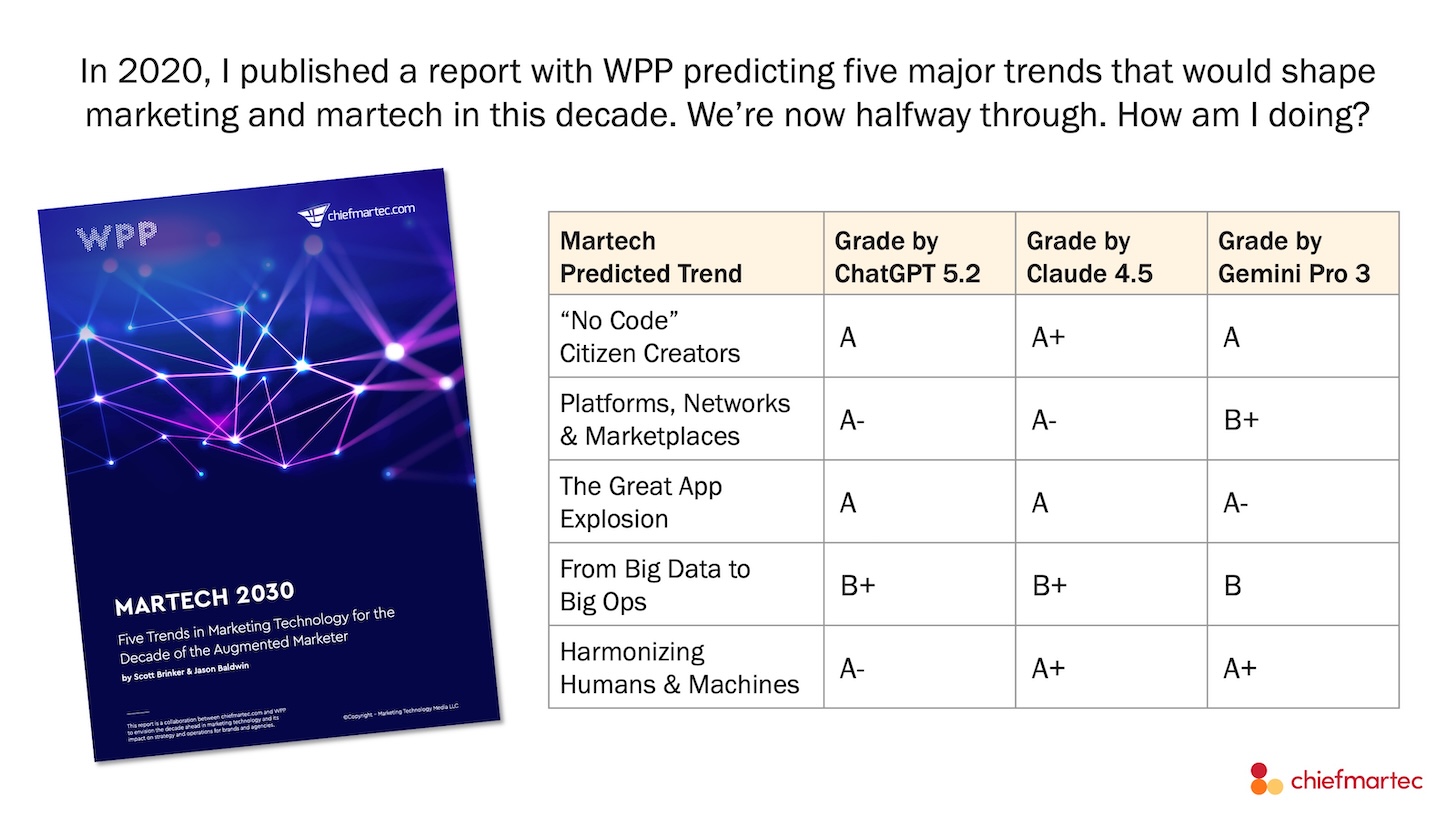
Main Facts: The Five Pillars of the Augmented Marketer
The Martech 2030 report was predicated on the belief that the intersection of human creativity and machine capability would define the next decade of commercial growth. The five core trends identified were:
- "No Code" Citizen Creators: The democratization of software development where marketers act as builders.
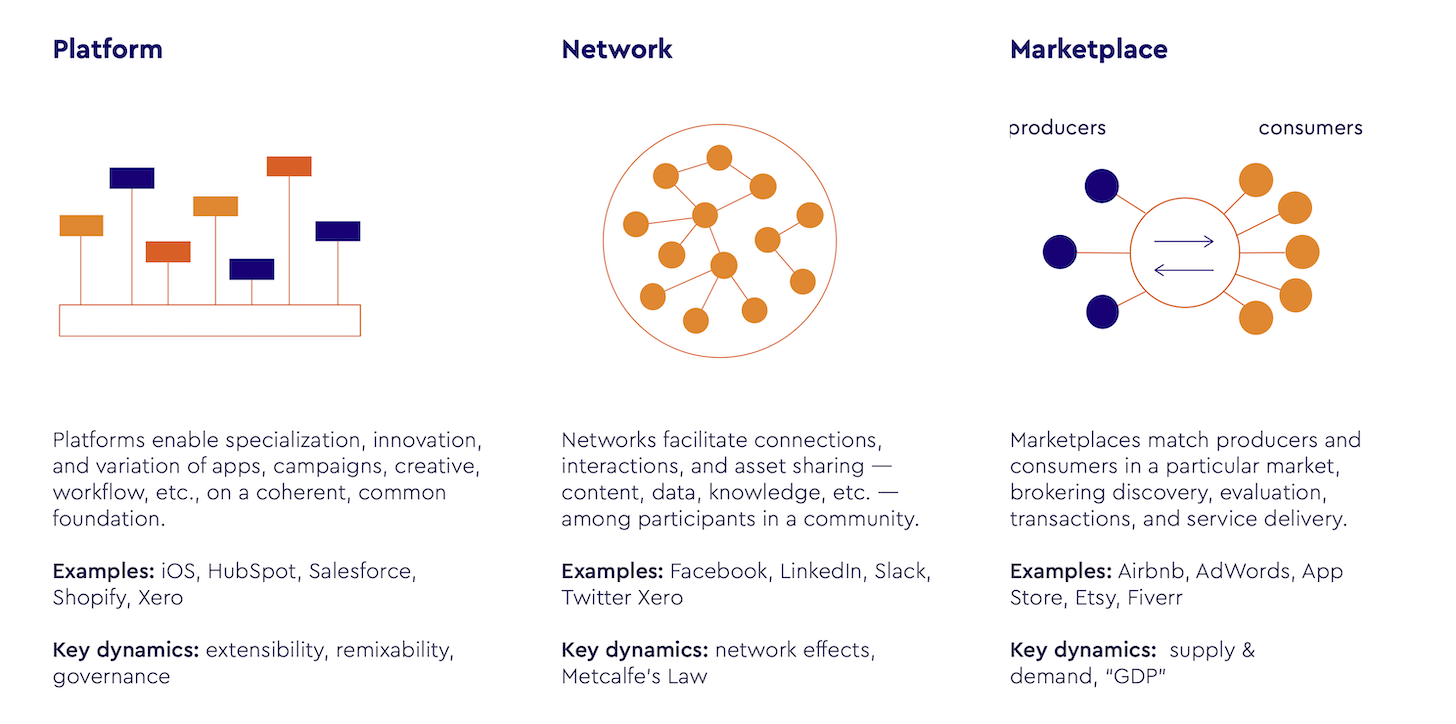
- Platforms, Networks, and Marketplaces: A shift from linear value chains to interconnected ecosystem graphs.
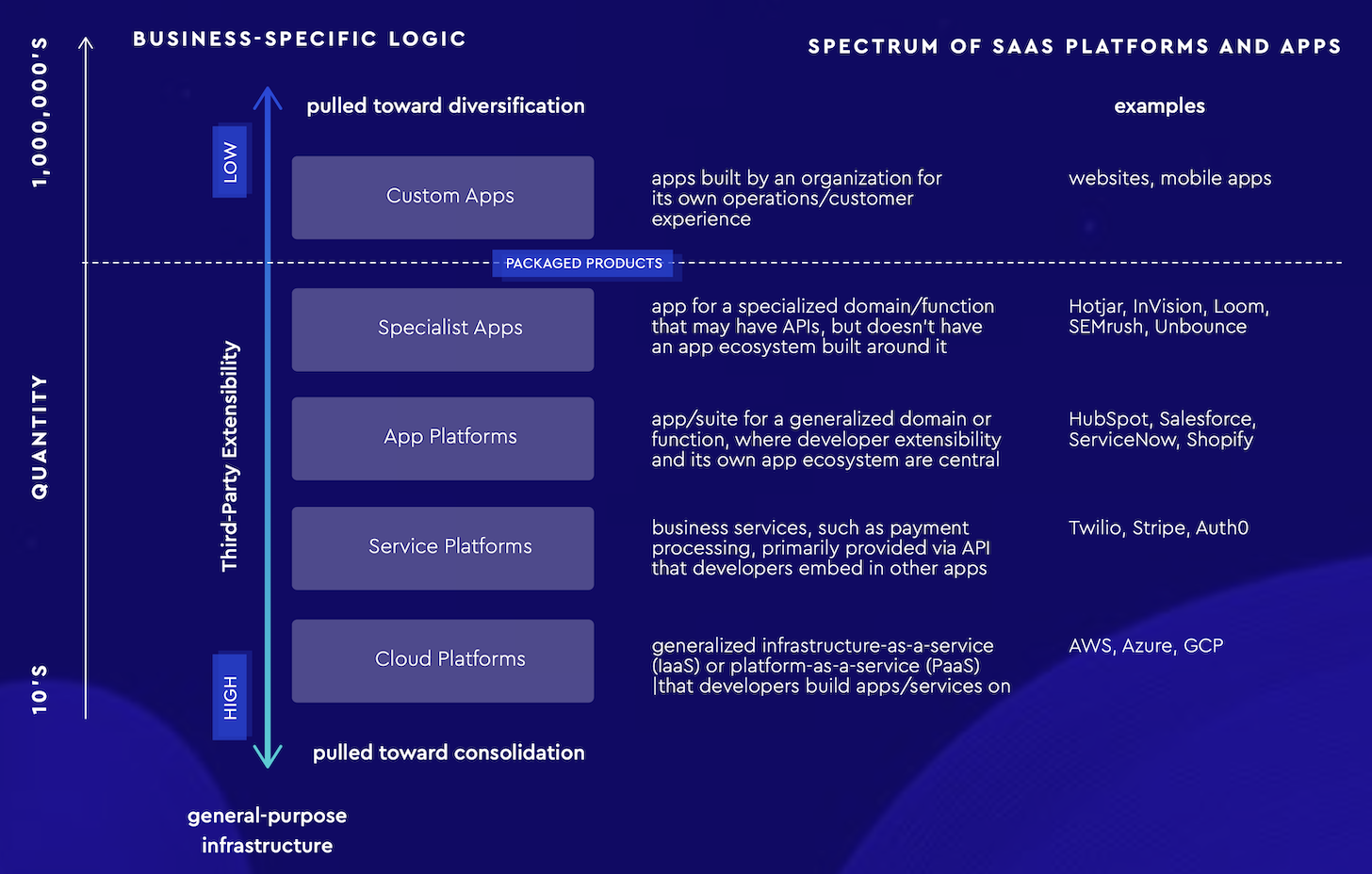
- The Great App Explosion: The proliferation of specialized software, moving from thousands of commercial apps to billions of custom-built, internal "hypertail" solutions.
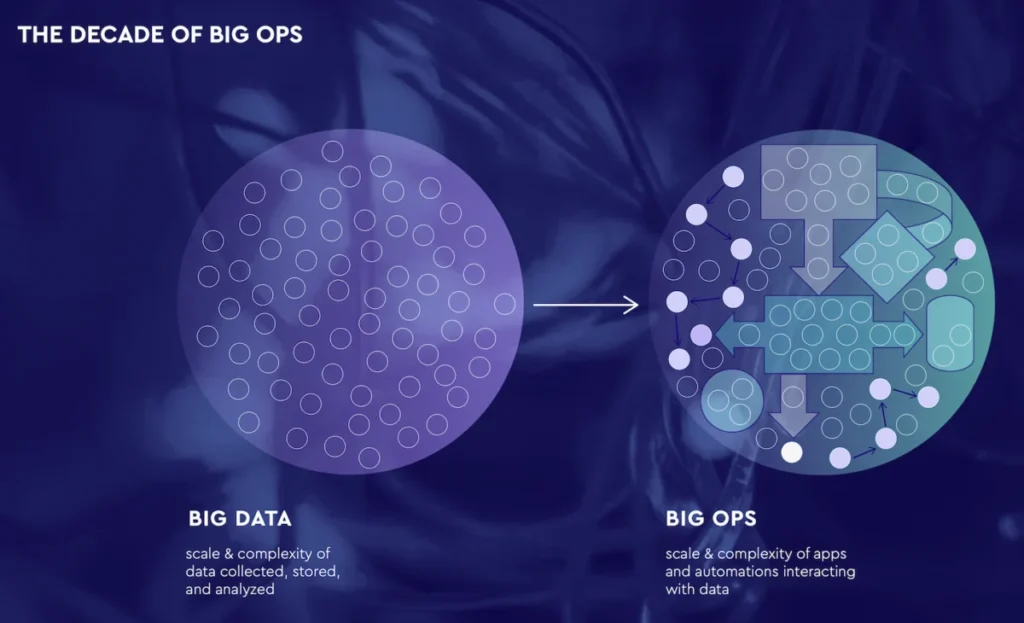
- From Big Data to Big Ops: The transition from merely collecting data to managing the complex orchestration of thousands of automated agents.
- Harmonizing Humans and Machines: The synthesis of AI assistance with human strategic oversight.
Chronology: From 2021 Projections to 2026 Reality
In 2021, the martech landscape was dominated by the "suite vs. best-of-breed" debate. Looking back, 2022 served as the inflection point: the public release of generative AI tools fundamentally altered the velocity of these trends.
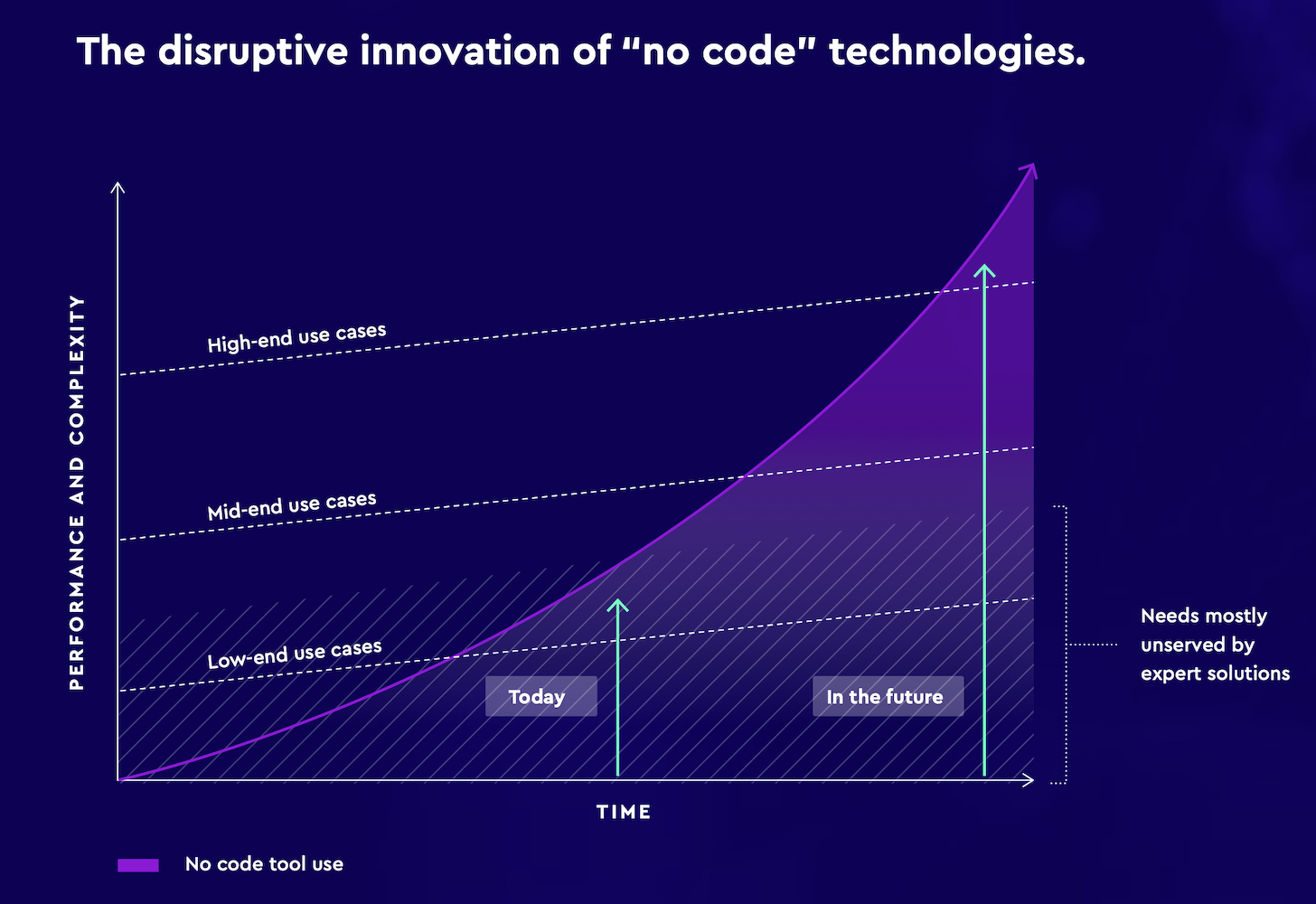
By 2023 and 2024, the "no-code" movement transitioned from drag-and-drop interfaces to natural language interfaces. In 2025, the industry witnessed the "Summer of Vibe Coding," a phenomenon where non-engineers began using LLMs to architect functional applications. As we enter 2026, the industry has shifted its focus from the novelty of AI generation to the necessity of AI orchestration—the "Big Ops" era.
Supporting Data and Technical Realities
The empirical evidence supporting these trends is found in the sheer scale of the current martech landscape. Despite constant calls for market consolidation, the number of commercial solutions has nearly doubled since 2020, rising from approximately 8,000 to over 15,384 by mid-2025.
- The Vibe Coding Impact: The rise of platforms like Bolt, Lovable, and Replit has lowered the barrier to entry for software creation to effectively zero. Andrej Karpathy’s assertion that "the hottest new programming language is English" has moved from a catchy quote to a professional standard.
- Marketplace Dominance: Hyperscalers—AWS, Google Cloud, and Microsoft—have become the primary conduits for software distribution, transacting an estimated $45 billion annually in enterprise software sales.
- The Hypertail: While commercial martech continues to grow, it is being dwarfed by the rise of internal, custom-built applications. Organizations are no longer just buying software; they are manufacturing it to suit specific, localized operational needs.
Official Assessments: AI as the Peer Reviewer
In a meta-commentary on the state of the industry, the original authors invited AI models to grade their 2021 predictions. The feedback was largely positive, with AI models awarding high marks—including A+ grades—for the vision regarding the harmonization of humans and machines.
The AI reviewers noted that while the labels for these trends have evolved—for instance, "Buyer Bot Optimization" (BBO) has transitioned into the more accurate "AI Engine Optimization" (AEO)—the underlying logic of the predictions remains sound. The consensus among the models was that the authors had correctly identified the direction of the technology, even if the velocity of AI-driven disruption exceeded initial expectations.
Implications for the Modern Enterprise
The implications of these trends for organizations are profound, necessitating a complete re-evaluation of marketing operations.
The Governance Gap
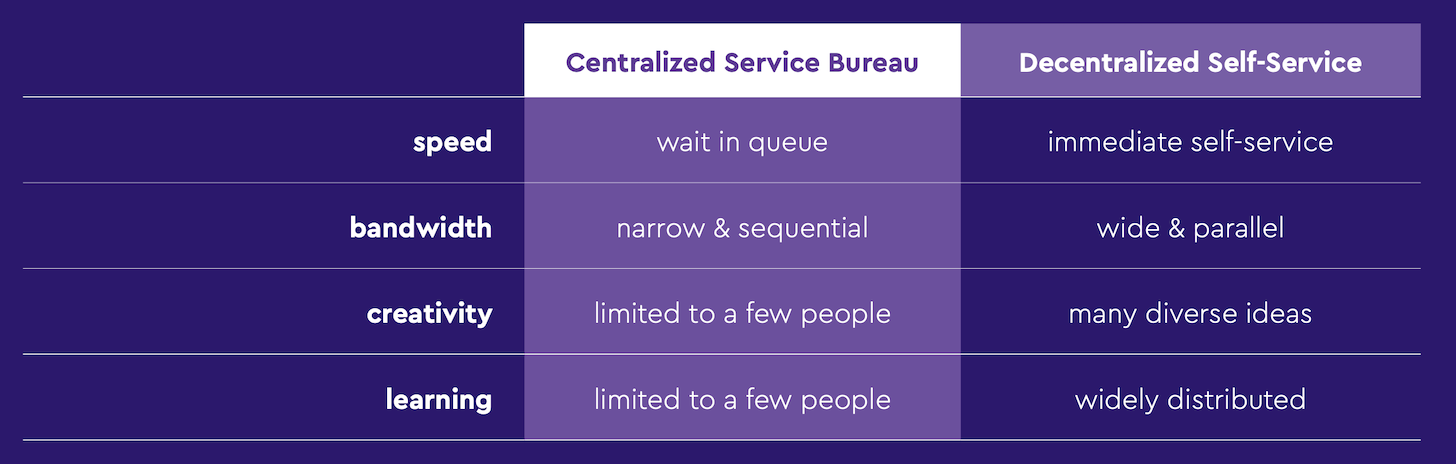
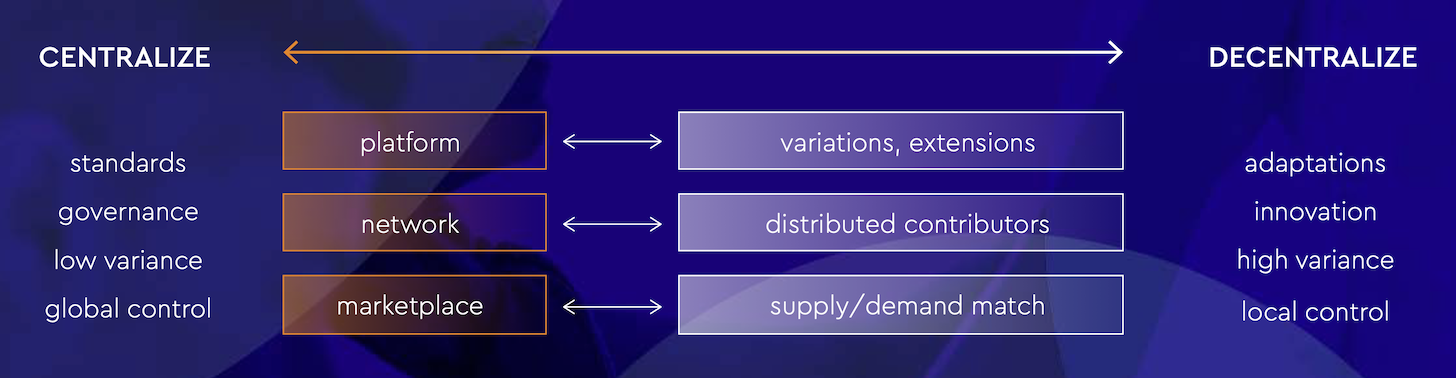
While "No Code" and "Vibe Coding" have empowered marketers, they have simultaneously created a "governance vacuum." Organizations are currently struggling to balance the speed of decentralized, self-service creation with the requirements of brand consistency, data security, and regulatory compliance. The challenge for 2026 is no longer about enabling creativity, but about institutionalizing guardrails.
The Shift to Ecosystems
The "suite vs. best-of-breed" dichotomy is effectively dead. Modern enterprises are now operating within complex ecosystems. The ability to integrate across heterogeneous stacks—using platforms like Databricks and Snowflake as universal data layers—has become a competitive necessity. Those still clinging to linear, siloed go-to-market strategies are finding themselves at a structural disadvantage compared to organizations that treat their tech stack as an interconnected network.
The Orchestration Wars
"Big Ops" represents the next great frontier. As companies deploy hundreds of parallel apps and autonomous agents, the ability to orchestrate these components becomes the primary source of value. This has triggered an "Orchestration War," where major public martech companies (Adobe, Salesforce, HubSpot), data platforms (Snowflake, Databricks), and next-gen agent automation platforms (CrewAI, n8n) are competing for the "central nervous system" role within the enterprise.
Data as Oil Paint
Perhaps the most enduring metaphor from the Martech 2030 discourse is that data is not "the new oil," but rather "the new oil paint." This distinction is critical: oil is a raw commodity meant to be burned; paint is a medium for creation. Big Ops is the process of taking the raw pigments of data and, through intelligent orchestration, creating a masterpiece of customer experience.
Conclusion: Looking Toward 2030
Amara’s Law, which states that we tend to overestimate the short-term impact of technology while underestimating its long-term effects, appears to be holding true. The Martech 2030 report did not just predict tools; it predicted a fundamental shift in the nature of marketing work.
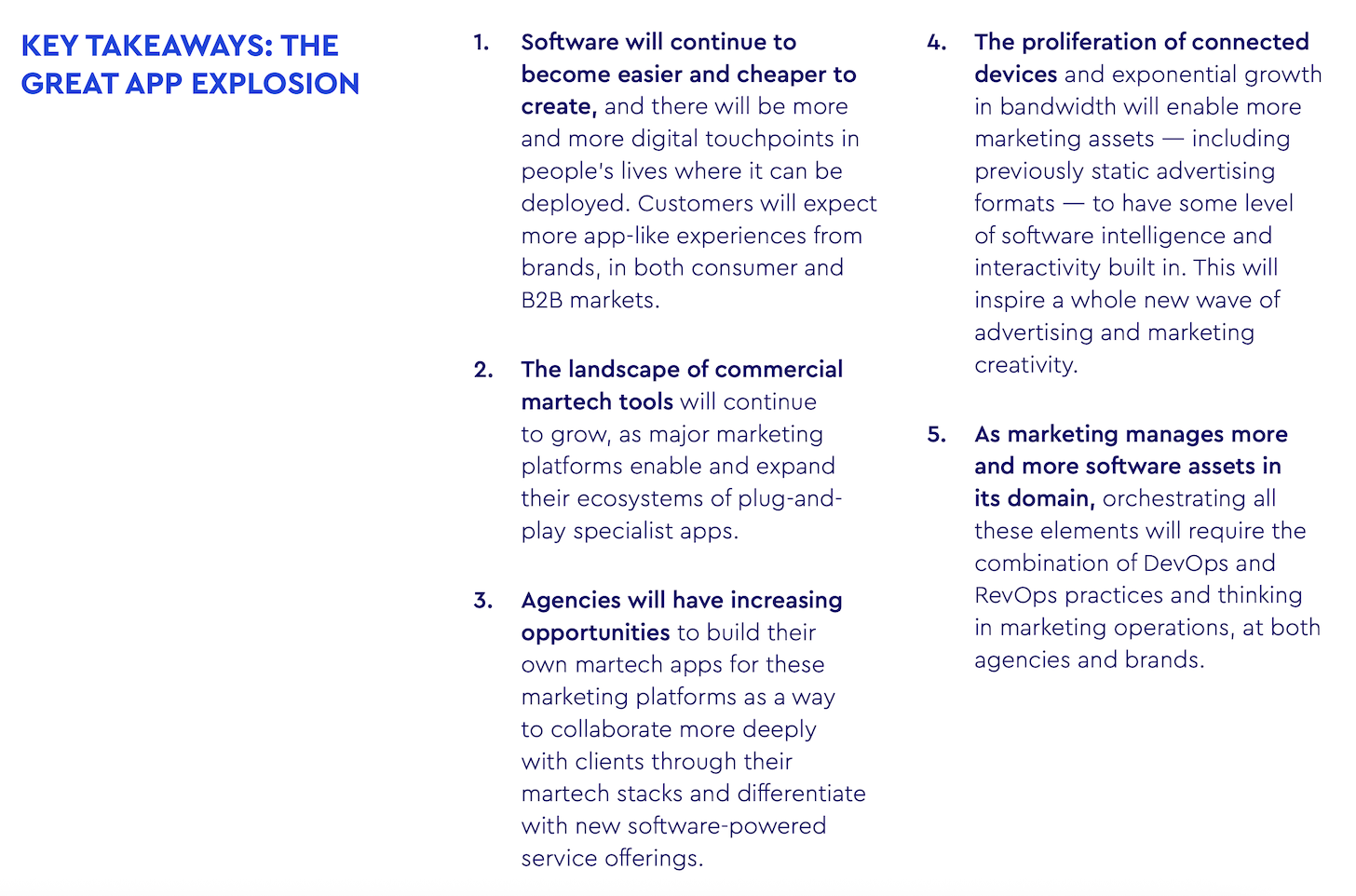
As we look toward the final half of the decade, the industry is clearly moving toward a reality where marketing is decentralized in its creation but centralized in its orchestration. The next five years will likely see the "hypertail" of custom applications explode further, as the ability to "vibe code" becomes a standard skill set for every marketer, not just a technical few.
The journey from 2021 to 2026 has been marked by rapid, often disorienting change. If the first half of the decade was about the Augmented Marketer, the second half will likely be defined by the Autonomous Organization. With the pace of AI development showing no signs of deceleration, the only certainty is that the "Martech 2030" final report card will look vastly different than the current draft. For now, the industry has its mandate: build the systems, refine the orchestration, and prepare for the next wave of the digital evolution.
