
Compliance at the Border: Decoding TikTok Shop’s July 2026 Policy Overhaul
On July 10, 2026, TikTok Shop released its monthly Policy Pulse digest, a comprehensive summary of 15 distinct operational updates that took effect throughout the preceding month. While the platform frequently issues guidance on account housekeeping and minor interface tweaks, the June update carries a significantly higher level of urgency. The most consequential element of this month’s bulletin is the formal integration of the U.S. Consumer Product Safety Commission’s (CPSC) mandatory electronic filing (eFiling) requirements into TikTok Shop’s own seller compliance framework.
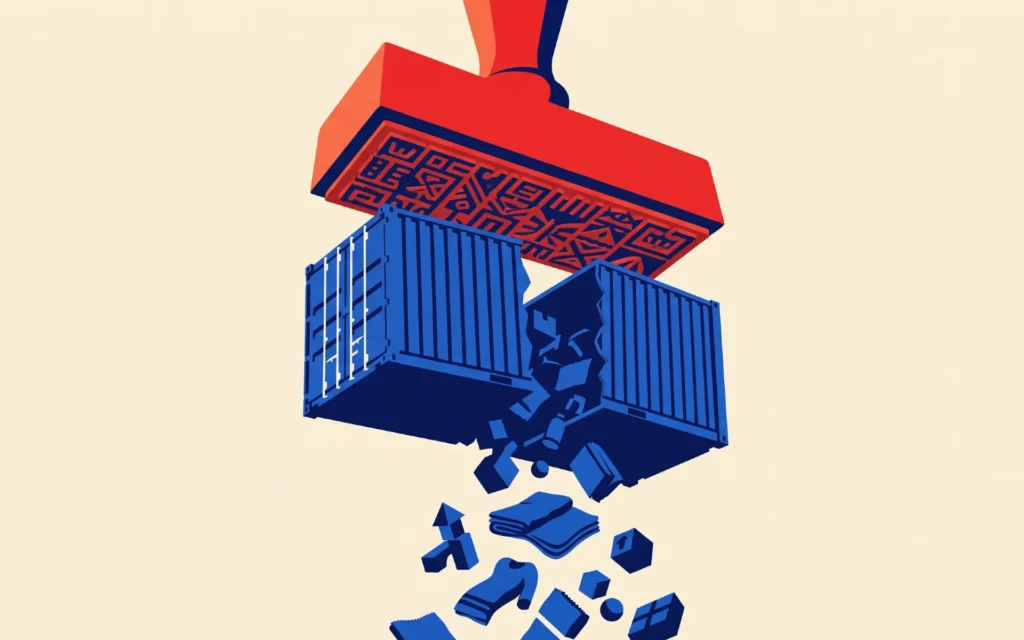
This shift signals a departure from internal platform policing to a role where TikTok Shop acts as a critical relay for federal oversight. With the CPSC’s eFiling mandate taking full effect on July 8, 2026, the stakes for US sellers have moved beyond internal account health—they now face the risk of product seizures, logistical gridlock, and permanent border-level disruptions.
The CPSC Filing Mandate: A New Regulatory Reality
The core of the July digest is the preparation for the CPSC’s eFiling program. Under these federal rules, importers of products requiring a Children’s Product Certificate (CPC) or a General Certificate of Conformity (GCC) must submit standardized certificate data electronically before the goods can clear U.S. Customs and Border Protection.
TikTok Shop has explicitly warned its seller base that this requirement applies regardless of shipment volume. A critical detail that many small-to-medium enterprises (SMEs) may overlook is the lack of a "de minimis" exemption. Even shipments valued under $800—which historically enjoyed a more streamlined entry process—are subject to this scrutiny. Given that a substantial portion of TikTok Shop’s business model relies on high-frequency, low-value direct-to-consumer parcel shipments, this rule effectively forces thousands of sellers to overhaul their logistics and documentation pipelines.
The Distinction Between CPC and GCC
To prevent non-compliance, TikTok Shop’s guidance provides a rigid framework for documentation:
- Children’s Product Certificates (CPC): Mandated for items such as toys and baby gear, these require testing by a CPSC-accredited laboratory. Compliance includes rigorous standards (ASTM F963) covering hazards like lead, phthalates, magnets, button-cell batteries, and small parts.
- General Certificates of Conformity (GCC): Applicable to non-children’s consumer products, these rely on a "reasonable testing program." While these do not always require a CPSC-accredited lab, the records must still be robust enough to withstand agency scrutiny.
The platform has been clear: these certificates are not interchangeable. Misclassification is a primary cause for enforcement action, and the platform expects sellers to maintain these records for a minimum of five years.
Chronology of the 2026 Regulatory Shift
The path to this current regulatory environment has been a steady progression of increased oversight by the platform:
- May 15, 2026: Implementation of the three-tier Restricted Products Policy, establishing category-level, product-level, and invite-only qualification tiers.
- June 19, 2026: Release of stringent "Toys and Hobby Products" requirements, mandating certificates dated within the last 365 days.
- June 25, 2026: TikTok Shop publishes its dedicated CPSC eFiling Guide, signaling the upcoming federal enforcement.
- July 8, 2026: The CPSC’s eFiling mandate officially takes effect at U.S. borders.
- July 10, 2026: TikTok Shop publishes the Policy Pulse digest, formalizing the integration of these federal rules into its internal seller enforcement policy.
Supporting Data: Operational Enforcement Changes
Beyond the CPSC mandate, the June update introduces significant changes to how TikTok Shop manages daily operations, tracking, and customer satisfaction.
Shipment Tracking and Delivery Metrics
The platform is cracking down on "phantom" shipping data. Sellers who attempt to manipulate delivery timelines—such as logging false pickup confirmations or scanning items before they leave the warehouse—face severe penalties. Under the updated enforcement policy, confirmed violations may lead to extended settlement periods or total shop deactivation.
Furthermore, the On-Time Delivery Rate (OTDR) has been refined. For orders shipped through "Collection by TikTok" or "Upgraded TikTok Shipping," sellers will no longer be penalized for carrier-induced delays, provided the seller dispatched the package within the agreed-upon Service Level Agreement (SLA). However, this does not grant a "get out of jail free" card; the Late Dispatch Rate remains a strict, separate metric that influences overall account health.
Connected Accounts and Transparency
TikTok Shop has tightened its "Connected Accounts" policy. If a seller operates multiple shops, the platform will now evaluate them based on shared digital fingerprints: device IDs, IP addresses, payment details, and shared supply chain entities. If one shop falls into non-compliance, the platform reserves the right to shutter all connected storefronts. This prevents "account hopping," where bad actors attempt to bypass suspension by opening new shop identities.
Official Responses and Support Tiers
A contentious aspect of the new policy is the disparity in support provided to different seller categories. TikTok Shop has drawn a sharp line regarding who receives direct assistance:
- Full-Service Sellers: These entities receive active filing support from the platform.
- Education-Only Tier: Partner-owned-Partner-operated, Cross-border, Affiliate Cross-border, and Local-to-Local sellers are expected to manage their own eFiling.
This means that a vast majority of the seller ecosystem is currently operating on an "education-only" basis. For these merchants, the responsibility for navigating complex U.S. customs software and ensuring certificate accuracy falls entirely on their own internal teams or third-party logistics partners. TikTok Shop’s stance is that these sellers are the importers of record, and therefore, the legal burden rests with them.
Implications for the Future of TikTok Commerce
The ripple effects of these changes are profound. For the average marketer or merchant, the "compliance burden" has shifted from internal platform policy to federal law.
Increased Barrier to Entry
The cumulative effect of these policies—from the Restricted Products Policy to the new CPSC requirements—is a significantly higher barrier to entry. New sellers can no longer simply list products; they must demonstrate a sophisticated level of regulatory compliance before their first sale. This is likely to lead to a market consolidation where only well-capitalized, experienced importers can sustain the cost of testing, filing, and potential regulatory audits.
Risk of "Systemic Ripple"
The upcoming transition from the older "Violation Points" system to the "Account Health Rating" system is critical. Previously, a documentation error might have resulted in a localized penalty. Under the new rating system, a single failure in documentation or a spike in OTDR violations can trigger a cascading effect that degrades a seller’s visibility, restricts access to promotional tools, and eventually leads to the suspension of the entire business entity.
The Role of AI and Automation
Interestingly, TikTok Shop is also leaning into automation to help sellers navigate these waters. The introduction of AI-generated warning messages—which flag potential fulfillment issues based on customer sentiment and image analysis—suggests that the platform is attempting to provide proactive "nudges" to prevent enforcement before it becomes necessary. While these warnings currently carry no penalties, they represent a data-driven approach to policing that will likely become more aggressive as the technology matures.
Conclusion
The July 2026 Policy Pulse is more than a list of rules; it is a manifestation of TikTok Shop’s evolution into a mature, federally-aligned marketplace. Sellers who view these changes as mere "platform suggestions" are likely to face significant disruption. As the U.S. government continues to tighten the net on low-value, high-volume imports, TikTok Shop is signaling to its sellers that the era of loose oversight has ended. For the remainder of 2026, success on the platform will be defined not just by viral content or ad spend, but by the ability to manage the intricate, often unforgiving, machinery of international trade compliance.
