

The Agency Architect: Building a Lean, High-Margin Marketing Tech Stack
Marketing agencies rarely perish from a lack of talent or ambition. More often, they collapse under the weight of their own infrastructure. In an industry obsessed with the “next big thing,” agencies frequently fall into the trap of tool proliferation. They layer subscription upon subscription, creating a Frankenstein’s monster of disconnected software that turns billable hours into administrative busywork and bleeds margins through redundant seat costs.
For the modern agency, the objective is not to acquire the most tools, but to build the most efficient architecture. This guide explores how to construct a lean, agency-ready stack that prioritizes operational speed, granular control, and long-term profitability.
The Anatomy of an “Agency-Ready” Tool
To distinguish between a consumer-grade application and an agency-ready solution, one must look beyond feature checklists. As client volume scales, the operational hurdle shifts from “Can we perform this service?” to “Can we perform this service consistently, profitably, and without errors across fifty different accounts?”
An agency-ready tool must possess four foundational traits:
- Multi-Tenant Architecture: The ability to manage multiple clients or workspaces from a single “pane of glass” without logging in and out.
- Granular Permissioning: Control over who sees what, ensuring that client-facing team members don’t accidentally compromise sensitive configurations.
- Repeatable Workflows: Tools that allow for the cloning of campaigns, templates, and reporting structures to minimize manual setup.
- Automated Governance: Reporting and billing features that eliminate the need for end-of-month manual data scrubbing.
Chronology of the Modern Agency Stack
The evolution of the agency stack has moved through three distinct phases:
- The Manual Era (Pre-2010s): Agencies relied heavily on spreadsheets, email chains, and localized software. While cheap, this created massive bottlenecks as the client list grew.
- The Disconnected Boom (2010–2020): The explosion of SaaS led agencies to adopt “best-in-class” tools for every niche function. While performance improved, the lack of integration led to the current crisis of tool sprawl.
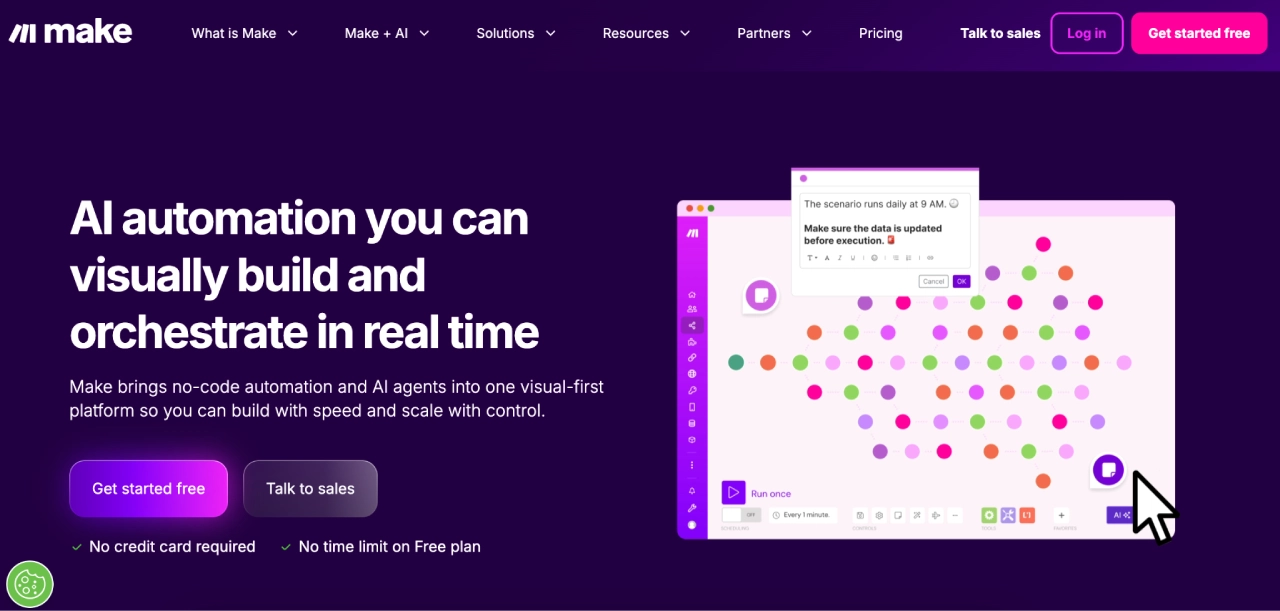
- The Consolidation Era (2025–Present): Today, successful agencies are prioritizing "operational hubs." They are actively auditing their stacks to remove redundant platforms, favoring tools that offer multi-client management and robust integration capabilities (via Zapier or Make).
Supporting Data: Selecting Your Core Operational Layers
No agency should attempt to use all the tools listed in the current market. Instead, maturity is defined by selecting a core "operating system" and surrounding it with a thin layer of specialized software.

The Email Marketing Tier
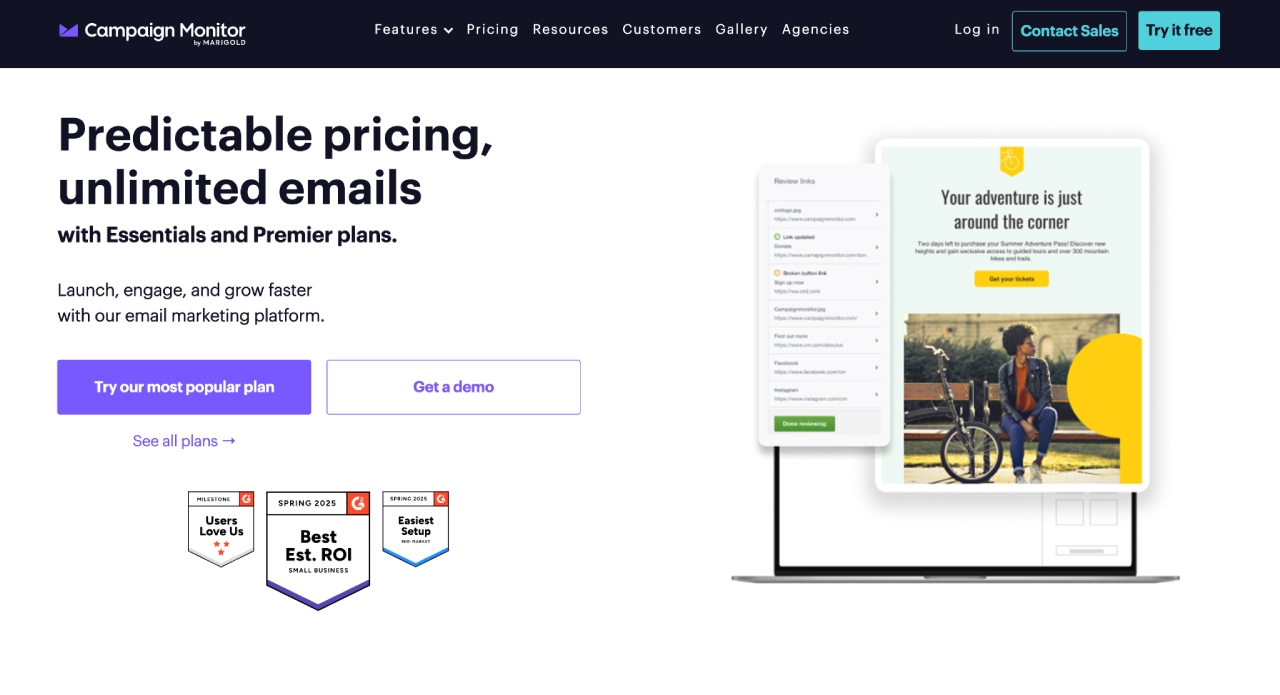
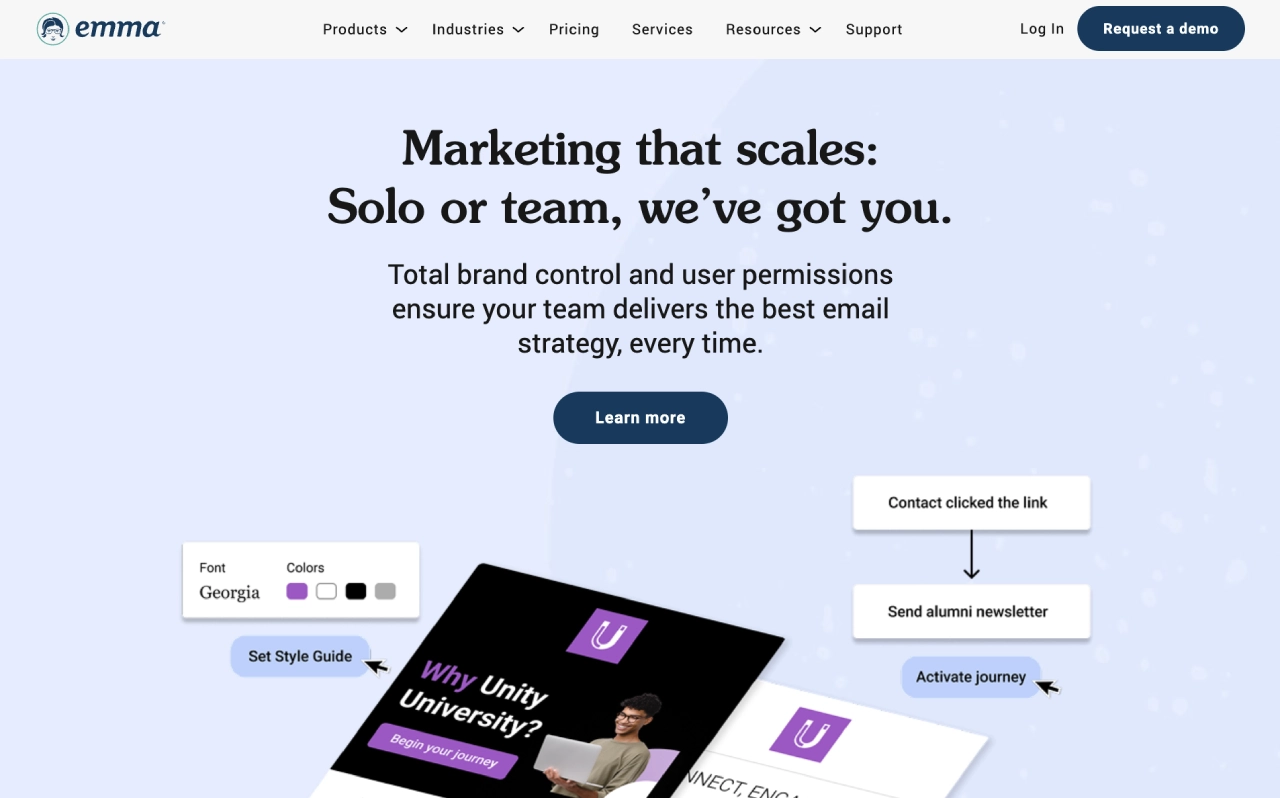
Email marketing remains the highest-margin service for many agencies, provided the delivery is standardized. Platforms like Campaign Monitor are designed to act as the agency’s central command for email. With features like white-labeling, multi-client dashboards, and consolidated billing, it transforms email from a bespoke, high-touch task into a scalable productized service. For larger enterprises requiring brand governance across disparate locations, Emma offers a more rigid, control-heavy alternative.
The Project Management Tier
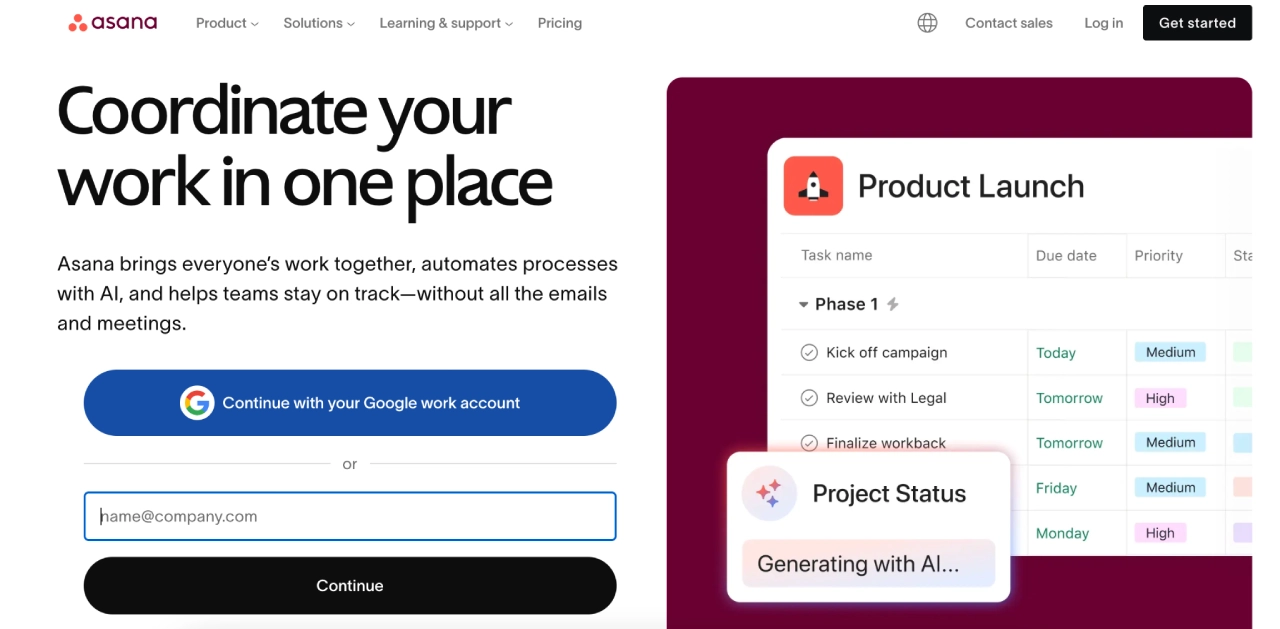
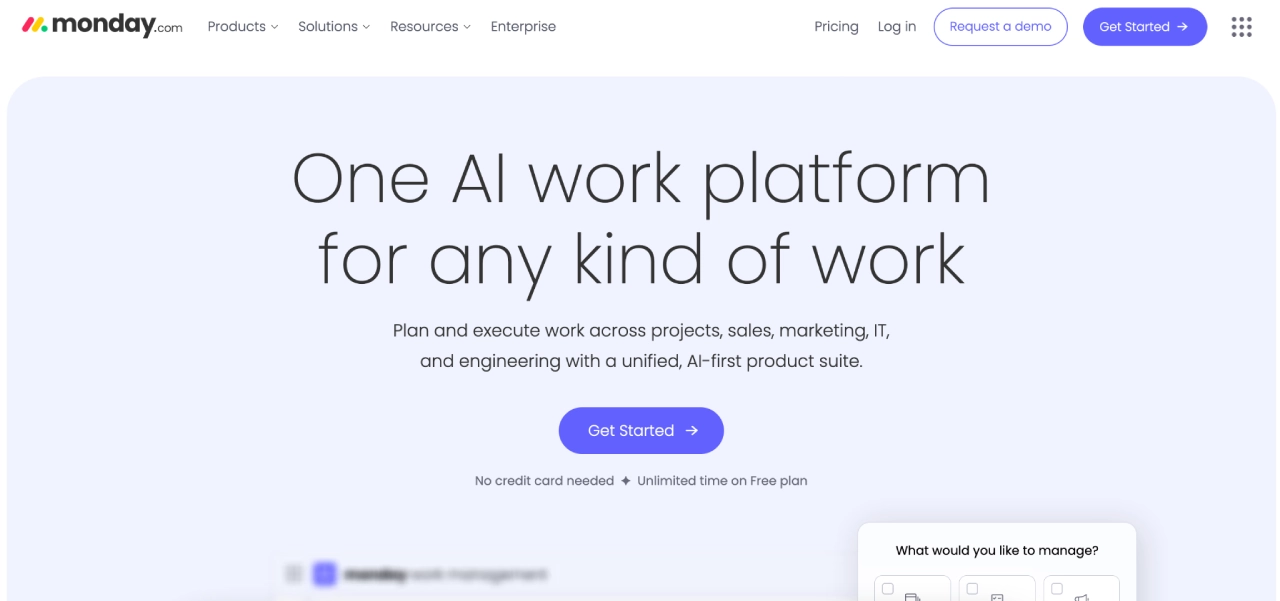
The friction between "doing the work" and "managing the work" is where agency profits evaporate. Asana provides structured delivery workflows, which are essential for agencies that manage complex, multi-step campaigns. monday.com, by contrast, offers a more visual, highly customizable interface that is ideal for agencies that need to shift their reporting style to suit different client preferences.

The Sales & CRM Tier
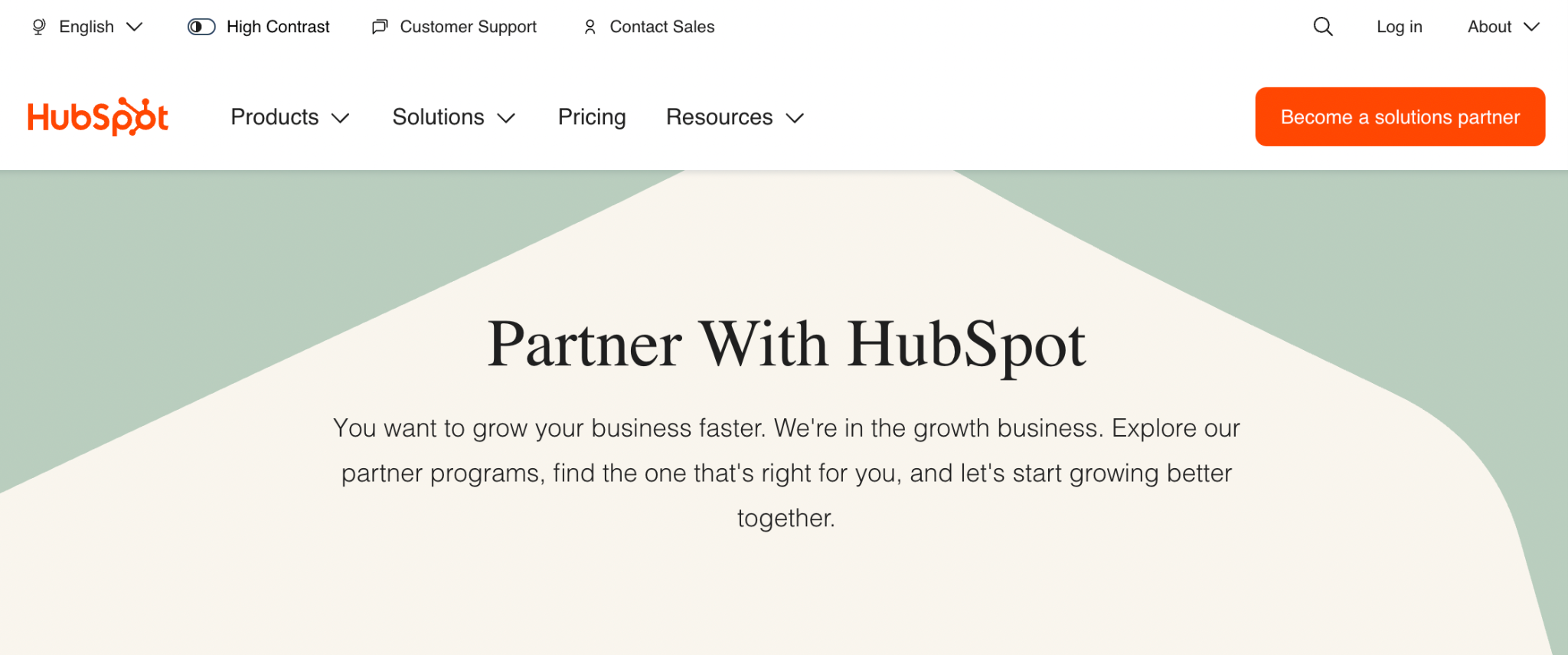
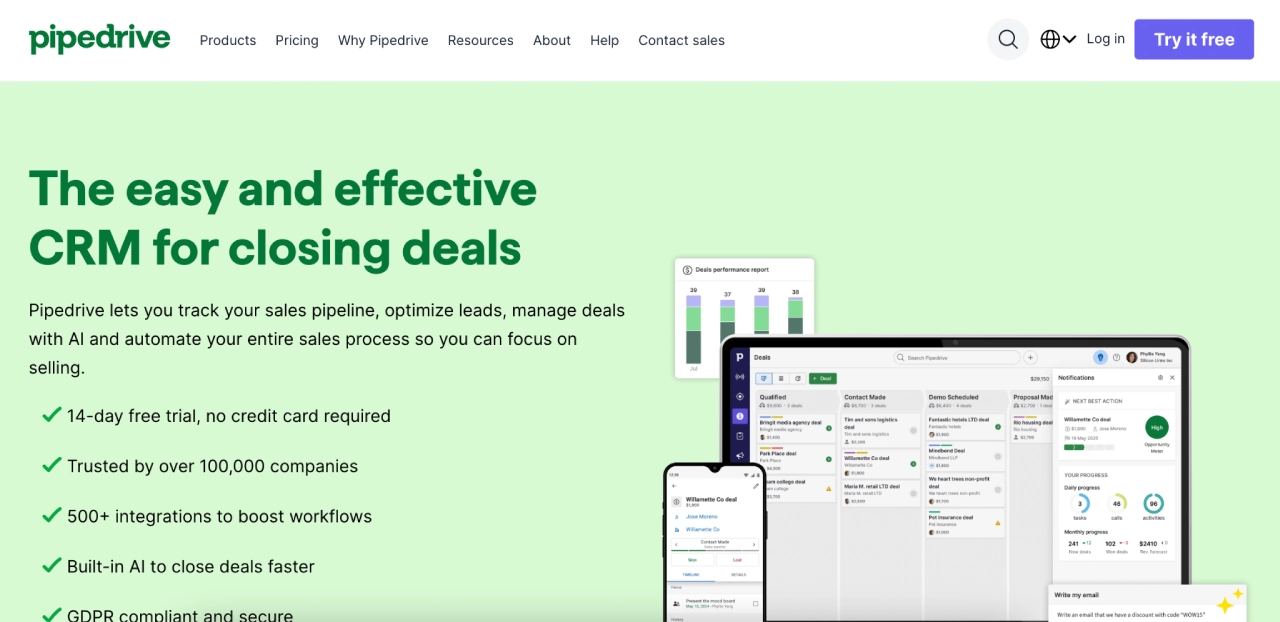
Sales is the lifeblood of any agency, yet it is often the most neglected department in terms of tooling. HubSpot Sales Hub serves as the gold standard for firms that want a CRM deeply integrated with their marketing activity. However, for smaller or boutique agencies, Pipedrive offers a more streamlined, "low-friction" approach to pipeline management that doesn’t require a dedicated administrator to maintain.

The Reporting & Analytics Layer
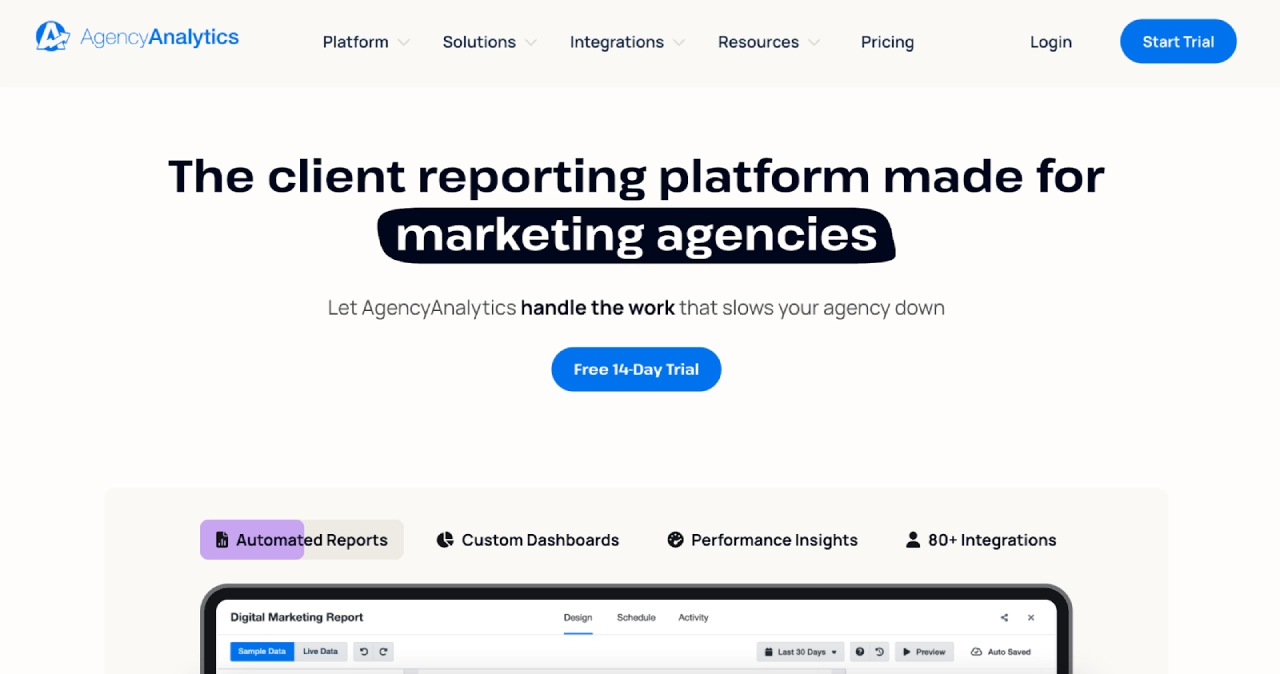
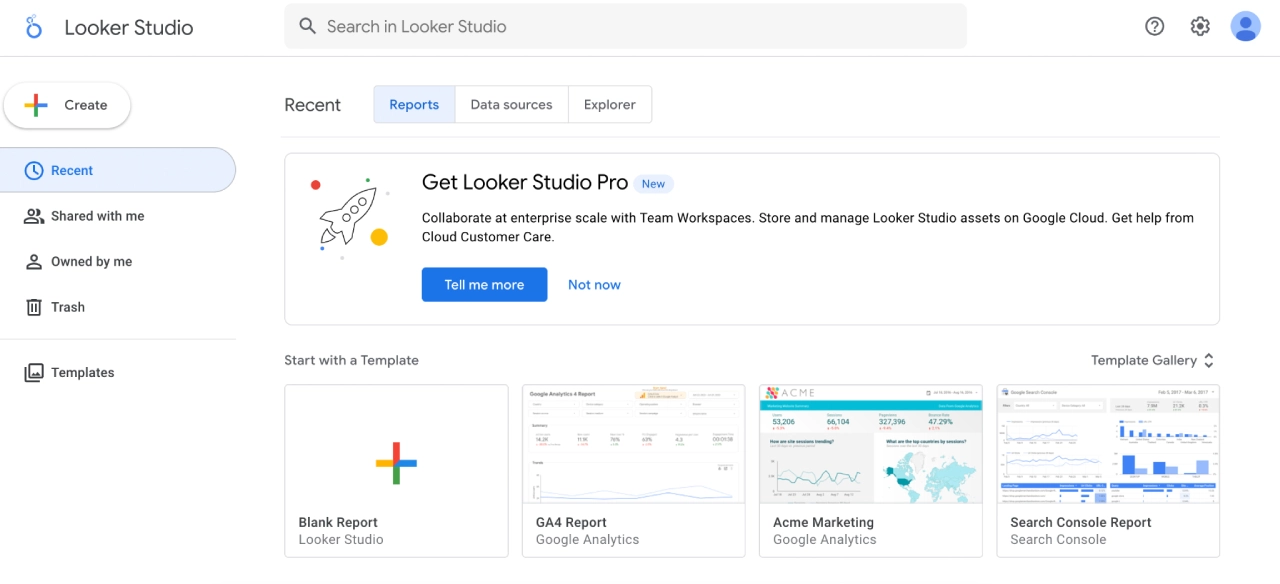
The "end-of-month report" is the single biggest time-sink in agency life. AgencyAnalytics has gained market dominance by automating this process, pulling data from various channels into a white-labeled dashboard. For agencies with lower budgets but higher technical capacity, Looker Studio provides a powerful, albeit more manual, route to custom visualizations.
Operational Implications: When Costs Compound
A critical mistake in agency growth is failing to model how software costs compound. Many tools offer an attractive entry price—for example, a $12/month seat—but these costs rarely grow linearly. As you add clients, you often trigger higher-tier usage fees, contact-count charges, or mandatory enterprise upgrades.
Agencies must conduct a quarterly "Stack Audit." Ask three questions:

- Is this tool used by 100% of the team? If only one person uses a specific software, it is a liability, not an asset.
- Is the cost per client decreasing? If your software costs are rising faster than your revenue per client, your margins are being eroded by your own tech stack.
- Is there a native integration? If a tool requires manual data entry to "talk" to your other systems, it is a net negative for productivity.
Contrarian Insight: The Workflow-First Mandate
There is a pervasive myth that a new software tool will solve an agency’s underlying operational failures. The reality is that software cannot fix a broken process.
If your team is inconsistent, implementing a new project management tool will only lead to inconsistent entries in a more expensive system. The most successful agencies define their service boundaries and delivery models before they sign up for a new platform. Once the workflow is defined, the tool acts as a multiplier. Before that, it is merely an expensive digital distraction.

Summary: A Strategic Framework for Selection
To build a resilient agency, organize your tech stack into these four categories:
- The Delivery Core: (e.g., Campaign Monitor for email, Asana for projects) – The tools that define how you produce your output.
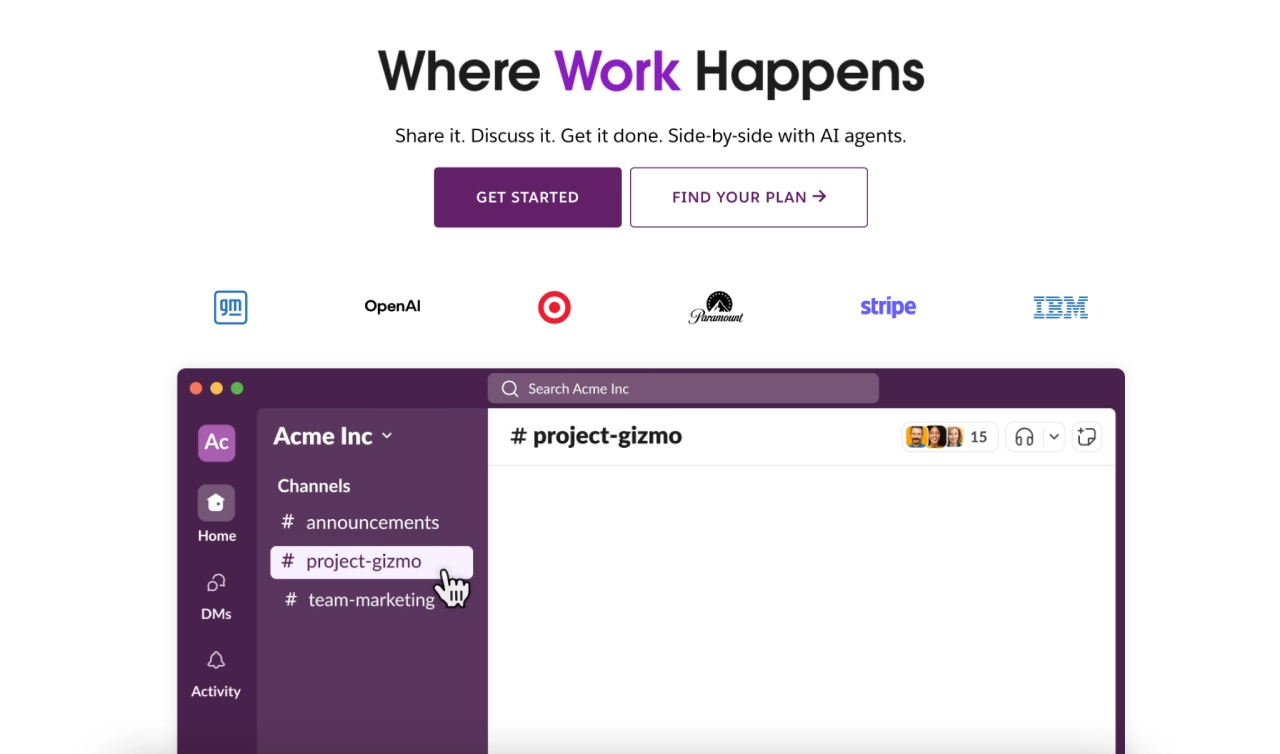
- The Communication Layer: (e.g., Slack) – The centralized hub for team and client coordination.
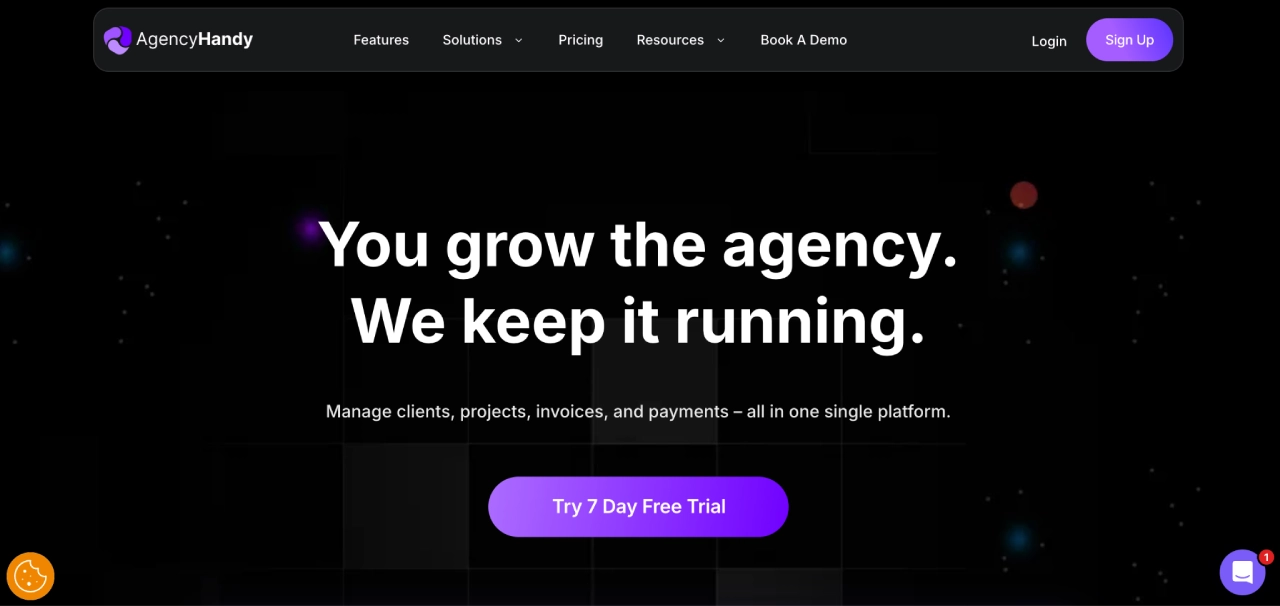
- The Reporting & Billing Layer: (e.g., AgencyAnalytics, PandaDoc) – The systems that prove value and ensure you get paid.
- The Automation Layer: (e.g., Zapier, Make) – The "connective tissue" that ensures data flows between your delivery, communication, and reporting tools without human intervention.
Conclusion: Turning Tools into Systems
The goal of the modern marketing agency is not to master every tool, but to curate a stack that disappears into the background. When your systems are properly integrated, your team stops "managing tools" and starts "delivering results."

For agencies that provide email marketing, this is particularly vital. By utilizing a platform built for agency-scale management—such as Campaign Monitor—you can eliminate the manual labor of re-creating campaigns and auditing permissions for every new client account. This level of standardization is the difference between an agency that struggles to scale and one that thrives.
As you look at your current stack, challenge yourself to remove the bloat. Simplify your systems, standardize your delivery, and prioritize tools that grow with you, rather than those that penalize your success.

Disclaimer: The information in this article is provided for general informational purposes and does not constitute financial, legal, or professional advice. All software features and pricing models are subject to change; always verify current terms with the respective providers before making procurement decisions.
