
The AI Agency Dilemma: Moving Beyond Automation Toward Profitable Scale
In the rapidly evolving landscape of digital marketing, artificial intelligence has shifted from a novelty to an operational necessity. Yet, for many marketing agencies, the transition has been messy. While AI tools promise unprecedented scale, they frequently deliver a different outcome: operational chaos, bloated tech stacks, and eroded profit margins.

The true competitive advantage for modern agencies no longer lies in merely adopting AI, but in architecting a "precision stack" that accelerates delivery, protects margins, and enhances the quality of client-facing work. This report examines the current state of agency-focused AI tools, the strategic frameworks for implementation, and the imperative of maintaining human-led control in an automated era.
The Core Challenge: Automation vs. Value
The primary pitfall for agencies today is "automation for automation’s sake." When agencies bolt on disconnected AI tools without a central strategy, they inadvertently create "tool sprawl." This leads to duplicated costs, fragmented data, and an increased burden on staff who must reconcile outputs from disparate platforms.
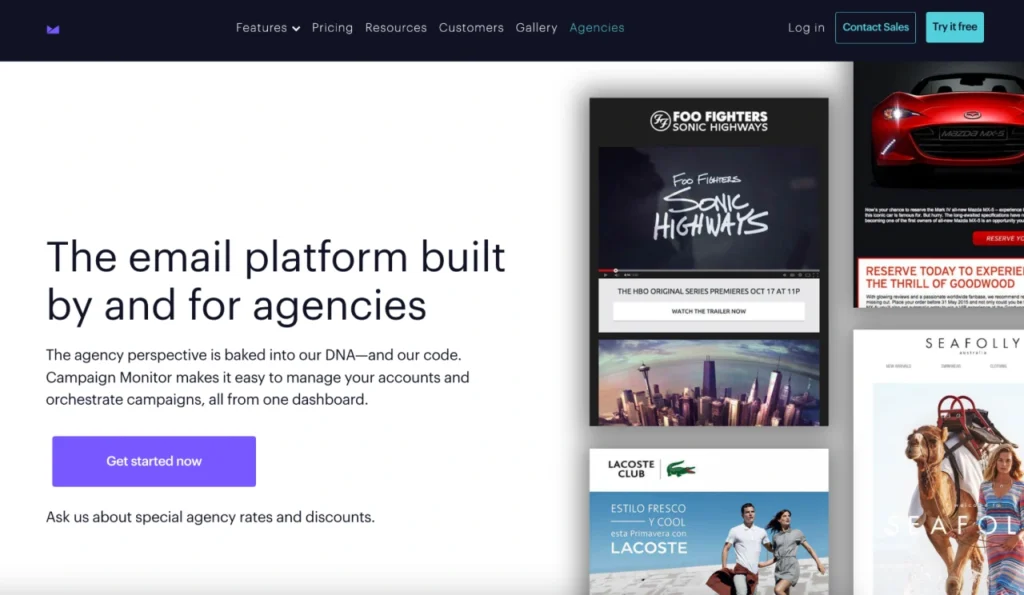
A sustainable AI-powered workflow requires an anchor—a reliable, high-integrity platform that manages the final mile of client delivery. Whether it is email marketing, campaign management, or reporting, the stack must be built to support, not replace, the agency’s core value proposition.
A Taxonomy of AI Tools for Marketing Agencies
To navigate the landscape, agencies must categorize tools by their functional impact. Below is a breakdown of the current market leaders categorized by their core utility.

Content Creation & Operations
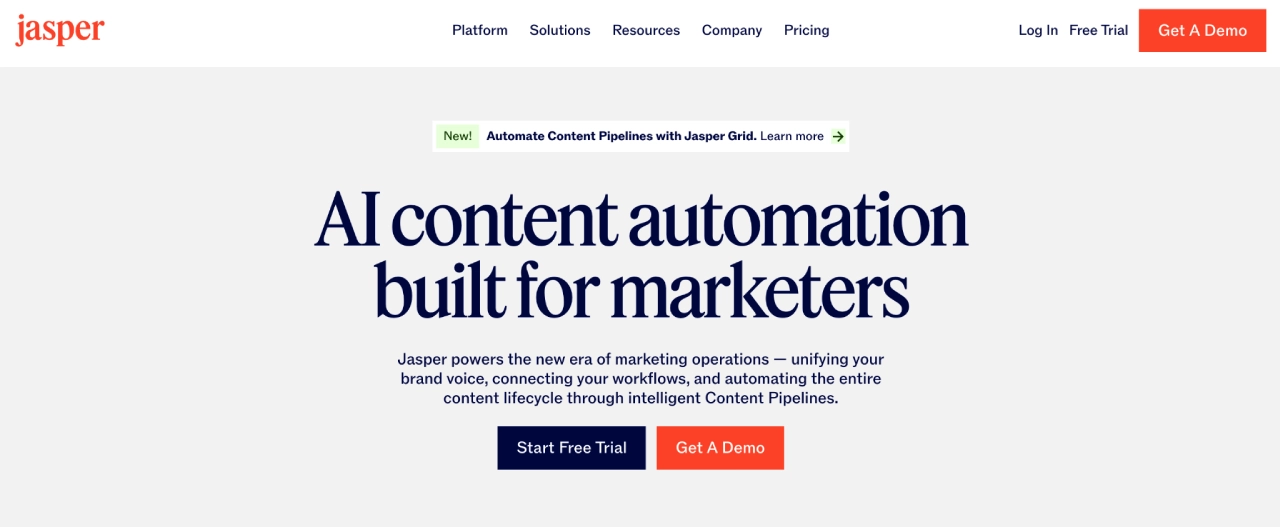
- Jasper: The gold standard for brand-aligned content. Its "Brand Voice" and "Jasper IQ" features ensure that output maintains a consistent tone, which is critical for agencies juggling multiple clients.
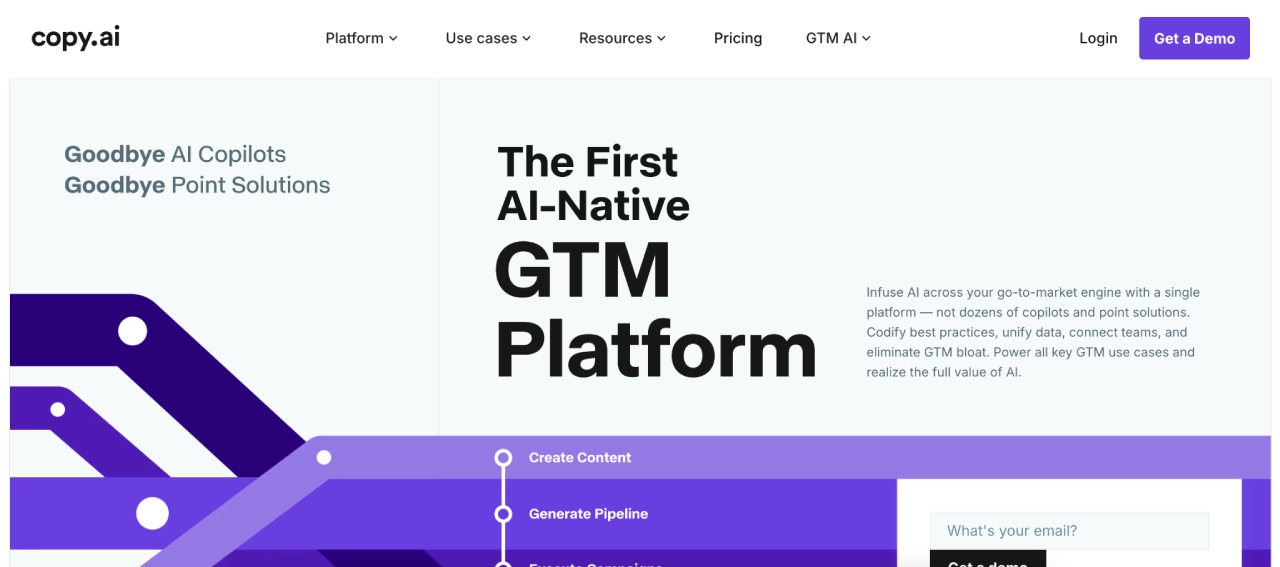
- Copy.ai: Designed for GTM (Go-to-Market) workflows. Its ability to create "Content Agents" that can be trained on specific playbooks makes it a powerhouse for repetitive, high-volume marketing tasks.
Performance & Ad Management
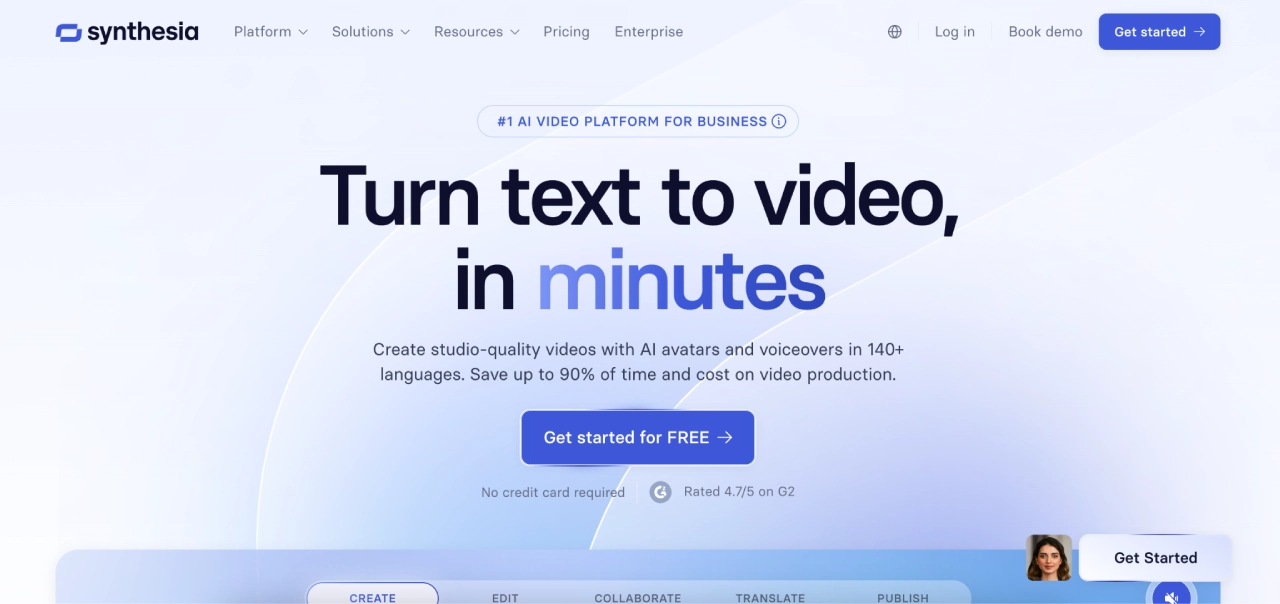
- Madgicx: An essential for Meta ads. By automating creative fatigue detection and performance auditing, it allows media buyers to focus on strategy rather than granular optimization.
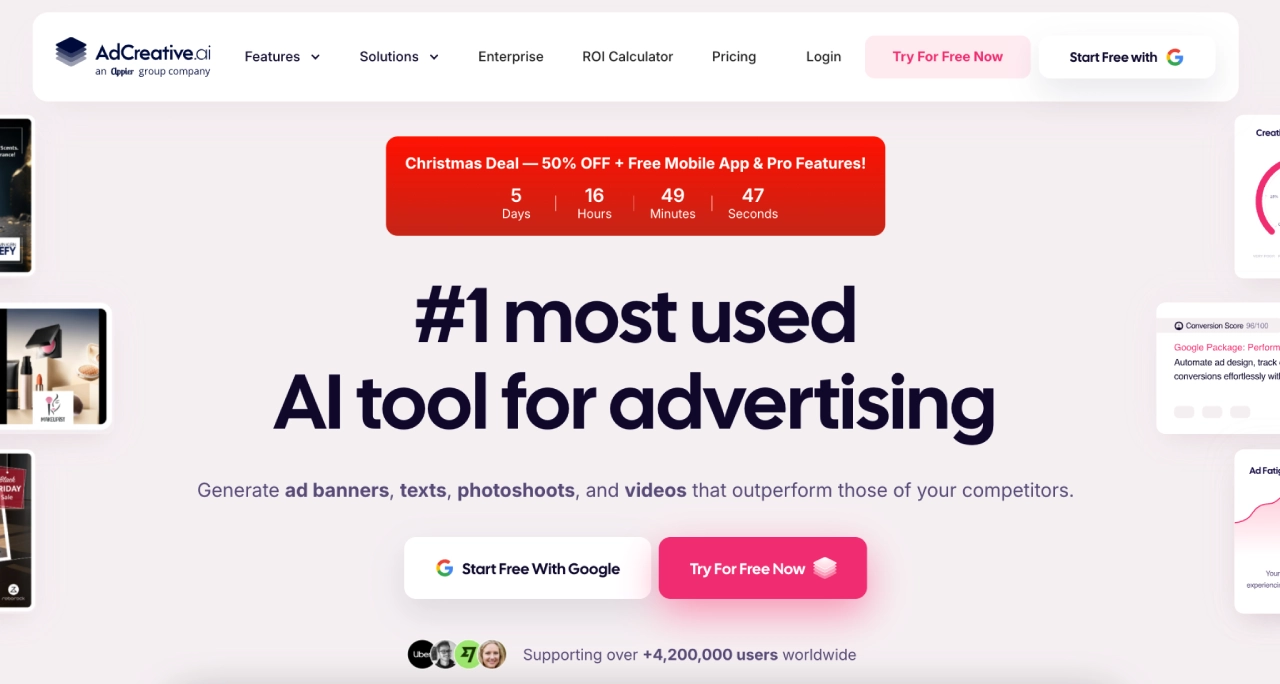
- AdCreative.ai: Specializes in predictive creative scoring. It removes the guesswork from ad design by analyzing what will likely convert before a single dollar is spent on testing.
Data, Attribution & Reporting
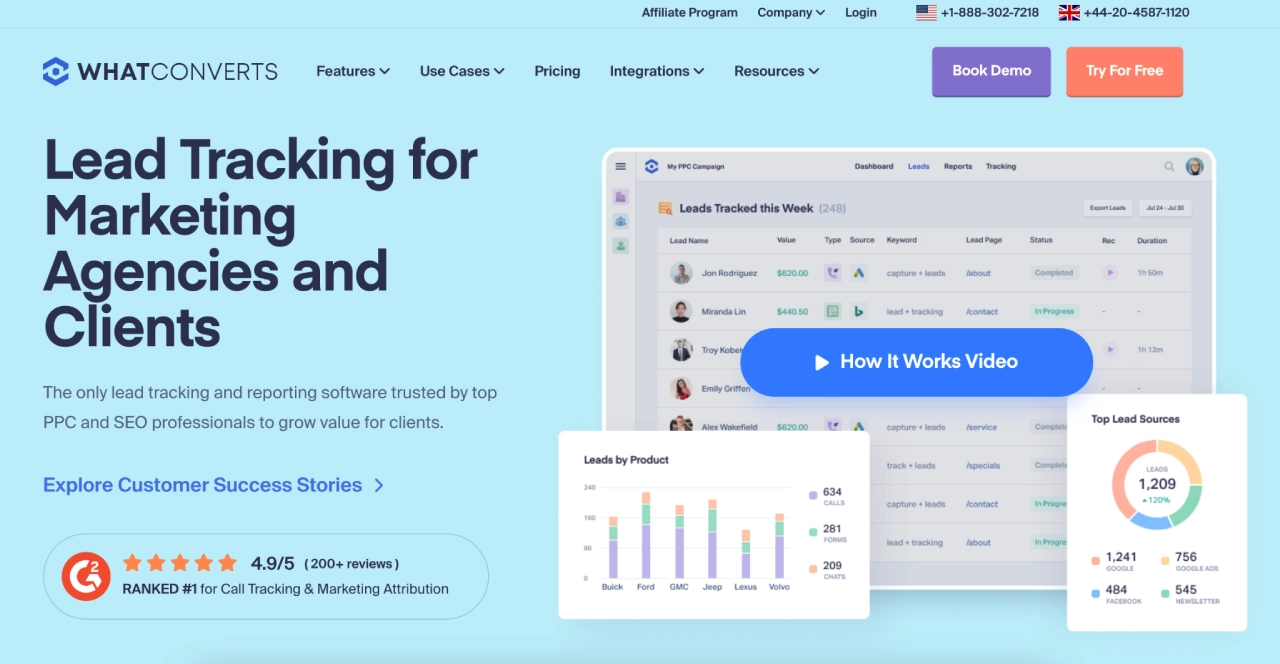
- WhatConverts: Solves the "attribution black hole" by tracking phone calls, forms, and chats, linking them back to specific marketing sources.
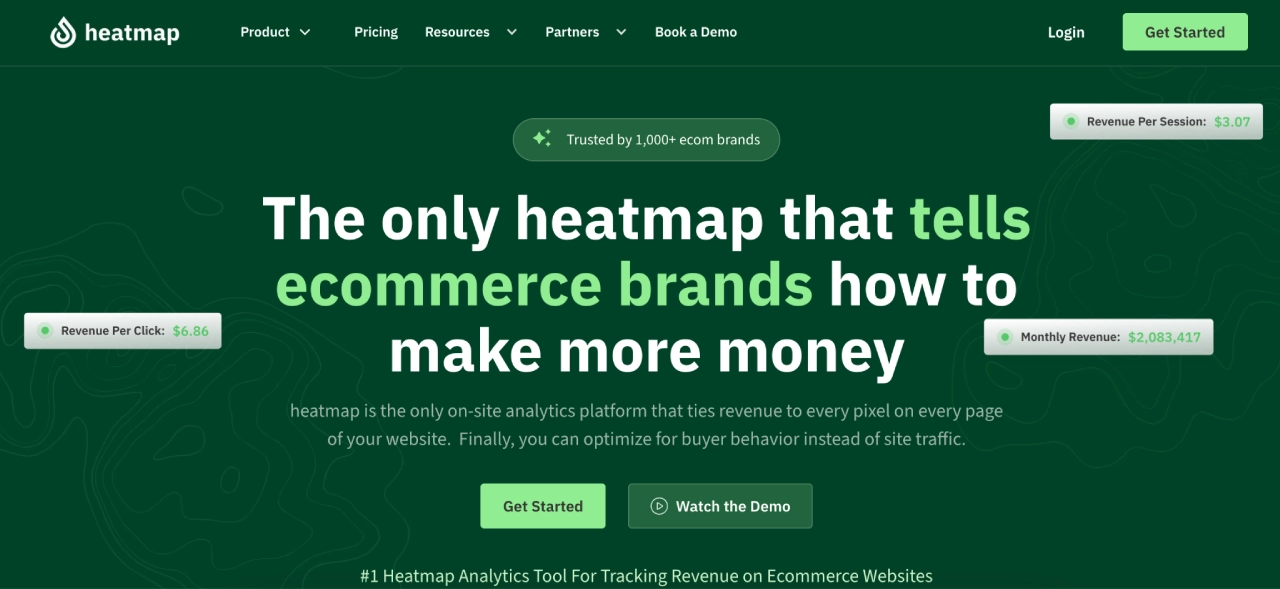
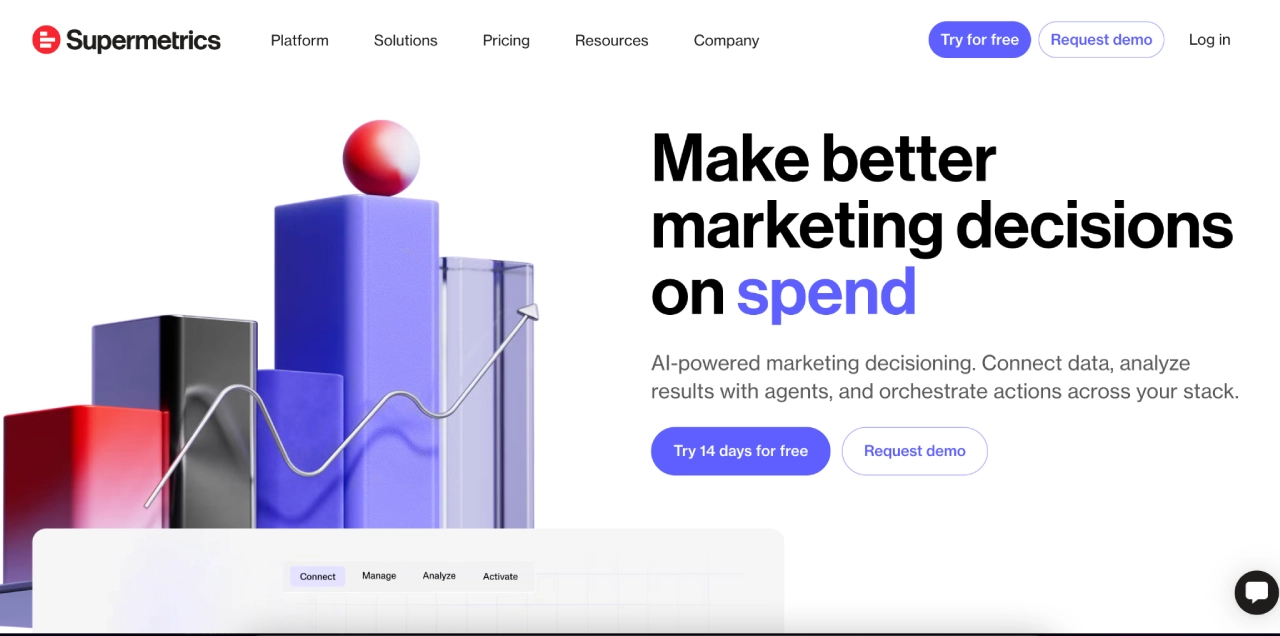
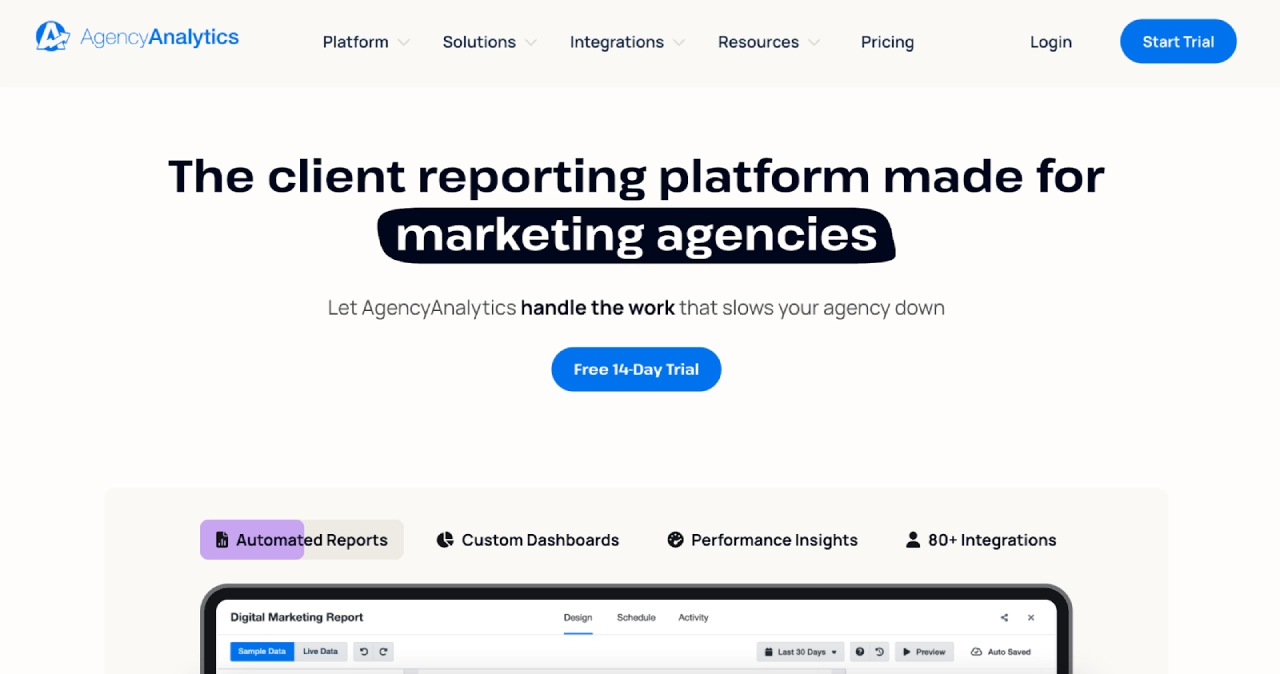
- Supermetrics & AgencyAnalytics: These are the backbone of agency transparency. By unifying cross-channel data, they provide a single source of truth for client reporting, essential for maintaining trust and demonstrating ROI.
Chronology of the AI Agency Shift
The adoption of AI in agencies has followed a distinct, three-phase trajectory:
- The Exploratory Phase (2022–2023): Agencies experimented with generic LLMs (Large Language Models) to generate blog posts and social media captions. The result was often generic, "hallucination-prone" content that required heavy manual editing.
- The Integration Phase (2024): Agencies began adopting specialized "agentic" workflows. Tools like Zapier became the glue, connecting AI outputs to CRM systems and email platforms. This phase saw the birth of the "AI-augmented" creative process.
- The Strategic Maturity Phase (2025–Present): Agencies are now prioritizing "Total Cost of Ownership" (TCO). The focus has shifted from "what can we automate?" to "what must be human-led for quality, and what can be automated for profit?" This era is defined by the 3C Model (Context, Content, Control).
Supporting Data: The Cost of Tool Sprawl
Internal agency audits suggest that firms using 10+ disconnected AI tools lose an average of 4–6 hours per week per employee on context-switching and data reconciliation.
| Tool Category | Average Monthly Cost Range | Strategic Value |
|---|---|---|
| Email & Automation | $50 – $500+ | High (Client Retention) |
| Content Creation | $30 – $250 | Moderate (Efficiency) |
| Reporting | $80 – $500 | High (Transparency) |
| Ad Creative | $40 – $600 | High (Performance) |
Agencies that fail to centralize these costs often find that their "AI-driven efficiency" is entirely offset by subscription fees and the management overhead of multiple platforms.
The 3C Model: A Framework for Agency Stability
To remain profitable, agencies should adopt the 3C Model to govern their AI stack:
1. Context: Centralize Before You Generate
Never allow AI to operate in a vacuum. Before generating a campaign, ensure the model has access to:
- Historical performance data.
- The client’s specific brand guidelines.
- Target audience segmentation parameters.
Using tools like Campaign Monitor allows agencies to keep these segments and brand assets centralized, ensuring that even automated emails are grounded in actual customer data.
2. Content: The "Human-in-the-Loop" Mandate
AI should be treated as a junior drafter, not a final decision-maker. The most successful agencies use AI to generate the first version, then apply a rigid human review process. This prevents "brand drift" and ensures that content remains high-intent and legally compliant.
3. Control: Automated Guardrails
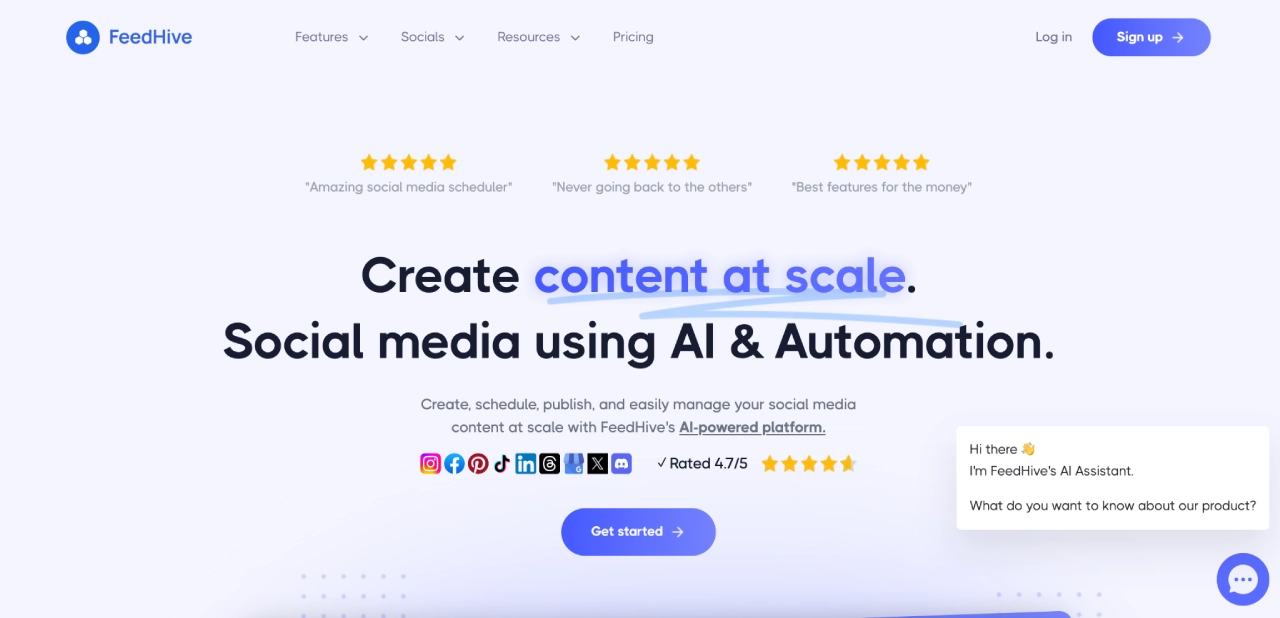
Automation must have boundaries. For example, if using an AI-based social scheduler, set strict parameters on hashtag density and posting frequency. If using AI for email, ensure that "send-time optimization" is only applied to non-critical newsletters, while transactional emails follow strict, predictable logic.

Implications of AI Adoption on Agency Culture
The shift toward AI is changing the agency hiring profile. The "Generalist Content Writer" role is rapidly evolving into the "Content Architect" role—a position that requires proficiency in prompt engineering, workflow design, and data analysis.
Furthermore, AI is forcing agencies to be more transparent. Clients are increasingly asking, "How much of this work is AI-generated?" Agencies that can demonstrate that they use AI to enhance their human expertise—rather than replace it—are winning the battle for premium contracts.

Mitigating Risks: Hallucinations, Compliance, and Ethics
As agencies scale their AI usage, they must formalize their risk management:
- Hallucination Management: Establish a "fact-checking" protocol. AI-generated claims about product specs or pricing must be verified against source documentation.
- Data Compliance: Ensure that any AI tool touching CRM data is GDPR/CCPA compliant. Never input PII (Personally Identifiable Information) into public-facing LLMs.
- IP Rights: Agencies must be cautious with generative image tools. Always verify the commercial licensing terms of generated assets before using them in high-budget ad campaigns.
Conclusion: The Path Forward
The agencies that thrive in the coming years will be those that view AI as a force multiplier rather than a cost-cutter. By anchoring their stack in reliable, multi-client-ready platforms like Campaign Monitor, agencies can ensure that their AI outputs are channeled into measurable results.
The goal is not to be the agency with the most AI tools; it is to be the agency that uses the right tools to build a repeatable, profitable, and high-quality client experience. Focus on the workflow, protect your margins, and keep the human element at the center of the creative process.

Disclaimer: This article provides general information regarding AI tools and marketing strategies. It does not constitute financial, legal, or tax advice. Agencies should consult with professional advisors and conduct due diligence before integrating new software into their operational workflows.
