
The Summer of Vibes: How AI is Redefining Development and Marketing
In the landscape of modern technology, terminology often reflects the zeitgeist. From the "Cloud" to "Blockchain" and "Agentic AI," the tech industry is defined by its labels. Yet, in the summer of 2025, a peculiar, somewhat nebulous term has risen to the top of the industry lexicon: "Vibe."
Far from a fleeting trend in lifestyle subcultures, "Vibe Coding"—and its corporate derivative, "Vibe Marketing"—represents a fundamental shift in how humans interact with software. It marks the transition from prescriptive programming to conversational intent, where the "vibe" of an application takes precedence over the rigidity of its underlying syntax.
Main Facts: The Rise of the Vibe Economy
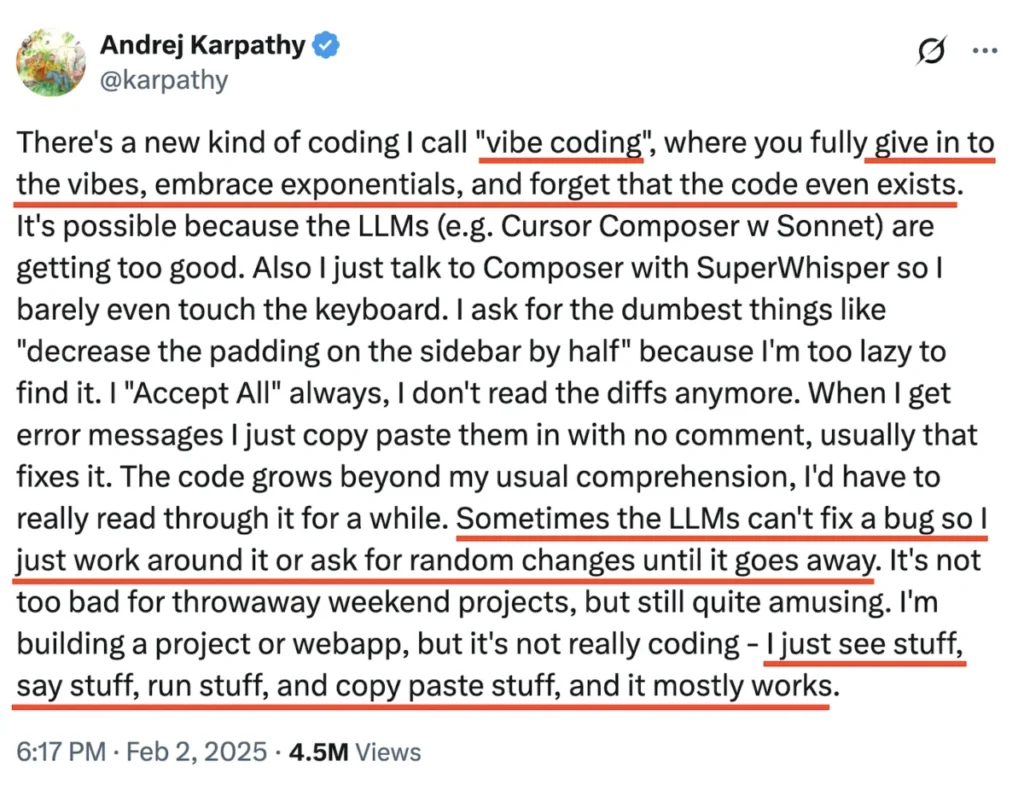
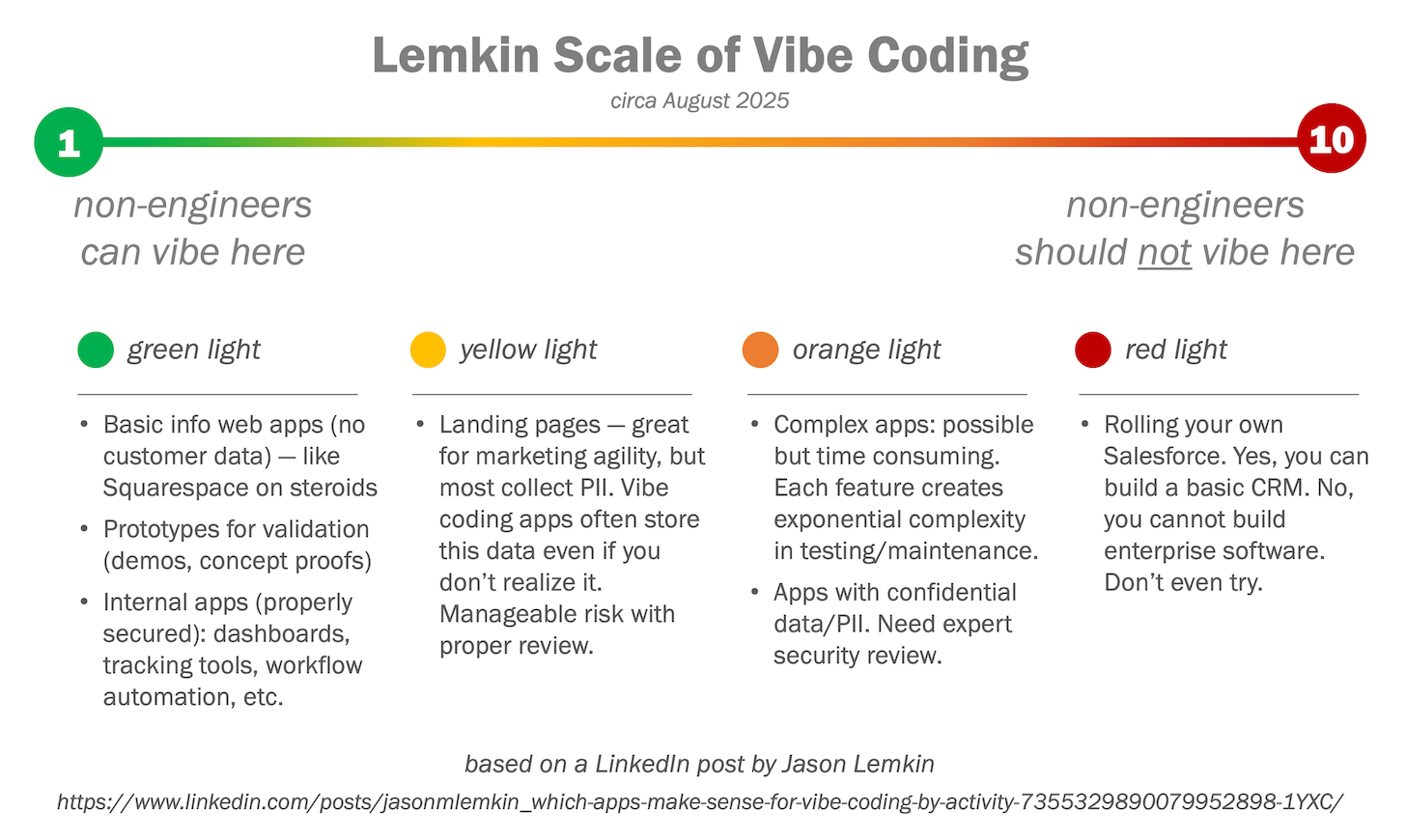
The phenomenon of "vibe coding" was crystallized by Andrej Karpathy, a founding member of OpenAI and a luminary in the machine learning field. Karpathy described a process where developers—or even those with limited technical proficiency—rapidly build software by conversing with Large Language Model (LLM) assistants.
The core philosophy is summarized by Karpathy’s own assessment: "I just see stuff, say stuff, run stuff, and copy-paste stuff, and it mostly works."
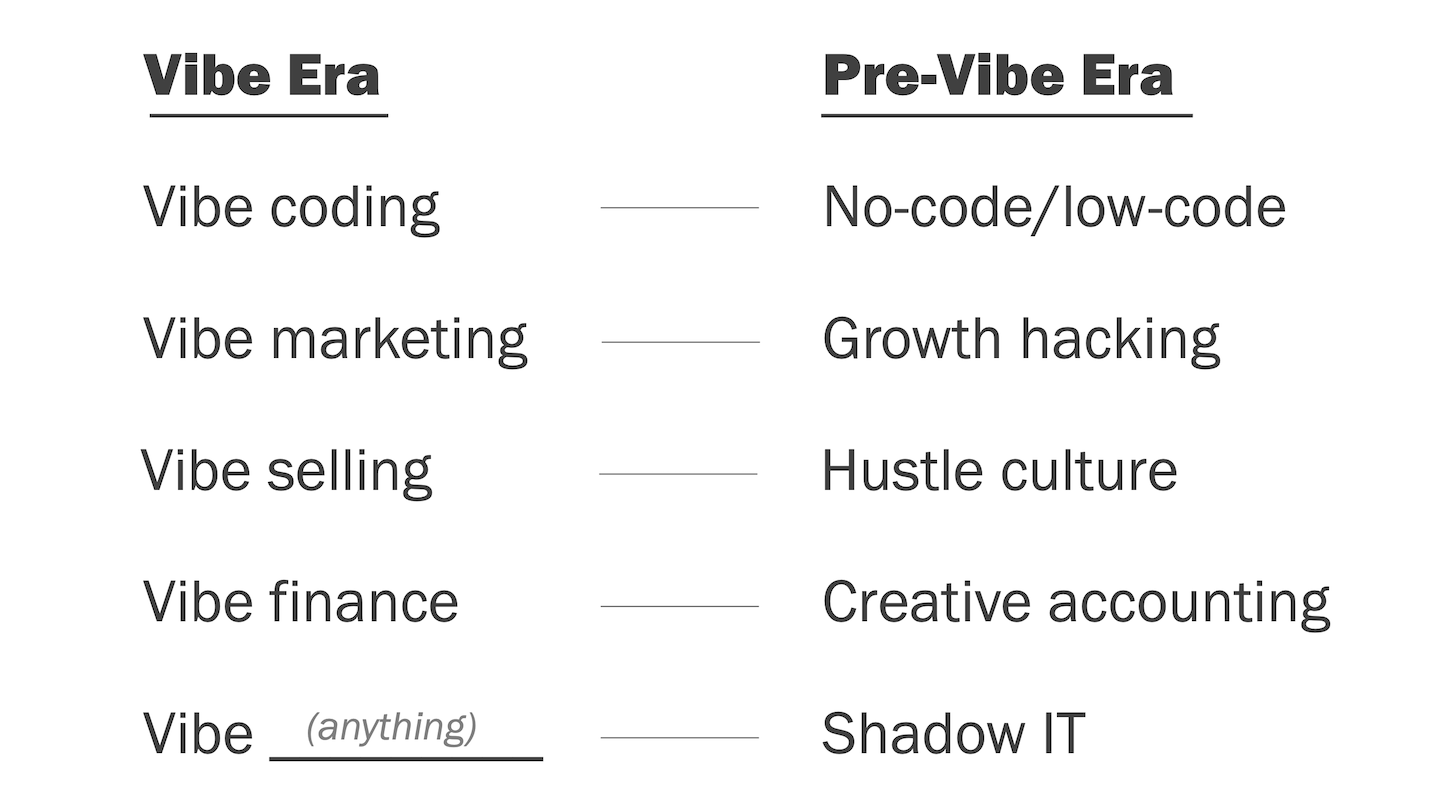
This is not merely a shortcut; it is a new paradigm of development. It shifts the barrier to entry for software creation, allowing non-engineers to manifest digital products through natural language interaction. As these tools continue to evolve, the "vibe" is becoming the primary interface between human intent and machine execution, fundamentally altering the software development lifecycle.
Chronology: From Concept to Cultural Phenomenon
The trajectory of the "vibe" movement has been meteoric. While AI-assisted coding has existed for years, the term "vibe coding" gained massive traction in early 2025 as tools like Replit and newer, specialized platforms began to integrate deeply agentic features.
- February 2025: Andrej Karpathy posts his thoughts on the shift toward conversational development, introducing the term "vibe coding" to the mainstream discourse.
- Spring 2025: The industry witnesses a surge in "vibe-centric" development platforms. Most notably, the startup Lovable achieves a historic $100 million in Annual Recurring Revenue (ARR) in just eight months, signaling that the market is hungry for tools that prioritize rapid, conversational output over traditional, manual code management.
- Summer 2025: The term migrates from engineering circles into the marketing department. Influencers and thought leaders like Jason Lemkin begin documenting their experiences building full-scale applications as non-engineers, sparking a broader debate about the viability of "vibing" as a professional methodology.
- Late 2025: The industry begins to formalize "Vibe Marketing," transitioning the concept from a chaotic experiment into a structured pillar of growth strategy.
Supporting Data: The Lemkin Scale of Vibe Coding
To understand the feasibility of this new approach, industry analysts have sought to categorize which projects are suited for "vibe" development. Jason Lemkin, of SaaStr, provided one of the most practical frameworks for this, documenting over 100 hours of development to test the limits of non-engineer app building.
The "Lemkin Scale of Vibe Coding" serves as a benchmark for this transition:
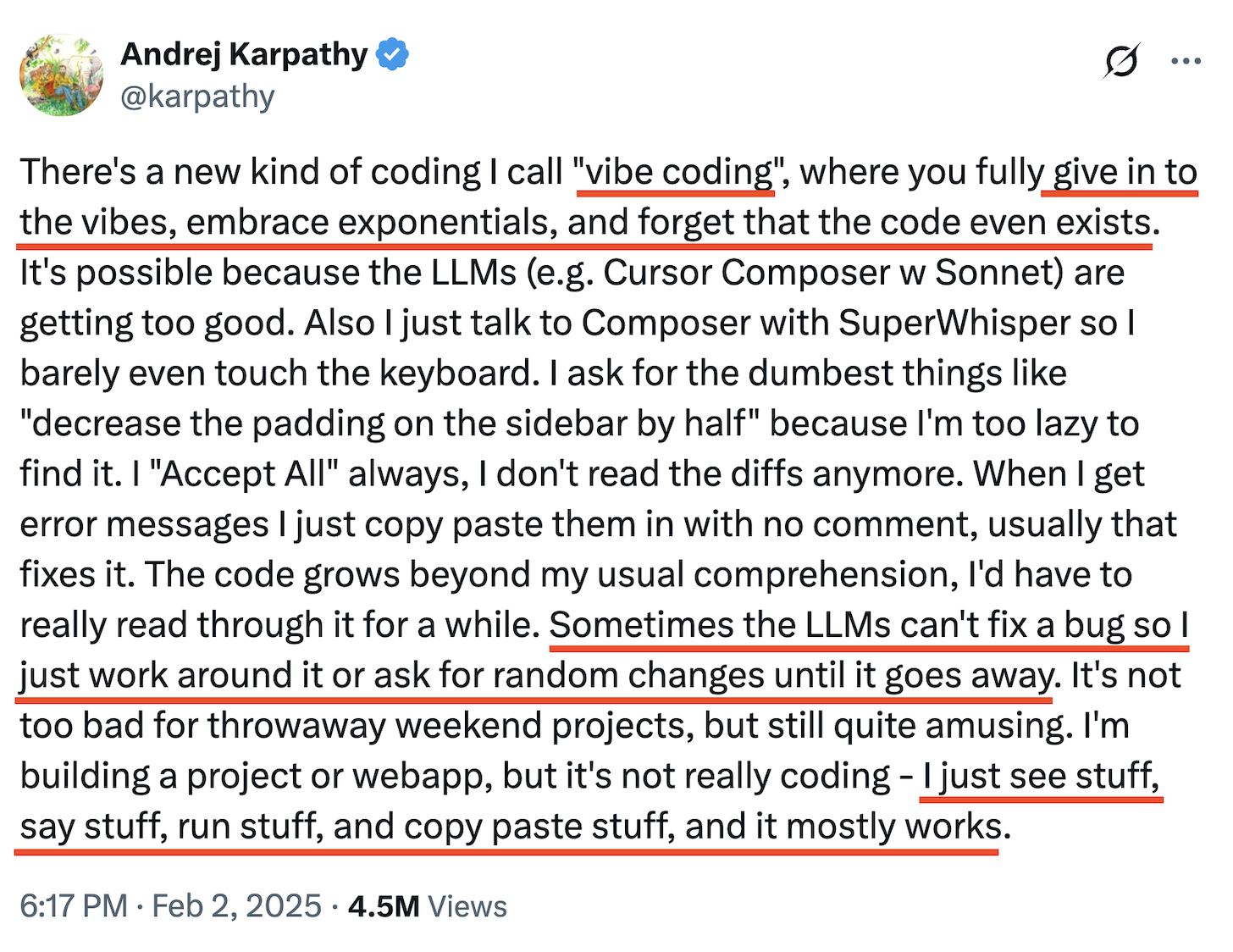
- Level 1-3 (The Green Zone): Personal workflows, internal dashboards, and simple data visualization tools. These are the "safe" zones where vibe coding excels, as the consequences of minor bugs are minimal.
- Level 4-7 (The Yellow Zone): Customer-facing prototypes and medium-complexity CRMs. These require a blend of AI generation and human oversight.
- Level 8-10 (The Red Zone/Here Be Dragons): Rebuilding enterprise-grade infrastructure or mission-critical systems. Here, the "vibe" approach encounters the limitations of non-deterministic AI, where "mostly works" is insufficient for security and scalability.
As AI models improve in logical reasoning and context-window retention, observers expect to see these categories "shift left," with tasks currently sitting at a 7 eventually becoming a 3 within the next 12 to 18 months.
Official Responses and Industry Sentiment
The reception to "vibe coding" has been polarized. On one side, there is the "Power to the People" camp, echoing the counterculture spirit of the 1960s, suggesting that we are witnessing the democratization of software creation. On the other side, traditional software engineers remain skeptical. Critics argue that the "it mostly works" approach ignores technical debt, security vulnerabilities, and the long-term maintainability of code.
However, the consensus among venture capitalists and tech leaders is that the genie is out of the bottle. The rapid financial success of companies like Lovable serves as an official market endorsement. Organizations are no longer asking if they should use vibe-based development, but rather how to build the "scaffolding" to manage it safely.
Implications: The Emergence of "Big Experimentation"
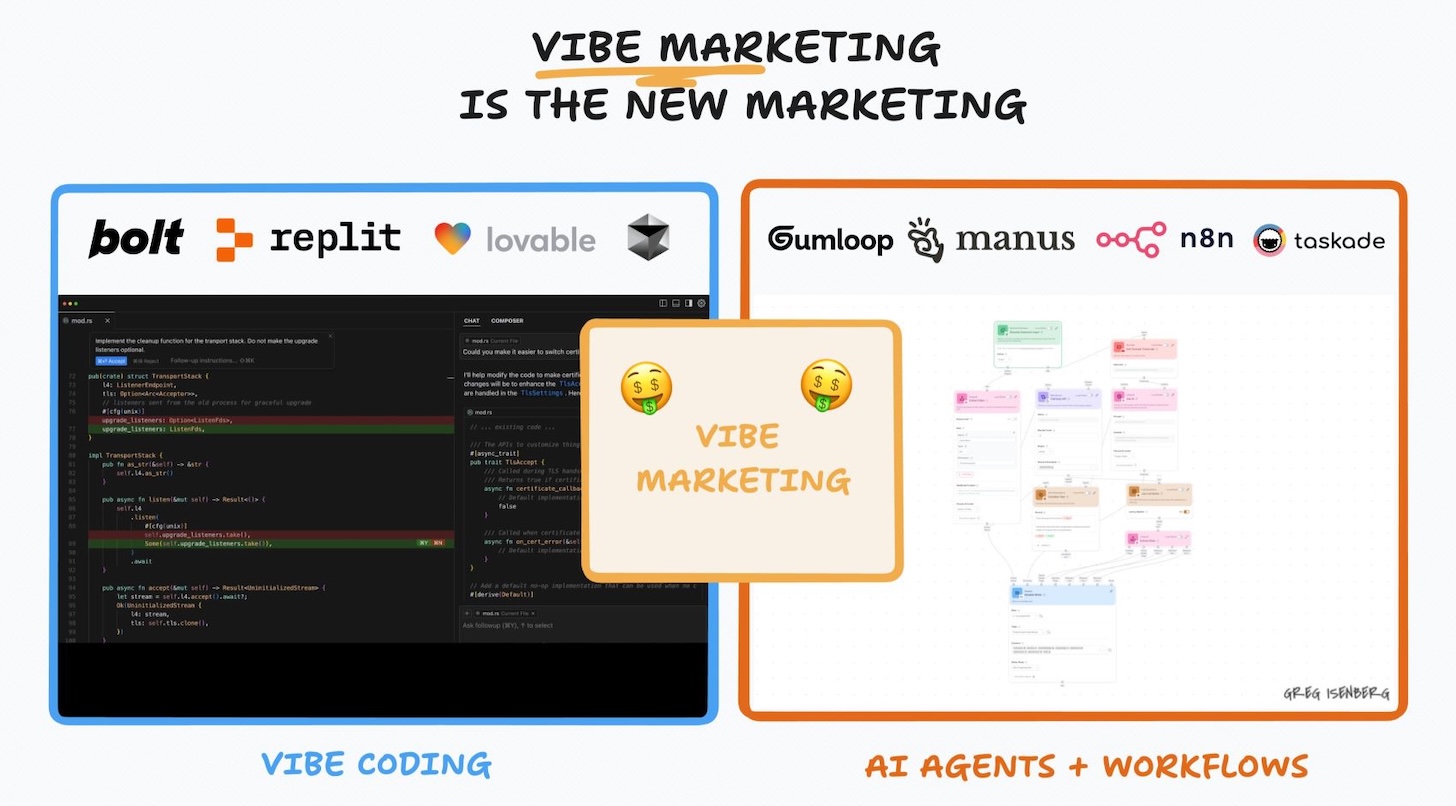
If vibe coding is the democratization of development, "Vibe Marketing" is the democratization of strategy. Greg Isenberg, among others, has championed the idea that marketers can now act as "GTM Engineers," using AI agents to execute campaigns that would have previously required an entire department.
1. The Death of the "Slow" Campaign
Traditional marketing involves long lead times, massive data analysis teams, and complex approval chains. Vibe marketing replaces this with "Big Experimentation." By leveraging AI to mine data warehouses for answers to "I wonder" questions, marketers can pivot from a hypothesis to a deployed micro-campaign in hours, not weeks.
2. Customer Whisperers vs. Automated Noise
The real risk, however, is the "Spam" trap. If marketers use AI to blast out content, they risk alienating their audience. The true "vibe" marketer does not use AI to generate volume; they use it to generate relevance. The goal is to tune into the "vibe" of the customer—understanding their needs so intimately that AI-powered experiments feel personalized rather than robotic.
3. The Need for Governance
The implications for Marketing Operations (MarOps) are significant. As teams begin "vibing" more ideas into reality, the role of MarOps shifts from gatekeeper to architect. Their primary responsibility is now to provide the guardrails: ensuring data privacy, maintaining brand standards, and building the infrastructure that allows creativity to flourish without compromising the integrity of the business.
The Future of the "Vibe"
While the term "vibe" may feel like a temporary linguistic artifact of 2025, the underlying shift toward conversational, agentic interaction is permanent. We are moving toward an era where the divide between "technical" and "non-technical" roles is being erased by a layer of AI intelligence.
In this new reality, the winners will not be those who can write the most efficient code or the most clever copy. The winners will be those who can best harness the "vibe"—the ability to translate human creativity into actionable, scalable, and delightful digital experiences.
Whether we continue to call it "vibe coding" or shift to more formal labels like "conversational engineering," the core takeaway remains the same: the barrier between a great idea and a functioning product has never been thinner. The challenge now lies not in the building, but in the curation—knowing which experiments to scale, which to discard, and how to keep the human connection alive in an increasingly automated world.
As we look toward the future of technology, perhaps we should embrace the spirit of the era: stay fluid, stay curious, and, above all, keep the vibes positive.
