
The Ultimate Blueprint: 34 Strategic Pillars for E-commerce Conversion Rate Optimization
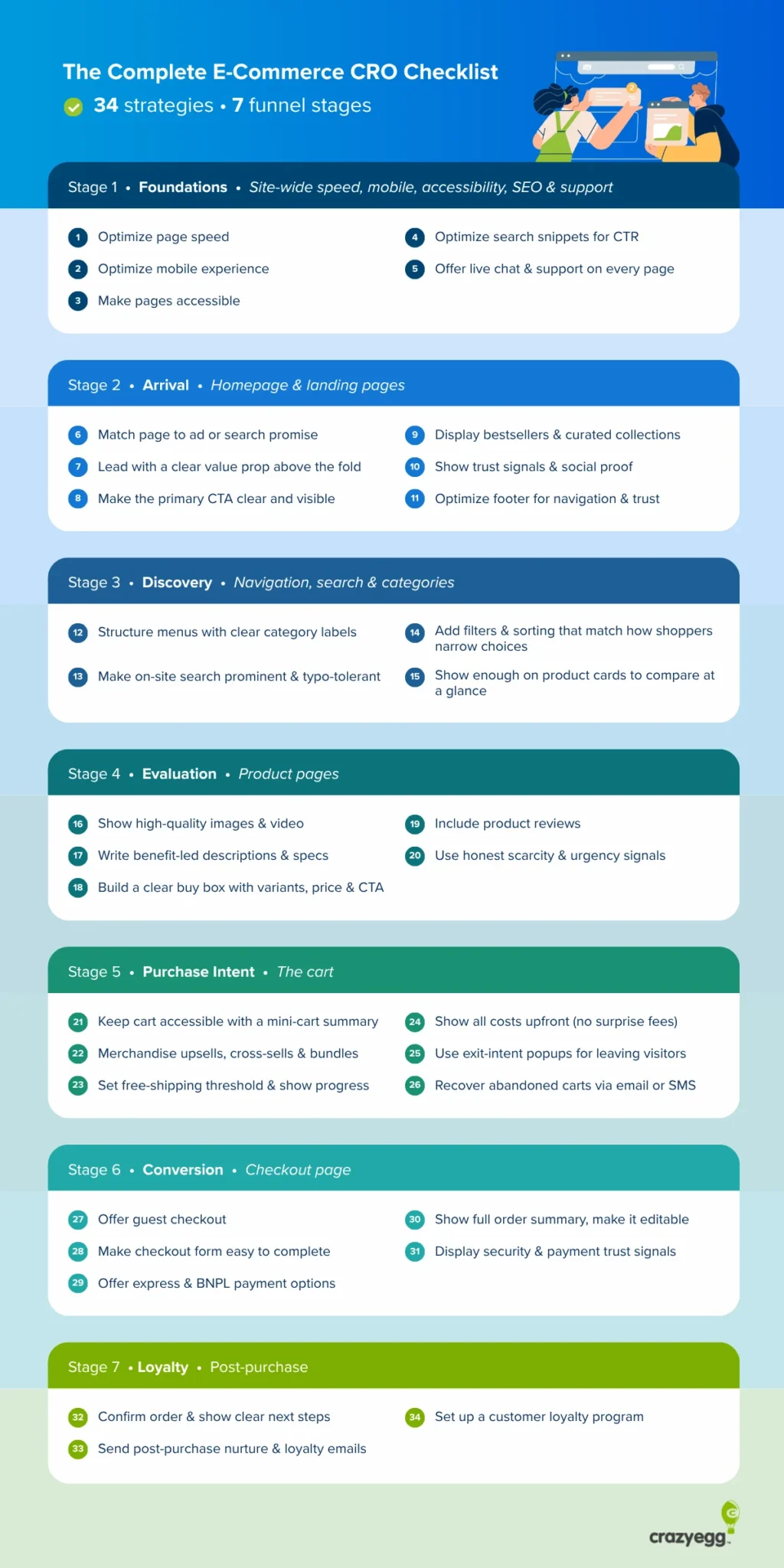
In the high-stakes world of digital retail, traffic is a vanity metric; conversion is the only reality that sustains a business. As customer acquisition costs (CAC) continue to climb across major advertising platforms, e-commerce store owners are shifting their focus from "growth at any cost" to maximizing the efficiency of every visitor who lands on their site. This shift defines the discipline of Conversion Rate Optimization (CRO).
The following guide serves as an evidence-backed blueprint, mapping over 30 proven strategies across seven distinct stages of the customer journey. By systematically addressing friction, you don’t just improve your conversion rate—you build a resilient, customer-centric digital storefront.
The Strategic Importance of CRO
Before diving into technical implementations, it is vital to understand the "why." In e-commerce, CRO is the process of removing barriers that prevent a shopper from completing a purchase. While many brands reflexively increase ad spend to drive more traffic when revenue stagnates, this is often a tactical error. If a site has a 2% conversion rate, doubling the traffic simply doubles the number of people experiencing a broken funnel. Improving that rate to 2.5%, however, yields a 25% increase in revenue without spending an extra cent on acquisition.
Phase 1: The Foundation – Speed, Mobile, and Accessibility
Your foundation determines the upper limit of your success. If your site is slow, non-responsive, or inaccessible, the most brilliant marketing in the world will fail to convert.
1. The 2.5-Second Rule
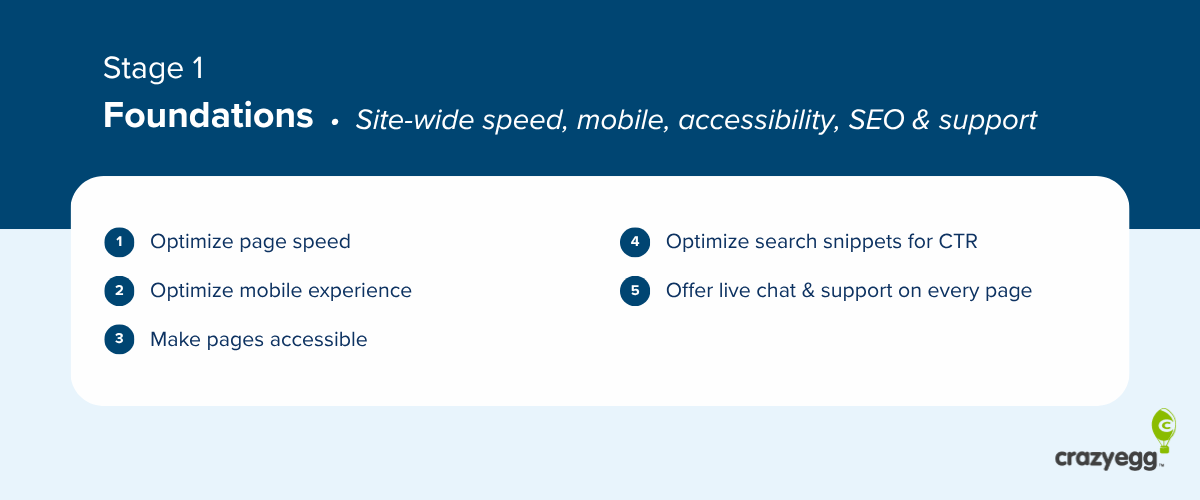
Modern shoppers are impatient. Research consistently shows that for every second of delay in page load time, conversion rates drop significantly. To stay under the critical 2.5-second threshold:
- Optimize Media: Compress high-resolution product images and serve them in next-gen formats like WebP.
- Minimize Scripts: Audit your third-party tracking pixels. If a script isn’t essential for core functionality or critical analytics, remove it to reduce main-thread execution time.
- Leverage CDNs: Use a Content Delivery Network to ensure assets are served from the server closest to the user.
2. Mobile-First Optimization
With mobile traffic often accounting for over 70% of total site visits, a mobile-responsive site is no longer optional—it is the baseline. Ensure your checkout flow is "thumb-friendly," using large buttons, easy-to-tap form fields, and sticky Add-to-Cart buttons that remain visible as the user scrolls.
3. Search Snippets and Schema
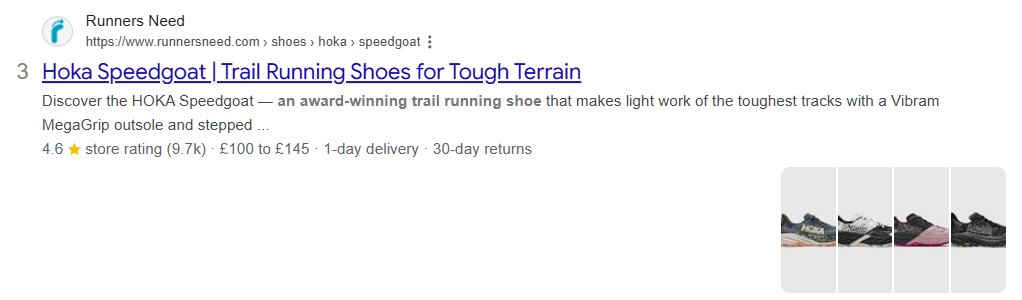
To win the click before the user even reaches your site, you must master the Search Engine Results Page (SERP). Implementing Product schema—which includes price, stock availability, and aggregate star ratings—is essential. This data tells Google exactly what you are selling, allowing your store to appear with rich snippets that stand out against plain text competitors.
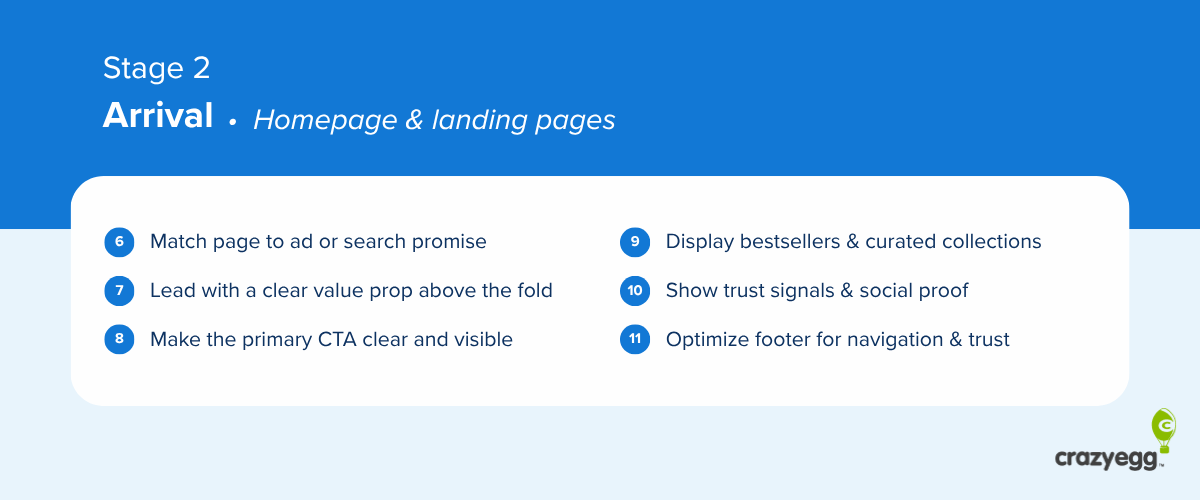
Phase 2: Arrival – Turning First Impressions into Interest
The first five seconds on your homepage dictate whether a visitor stays or bounces.
The Value Proposition
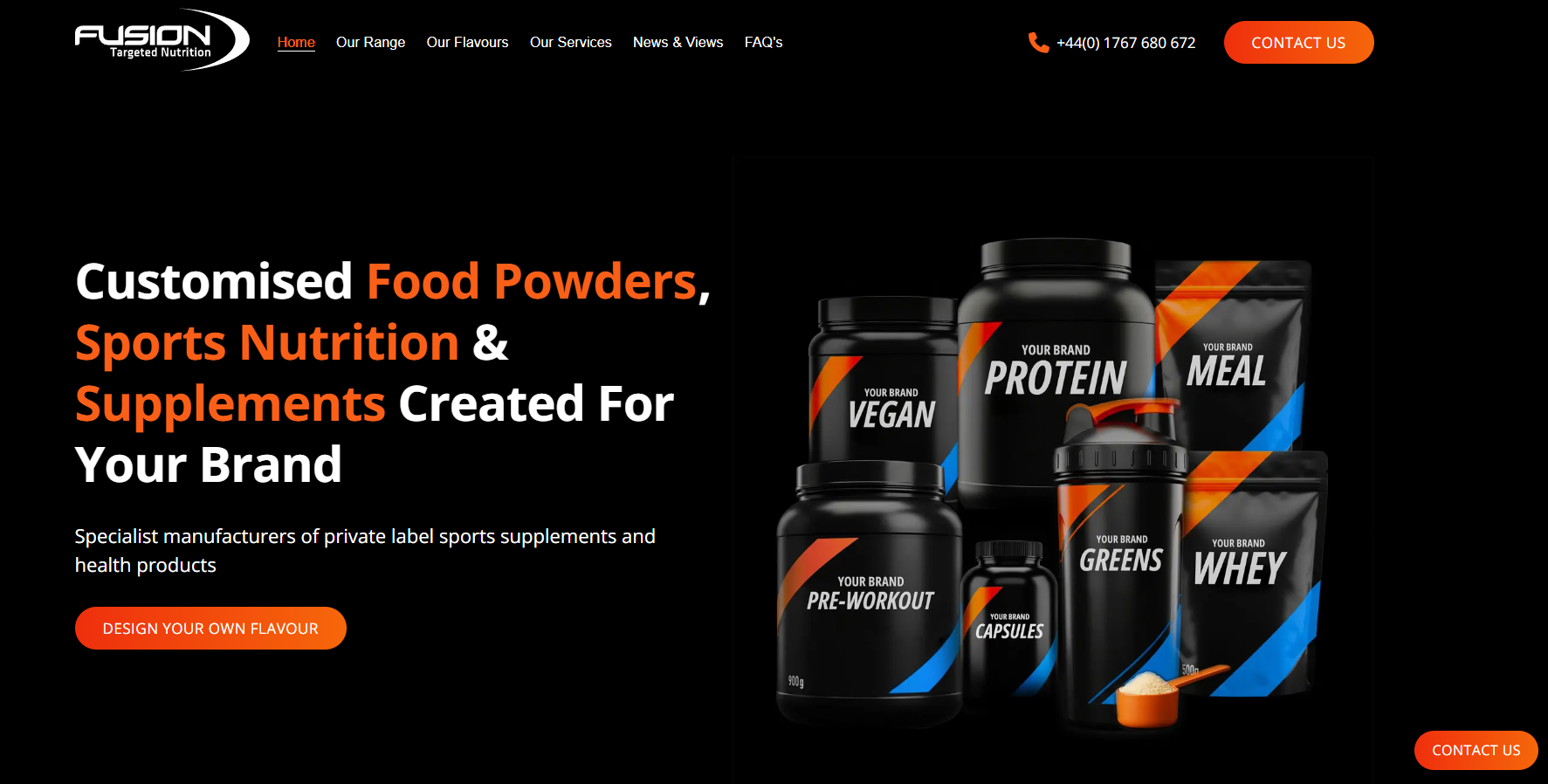
Your value proposition must be immediately visible "above the fold." Avoid generic slogans like "Quality Products for Everyone." Instead, clearly articulate:
- What you sell: Be specific (e.g., "Custom-Formulated Sports Nutrition").
- Who it’s for: Define your target audience (e.g., "For Endurance Athletes").
- The Differentiator: Why you over the competition (e.g., "Lab-tested for purity, shipped in 24 hours").
Navigation and Trust
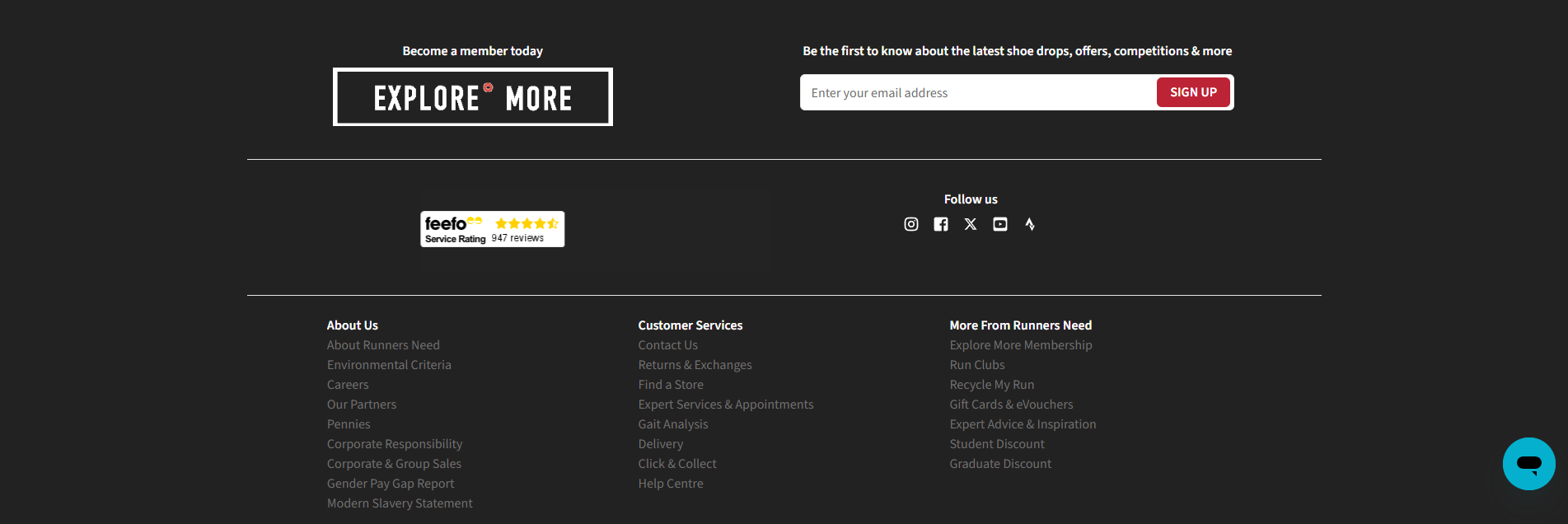
A cluttered header is a conversion killer. Keep your primary menu to seven items or fewer. Supplement this with visible trust signals, such as B Corp certifications, earned media logos, or aggregate review counts (e.g., "4.8 stars from 12,000+ happy customers").
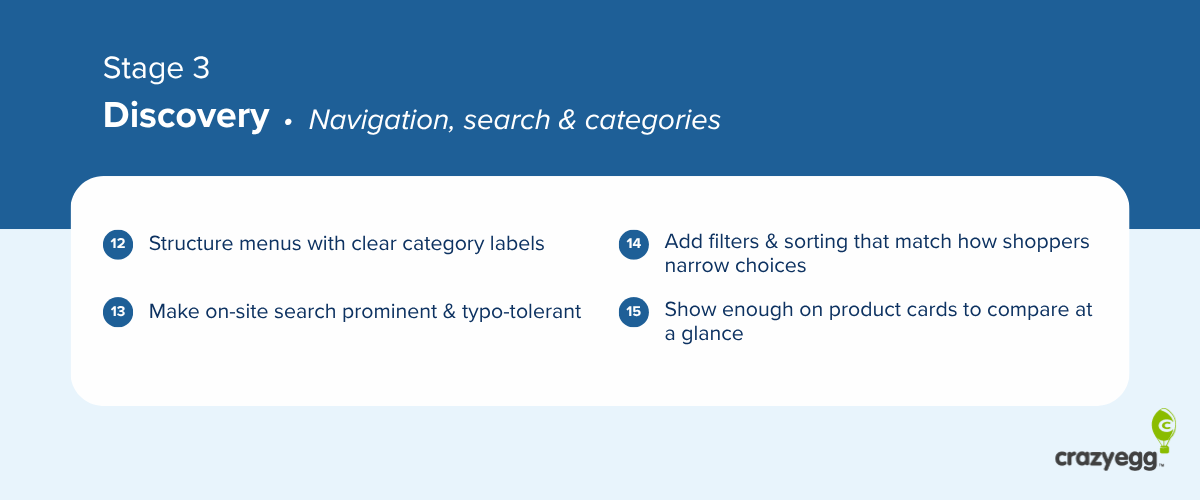
Phase 3: Discovery – Helping Shoppers Find the "Right" Product
If a customer cannot find it, they cannot buy it. Discovery is about reducing the cognitive load on the user.
The Power of Search
Constructor’s 2024 benchmarks revealed a staggering reality: searchers account for only 24% of site visitors but drive 44% of total revenue. Their conversion rate is 2.5 times higher than non-searchers.
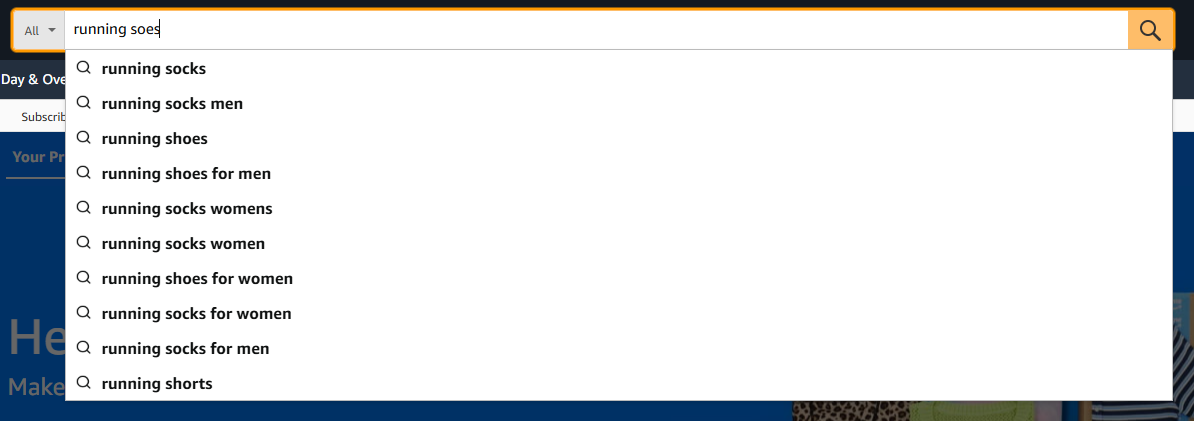
- Implement Smart Search: Use tools like Algolia or Klevu to ensure your search bar is typo-tolerant and provides real-time autocomplete suggestions.
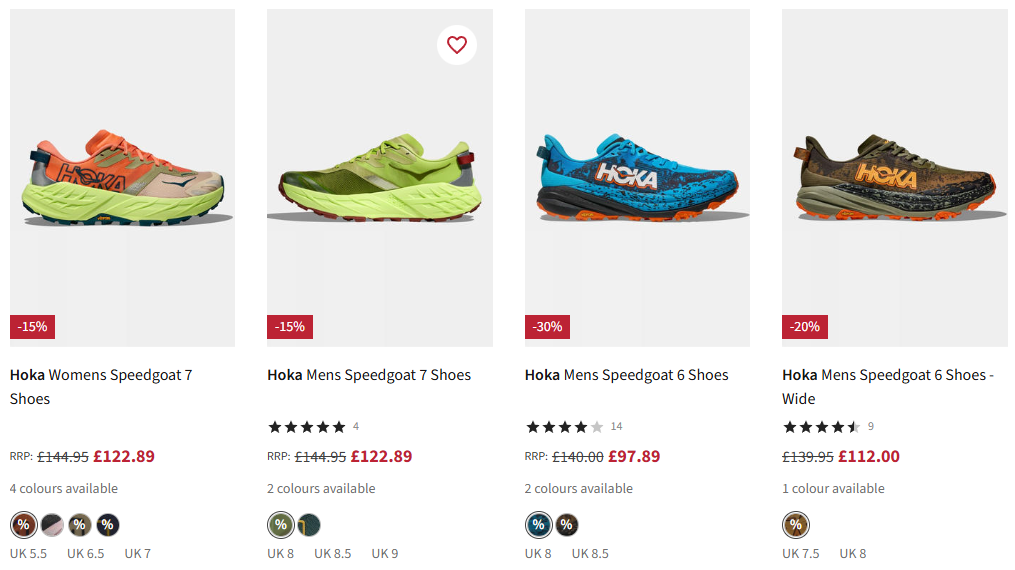
- Filtering: A robust filtering system (price, rating, color, size) is mandatory. Display the product count next to each filter so the user knows exactly how many options are available before they commit to a click.
Phase 4: Evaluation – The Product Page as a Closer
The product detail page (PDP) is the digital equivalent of a retail salesperson. It must answer every question the customer has before they ask it.
Visuals as a Proxy for Touch
Since online shoppers cannot hold the product, your images must bridge the gap.

- Lifestyle Imagery: Show the product in use, not just against a white background.
- Scale Reference: Include an image of the product next to a recognizable object (like a hand or a standard coffee mug) to give the shopper a sense of true scale.
- Video: If possible, a 15-second video demonstrating the product’s core features can reduce return rates and boost confidence.
The Buy Box
Your "Buy Box"—the area containing the price, size/color selectors, and the "Add to Cart" button—must be the most visually dominant element on the page. Use a high-contrast color for your CTA button, and keep the price clear and unambiguous.
Phase 5: Intent – Frictionless Checkout
The cart and checkout flow are where most stores lose the highest percentage of potential revenue.
Eliminating Abandonment
The primary reason for cart abandonment is unexpected costs at the final step. To solve this:
- Show All Costs Upfront: Include shipping, taxes, and potential surcharges in the cart summary.
- Guest Checkout: Never force a new user to create an account to purchase. Offering a "Guest Checkout" option as the default can reduce abandonment rates by nearly 20%.
- Progress Indicators: If you have a multi-step checkout, show a progress bar so the user knows how much is left.
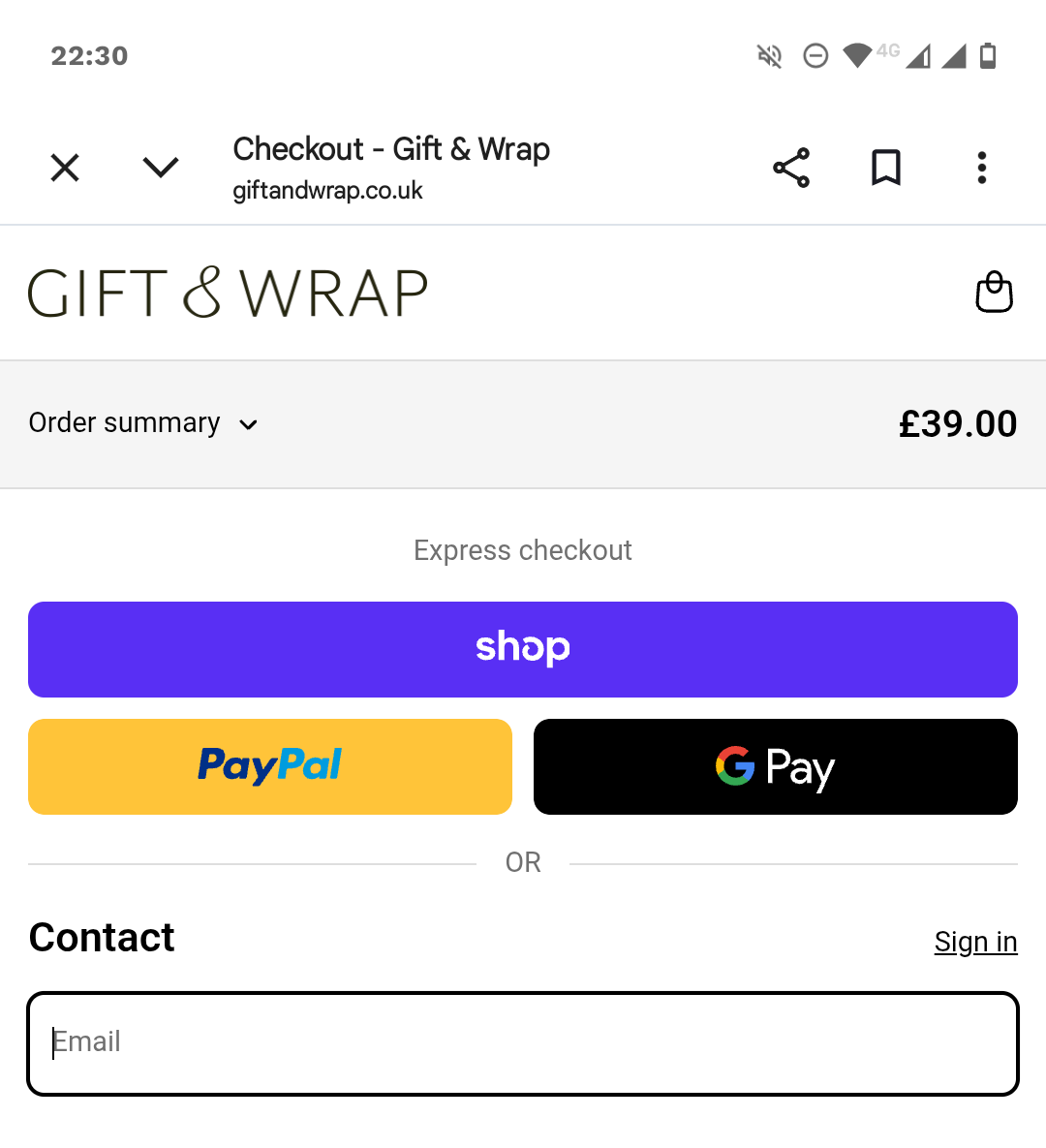
Express Payment Options
Modern wallets like PayPal, Apple Pay, and Google Pay are essential. They remove the need to manually enter credit card numbers, which is a major point of friction, especially on mobile devices. Data from Stripe indicates that adding one additional relevant payment method can increase conversion rates by over 7%.
Phase 6: Loyalty – The Post-Purchase Ecosystem
Many brands treat the order confirmation page as the end of the journey. In reality, it is the beginning of a long-term relationship.
Nurturing the Customer
Once the purchase is confirmed, provide immediate, actionable next steps:
- Order Tracking: Send a clear, concise confirmation email with a link to track the package.
- Educational Content: If the product requires assembly or setup, include a link to a "How-to" video or guide in the post-purchase email sequence.
- Loyalty Programs: Set up a simple rewards system. Showing the user how many points they earned on their current order encourages them to return and use those points for their next purchase.
Summary and Implementation
To effectively implement these 34 strategies, follow this chronological order:
- Audit the Basics: Fix speed, mobile responsiveness, and broken links.
- Optimize the Funnel: Fix search, navigation, and the buy box.
- Refine the Checkout: Implement guest checkout and express payments.
- Drive Retention: Set up post-purchase email flows.
Conclusion: The Data-Driven Path
Conversion Rate Optimization is not a "set it and forget it" project; it is a cycle of testing, learning, and refining. Once you have implemented these foundational best practices, you should pivot toward a more aggressive testing strategy. Use user behavior analytics (such as heatmaps and session recordings) to identify where visitors are struggling on your specific site.
For those ready to move beyond the checklist, platforms like Crazy Egg offer deep diagnostic tools that show exactly how users interact with your pages. Start your 30-day free trial today to identify the hidden friction points in your store, and begin the journey toward a higher-converting, more profitable e-commerce business.
Remember: In the digital economy, the store that makes it easiest for the customer to buy is the store that wins.
