
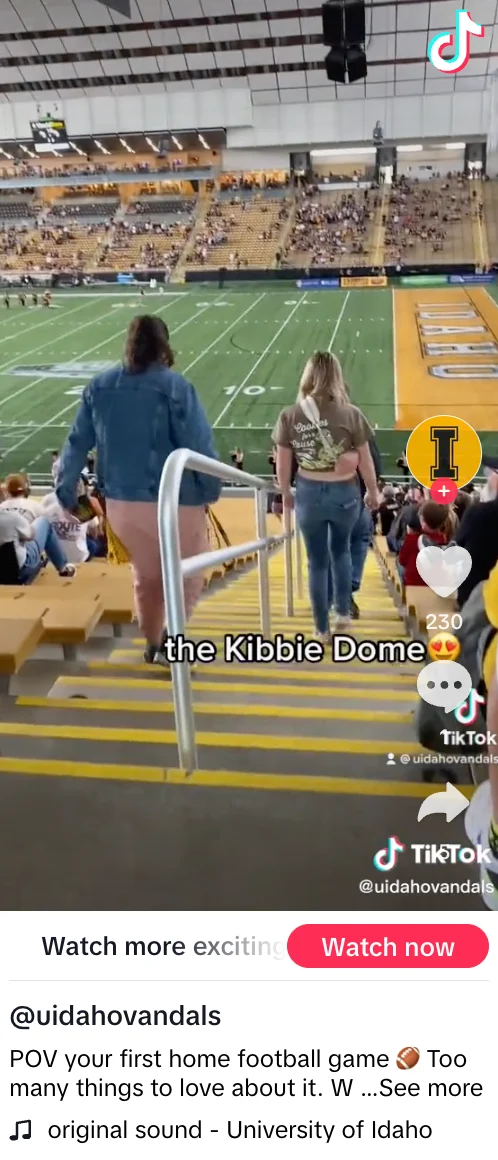
The Digital Campus: Mastering Social Media Strategy in Higher Education for 2026
In the modern academic landscape, a university’s prestige is no longer measured solely by the ivy on its walls or the ranking of its research departments. In 2026, the battle for student enrollment, donor loyalty, and institutional reputation is being fought on screens—specifically, within the scrollable feeds of TikTok, Instagram, and LinkedIn.

For higher education institutions, social media has evolved from a secondary communications channel into the primary digital front door. As prospective students shift their research habits toward social search and AI-driven platforms, colleges that fail to curate an authentic, strategic digital presence risk becoming invisible to the next generation of learners.

Main Facts: The New Enrollment Funnel
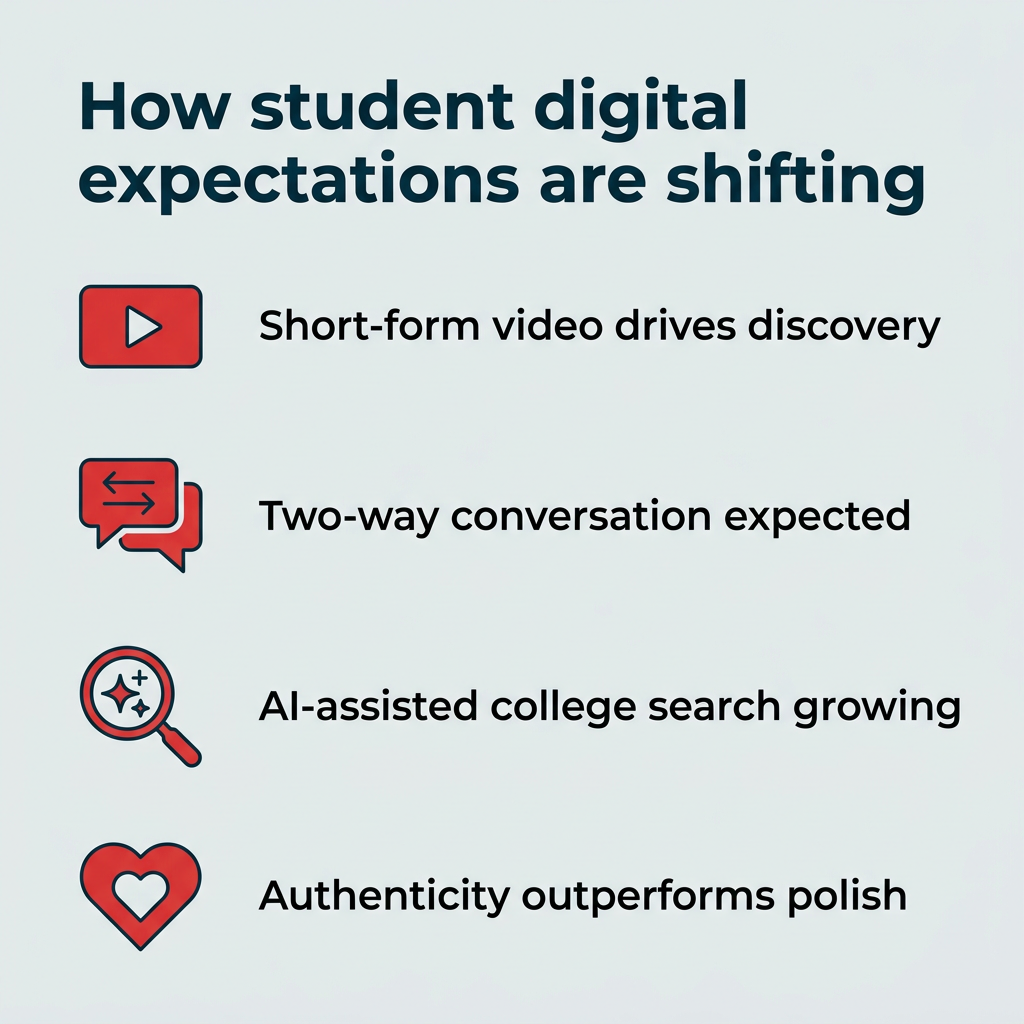
The traditional enrollment funnel, once defined by college fairs and glossy brochures, has been disrupted. According to data from the RNL E-Expectations report, 56% of students identify social media as the most influential factor during the initial stages of college exploration. This engagement often occurs long before a student considers a campus tour or submits an application.
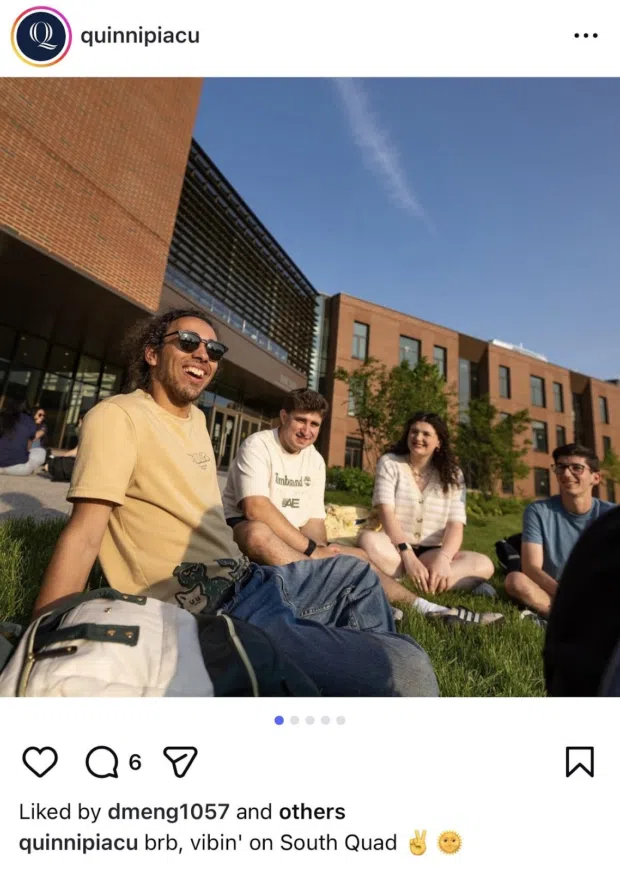
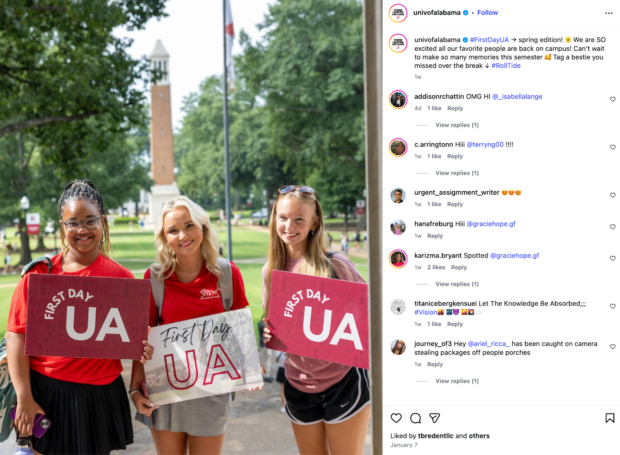
Social media serves as a "proof of life" for institutions. It provides prospective students with a glimpse into the campus culture, the accessibility of faculty, and the real-world experiences of current students. When an institution’s social media presence is disjointed or overly formal, it sends a signal that the campus experience may be equally disconnected. Conversely, authentic, student-led content serves as powerful social proof, making the prospect of attending feel familiar and attainable.
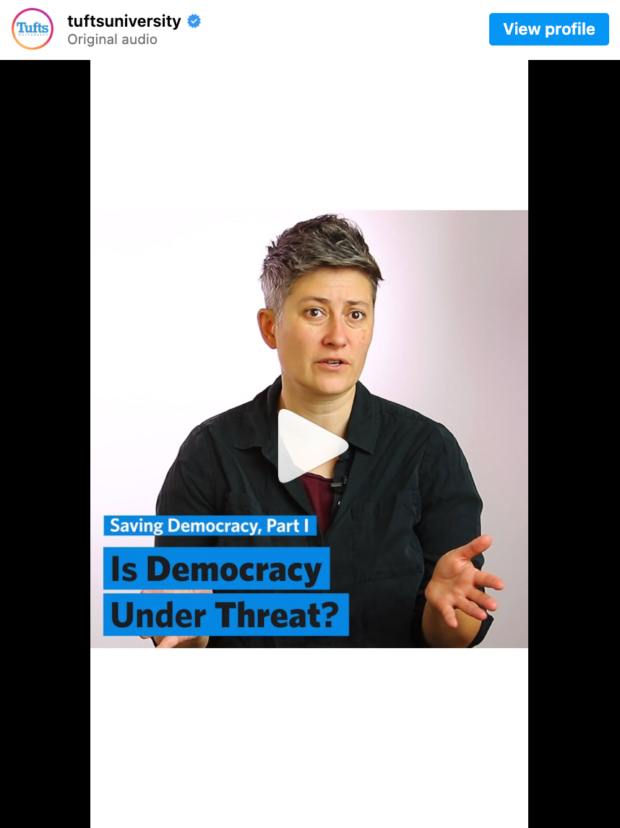
Chronology of the Social Shift in Academia
The trajectory of social media in higher education has been marked by three distinct phases:
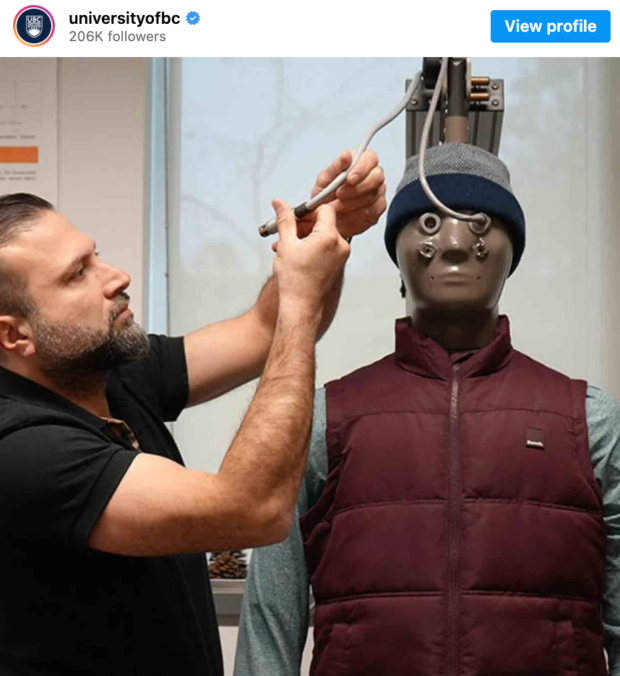
- The Broadcast Era (2010–2016): Universities treated social media as a digital bulletin board. Accounts were used almost exclusively to push press releases, event announcements, and institutional accolades. Engagement was one-way, and the tone was highly polished and corporate.
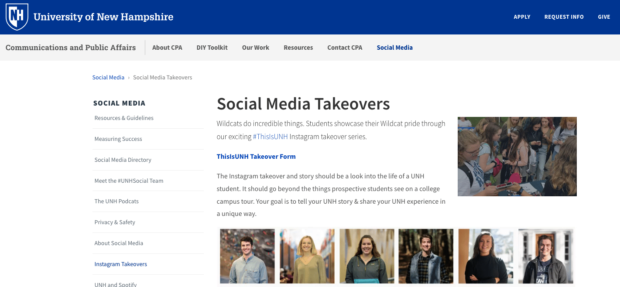
- The Engagement Era (2017–2022): Institutions began to realize that students sought community. The rise of "Day in the Life" content and student takeovers signaled a shift toward humanizing the brand. Universities started interacting with comments and participating in broader cultural trends.
- The Authenticity and AI Era (2023–Present): Today, we are in the era of "radical authenticity." Students are skeptical of heavily produced, high-budget marketing. They demand raw, unscripted content. Simultaneously, AI-powered tools and social listening are allowing universities to track sentiment in real-time, shifting from reactive posting to proactive, data-driven strategy.
Supporting Data: Why Strategy Matters
The numbers underscore a clear imperative for universities to professionalize their social media operations:
- The Virtual Tour Factor: 84% of prospective students report that virtual tours and social media previews are vital to their decision-making process.
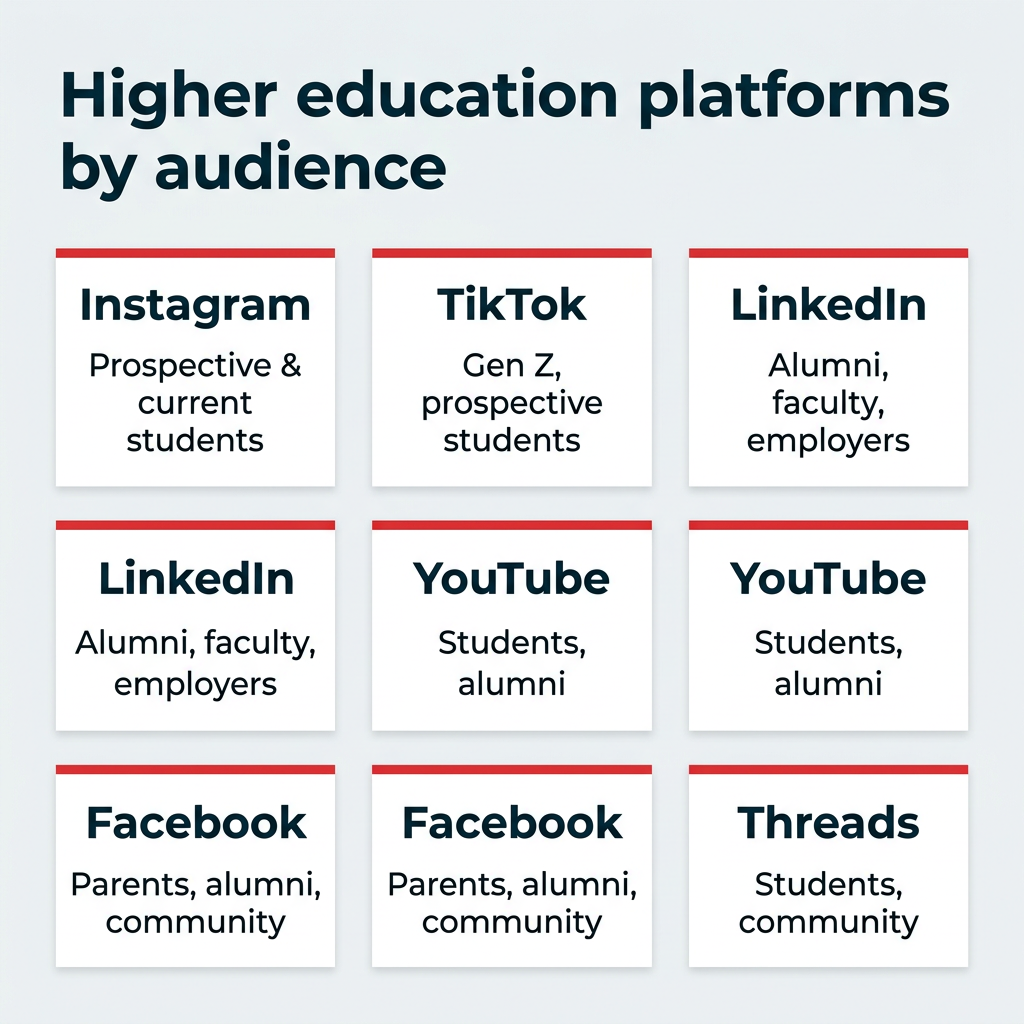
- The Generational Divide: While TikTok remains the powerhouse for recruiting undergraduates, Facebook continues to be the primary nexus for alumni relations and parent communication, with 88-89% of Gen X and Boomer demographics maintaining active usage.
- The Trust Gap: Content created by students and faculty—so-called "advocacy content"—consistently outperforms institutional, top-down messaging in both reach and engagement.
Official Responses and Institutional Best Practices
Leading institutions are no longer leaving social media to the interns. They are treating it as a core business function. Successful universities have adopted a "Social Campus" model, which integrates social media across all departments—athletics, admissions, alumni relations, and academic affairs.
Governance and Policy
With multiple departments managing diverse accounts, structure is essential. Effective institutional guidelines now include:
- Crisis Protocols: Pre-approved responses for campus emergencies or sensitive public discourse.
- Brand Voice Frameworks: Ensuring that while tone may vary between a student-run club page and the official President’s account, the overarching values remain consistent.
- Governance Workflows: Utilizing centralized platforms like Hootsuite to ensure that content undergoes appropriate review without stifling the spontaneity required for social media.
The Role of Social Listening
Institutions are now leveraging social listening to move beyond simple vanity metrics. By monitoring keywords and sentiment, communications teams can identify brewing student frustrations or emerging trends on campus. This data allows for "course correction" before an issue reaches a boiling point, transforming social media into a tool for student support and wellness, rather than just public relations.
Implications for the Future of Higher Education
The implications of this digital shift are profound, impacting everything from fundraising to pedagogical methods.
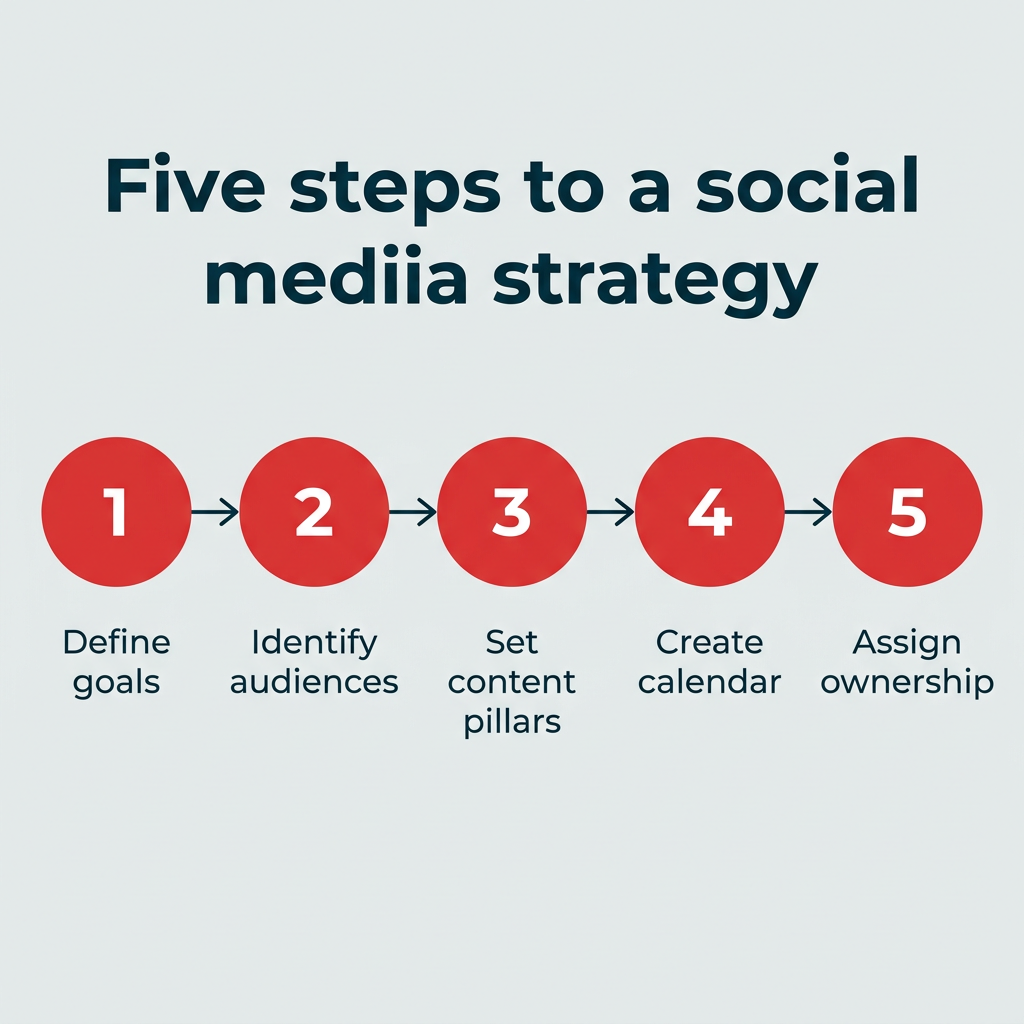
1. Fundraising and Alumni Relations
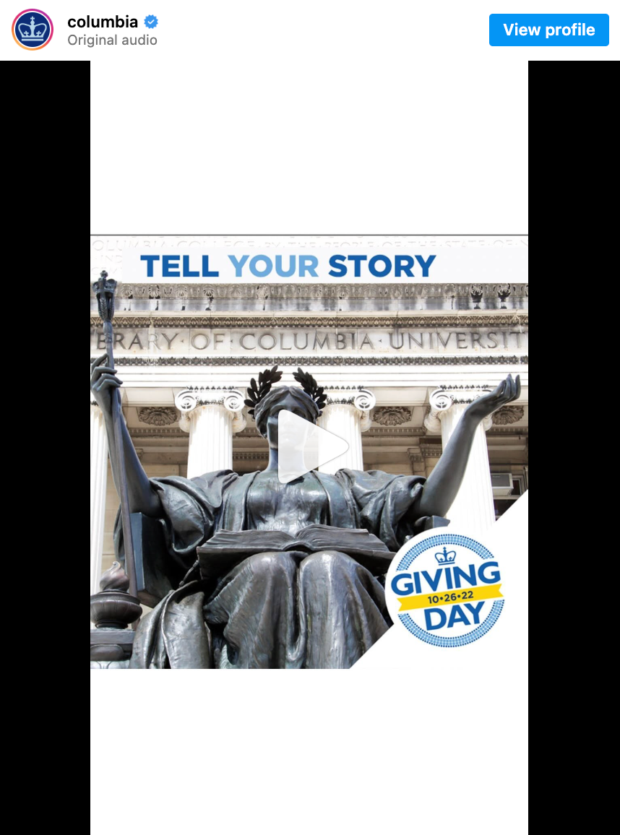
Social media has become a critical engine for development. Campaigns like "Giving Days" are no longer just email blasts; they are high-energy, multi-platform social events. By leveraging alumni advocates to share their own stories, universities can tap into personal networks that institutional accounts could never reach. Connecting these campaigns to a robust CRM (Customer Relationship Management) system allows universities to measure the direct ROI of their social outreach.
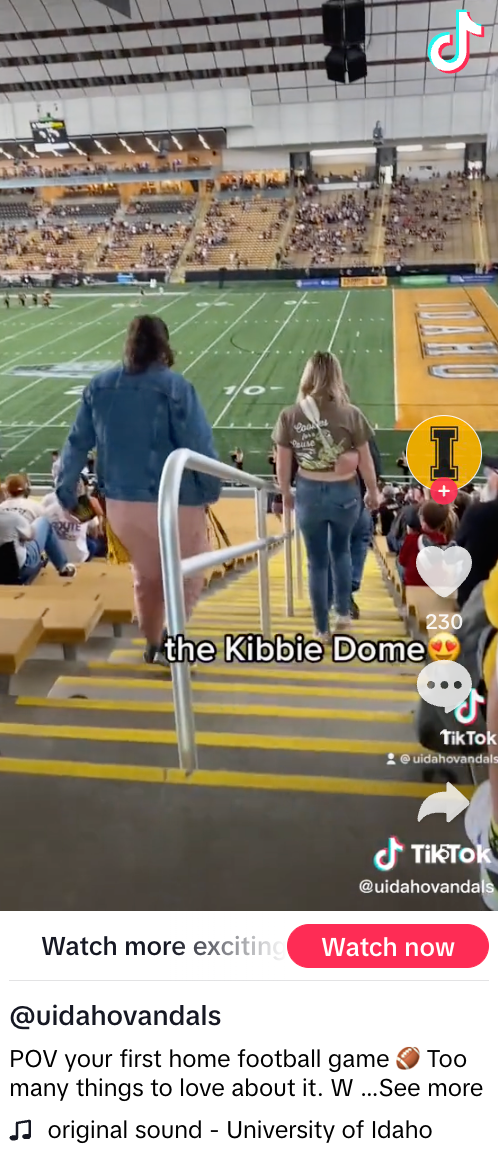
2. The Digital Classroom
Interestingly, the classroom itself is being extended into the digital realm. Instructors are using social platforms to foster media literacy, with libraries and academic departments building assignments around critical thinking and information verification. This turns the "social media classroom" into a space where students learn to navigate the digital world—a crucial skill for their post-graduate careers.
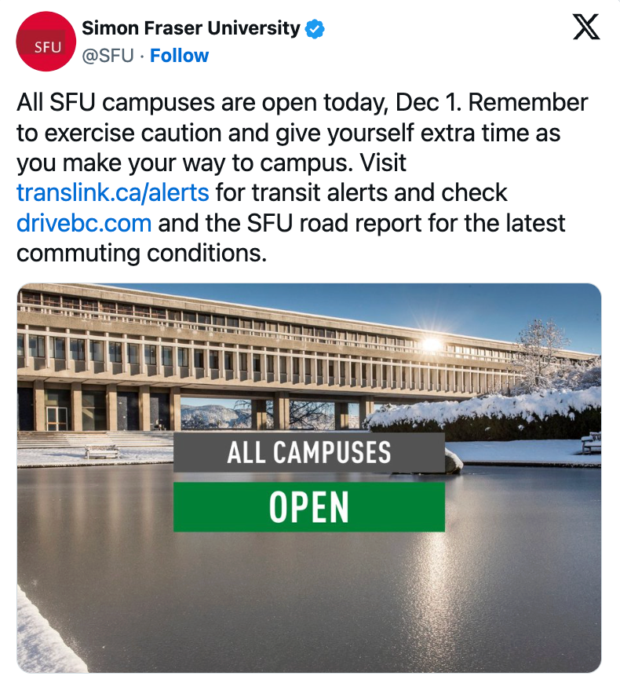
3. The Move Toward Community Hubs
As students move away from centralized portals, they are increasingly congregating in digital spaces. Universities that facilitate these spaces—by hosting student-led Discord servers, active Facebook groups for alumni, or dedicated Slack channels for research—are seeing higher levels of satisfaction and retention. The institution is no longer just a place where you go to learn; it is a community that exists wherever the students are.
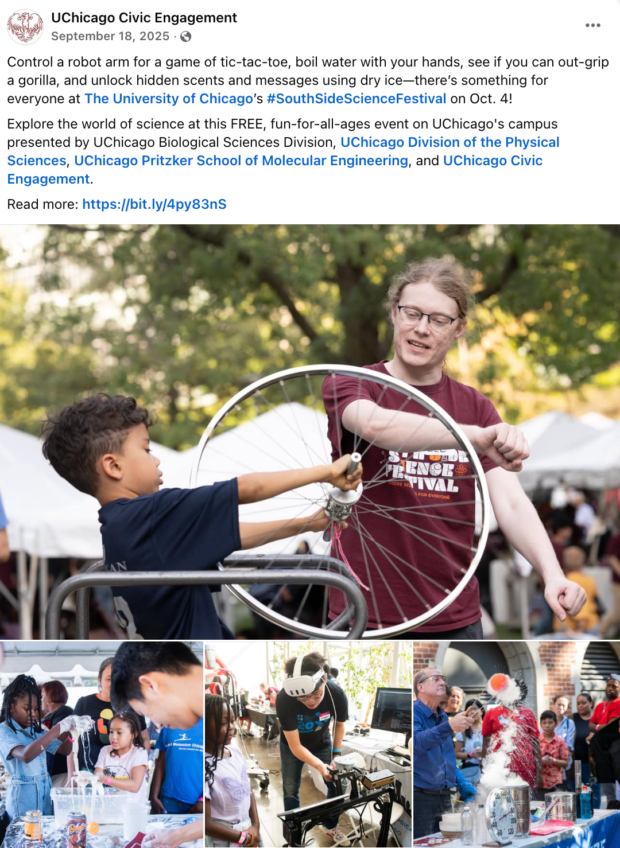
4. Quantifying Success
The final implication for higher education is the requirement for data-backed accountability. In 2026, "brand awareness" is no longer a sufficient metric for leadership. Universities must align their social metrics with institutional goals:
- Enrollment: Measuring link clicks to application pages.
- Retention: Tracking engagement in student-led community groups.
- Fundraising: Correlating social campaign traffic with actual donation conversion rates.
Conclusion: The Path Forward
To succeed in 2026 and beyond, higher education institutions must embrace a paradox: they must maintain institutional stability while operating with the agility of a creator. This requires investing in the right technology to streamline operations, empowering students to act as brand ambassadors, and, most importantly, listening to the community more than they broadcast to it.

The university of the future is not just a collection of buildings or a repository of knowledge. It is a vibrant, digital-first community. By mastering the nuances of social media—authenticity, governance, and data-driven engagement—colleges can ensure they remain not only relevant but essential to the next generation of students.
For the modern academic professional, the goal is clear: build a social strategy that is as rigorous as your academic programs and as accessible as the students you serve. The digital campus is open 24/7; the only question is whether your institution is ready to engage.
