
Decoding the LinkedIn Algorithm: A Strategic Guide for 2026
In an era where social media platforms are locked in a desperate race for viral reach, LinkedIn stands as an outlier. With over one billion active members, the platform has made a deliberate strategic choice: it is not designed for virality. Instead, it is engineered to serve as a high-fidelity recommendation engine, prioritizing professional relevance, expertise, and community-driven knowledge.
For brands and professionals, understanding the mechanics of the 2026 LinkedIn algorithm is no longer optional—it is the prerequisite for digital success. By shifting the focus from "getting lucky" with viral trends to building consistent topical authority, users can tap into a distribution system that rewards longevity and meaningful human connection.

The Core Philosophy: Why LinkedIn Rejects Virality
To thrive on LinkedIn, one must first unlearn the "viral-first" mindset prevalent on platforms like TikTok or X. LinkedIn’s engineering team has explicitly stated that their system is built to filter out the noise that often defines other social networks. The goal is simple: ensure that every time a user opens their feed, they are greeted by content that can genuinely advance their career, offer industry insights, or foster professional collaboration.
Because the platform processes billions of updates daily, its algorithm acts as a sophisticated gatekeeper. It does not prioritize the content that spreads fastest; it prioritizes the content that resonates deepest with specific professional demographics.

Chronology of the Algorithm: The Three-Step Lifecycle
The journey of a LinkedIn post from "published" to "distributed" follows a precise, three-phase technical process. Understanding this sequence is vital for creators looking to optimize their performance.
Phase 1: The Quality Audit
Before a post reaches any audience, the AI evaluates it against a strict set of community guidelines. The goal here is to filter out spam, clickbait, or low-quality content that violates professional standards. If your post contains excessive hashtags, suspicious outbound links, or content that triggers automated "engagement bait" warnings (such as "Comment YES to see this"), it will be throttled immediately. If the system flags a post as ambiguous, it moves to a human review queue.
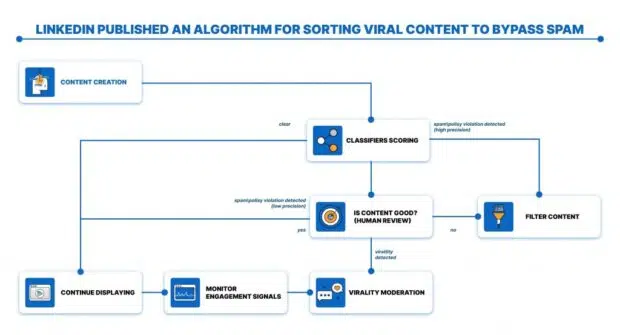
Phase 2: The "Golden Hour" Test
Once a post is deemed safe, it enters the distribution testing phase. LinkedIn pushes the content to a small, diverse subset of your followers to gauge initial reaction. This "Golden Hour" is the most critical window. The algorithm monitors engagement signals—not just likes, but meaningful comments, shares, and—crucially—the "dwell time" (how long a user spends viewing your content).
Phase 3: The Relevance Expansion
If the post survives the initial test, the algorithm expands its reach to second- and third-degree connections. This is where the platform’s "relevance over recency" update comes into play. Unlike the past, where a post’s lifespan was measured in mere hours, 2026-era LinkedIn content can resurface in a user’s feed up to three weeks after the initial publish date if the algorithm determines it is highly relevant to that user’s current career interests or skill set.
Supporting Data: What Moves the Needle
Engagement is not a monolith; it is a hierarchy. Data from the last two years of platform updates highlights specific formats that consistently outperform others:
- Video Dominance: Authentic, "camera-facing" video content currently generates five times the engagement of static posts. Live video, while more resource-intensive, sees engagement rates up to 24 times higher than standard text-only updates.
- The Power of Documents: Carousel-style documents (PDFs) have emerged as the "secret weapon" for organic reach. Because they require the user to manually click through slides, they inherently increase dwell time, signaling to the algorithm that the content is high-value.
- The "Link in Comments" Strategy: LinkedIn continues to penalize posts that drive users off-platform. By placing URLs in the first comment rather than the body of the post, creators preserve the algorithm’s favor, keeping the conversation within the platform.
Official Stance and Recent Updates
Recent engineering updates have solidified a shift toward "Topic Authority." LinkedIn is now tracking the consistency of your output. If you post consistently about cybersecurity, the algorithm begins to tag your profile as a subject-matter expert in that field. Consequently, your future posts in that niche are given preferential treatment in the feeds of users interested in cybersecurity.
Furthermore, the platform has officially moved away from prioritizing recency. If you have a high-performing piece of content from two weeks ago that remains relevant, the algorithm will continue to serve it to new audiences. This shift encourages creators to move away from the "daily treadmill" of posting and toward a strategy of high-value, evergreen content.
Implications: How to Optimize Your Strategy
If you are looking to maximize your footprint in 2026, consider these five strategic pillars:
1. Build Your Niche Authority
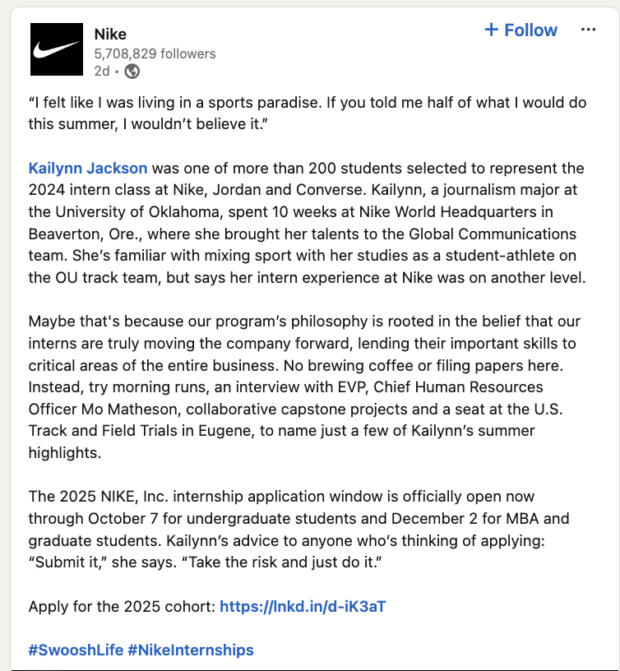
Stop trying to be a generalist. Choose two or three core pillars of expertise and stick to them. The algorithm needs to "learn" what you are about; frequent topic pivots confuse the AI and prevent you from being surfaced to your target audience.
2. Prioritize Conversational Depth
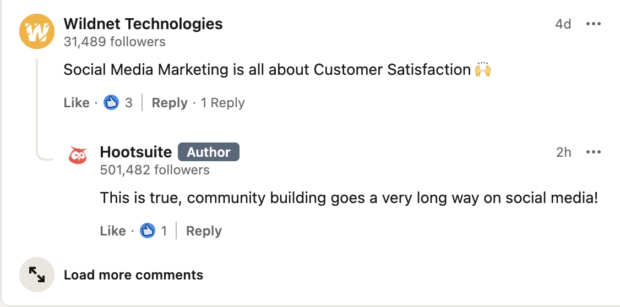
Generic comments ("Great post!") do little to help your distribution. Aim for comments that spark debate, ask questions, or provide a counter-perspective. The algorithm explicitly rewards threads that feature a back-and-forth dialogue between the original poster and the commenters.
3. Master the Timing
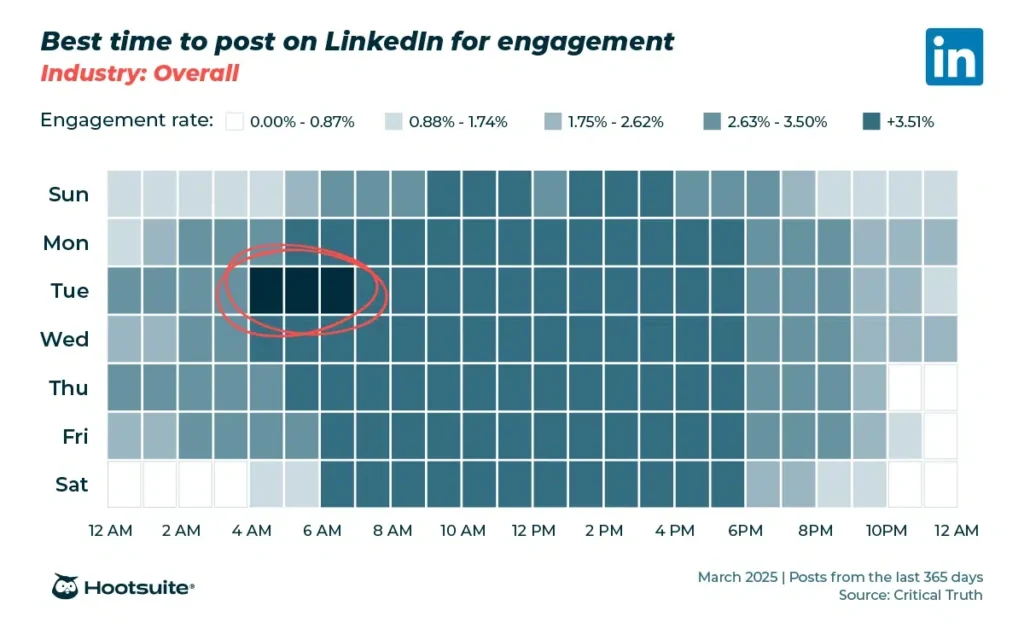
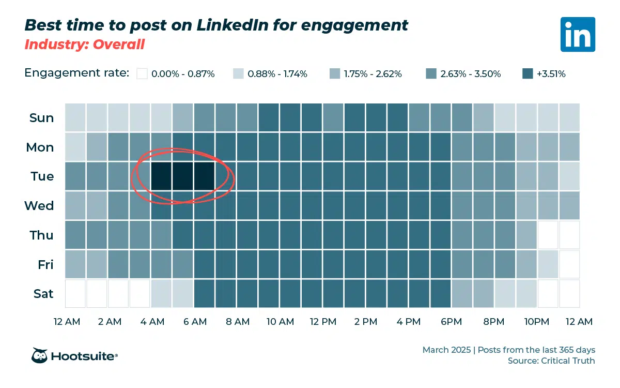
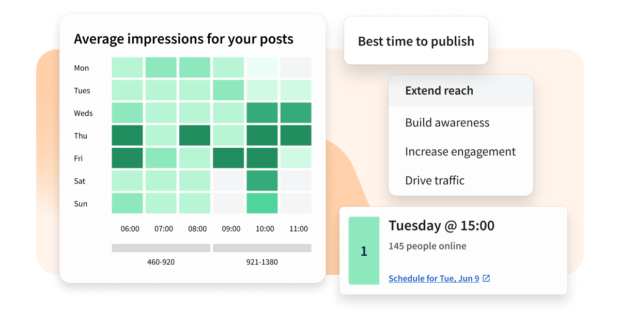
While the platform is moving toward relevance, peak activity times still matter for the initial "Golden Hour" test. Data suggests that Tuesday and Wednesday mornings (between 4:00 AM and 6:00 AM) remain the optimal windows for initial exposure. However, always verify this against your own audience analytics.
4. Leverage Native Features
LinkedIn provides native tools—polls, newsletters, and collaborative articles—because they want you to keep users inside their ecosystem. Using a native poll to start a conversation will almost always outperform a text-only link to an external blog post.
5. Cultivate a Human Brand Voice
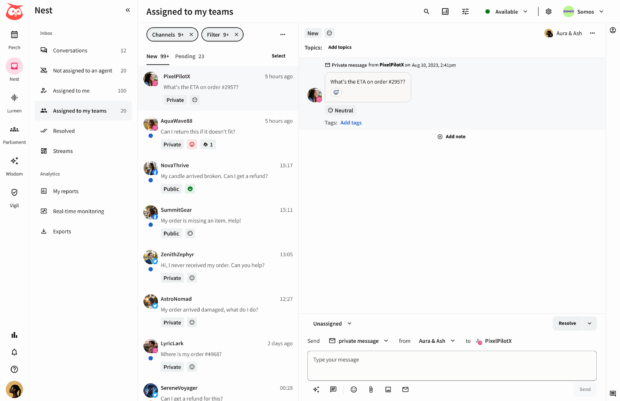
The 2026 user is tired of "corporate speak." The brands and individuals that win on LinkedIn are those that inject humanity, vulnerability, and humor into their professional insights. Authenticity is no longer a soft skill; it is a measurable metric that drives higher click-through and engagement rates.
Conclusion: The Long Game
The LinkedIn algorithm is a mirror of the professional world itself: it rewards those who show up consistently, share genuine expertise, and engage in meaningful, respectful discourse. By aligning your strategy with the platform’s focus on relevance and authority, you move from being a noise-maker to a thought leader. In 2026, success on LinkedIn isn’t about hitting the viral jackpot—it’s about building a career-defining presence, one thoughtful conversation at a time.
