
The Architecture of AI: Building a Margin-First Tech Stack for Marketing Agencies
In the current digital landscape, the promise of Artificial Intelligence is often framed as a simple binary: automate or be left behind. However, for marketing agencies—where margins are thin and client trust is the primary currency—blind automation is a recipe for chaos. The true competitive advantage today isn’t found in the sheer volume of AI-generated content, but in the strategic selection of a "stack" that optimizes delivery, protects profit margins, and elevates the quality of the work shipped to clients.
This guide dissects how to move beyond the hype of "AI for the sake of AI," providing a blueprint for building a sustainable, high-performance agency workflow.

The State of the Industry: From Automation to Orchestration
The marketing agency model is currently undergoing a structural shift. Historically, growth was tied directly to headcount; more clients required more account managers and copywriters. AI has decoupled that relationship, but it has introduced a new challenge: the "Tool Sprawl."
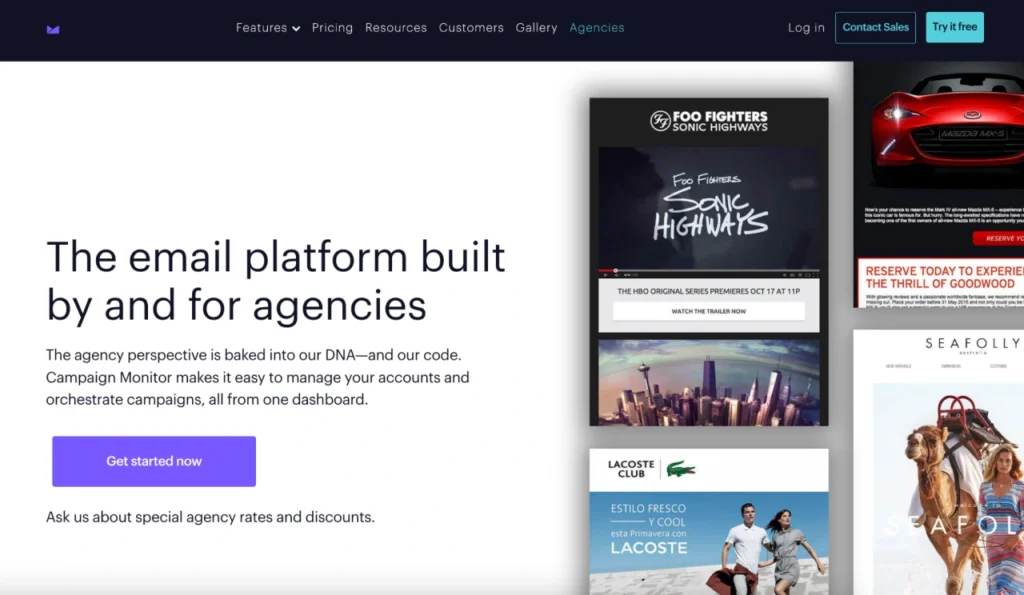
When an agency adopts disparate AI tools without a central nervous system, the result is fragmented data, inconsistent brand voices, and ballooning software costs. The goal for modern agency leaders is to transition from "automation" to "orchestration." This means identifying core pillars of the agency—Email, Content, Ads, Analytics, and Reporting—and anchoring them in a reliable foundation, such as Campaign Monitor, which provides the necessary governance and integration capabilities to keep AI outputs on-brand.
The 3C Model: A Framework for Operational Integrity
To build an AI-enabled agency that remains profitable, we propose the 3C Model:
1. Context: Centralize Data
Before a single prompt is typed into a generative AI tool, there must be a "single source of truth." Agencies that fail to centralize audience data, performance benchmarks, and brand guidelines inevitably face "drift," where AI outputs become generic and disconnected from the client’s actual business goals.
2. Content: The "Human-in-the-Loop" Standard
AI is exceptionally skilled at drafting, ideation, and scaling volume. It is, however, notoriously prone to hallucinations and tonal inconsistency. The most successful agencies treat AI as a junior copywriter or designer that requires strict oversight. By using templates and pre-built workflows, agencies can ensure that 80% of the heavy lifting is done by AI, while the remaining 20%—the high-value strategy and final polish—remains human-led.
3. Control: Automate with Guardrails
Automating a bad process only leads to bad results faster. Control involves implementing strict approval workflows. Whether it is an automated email journey or a programmatic ad campaign, there must be automated triggers that pause activity if performance dips or if brand guidelines are flagged as violated.
The Essential AI Stack for Modern Agencies
The following tools have been identified as industry leaders for agencies looking to balance scale with precision.
Email Marketing & Automation: Campaign Monitor
Campaign Monitor remains the bedrock for agencies managing multiple client accounts. Its parent/child account structure, combined with advanced segmentation and pre-built automated journeys, allows agencies to deliver personalized experiences at scale. Its strength lies in its ability to integrate with the rest of the stack, ensuring that AI-generated content doesn’t just sit in a vacuum but is delivered to the right inbox at the right time.

Content Ops: Jasper and Copy.ai
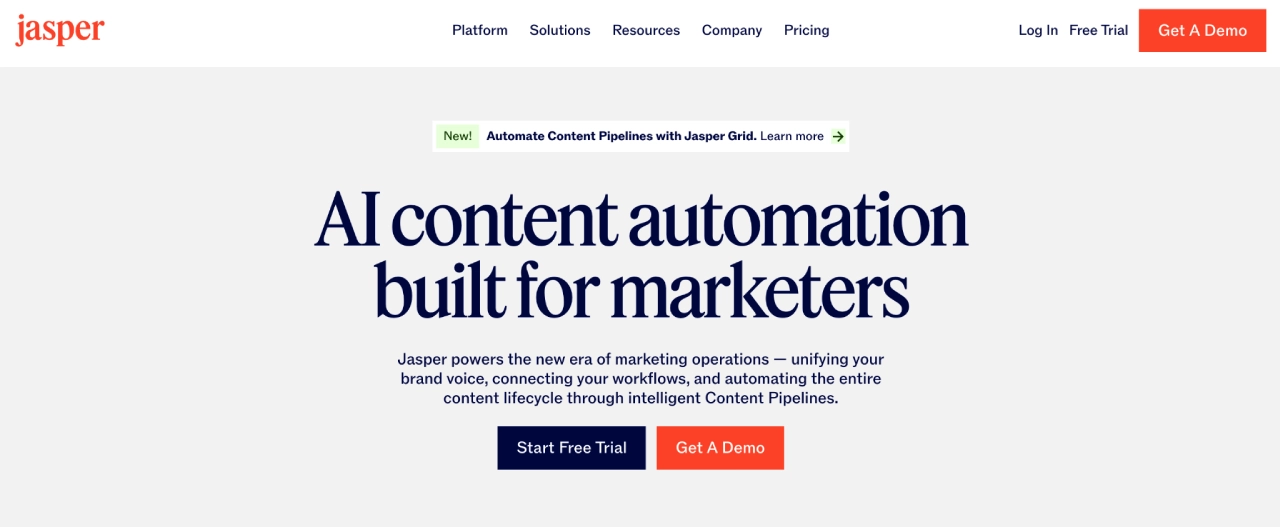
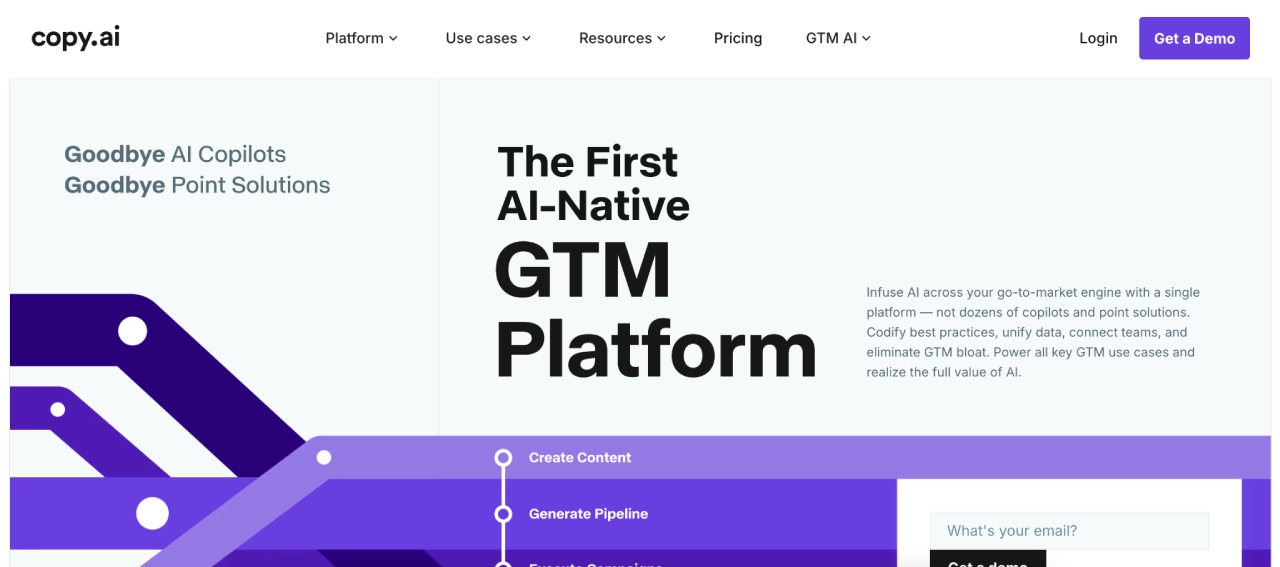
For agencies focused on content throughput, Jasper and Copy.ai offer powerful "agentic" workflows. By training these tools on a client’s specific Brand Voice, agencies can produce blog posts, social captions, and email copy that sound human, significantly reducing the turnaround time for content calendars.
Ad Management: Madgicx and AdCreative.ai
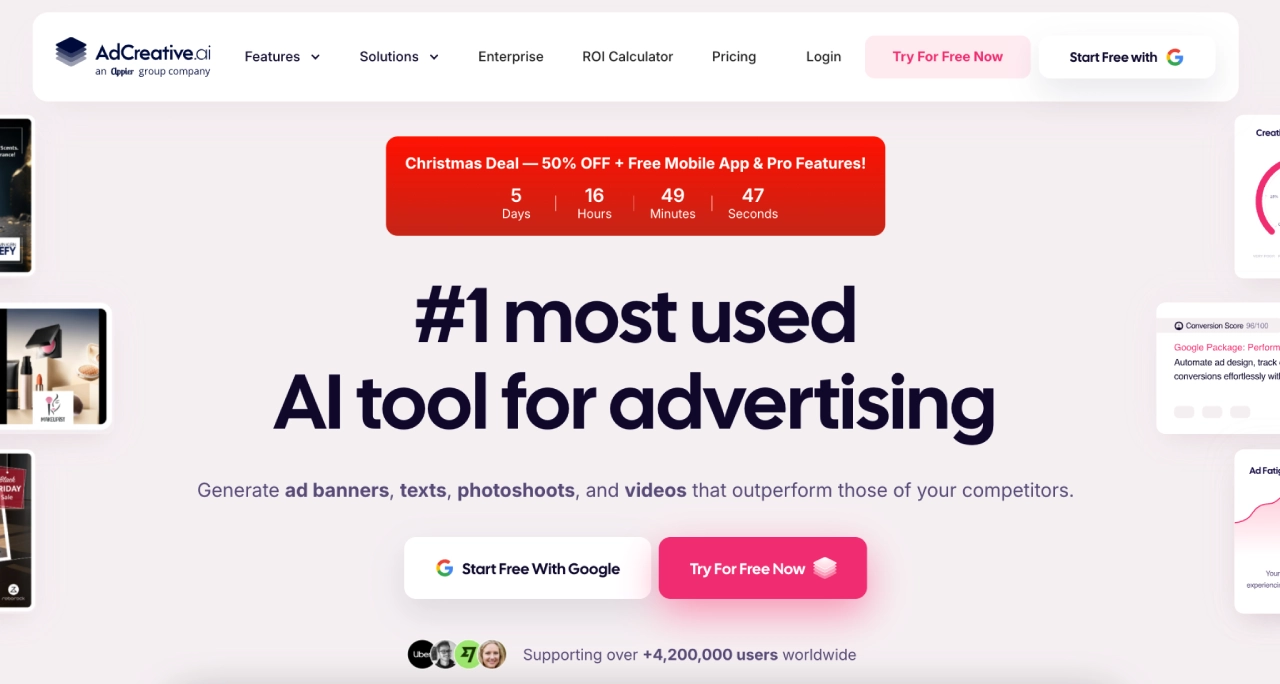
Performance agencies are leveraging Madgicx for AI-driven Meta ad optimization and AdCreative.ai for high-velocity creative testing. These tools remove the guesswork from ad spend, allowing agencies to pivot strategies based on real-time performance data rather than waiting for end-of-month reports.

Analytics and Reporting: AgencyAnalytics, Supermetrics, and WhatConverts
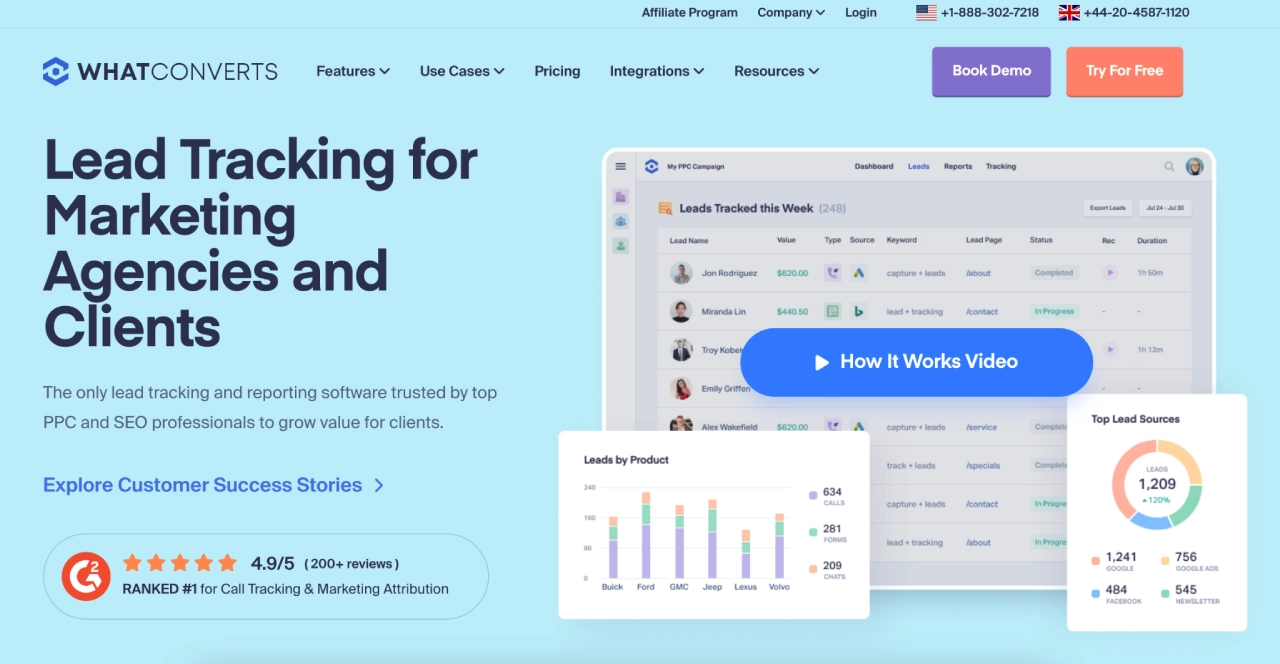
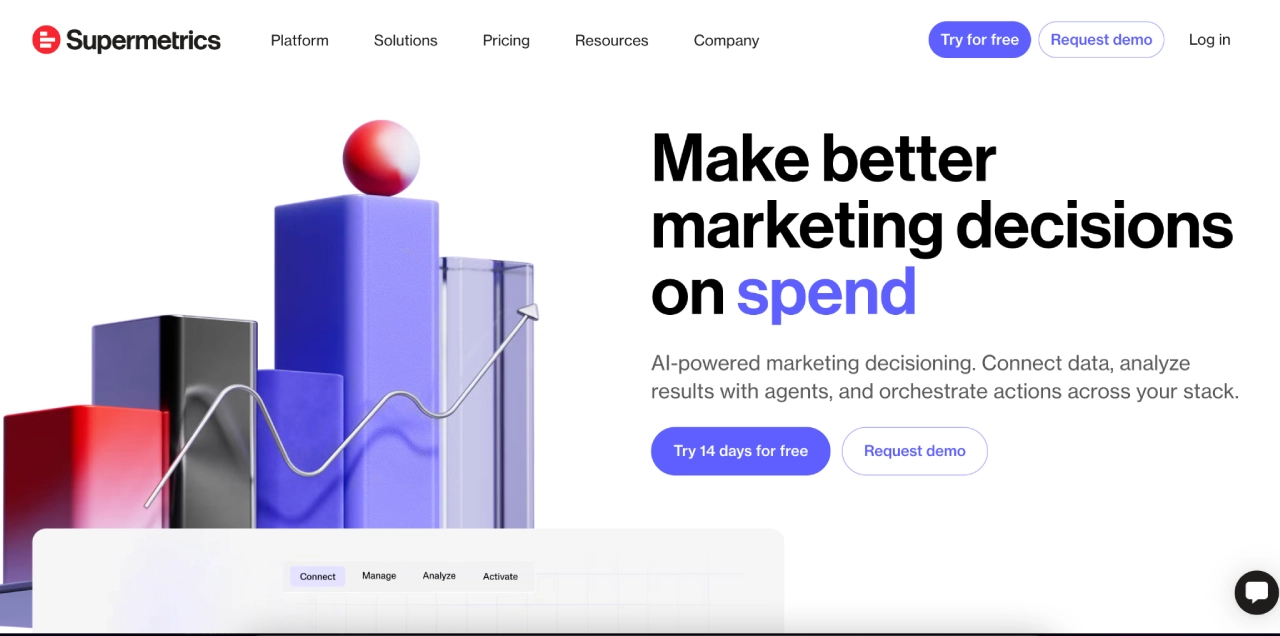
The "data silo" is the enemy of the modern agency. Tools like Supermetrics allow agencies to pull data from 150+ sources into a unified dashboard, while AgencyAnalytics provides the white-label reporting interface that clients demand. WhatConverts closes the loop by attributing phone calls and form fills back to specific marketing campaigns, providing the "revenue attribution" that proves agency ROI.
Implications of the AI Shift: Managing Risk and Cost
While the benefits of an AI-integrated stack are clear, the risks are equally significant.
The Challenge of "Hallucinations"
AI models are designed to be helpful, which sometimes means they will confidently invent facts or data. Agencies must enforce a policy where AI is strictly prohibited from generating final, unverified claims, especially regarding product specifications, legal disclaimers, or financial guarantees.
Intellectual Property and Compliance
The legal landscape regarding AI-generated assets is evolving. Agencies must be diligent in ensuring that the tools they use offer commercial usage rights. Furthermore, when feeding client data into an AI tool, agencies must ensure that the data is not being used to train public models, which could inadvertently expose sensitive client information.
The "All-in-One" Myth
Many vendors sell "all-in-one" suites that promise to replace every tool in your stack. In practice, these often result in paying for bloatware—features that are either under-utilized or lack the depth of specialized tools. A "best-of-breed" approach, where you select a primary platform like Campaign Monitor and integrate specialized AI tools via API or Zapier, generally results in lower Total Cost of Ownership (TCO) and higher output quality.
Strategic Recommendations for Agency Growth
For agency leaders looking to implement these changes, the journey should be chronological:
- Phase 1 (The Foundation): Audit your current tech stack. Identify tools that are redundant. Ensure your core delivery platform (CRM, Email, Analytics) is robust and capable of supporting third-party integrations.
- Phase 2 (The Pilot): Select one high-volume, low-risk workflow to automate. For example, use AI to draft weekly social media posts or to segment email lists based on engagement behavior.
- Phase 3 (The Integration): Use middleware like Zapier to connect your AI content generators to your distribution channels.
- Phase 4 (The Review): Implement a TCO audit. Calculate the cost of seats, credits, and tasks against the billable hours saved. If the software cost exceeds the value of the time saved, refine the usage or prune the tool.
The Future of Agency Delivery
The agencies that thrive in the coming years will be those that view AI not as a way to replace human talent, but as a way to liberate it. By removing the friction of manual data entry, repetitive content drafting, and basic reporting, agencies can refocus their teams on the work that actually moves the needle: creative strategy, high-level client relationship management, and complex problem-solving.
As we look toward the future, the integration of "agentic" workflows—where AI tools act autonomously within set guardrails—will become the new industry standard. The agencies that successfully adopt this model will not only enjoy higher profit margins but will be better positioned to offer the kind of high-touch, data-driven service that clients demand in an increasingly noisy digital marketplace.
Final Thoughts: Building a Sustainable Competitive Advantage
The ultimate win for any agency is to become indispensable to their clients. By building a tech stack that is as reliable as it is efficient, agencies can provide a level of consistency that AI alone can never achieve. When you pair the speed of AI with the strategic oversight of an experienced agency team, you create a powerhouse that can scale to any size without sacrificing the quality of work.
Start with the basics: clean up your data, standardize your brand voice, and choose tools that play well with others. If you focus on the workflow, the margins will follow.
