
The AI Marketing Revolution: How Smart Automation is Redefining ROI in 2026
The landscape of digital marketing has undergone a fundamental metamorphosis. As we navigate 2026, the question for agencies and enterprises is no longer if they should adopt Artificial Intelligence, but how they can integrate it to move beyond simple efficiency. AI is no longer just a "time-saver"; it is the engine reshaping the boundaries of what is possible in customer engagement, creative production, and revenue growth.
The true cost of modern marketing is not the software subscription fee; it is the staggering amount of human hours lost to manual data entry, generic messaging, and strategic decisions made in a data vacuum. Agencies and brands that have successfully leveraged AI are pulling ahead of the pack by executing campaigns faster, personalizing interactions at a deeper level, and optimizing their funnels continuously.
The Chronology of an AI-Driven Shift
To understand where we are, we must look at the rapid evolution of the marketing stack over the last few years.
- 2023-2024: The Prototyping Phase. Marketing teams began experimenting with generative AI, primarily for drafting social media captions and basic blog posts. These were "siloed" experiments—often disconnected from the actual CRM or revenue-tracking systems.
- 2025: The Integration Phase. The industry moved toward native AI integration. Platforms like Campaign Monitor and HubSpot began embedding machine learning directly into the user interface, allowing for dynamic content personalization and automated customer journeys without requiring custom code.
- 2026: The Orchestration Phase. Today, we are in the era of "AI Orchestration." Sophisticated marketers are now using no-code platforms like Zapier to link disparate tools, creating a unified ecosystem where an insight from a heatmap can automatically trigger a change in an email campaign, which then updates a lead score in a CRM like Salesforce Einstein.
Supporting Data: Why AI is No Longer Optional
The performance gap between legacy marketing teams and AI-empowered teams is widening. According to industry metrics, companies that utilize AI-driven personalization—such as dynamic email content—report significantly higher engagement rates.
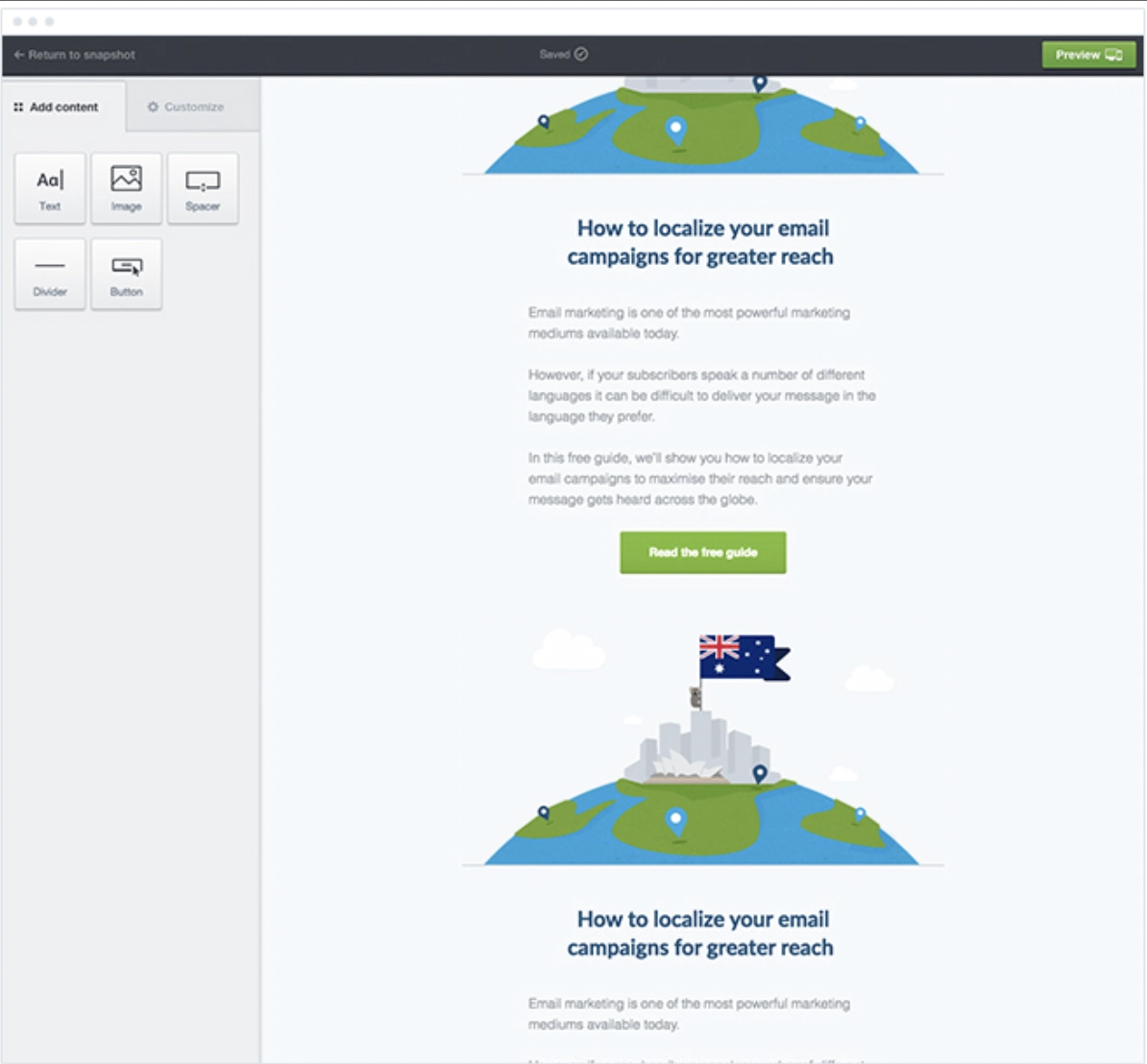
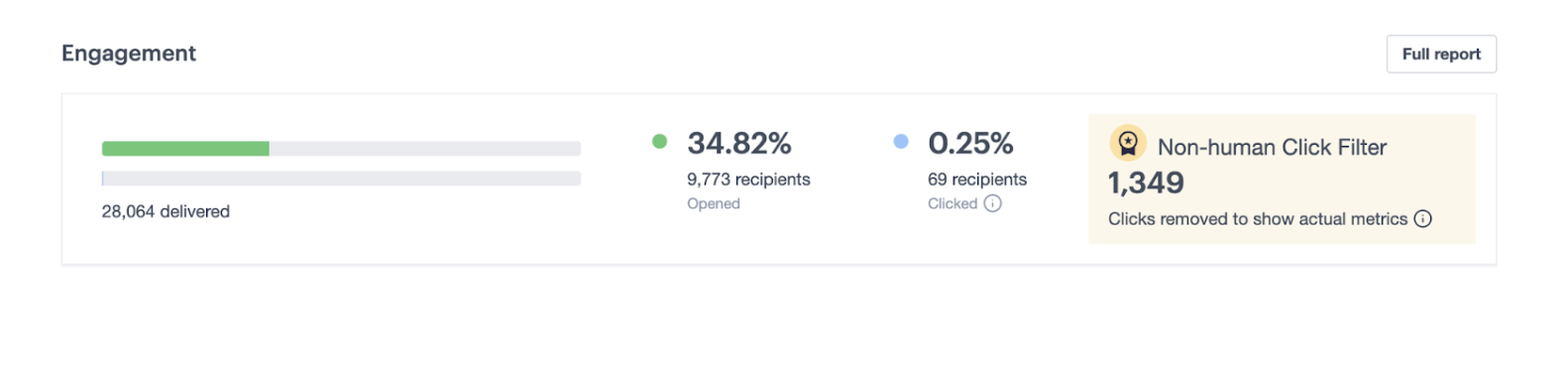
For instance, brands like On have successfully utilized platforms like Campaign Monitor to drive 20% of their total e-commerce sales through email channels alone. By implementing AI-powered segmentation, these brands have seen a 10% increase in engagement across global customer segments. Similarly, organizations leveraging advanced automation have reported a massive reduction in "bot-click" interference, ensuring that marketing spend is focused on actual human intent rather than algorithmic noise.
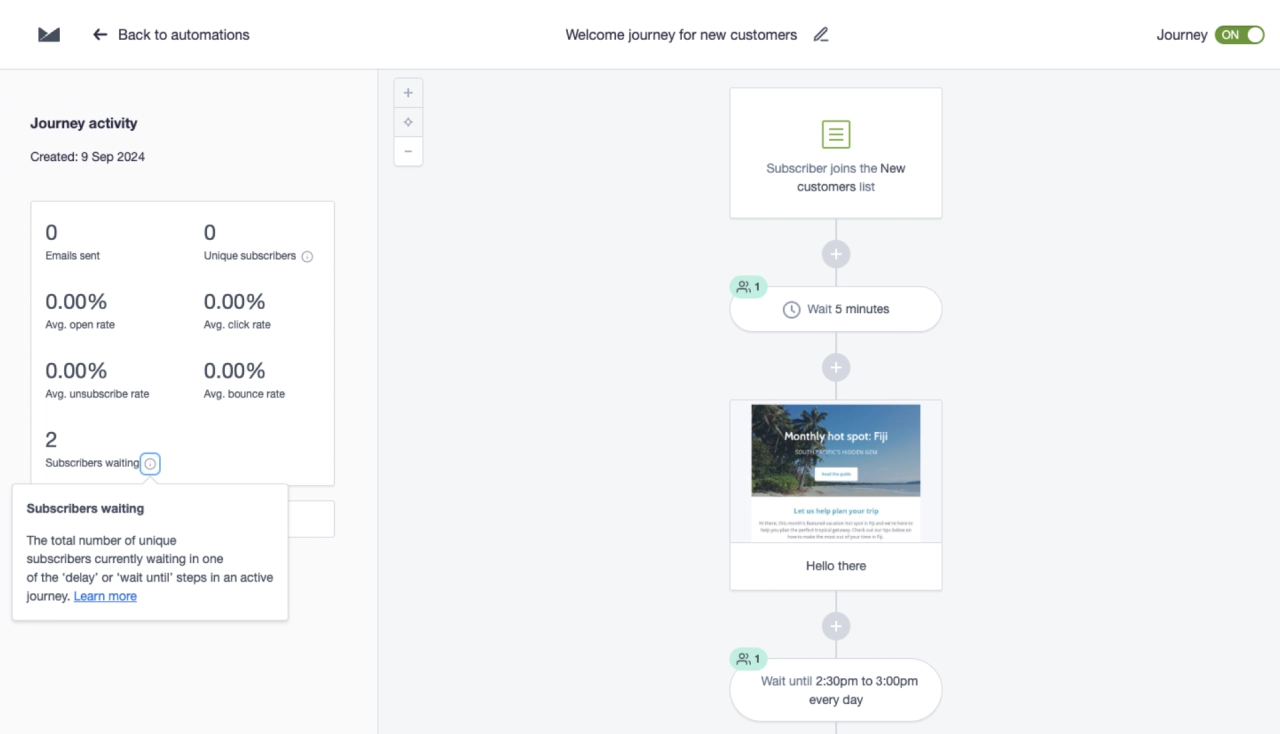
The Essential AI Marketing Toolkit for 2026
For marketing leaders, the challenge is navigating the sea of available tools. To simplify this, we categorize the essential AI stack into six pillars:
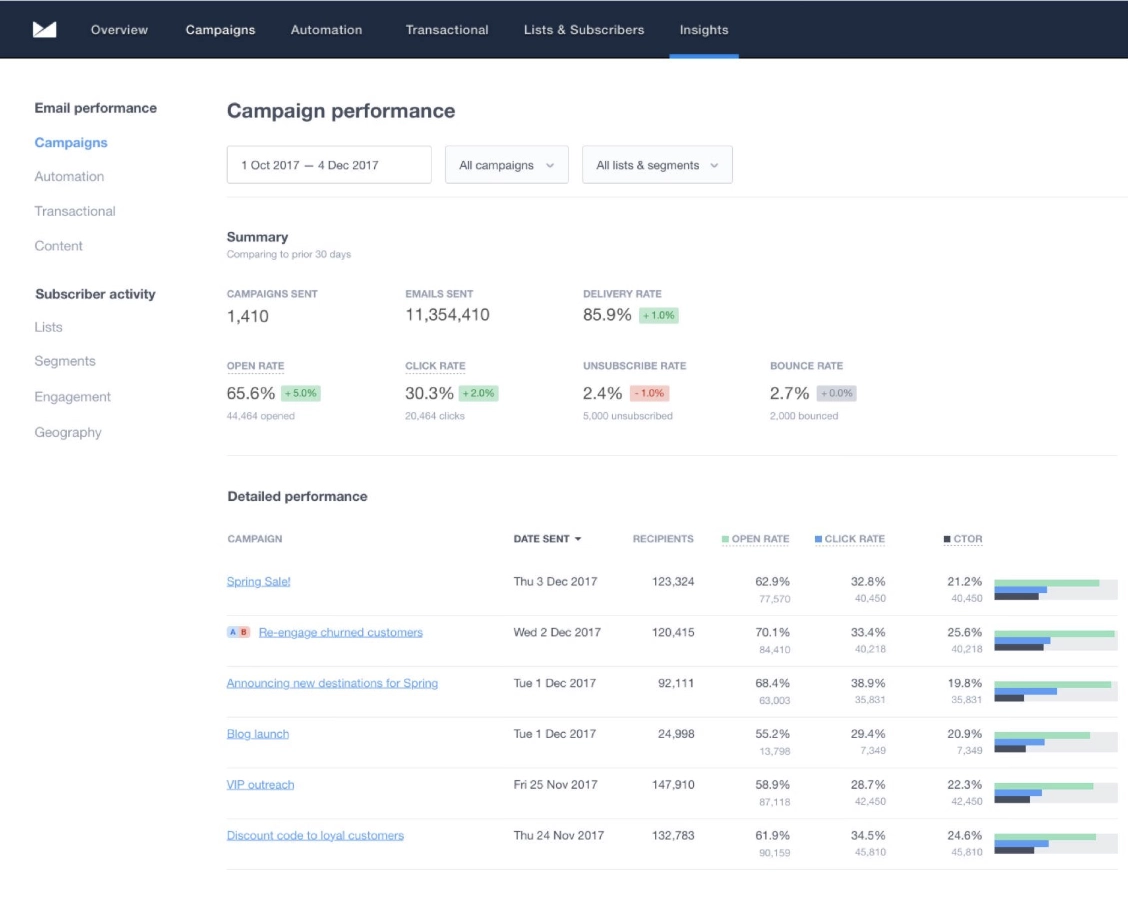
1. Email Marketing & Lifecycle Journeys
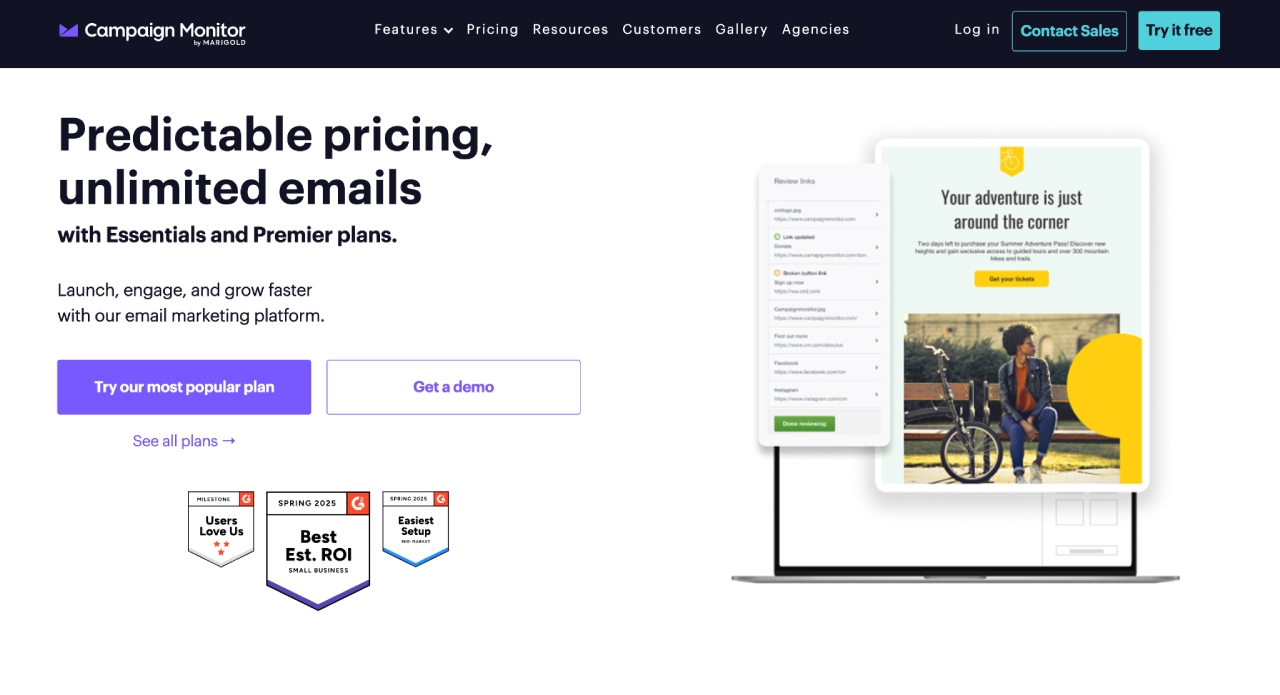
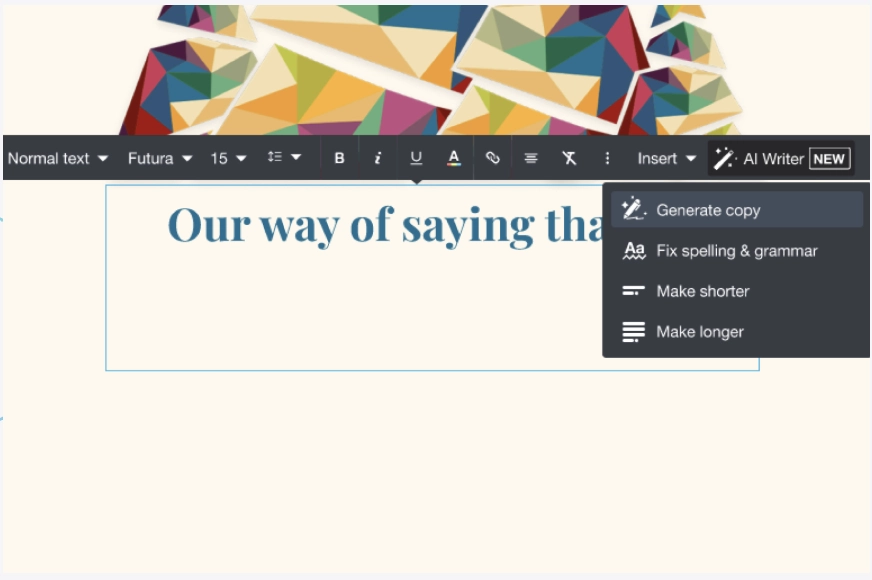
- Campaign Monitor: A powerhouse for multi-location brands. Its strength lies in "AI Writer" and dynamic content, which allow for rapid, on-brand personalization.
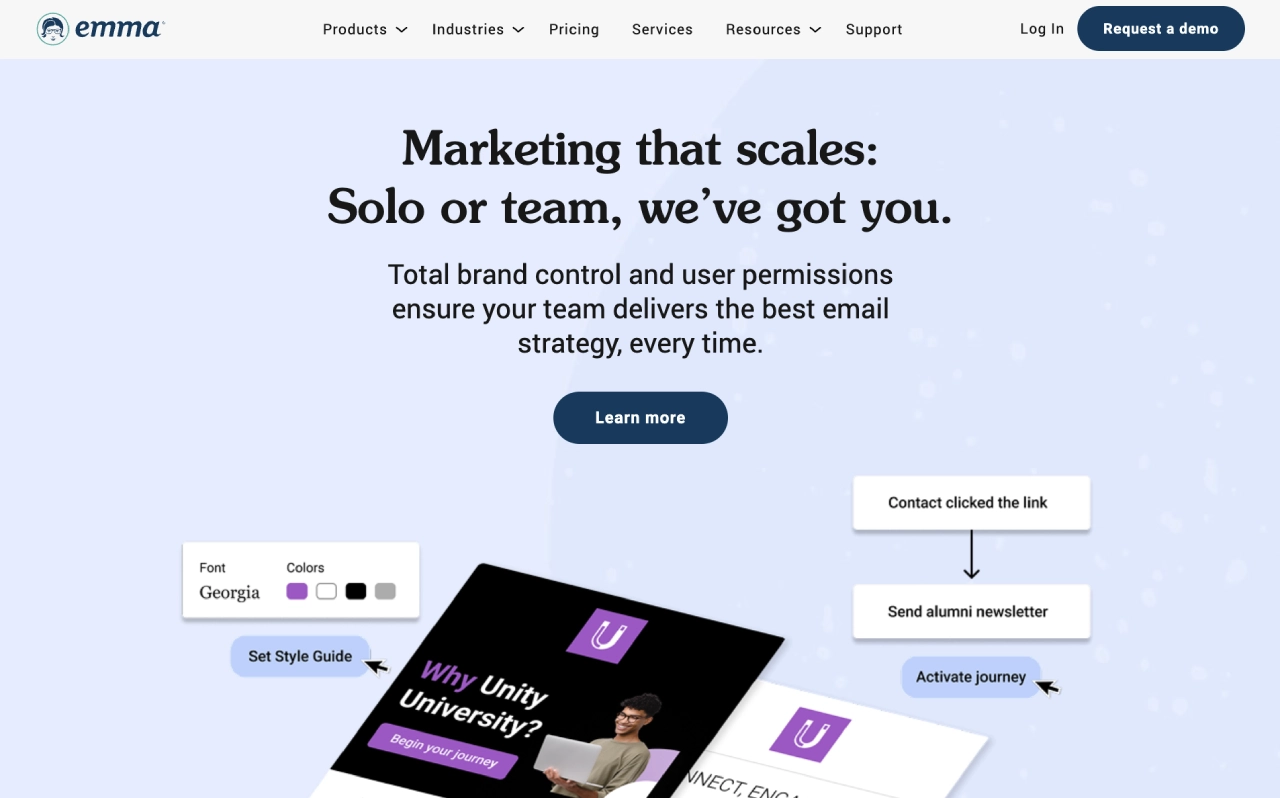
- Emma: Tailored for complex organizations like universities and franchises that require strict brand governance, locked templates, and centralized control.
2. Content Creation & SEO
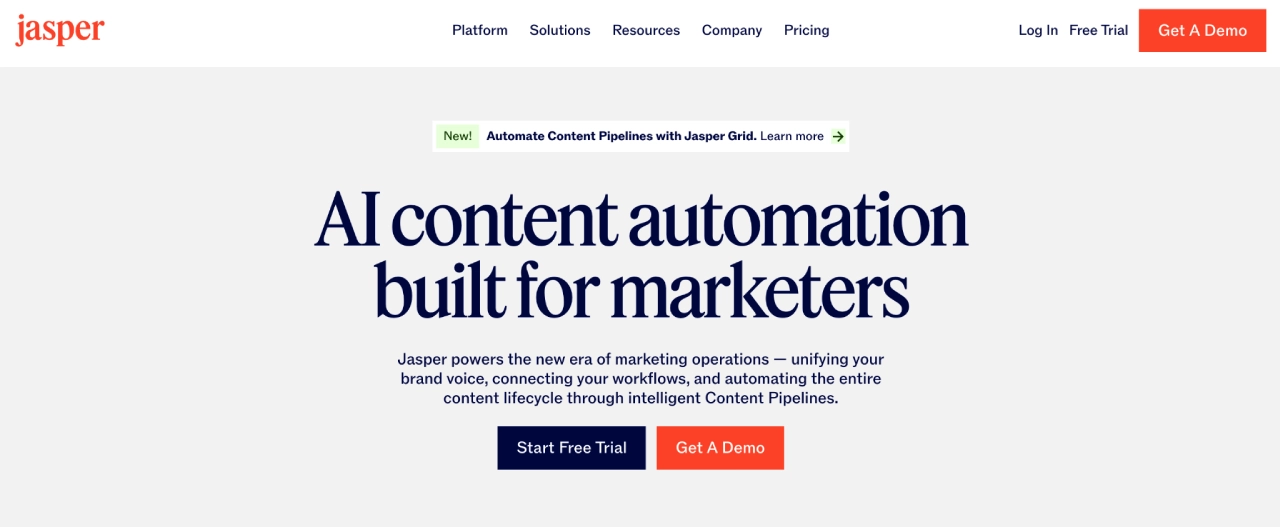
- Jasper: The gold standard for teams needing to maintain a consistent "Brand Voice" across long-form content and ad copy.
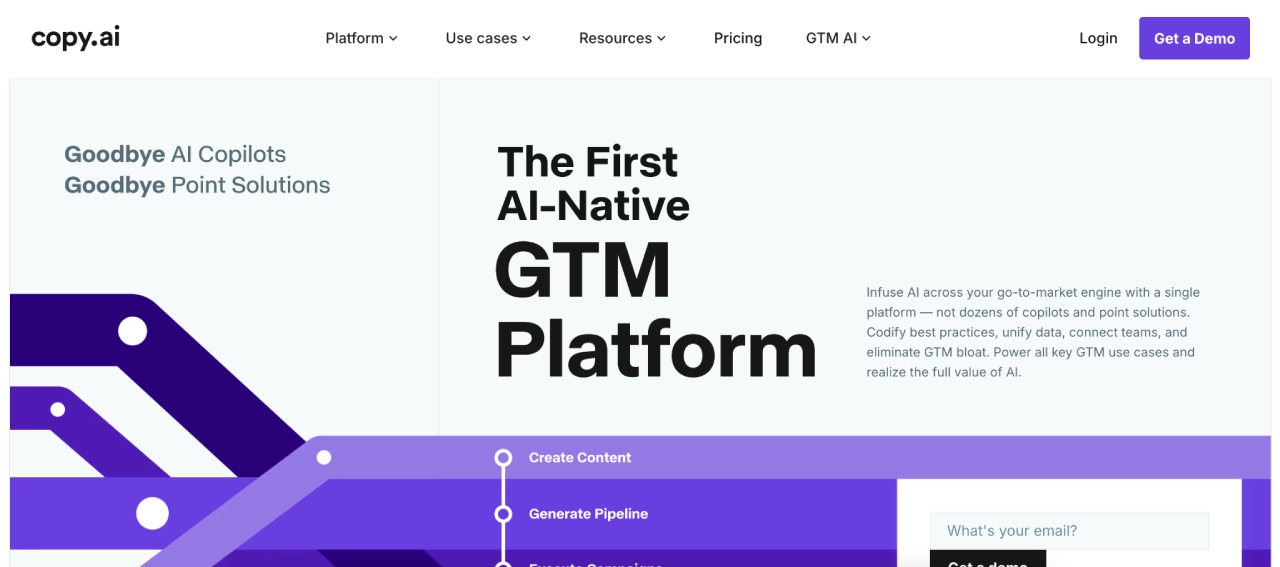
- Copy.ai: Ideal for fast-paced teams that need to turn a single creative brief into a multi-step campaign sequence across emails, social, and web.
- Clearscope: For the SEO-focused team, this tool uses AI to analyze top-ranking pages, ensuring content is not just written, but strategically built to win on search engine results pages.
3. Visuals & Creative Production
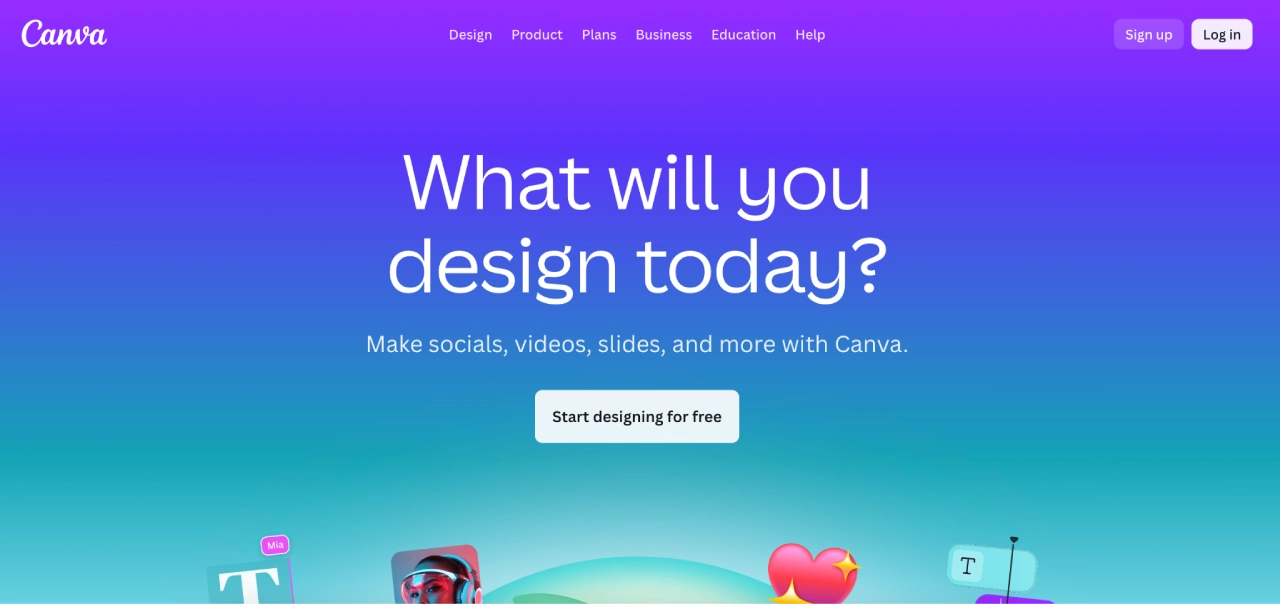
- Canva AI: Democratizes design, allowing non-designers to generate social graphics, thumbnails, and presentations from simple text prompts.
- Runway: The leader in AI-assisted video creation, essential for teams looking to produce professional-grade motion tracking and experimental visuals without a high-end production budget.
4. On-Site Growth & Conversion
- Alia Popups: Leverages zero-party data to serve highly personalized offers to visitors, ensuring the right message appears at the right time.
- Heatmap AI: Provides revenue-linked insights, allowing teams to see exactly which page elements are driving sales and which are causing friction.
5. SMS & Retention
- TxtCart: Bridges the gap between SMS and human-like sales support, using an AI agent to recover abandoned carts and answer customer questions in real-time.
- Textline: Essential for service-heavy brands that need a structured, shared inbox to manage high volumes of customer inquiries.
6. Orchestration & Enterprise CRM
- Zapier: The connective tissue of the modern stack, allowing for complex, multi-tool automation without requiring an engineering team.
- HubSpot AI & Salesforce Einstein: These are the backbone for mid-market and enterprise firms, offering predictive lead scoring, deep CRM integration, and AI-driven sales forecasting.
Implications for the Modern Marketing Team
The rise of these tools implies a total shift in the role of the marketer. The focus is moving away from "execution" (the "how" of sending an email) toward "strategy" (the "why" of the customer journey).
The 7-Point Selection Framework:
When evaluating any new AI tool, teams should use a rigorous scorecard:
- Integration: Does it plug into your existing stack (CRM, ESP, Web) without manual API work?
- Brand Alignment: Does the AI learn your brand voice, or does it produce generic, "robotic" copy?
- Use Case Fit: Does it solve a genuine bottleneck, or is it a "solution looking for a problem"?
- Data Compliance: Does it adhere to privacy standards and utilize clean, filtered data?
- Scalability: Do costs remain manageable as your volume of campaigns grows?
- Measurability: Can the tool prove its ROI through direct analytics?
- Usability: Can your team adopt it without becoming "power users" or needing external consultants?
Official Perspectives: The 3P Model
Industry experts recommend the "3P Model" for evaluating vendors: Performance, Privacy, and Price.
- Performance: Does the tool consistently hit its benchmarks?
- Privacy: How is your customer data stored and utilized?
- Price: Is the cost structure transparent, or are there hidden fees associated with scaling?
The prevailing consensus is that while AI can handle the "heavy lifting" of drafting, tagging, and segmenting, human oversight remains the final and most critical component. AI can suffer from "drift," where the tone or context of a message slowly loses its relevance. The winning formula is to allow AI to handle the scale, while human judgment performs the final review, adds the nuanced creative touch, and ensures the campaign aligns with the current brand ethos.
Conclusion: The Path Forward
The teams that will win in 2026 are those that resist the urge to use AI everywhere and instead apply it where impact compounds. Personalization, automation, and data-driven messaging are the levers that move the needle.
If your organization is still launching campaigns the "slow way"—manually editing every template and guessing at segmentations—the time for transition is now. By integrating tools like Campaign Monitor, you can shift your focus from the mechanics of execution to the strategy of connection. As the Australian Red Cross proved with their 75% increase in conversions, the right technology, when used with precision, doesn’t just save time—it transforms the business results.
Action Step: Create a 1-5 scorecard for your current marketing stack based on the 7-point framework. Identify the one category where your team is lagging and pilot a tool like Campaign Monitor for 30 days. The goal is to move from manual labor to automated excellence, freeing your team to focus on what truly matters: your customers.
