
The Unseen Edge: How Customer Insights and Analytics Drive Modern Business Success
In today’s hyper-competitive marketplace, some brands consistently resonate with their audience, building unwavering loyalty and achieving remarkable growth. This seemingly effortless connection is no accident; it’s the profound impact of robust customer insights and analytics. By meticulously dissecting trends, aggregating vast datasets, and actively engaging with feedback, businesses are not just reacting to the market – they are shaping it, crafting exceptional customer experiences, and making strategic, profit-driven decisions.
This article delves into the transformative power of understanding your customer at an unprecedented level. We will explore how businesses leverage these insights to leapfrog competitors, foster deep customer relationships, and ensure sustained relevance in a rapidly evolving commercial landscape. From defining core concepts to examining sophisticated data-gathering methodologies and their strategic implications, we uncover the bedrock of modern business triumph.
The Core: Decoding Customer Insights & Analytics
At the heart of every successful customer-centric strategy lies a clear understanding of what "customer insights" and "customer analytics" truly mean and how they interrelate. While often used interchangeably, a nuanced distinction is crucial for effective implementation.

What Are Customer Insights?
Customer insights represent the profound understanding derived from the analysis and interpretation of comprehensive customer data. This isn’t merely about collecting facts; it’s about uncovering the underlying motivations, preferences, pain points, and behaviors that drive customer decisions. These insights are meticulously gathered through identifying overarching trends, collecting both quantitative (measurable) and qualitative (descriptive) data, and rigorously analyzing customer feedback.
In essence, customer insights provide the "why" behind customer actions. They move beyond superficial observations to reveal the deeper truths about what customers truly need, value, and expect from a brand. For instance, knowing that customers abandon a shopping cart is data; understanding why they abandon it (e.g., unexpected shipping costs, complex checkout process, lack of trust signals) is an insight. This profound comprehension allows businesses to anticipate needs, innovate effectively, and forge stronger emotional connections.
What Is Customer Analytics?
Customer analytics, on the other hand, refers to the systematic process and the technological toolkit used to collect, process, analyze, and interpret customer data. It encompasses the practical implementation and scientific methods required to generate the insights. While customer insights represent the wisdom gained, customer analytics provides the foundational infrastructure and techniques to acquire that wisdom.

Common customer analytics techniques include:
- Predictive Analytics: Using historical data to forecast future customer behavior, such as purchase likelihood or churn risk.
- Customer Segmentation: Dividing customers into distinct groups based on shared characteristics, behaviors, or needs for targeted marketing.
- Churn Analysis: Identifying factors that lead customers to stop using a product or service, enabling proactive retention strategies.
- Sentiment Analysis: Using natural language processing (NLP) to determine the emotional tone behind customer feedback, reviews, and social media mentions.
- Lifetime Value (LTV) Calculation: Estimating the total revenue a business can expect from a customer throughout their relationship.
- Path-to-Purchase Analysis: Mapping the customer journey to identify key touchpoints and potential friction points.
- A/B Testing: Comparing two versions of a webpage, email, or advertisement to determine which performs better with customers.
In simpler terms, customer analytics furnishes the data, tools, and methodologies, while customer insights extract the meaningful, actionable intelligence from that data. One cannot thrive without the other; they are two sides of the same coin, indispensable for data-driven decision-making.
The Strategic Imperative: Why Customer Insights Matter
The primary purpose of customer insights is to empower businesses to remain agile and perfectly aligned with the perpetually evolving needs and expectations of their clientele. In an era of rapid technological advancement and shifting consumer behaviors, understanding customers deeply is not a luxury but a fundamental requirement for survival and growth. By leveraging these insights, organizations can make truly informed decisions, refine their overarching strategies, and continuously enhance the customer experience.

Strong customer insights enable businesses to answer critical questions that underpin commercial success:
- Who are our most valuable customers, and what defines them? (Demographics, psychographics, behavior patterns)
- What specific problems are our customers trying to solve, and how well do our offerings address them? (Needs analysis, product-market fit)
- What factors drive customer satisfaction and, conversely, dissatisfaction? (Pain points, delights, unmet expectations)
- What does the typical customer journey look like, and where are the friction points or opportunities for improvement? (Customer journey mapping)
- Which marketing channels are most effective in acquiring and retaining different customer segments? (Attribution modeling, channel optimization)
- What new products, services, or features do our customers genuinely desire? (Innovation, product roadmap planning)
- How do our customers perceive our brand compared to competitors? (Brand perception, competitive positioning)
- What is the return on investment (ROI) of various customer experience initiatives? (Measuring impact)
Ultimately, customer insights are the fuel for data-driven decisions that not only boost customer satisfaction but also directly translate into sustainable long-term growth, increased revenue, and a formidable competitive advantage.
The Customer Insights Journey: From Data to Action
Businesses committed to gaining valuable customer insights must embark on a structured journey, starting with identifying the most appropriate methods and tools for data collection, progressing through analysis, and culminating in actionable strategies. This journey typically involves a combination of external market intelligence, analysis of on-platform behavior, and direct solicitation of customer feedback.

Phase 1: Market Intelligence & External Data
Gaining customer insights isn’t solely about existing customers; it often involves understanding potential customers, market dynamics, and the broader competitive landscape. Market research provides the foundational intelligence before, during, and after product development.
1. Market Research
Market research determines the viability and potential for success within a target market. It helps answer fundamental questions:
- Who is the target audience, and what are their demographics and psychographics?
- What is the size and growth potential of the market?
- Who are the main competitors, and what are their strengths and weaknesses?
- What are the current market trends, opportunities, and threats?
- What pricing strategies are effective, and how much are customers willing to pay?
Several powerful tools facilitate independent market research:
-
Statista: This renowned data aggregation tool compiles vast amounts of public third-party data, presenting it in easily digestible formats. Its popularity stems from its intuitive visualizations, which allow researchers to quickly grasp complex market trends. Beyond aggregated data, Statista conducts proprietary surveys and analyses, offering exclusive insights across diverse industries. A free account provides access to over 220,000 statistics and infographics, with premium reports and advanced features available through paid plans. Statista is invaluable for initial market sizing, trend identification, and competitive landscaping.
-
Similarweb: A highly regarded platform for digital market intelligence, Similarweb allows businesses to analyze website and app performance, including those of competitors. It sheds light on audience demographics, traffic sources, user engagement metrics, and how traffic flows across various digital channels. Its advanced features include competitive benchmarking, industry research, and even investment-related data, making it a comprehensive tool for understanding digital ecosystems. While its extensive capabilities come with a cost, a free website traffic checker offers a glimpse into its power. Similarweb is crucial for understanding digital market share, identifying top-performing content, and benchmarking against industry leaders.
-
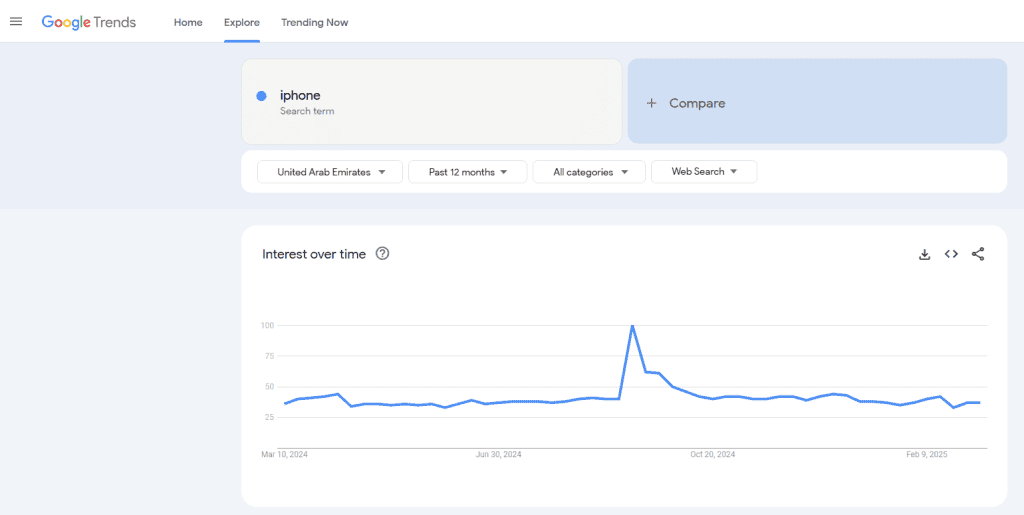
Google Trends: A free and accessible tool from Google, Google Trends enables users to analyze the popularity of search queries across different regions and languages over time. It’s exceptionally useful for identifying trending topics, understanding seasonal fluctuations in audience interest, and developing data-driven content strategies. Businesses can track real-time trends, discover emerging interests, and stay ahead of competitors by monitoring shifts in public sentiment and demand for specific keywords or topics. This tool is excellent for content planning, SEO strategy, and identifying nascent market opportunities.

-
Market Research Services: While DIY tools are powerful, complex research questions or resource limitations often warrant engaging specialized market research firms or experienced freelancers. These professionals bring industry expertise, advanced methodologies (e.g., econometric modeling, ethnographic studies), and strategic guidance on market positioning, pricing, and nuanced customer behavior. Combining internal research with expert consultation can provide a robust foundation for critical business decisions.
Phase 2: On-Platform Behavior & Digital Footprints
For businesses with an online presence, their website and social media channels are direct conduits to understanding customer behavior in action.
2. Website Data
Website data provides a direct, unfiltered view of how users interact with a brand’s digital storefront. This data can be accessed through:
- Built-in Analytics: Many e-commerce platforms (e.g., Shopify, Squarespace) offer basic analytics on traffic, sales, and popular products.
- Third-Party Analytics Tools: Dedicated platforms like Google Analytics or Adobe Analytics offer much deeper insights.
- Custom Implementation: Advanced businesses might implement bespoke tracking solutions for highly specific data points.
For deeper insights, combining powerful analytics tools is highly recommended:
-
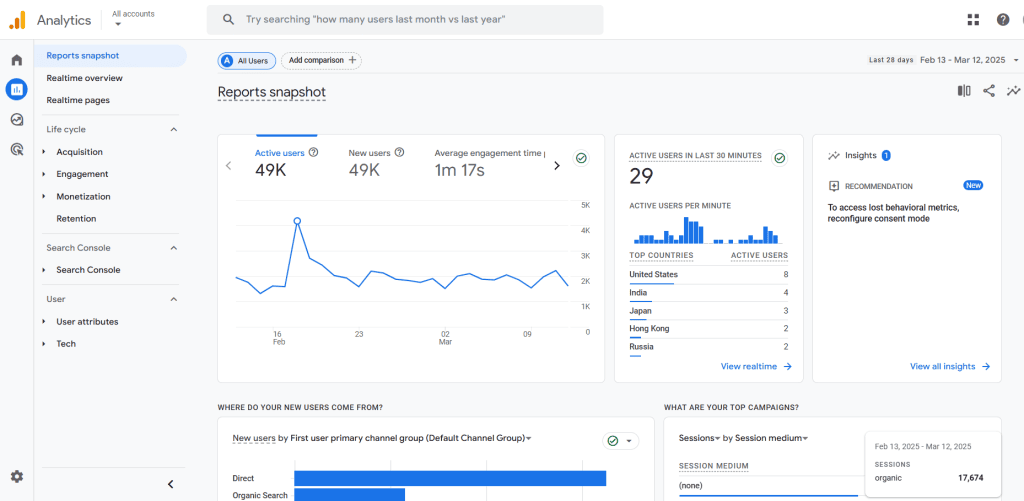
Google Analytics 4 (GA4): Google’s latest iteration of its flagship web analytics platform offers advanced, event-based tracking capabilities. GA4 helps businesses gain a holistic understanding of user behavior across websites and apps, including:
- User Acquisition: Where users come from (channels, campaigns).
- Engagement Metrics: How users interact with content (scroll depth, video plays, time on page, event completions).
- Conversion Funnels: Mapping user paths to specific goals (purchases, sign-ups, downloads).
- Demographics & Interests: Understanding the characteristics of the user base.
- Technology Usage: Devices, browsers, and operating systems used.
- Cross-Device Journey: Connecting user behavior across different devices.
- Predictive Capabilities: Leveraging machine learning to forecast future outcomes like churn probability or purchase likelihood.
GA4 is indispensable for understanding the entire customer journey, identifying bottlenecks, and optimizing digital experiences.
-
Microsoft Clarity: This free behavioral analysis tool is a game-changer for visualizing why users don’t convert. Microsoft Clarity offers:

- Heatmaps: Visual representations of where users click, move, and scroll on a page, revealing areas of interest and neglect.
- Session Recordings: Anonymous video replays of actual user sessions, showing how visitors navigate, interact, and encounter issues. AI-powered insights rapidly summarize key behavioral patterns, eliminating manual review.
- Instant Insights: Automated detection of "rage clicks," "dead clicks," and excessive scrolling, pinpointing user frustration.
- No Performance Impact: Engineered to run without slowing down website loading times.
Clarity perfectly complements GA4 by providing the qualitative "why" behind the quantitative "what" that GA4 reports. It’s a must-have for UX optimization and conversion rate improvement.
3. Social Media Data & Listening
With most audiences active on at least one social media platform, these channels offer a rich vein of customer insights. Social media fosters online communities where individuals freely share opinions, experiences, and content.
-
Platform-Specific Analytics: Every major social media platform (Meta, Instagram, TikTok, X, LinkedIn, Pinterest) provides built-in analytics. These typically cover audience demographics, post reach and engagement, follower growth, and click-through rates. However, each platform reflects a different user mindset (e.g., TikTok for quick, ephemeral content vs. Facebook for longer engagement).
-
Google Analytics 4 for Social Media Tracking: To overcome the siloed nature of platform analytics and gain a unified view, integrating social media tracking with a centralized tool like GA4 is critical. This enables:
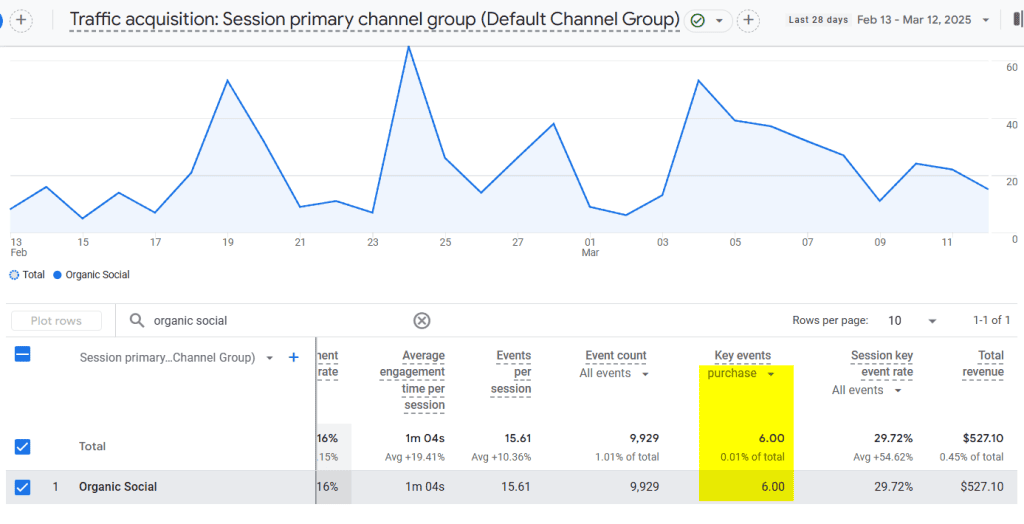
- Centralized Performance Analysis: Measure and compare the performance of all social media sources in one dashboard. Categorize actions into awareness (e.g., page views from social), engagement (e.g., content downloads, video views), and conversions (e.g., product purchases, lead form submissions). This allows for a granular understanding of which platforms drive specific stages of the customer journey. For example, a GA4 Traffic Acquisition report can reveal that while a particular social channel drives high traffic, another contributes more directly to purchases.
- Understanding User Behavior Beyond Social Media: Social media analytics show clicks, but GA4 reveals what happens after the click. It answers questions like: "Did users from TikTok spend more time on our product pages than those from Instagram?" "What content do LinkedIn referrals engage with most deeply?" "Did social media users complete a purchase, or did they bounce?" This provides unfiltered insights into customer behavior and helps identify unmet needs that users might not explicitly voice on social media.
-
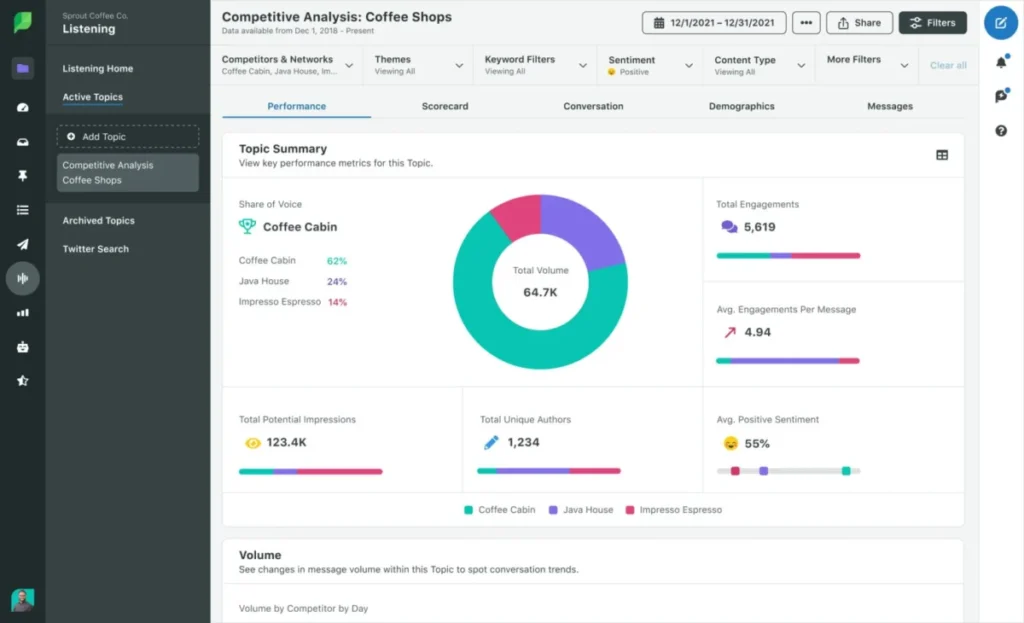
Social Media Listening: This proactive approach involves tracking brand mentions, industry keywords, competitor activities, and broader online conversations across the internet. Tools like Mention or Sprout Social automate this process, sifting through vast amounts of data to identify sentiment, emerging trends, customer pain points, and opportunities for engagement or innovation. Social listening helps businesses stay informed about public perception, manage reputation, and uncover new market segments or product ideas based on organic discussions.
Phase 3: Direct Voice of the Customer
While behavioral data shows what customers do, direct feedback explains why they do it and how they feel. This qualitative data is invaluable for deep understanding.
4. Customer Feedback
Direct customer feedback offers invaluable, first-person insights into audience thoughts, desires, and expectations. Regularly collecting and analyzing this feedback is paramount for continuous improvement and innovation.

-
Feedback Widgets: These small, embedded applications or pop-ups on websites allow visitors to provide real-time feedback. They can be used for quick questions, satisfaction ratings, or bug reporting. Tools like Appzi allow customization, targeting specific user segments or pages, and integrate with analytics to provide context to the feedback. They offer immediate, contextual insights into user experience on specific touchpoints.
-
Focus Groups: Designed to reveal in-depth qualitative insights, focus groups involve small gatherings (typically 5-10 participants) in a moderated discussion setting. Unlike structured surveys, focus groups encourage open-ended conversations, allowing participants to freely express their opinions, motivations, and emotional responses to products, services, or branding. A well-structured methodology involves careful participant selection, preparation of guiding questions, and skilled moderation to extract nuanced insights, particularly those "hidden" emotions that quantitative methods might miss. Focus groups are excellent for exploring complex issues, testing new concepts, and understanding underlying perceptions.
-
Surveys: One of the most effective and scalable methods for collecting customer insights, surveys can be tailored to various needs. Tools like SurveyMonkey and FreeOnlineSurveys offer extensive libraries of ready-made templates optimized for specific markets, topics (e.g., customer satisfaction, product feedback, market research), and niches. These templates streamline the process, ensuring questions align with best practices for data collection. For those on a budget, Google Forms provides a free, customizable platform, though it requires more effort in design and question sequencing. Surveys are versatile for gathering both quantitative (e.g., ratings, multiple-choice) and qualitative (e.g., open-ended comments) data from a large audience.

-
Polls: Shorter and more immediate than surveys, polls are used to quickly gauge opinions or preferences. Often integrated into websites, social media, or presentations, they typically involve simple "Yes/No" or multiple-choice questions. Content creators use them to inform future topics, and businesses use them for quick market pulse checks or real-time feedback. Tools like DirectPoll.com allow for easy creation and distribution, displaying results in clear graphs and charts. Polls are ideal for rapid, high-level feedback and audience engagement.
-
Customer Reviews: Found on dedicated platforms like Trustpilot, Yelp, Google Reviews, or directly on product pages (e.g., Amazon), customer reviews are a treasure trove of unsolicited feedback.
- Automated Review Analysis: For high volumes of reviews, platforms like Sprout Social can connect to various review sources, allowing for automated sentiment analysis, keyword identification, and trend tracking across ratings and date ranges. This helps identify common themes, recurring issues, and standout positives without manual sifting.
- Manual Review Analysis (Budget-Friendly): For smaller businesses or limited review volumes, manual analysis remains highly effective. A strategic approach involves focusing initially on 3-star and 4-star reviews, as these often provide balanced perspectives, highlighting both strengths and areas for improvement. Subsequently, analyzing 1-star (worst-case scenarios) and 5-star (overly optimistic biases) reviews provides a complete picture. Free browser extensions can help compile reviews, and AI tools like ChatGPT can assist in sentiment analysis and extracting key insights from the compiled text.
Leveraging Insights for Impact: Strategic Implications
The true power of customer insights is realized when they are transformed into actionable strategies that drive tangible business outcomes.

- Product Development & Innovation: Insights reveal unmet needs and desired features, guiding the development of new products or enhancements that genuinely resonate with the market. For example, if feedback widgets consistently highlight difficulty with a specific product function, it directly informs the next development cycle.
- Marketing Personalization: By understanding customer segments and their preferences, businesses can tailor marketing messages, offers, and channels, leading to higher engagement rates and more efficient ad spend. GA4 data on user interests can inform highly targeted campaigns.
- Optimizing Customer Experience (CX): Website analytics (GA4, Clarity) and direct feedback pinpoint friction points in the customer journey. Addressing these issues streamlines processes, reduces frustration, and builds loyalty. Improving the CX can range from simplifying a checkout process to enhancing customer support resources.
- Predictive Analysis & Future Trends: Advanced analytics allow businesses to forecast future behavior, such as customer churn or potential sales spikes. This enables proactive interventions and strategic planning, helping allocate resources effectively.
- Competitive Advantage: A deep, continuous understanding of customer needs allows a brand to differentiate itself, anticipate market shifts, and innovate faster than competitors, securing a unique position in the market.
Challenges and Best Practices
While the benefits are immense, the journey of customer insights is not without its hurdles.
- Data Privacy and Ethics: With increasing scrutiny on data collection, businesses must ensure transparency, obtain consent, and adhere to regulations like GDPR and CCPA. Ethical handling of customer data builds trust and avoids reputational damage.
- Data Integration and Silos: Data often resides in disparate systems (CRM, analytics platforms, social media, customer support). Integrating these sources into a unified view is critical but technically challenging.
- Actionable Insights vs. Data Overload: The sheer volume of data can be overwhelming. The challenge lies in filtering out noise and extracting truly actionable insights, avoiding "analysis paralysis." Effective visualization and reporting are key.
- Continuous Learning and Adaptation: Customer needs are dynamic. Insights gathering should be an ongoing process, not a one-off project, requiring continuous monitoring, testing, and adaptation of strategies.
Conclusion
The "magic" behind successful brands is, in fact, the methodical application of customer insights and analytics. This deep dive has underscored that there is no single best method for gathering these invaluable insights. Instead, the most effective approach involves a strategic combination of diverse methodologies—from comprehensive market research and granular website analytics to sophisticated social media listening and direct customer feedback mechanisms like surveys and focus groups. This multi-faceted strategy creates a holistic and nuanced understanding of your audience.
A key area where these insights yield immediate and profound impact is in enhancing user experience. Transforming choppy, frustrating user journeys into effortless, delightful interactions directly boosts conversions and cultivates lasting customer loyalty. For those seeking immediate wins in this domain, leveraging analytics to improve user experience is a direct pathway to success.

We invite you to share your own experiences. How do you leverage customer insights to refine your business strategy? Are there any tools or techniques you find particularly effective that you would recommend? We welcome your thoughts and contributions in the comments section below.
