
Organic vs. Paid Social Media: The Strategic Playbook for Modern Brands
In the rapidly evolving digital landscape, businesses are constantly grappling with a central dilemma: Should they invest their finite resources into the slow-burning flame of organic social media or the high-octane fuel of paid advertising? The reality, according to modern marketing experts, is that the choice is rarely binary. To achieve sustainable growth in 2026, brands must master the art of the hybrid strategy.
The Foundation: Defining the Social Ecosystem
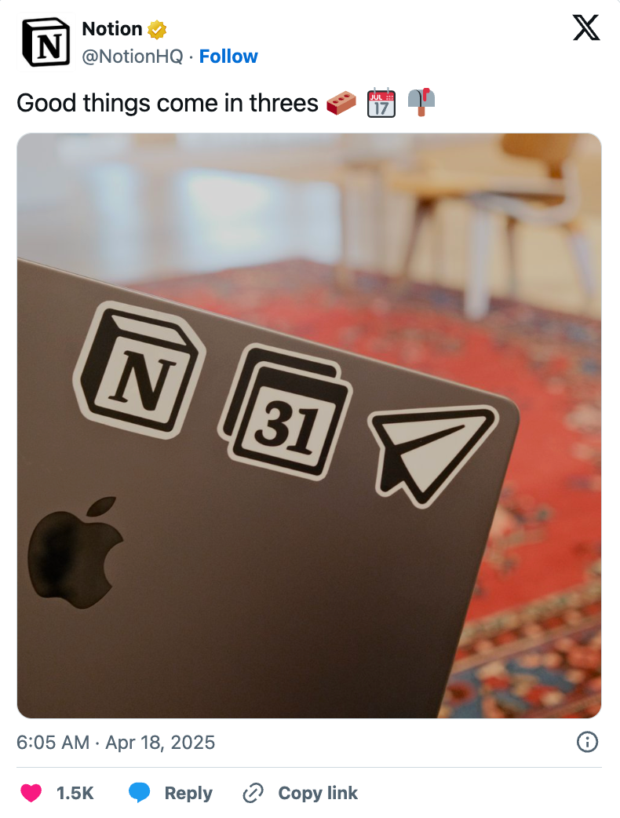
At its core, organic social media represents the free content—Reels, Stories, TikToks, and community updates—that a brand publishes to connect with its audience. It is the digital equivalent of a company’s "voice," serving as a venue for brand personality and community building.
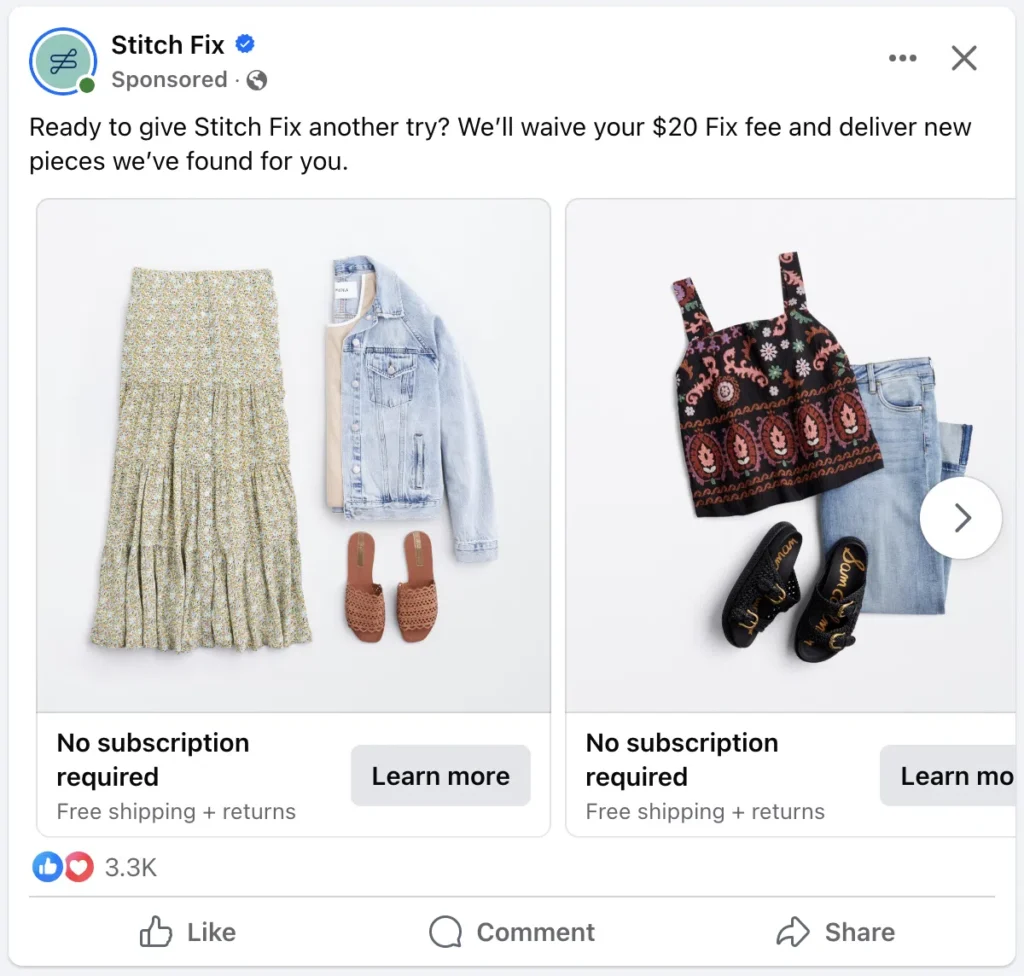
Conversely, paid social media encompasses all content that requires a financial injection to gain visibility. This includes sponsored posts, boosted content, and high-precision targeted advertisements. With global social media ad spending projected to climb 15.6% in 2026 to a staggering $124.88 billion, the market for paid reach is more competitive—and more necessary—than ever.
Chronology of a Strategy: Building the Hybrid Model
The most effective marketing departments no longer treat these two arms as separate entities. Instead, they follow a proven chronological workflow to maximize ROI:
- Organic Testing: Brands utilize organic channels to "beta test" content themes. By observing which topics or formats (such as video vs. static imagery) gain traction, companies can identify what truly resonates with their audience without risking ad spend.
- Performance Analysis: Using analytics platforms like Hootsuite, teams review organic engagement—comments, shares, and saves—to determine which pieces of content have "snowballed."
- Strategic Boosting: Once a winning organic post is identified, it is converted into a paid ad. This "boost" leverages the content’s proven track record, ensuring that paid dollars are only spent on creative that has already demonstrated an ability to engage.
- Scaling and Optimization: The campaign is then scaled, with budgets adjusted based on real-time data regarding click-through rates (CTR) and conversion costs.
Supporting Data: Why the Numbers Favor Integration
The disparity between organic and paid reach is driven by platform algorithms that prioritize paid placements. However, the data reveals a symbiotic relationship:
- Trust Building: Organic content is the primary driver of "emotional residue." As Peter Murphy Lewis, Fractional CMO at Strategic Pete, notes, "Organic is where your voice, values, and vibe come through. It’s where your audience says, ‘I like how this brand thinks.’"
- Precision Targeting: Paid social allows for hyper-segmentation. Brands can reach specific niches—such as 35-year-old outdoor enthusiasts in Seattle—ensuring that marketing spend is not squandered on disinterested parties.
- Measurable ROI: While organic growth is often difficult to quantify in immediate revenue terms, paid campaigns provide clear KPIs: Cost Per Click (CPC), Return on Ad Spend (ROAS), and conversion attribution.
Expert Perspectives and Professional Insights
The industry consensus is clear: relying on one without the other is a recipe for stagnation. Shanté Gorman, Founder of Sugarpunch Marketing, highlights the danger of "ad fatigue." When users perceive content as purely transactional, they tune out. "The dreaded ‘sponsored’ label can be a kiss of death for engagement," she warns. By maintaining an active organic presence, brands can soften this effect, ensuring that when an ad does appear, it feels like a natural extension of the brand’s established identity rather than a jarring interruption.

Brian Futral, Founder of The Marketing Heaven, reinforces this "long game" mentality. "Organic social isn’t just cheap; it’s sticky. When audiences see a brand consistently showing up on their terms… it builds something money can’t buy: emotional loyalty."
Implications for Modern Enterprises
For the modern organization, the implications are significant. Adopting an integrated strategy requires a shift in how teams are structured. It is no longer efficient to have an "Organic Team" and a "Paid Team" operating in silos.
1. The Death of "Set and Forget"
Paid advertising is not a static endeavor. It requires continuous optimization, A/B testing, and a dedicated team member to pivot strategies as algorithms change. Brands that fail to iterate on their ad creative quickly fall victim to diminishing returns as their audience tires of the same message.
2. Data-Driven Decision Making
The ability to view organic and paid metrics side-by-side is the single greatest advantage a brand can have. By using tools that aggregate data from platforms like Meta, LinkedIn, and X, companies can see how a successful organic post can lower the cost of acquisition when transformed into a paid asset.
3. The Shift Toward Community
Ultimately, the goal of a hybrid strategy is to turn passive followers into brand advocates. While paid ads drive the initial click or sale, it is the organic content—the replies, the community management, and the behind-the-scenes glimpses—that keeps the customer returning.
Summary: A Tactical Roadmap
To succeed in this environment, businesses should adopt the following four-step approach:
- Audit Your Content: Use your top-performing organic posts as the blueprint for your ad creative.
- Implement A/B Testing: Never assume a campaign will work. Run variations of ad copy and creative to see what triggers the highest conversion before committing a large budget.
- Leverage Advanced Targeting: Move beyond basic demographics. Use retargeting pixels to reach users who have already engaged with your brand, keeping your product top-of-mind.
- Unified Reporting: Use centralized dashboards to monitor the "blended" performance of your social efforts. If you cannot measure the impact of your organic trust-building on your paid conversion rates, you are operating in the dark.
Conclusion
The debate between organic and paid social media is a false choice. In 2026, the brands that win are those that treat social media as a holistic ecosystem. Organic reach provides the depth of relationship and the creative intelligence needed to craft winning campaigns, while paid advertising provides the scale and velocity required to capture market share. By integrating these two forces, businesses can build not just a customer base, but a community—turning the ephemeral nature of a social media feed into a lasting, profitable, and highly visible brand legacy.
