
The Half-Time Report: Evaluating the "Martech 2030" Vision at the Start of 2026
As the calendar turns to 2026, the marketing technology industry finds itself at a significant waypoint. Five years ago, in a seminal report titled Martech 2030, industry observers Jason Baldwin and Scott Brinker laid out a bold roadmap for what they dubbed "The Decade of the Augmented Marketer."
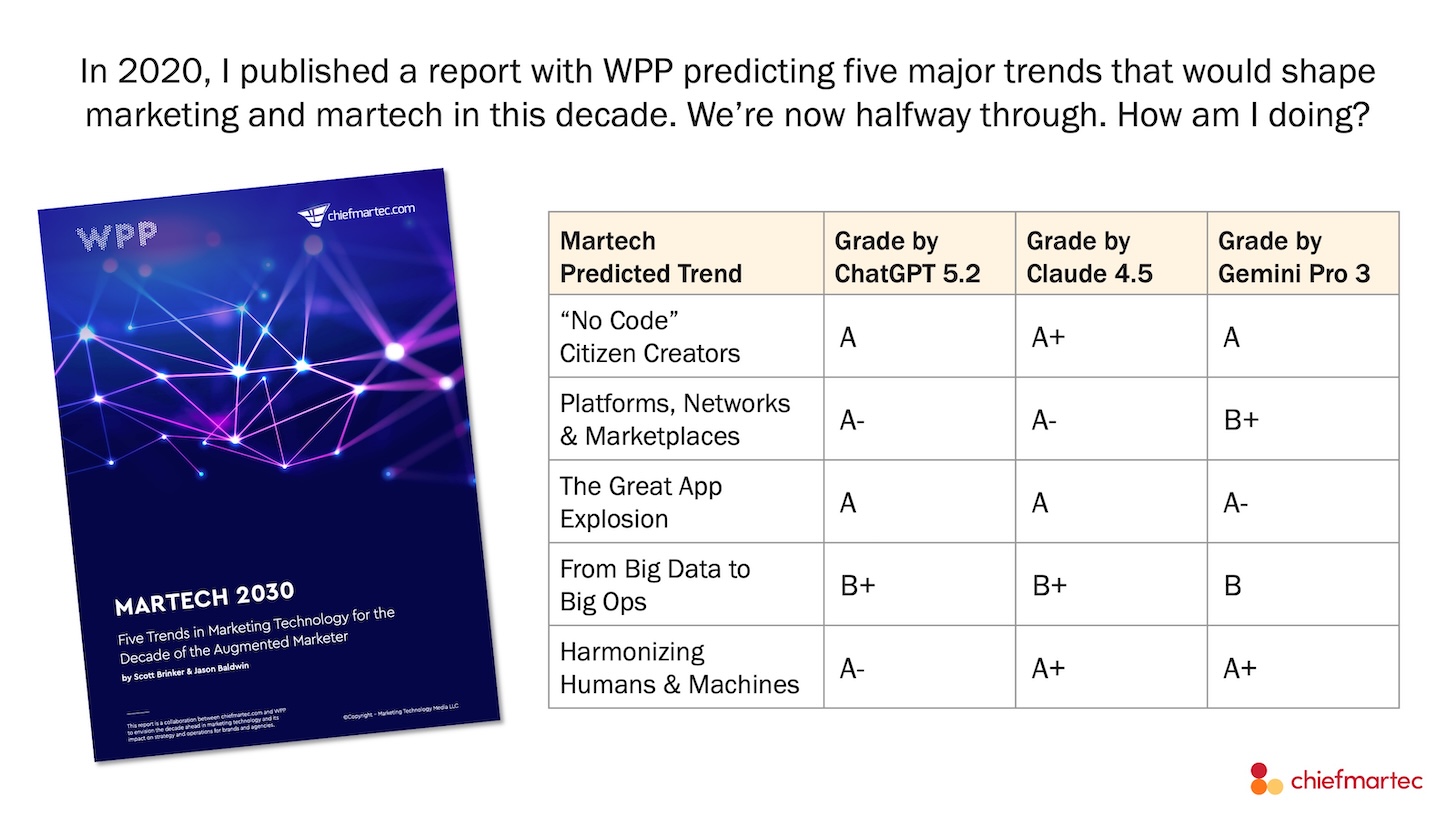
With the industry now at the midpoint of this ten-year horizon, the time has come to hold these predictions up to the light of current reality. By leveraging the analytical capabilities of advanced AI models—ChatGPT, Claude, and Gemini—Brinker has conducted a "grading" of their initial thesis. The results suggest that while the industry has evolved in ways that even the authors couldn’t fully anticipate, the fundamental trajectory of marketing technology remains remarkably aligned with their original vision.
The Main Facts: The Five Pillars of 2030
The Martech 2030 report established five core trends intended to define the evolution of the field. These were not merely technical predictions but structural shifts in how organizations would conceive of, build, and deploy technology:
- "No Code" Citizen Creators: The democratization of software development through intuitive, non-technical interfaces.
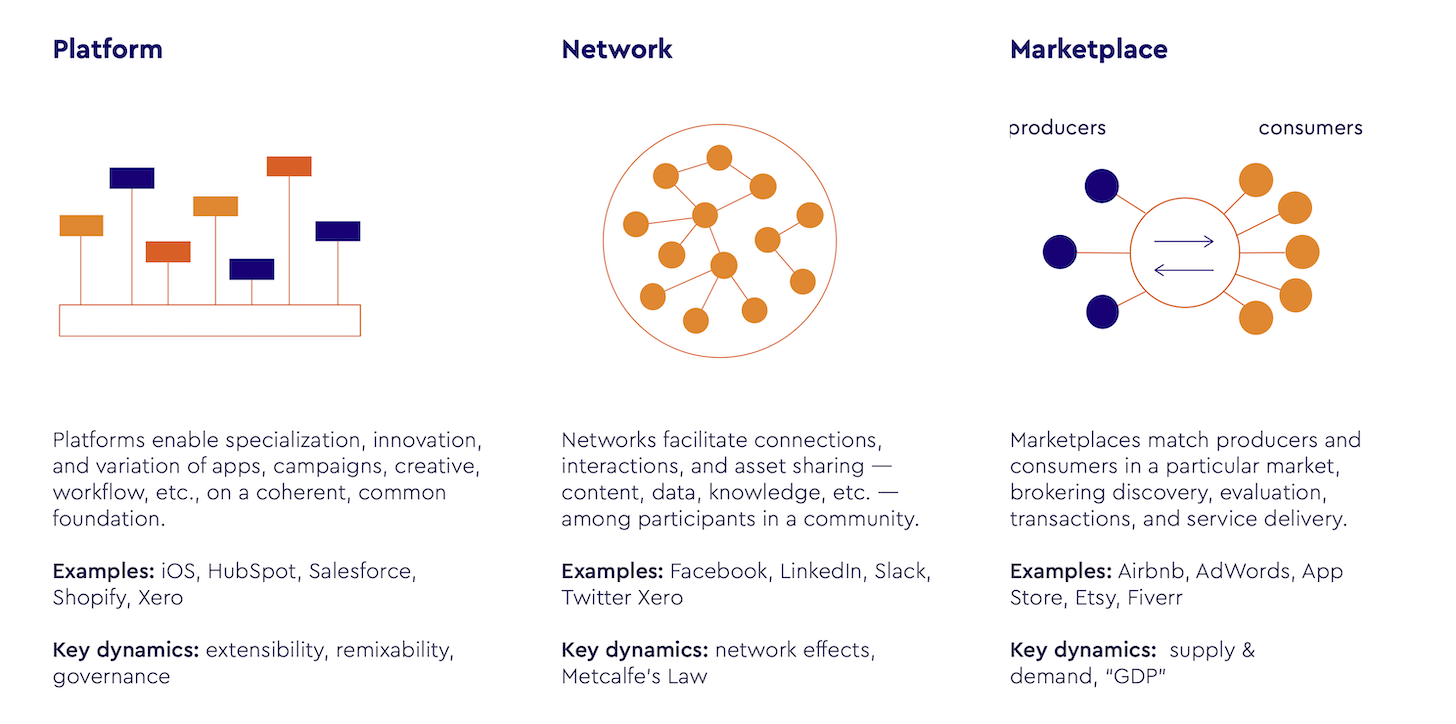
- Platforms, Networks, and Marketplaces: The transition from linear value chains to interconnected, ecosystem-driven business models.
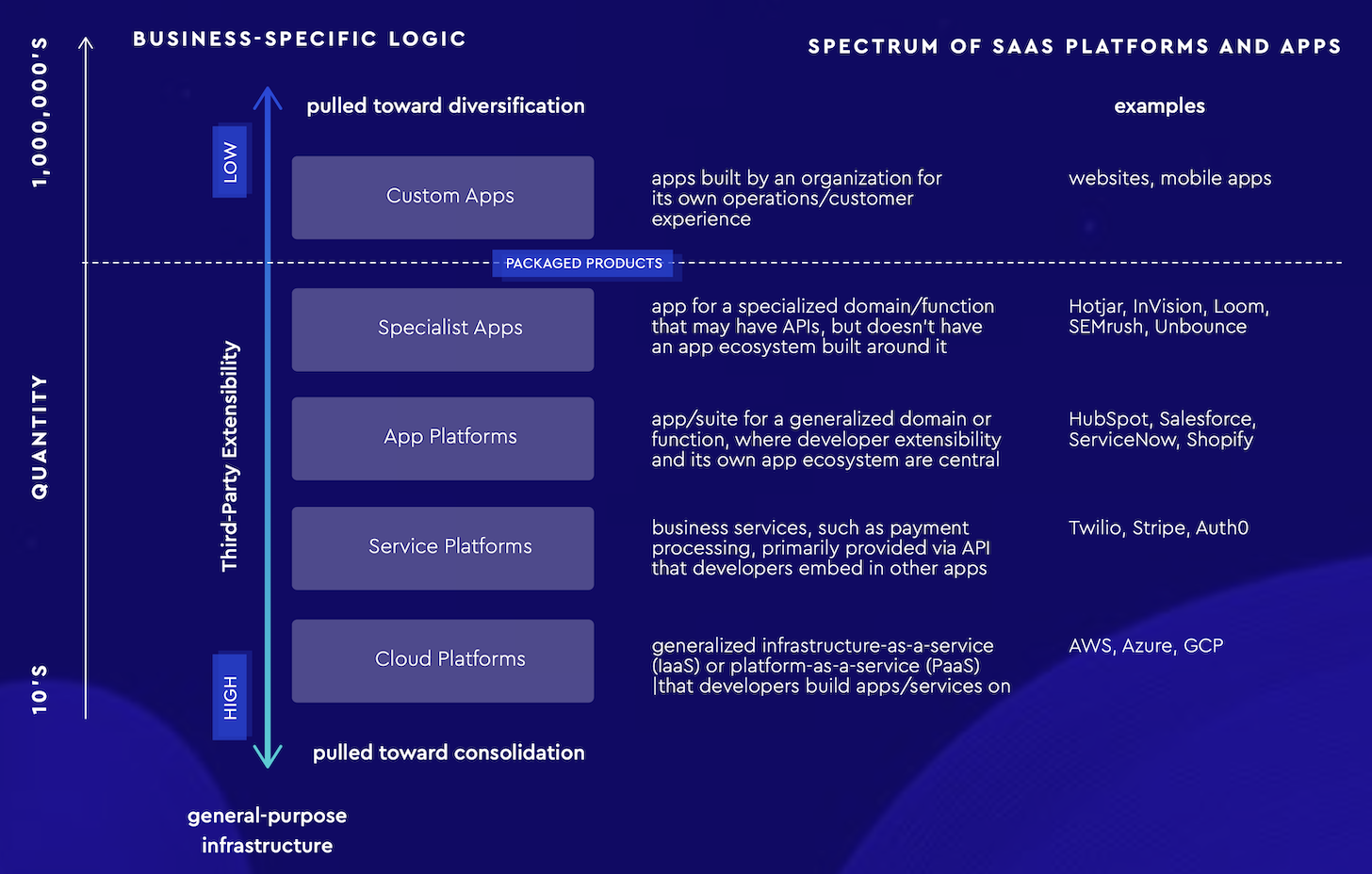
- The Great App Explosion: A massive expansion in the sheer number of software solutions, categorized into a commercial "long tail" and an organizational "hypertail."
- From Big Data to Big Ops: The shift from merely collecting data to orchestrating the complex web of automated agents and apps.
- Harmonizing Humans and Machines: The integration of AI not as a replacement for human marketers, but as a catalyst for human-centric creativity and customer experience.
A Chronological Perspective: From Vision to Reality
To understand the current landscape, one must look at the progression of these trends since 2021. The initial phase (2021–2022) was characterized by the maturation of SaaS and the early adoption of no-code tools. However, the release of generative AI in late 2022 acted as a massive accelerant, fundamentally altering the trajectory of every trend identified in the report.
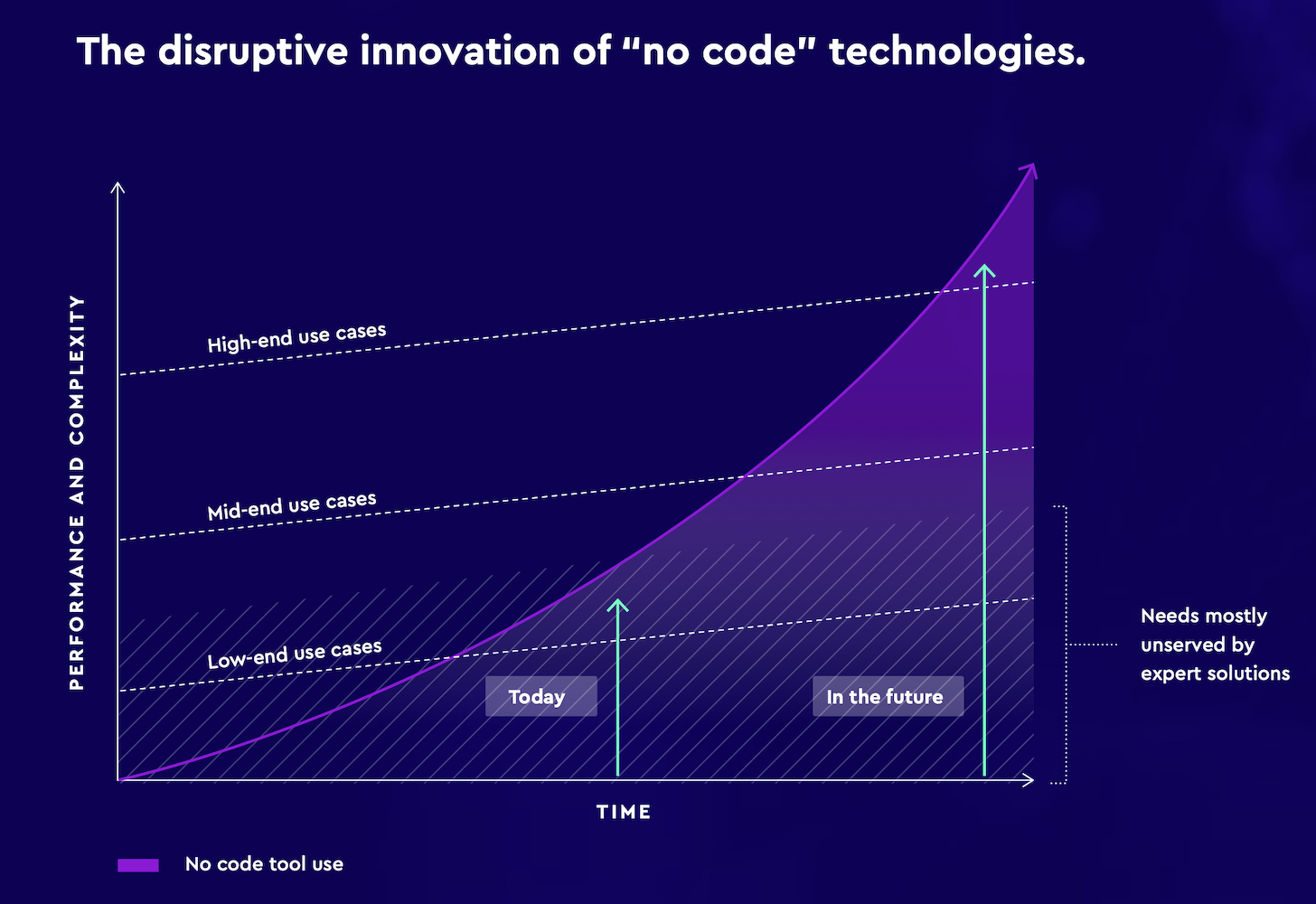
By 2023, the industry saw a shift from passive data analysis to generative output. By 2024, the concept of "Agentic AI" began to take hold. Now, in early 2026, the industry is grappling with "vibe coding"—the ability to build functional, complex digital assets simply by describing them in natural language. This progression confirms the report’s central premise: the tools are becoming increasingly human-accessible, effectively turning the English language into the world’s most powerful programming language.
Supporting Data: The Landscape of Growth
The most striking validation of the Martech 2030 report lies in the sheer scale of the industry. In 2020, the Martech Landscape boasted approximately 8,000 solutions, a figure many analysts at the time believed was the "peak."
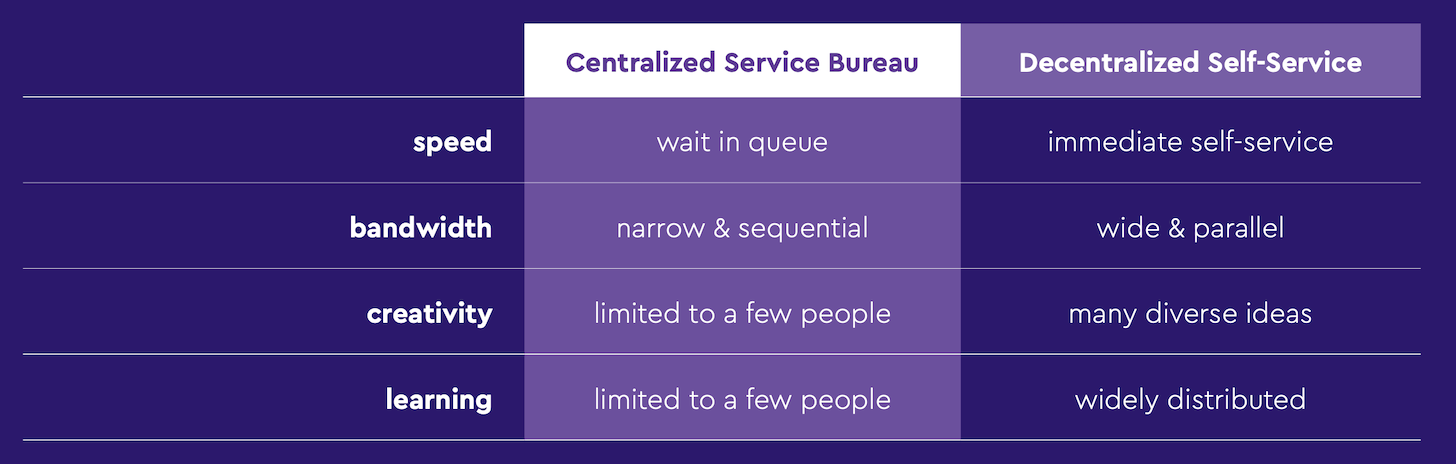
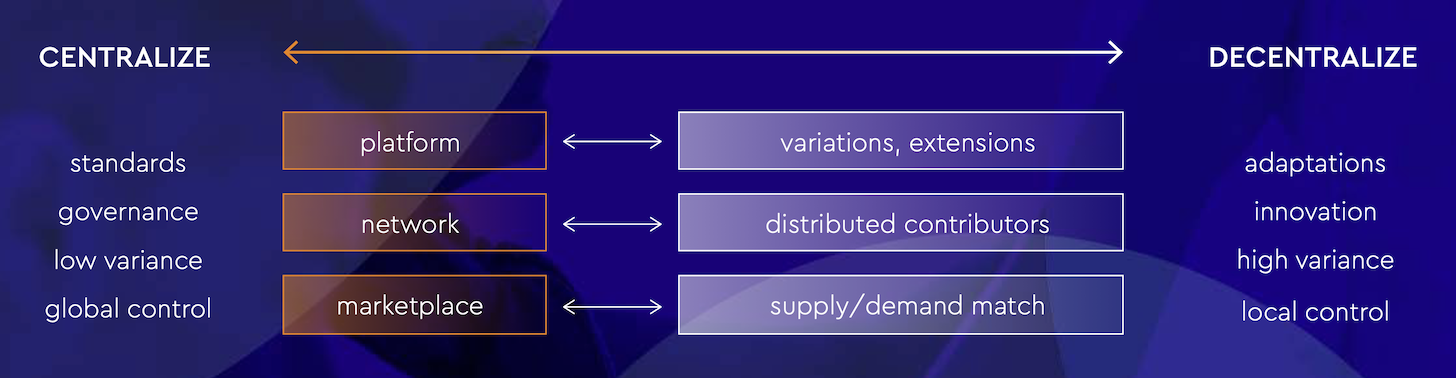
Yet, by 2025, that number had surged to 15,384 commercial solutions. This growth defies traditional consolidation models. While M&A activity remains high, the barriers to entry for software development have effectively vanished. The hyperscalers—AWS, Google Cloud, and Microsoft—have become the bedrock upon which thousands of specialist apps are built, creating a massive, interconnected ecosystem that validates the "Centralize to Decentralize" philosophy. Furthermore, marketplaces operated by these hyperscalers are now facilitating an estimated $45 billion in annual enterprise software sales, illustrating the shift toward platform-centric distribution.
Official Responses and AI Assessment
In a meta-analysis of their own work, Brinker tasked leading AI models to grade the Martech 2030 report. The results were largely favorable, with "Harmonizing Humans & Machines" receiving A+ marks from both Claude and Gemini.
The consensus among these models is that the authors correctly identified the direction of the industry, even if the velocity was supercharged by the generative AI explosion. The AI feedback loop serves as a poignant irony: the very technology that the report predicted would define the decade is now being used to analyze the accuracy of those predictions.
Implications for the Modern Enterprise
The implications of these findings are profound for CMOs and CTOs alike. As we look toward the second half of the decade, several key challenges and opportunities emerge:
The Governance Gap
While "No Code" and "Vibe Coding" have empowered marketers to move at unprecedented speeds, the infrastructure for governance has lagged behind. Organizations are currently facing a "wild west" of citizen-created assets. The primary challenge for 2026 and beyond will be establishing the guardrails—brand consistency, security, and compliance—that allow for agility without sacrificing institutional integrity.
The Orchestration Wars
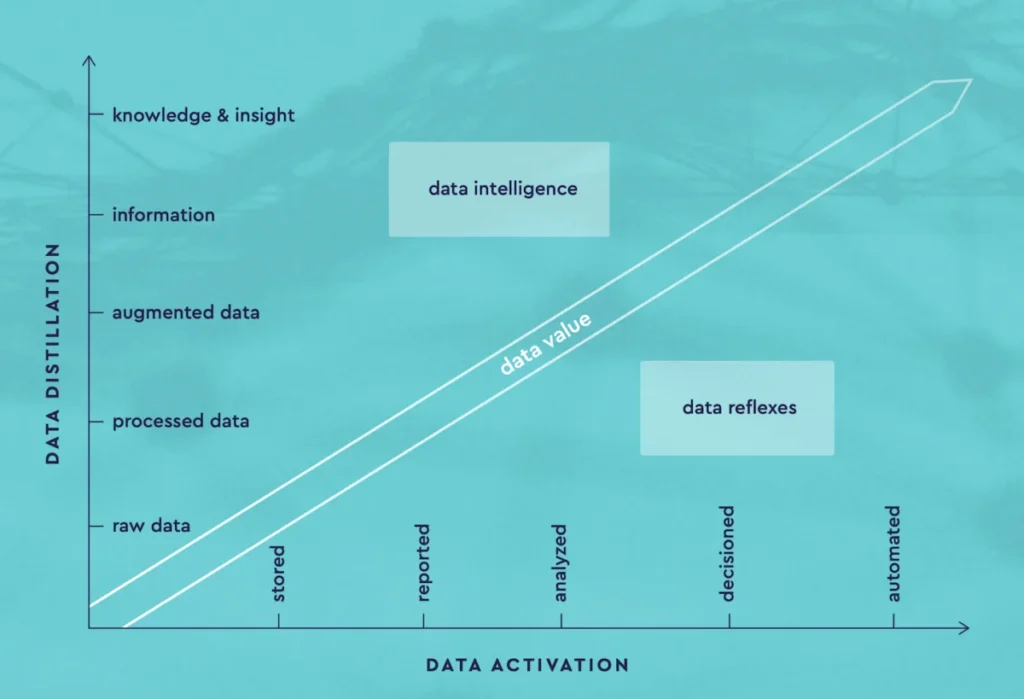
"Big Ops" has moved from a theoretical concept to an immediate necessity. With thousands of parallel agents and apps running within a single enterprise, the "Orchestration War" is now the defining battleground of the martech sector. Companies like Databricks, Snowflake, and the major CRM platforms (Salesforce, HubSpot, Adobe) are all vying to become the central nervous system of the organization. The value is no longer in the data itself, but in the "data reflexes"—the ability to trigger automated, intelligent actions in real-time.
The Rise of Agentic Commerce
Perhaps the most significant shift since 2020 is the emergence of the "Buyer-Side Agent." We have moved beyond SEO to AEO (AI Engine Optimization). As customers increasingly employ their own AI agents to navigate the marketplace, the relationship between buyer and seller is being redefined. Marketing is no longer just a human-to-human interaction; it is increasingly a machine-to-machine negotiation where the goal is to optimize for the logic of the AI, not just the search engine.
Conclusion: The Path to 2030
As we enter the latter half of the decade, the initial vision of Martech 2030 appears more relevant than ever. Amara’s Law—which posits that we overestimate the short-term impact of technology while underestimating the long-term effects—serves as a reminder that we are only beginning to see the true power of these trends.
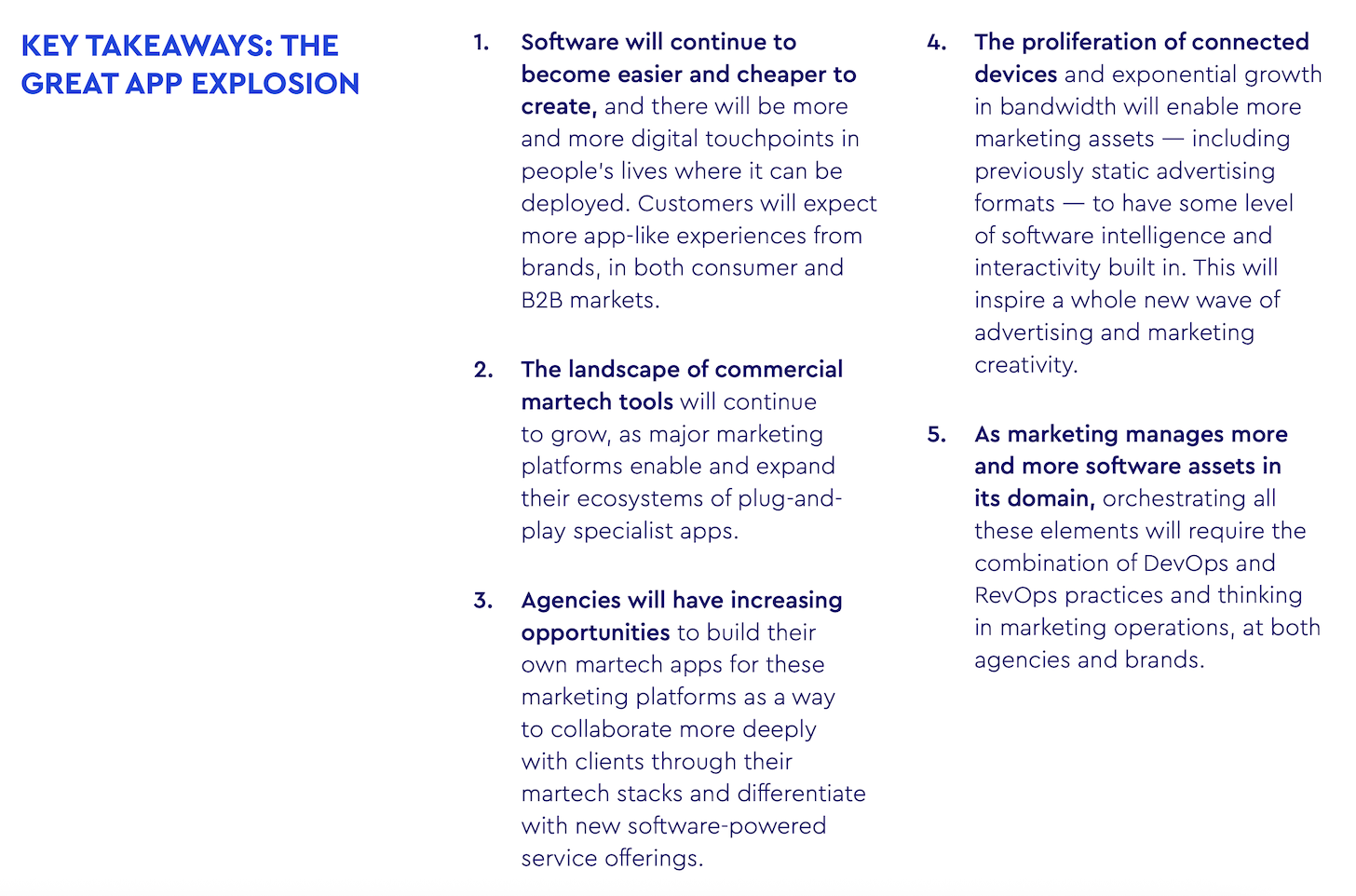
The "Great App Explosion" and the rise of the "hypertail" are not signs of a chaotic market, but rather the natural evolution of an ecosystem that is becoming infinitely more granular. The winners of the next five years will not be those who try to centralize everything under a single, monolithic suite, but those who successfully navigate the "Zen koan" of the digital age: centralizing governance to empower decentralized innovation.
As Scott Brinker noted, we will return to these predictions in 2030 for final grades. But if the progress of the last five years is any indication, the "Decade of the Augmented Marketer" is well on its way to becoming the transformative era it promised to be. The pace of change is not slowing; if anything, it is reaching a velocity that will test the agility of even the most modern enterprises. For those prepared to embrace the harmonization of human creativity and machine intelligence, the future remains wide open.
