

The Monetization Blueprint: Choosing the Ultimate Ecommerce Platform for YouTubers in 2026
For the modern YouTuber, the era of relying solely on AdSense revenue is long over. Today’s most successful creators treat their channels as top-of-funnel marketing engines, driving millions of viewers toward owned digital ecosystems. Whether it is a line of signature hoodies, an exclusive digital masterclass, or a gated community, the choice of ecommerce platform is the single most critical infrastructure decision a creator will make.
Choosing the right platform is not just about pricing; it is about the "connective tissue" between your content and your commerce. It involves balancing ease of use against the need for scalability, and determining whether your business model requires deep YouTube integration or the flexibility of a standalone brand.

The Evolution of Creator Commerce: A Brief Chronology
The trajectory of creator monetization has moved through three distinct phases.
- The Affiliate Era (2010–2015): Creators largely relied on Amazon Associates and external ad networks, essentially acting as third-party billboards.
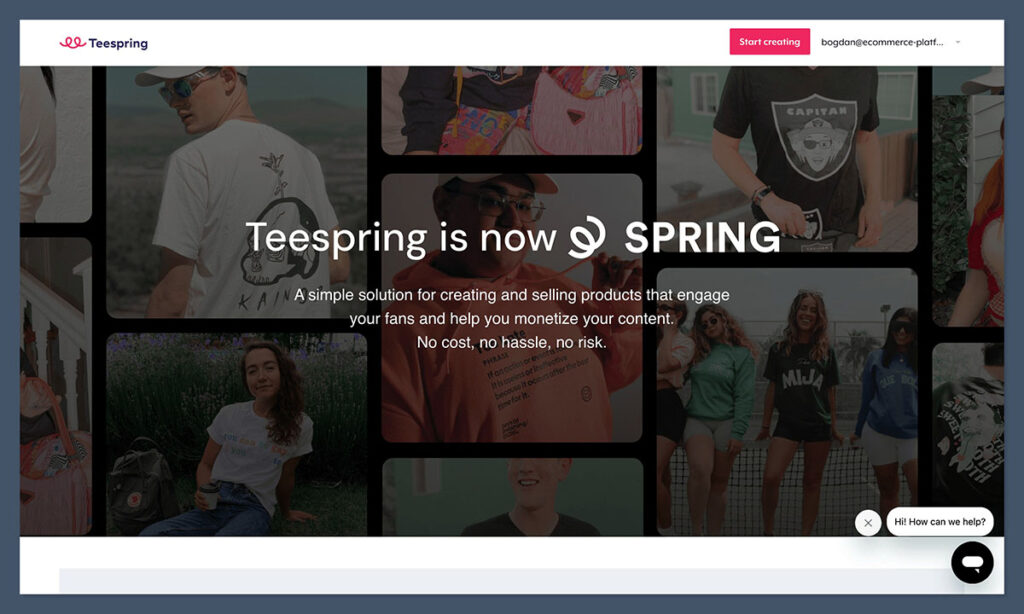
- The Direct-to-Consumer (DTC) Pivot (2016–2020): Platforms like Teespring (now Spring) lowered the barrier to entry, allowing creators to drop-ship merch without holding inventory.
- The Integrated Ecosystem Era (2021–Present): With the introduction of YouTube Shopping, we have entered an era of "frictionless commerce." Platforms now compete on their ability to embed storefronts directly into the YouTube interface, allowing viewers to purchase items without ever leaving the video player.
Comparative Overview: The Top 7 Platforms for 2026
| Platform | Best For | Starting Price | YouTube Shopping Integration | Key Advantage |
|---|---|---|---|---|
| Fourthwall | Merch/Memberships | Free | Native | Merchant of Record/All-in-one |
| Shopify | Scaling Brands | $39/mo | Native | Massive App Ecosystem |
| Spring | Print-on-Demand | Free | Native | Zero Upfront Risk |
| Sellfy | Digital Products | $22/mo | No | Sleek, Simple Storefront |
| Gumroad | Quick Digital Sales | Free (+10% fee) | No | Instant Setup |
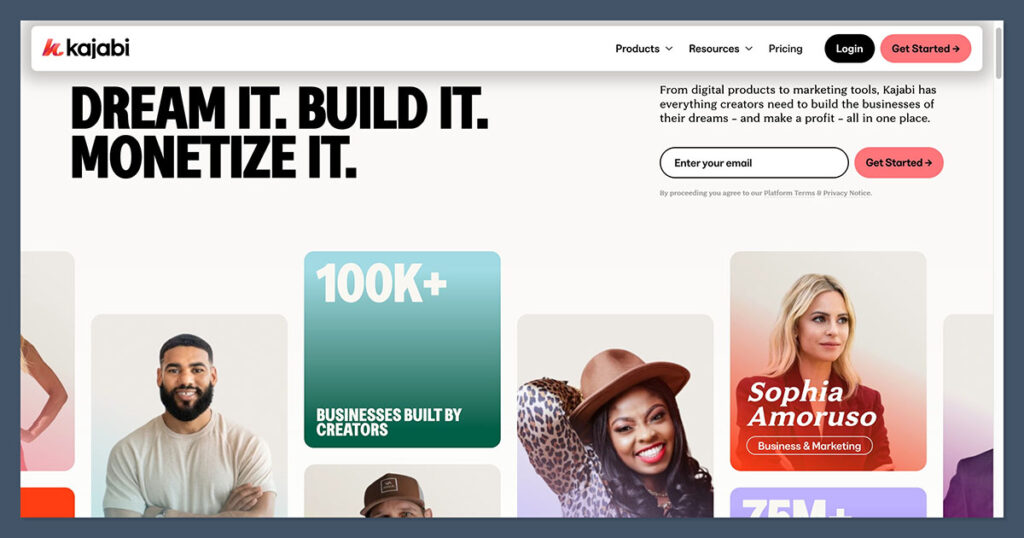
| Kajabi | Courses/Coaching | $149/mo | No | All-in-one Business Hub |
| WooCommerce | Total Control | Free (Plugin) | No | Infinite Customization |
Deep Dive: Evaluating the Top Contenders
1. Fourthwall: The Creator’s Gold Standard
Fourthwall has rapidly become the preferred choice for high-growth creators. By acting as the "Merchant of Record," it manages tax compliance and customer service, effectively insulating the creator from the logistical headaches of retail.
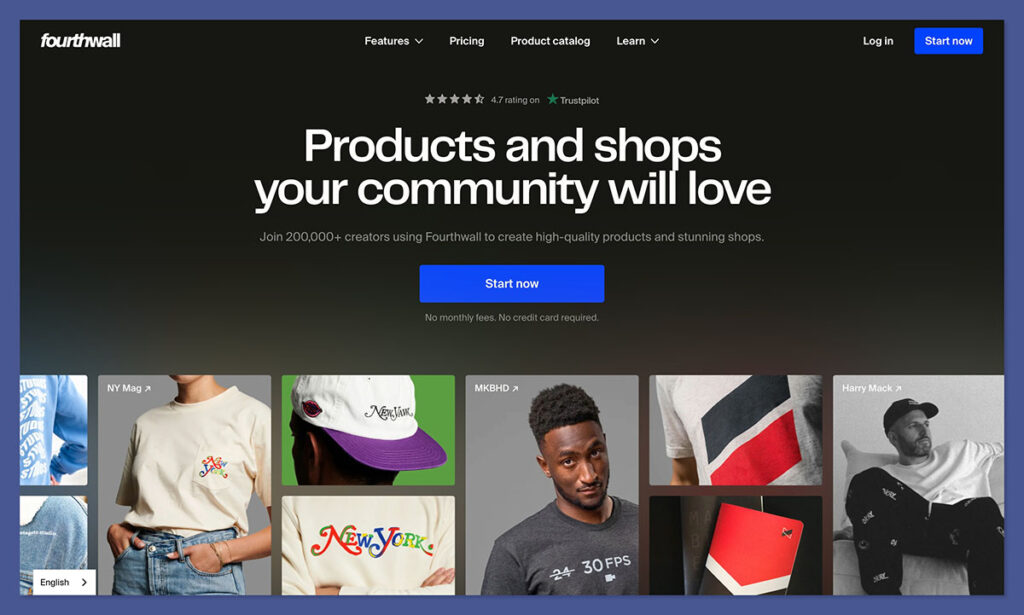
- Implications: Because Fourthwall integrates natively with the YouTube Product Shelf, creators can tag products in their videos and Shorts, significantly increasing conversion rates by reducing the number of clicks required to purchase.
2. Shopify: The Enterprise-Grade Powerhouse
If your goal is to build a legitimate lifestyle brand—one that lives independently of your channel—Shopify is the industry leader. It offers advanced analytics, customer segmentation, and an app store that allows for complex integrations.
- Supporting Data: While it requires a $39 monthly subscription and a more manual setup via Google Merchant Center, the long-term ROI for creators with high traffic is unmatched. It is the only platform that allows for a truly professional, multi-channel retail operation.
3. Spring: The Risk-Free Entry Point
Spring remains the most accessible platform for creators launching their first merch line. Because it operates on a print-on-demand model, there is no risk of leftover inventory.

- Official Stance: Spring’s continued investment in the YouTube Shopping ecosystem ensures that creators remain visible across the platform, from the "Store" tab on their channel page to the product tagging feature in livestream chats.
The Strategic Decision: Which Path Should You Take?
Choosing the right platform depends entirely on your content strategy and the "Product-Market Fit" of your audience.
The "Content-to-Commerce" Pipeline
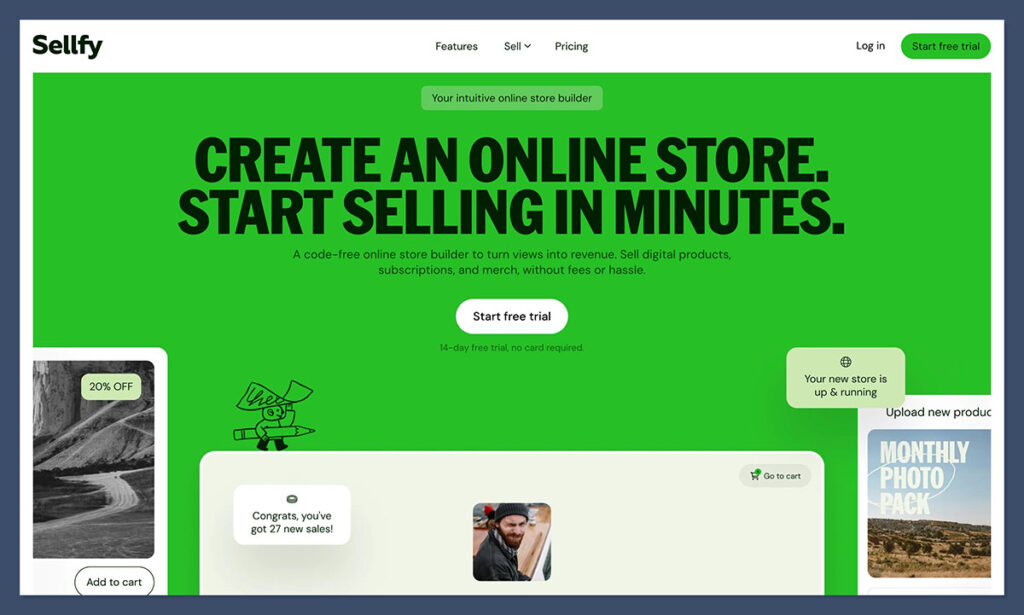
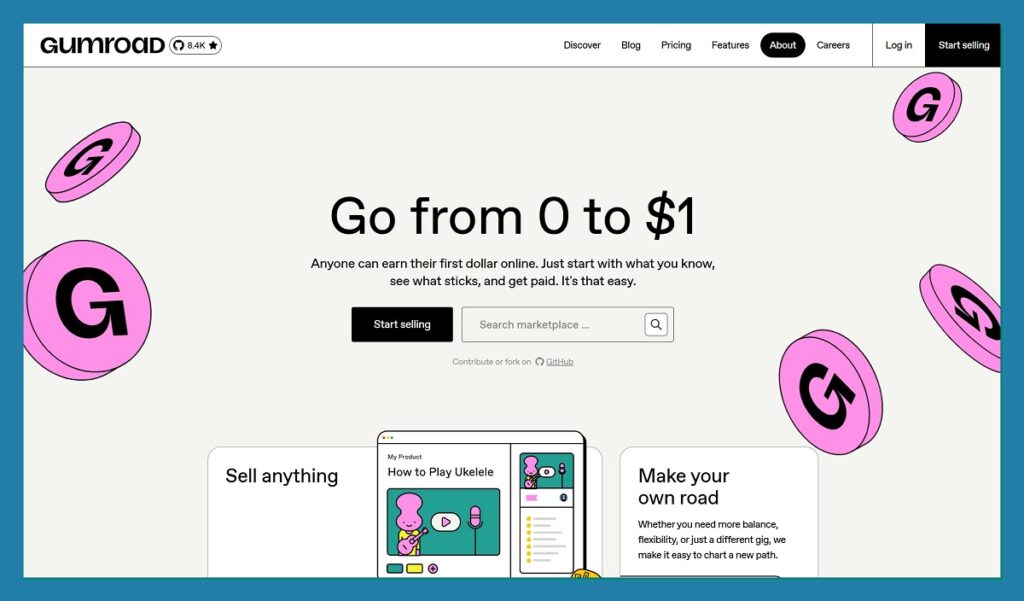
If you are selling Digital Assets (LUTs, presets, eBooks), you should prioritize speed. Gumroad is the fastest path to market. It requires no design effort; you simply upload a file and share a link. Once you hit a consistent sales velocity, moving to Sellfy provides a more branded, professional look that can increase your average order value (AOV).
The "Educational Empire" Model
For creators whose content is inherently instructional—such as fitness trainers, coders, or financial analysts—Kajabi is the superior choice. While it comes with a premium price tag, it replaces the need for separate email marketing software, video hosting platforms, and course management systems. It consolidates the "Knowledge Economy" into one dashboard.
The "Full-Control" Enthusiast
For creators who are also developers or who operate sophisticated websites, WooCommerce offers the ultimate sandbox. By leveraging the WordPress ecosystem, you maintain 100% ownership of your data and design. However, this comes with the burden of maintenance—you are responsible for security, hosting, and updates.
Implications of YouTube Shopping Integration
The most significant shift in the last 24 months is the move toward Native Commerce. When a viewer clicks a product tag under a video, they are taken to a checkout window that keeps them within the YouTube interface.
- Conversion Metrics: Data suggests that native integration increases conversion rates by 20-30% compared to sending viewers to an external URL.
- The Barrier to Entry: To unlock these native features, creators typically need 10,000 subscribers and a channel in good standing. For smaller channels, this shouldn’t be a deterrent; using a simple link-in-bio or description link to a store like Spring or Fourthwall is the best way to prove the concept before scaling.
Frequently Asked Questions
Do I need to be a business entity to start?
While you can operate as a sole proprietor, most platforms suggest forming an LLC once your monthly revenue exceeds $2,000–$3,000 to protect your personal assets.
Does YouTube take a commission on my sales?
No. YouTube’s revenue share model only applies to ad revenue, channel memberships, and Super Chat/Stickers. Your ecommerce sales are yours to keep, minus the platform’s standard processing fees.
Can I run multiple platforms?
It is common to see creators use Spring for physical merch and Kajabi for courses simultaneously. However, this leads to fragmented analytics. We recommend mastering one revenue stream before diversifying.
Final Verdict: The Path to Sustainable Revenue
If you are a YouTuber standing at the crossroads of monetization, the decision is straightforward:
- For Merch & Fan Monetization: Choose Fourthwall for the best balance of native integration and administrative support.
- For Serious Branding: Choose Shopify if you plan to move beyond your YouTube audience and compete in the broader retail market.
- For Courses: Choose Kajabi if your content teaches a high-value skill.
- For Speed: Start with Gumroad and test your audience’s willingness to pay.
The most successful creators are those who remove friction. Whether you choose the all-in-one convenience of Fourthwall or the granular control of WooCommerce, ensure your store is a natural extension of your content. Start small, test your offer, and let your audience’s demand dictate your infrastructure needs.
