

Mastering the TikTok Ecosystem: A Comprehensive Strategy for Brands in 2026
In the modern digital landscape, TikTok has evolved from a niche platform for viral dance challenges into a cornerstone of global commerce and brand identity. With over 1.59 billion active users, the platform functions less like a social network and more like a search engine and marketplace. As we navigate 2026, the question for businesses is no longer "if" they should use TikTok, but "how" they can leverage its complex algorithm to drive meaningful ROI.

The Evolution of TikTok Marketing
TikTok marketing is the strategic deployment of brand presence, product discovery, and community engagement within the TikTok ecosystem. Unlike legacy platforms that prioritize static images or chronological feeds, TikTok operates on a content-discovery model. The "For You" page (FYP) acts as a highly personalized recommendation engine, giving even small brands the potential for massive organic reach if their content resonates.

Today, features like TikTok Shop and integrated search capabilities have transformed the platform into a powerhouse for social commerce. Brands that successfully bridge the gap between entertainment and utility—using the platform for both brand awareness and direct conversions—are seeing higher engagement rates than on any other major social network.

Chronology of a Strategy: From Setup to Scale
To succeed on TikTok in 2026, brands must move beyond sporadic posting and adopt a structured, data-driven framework.
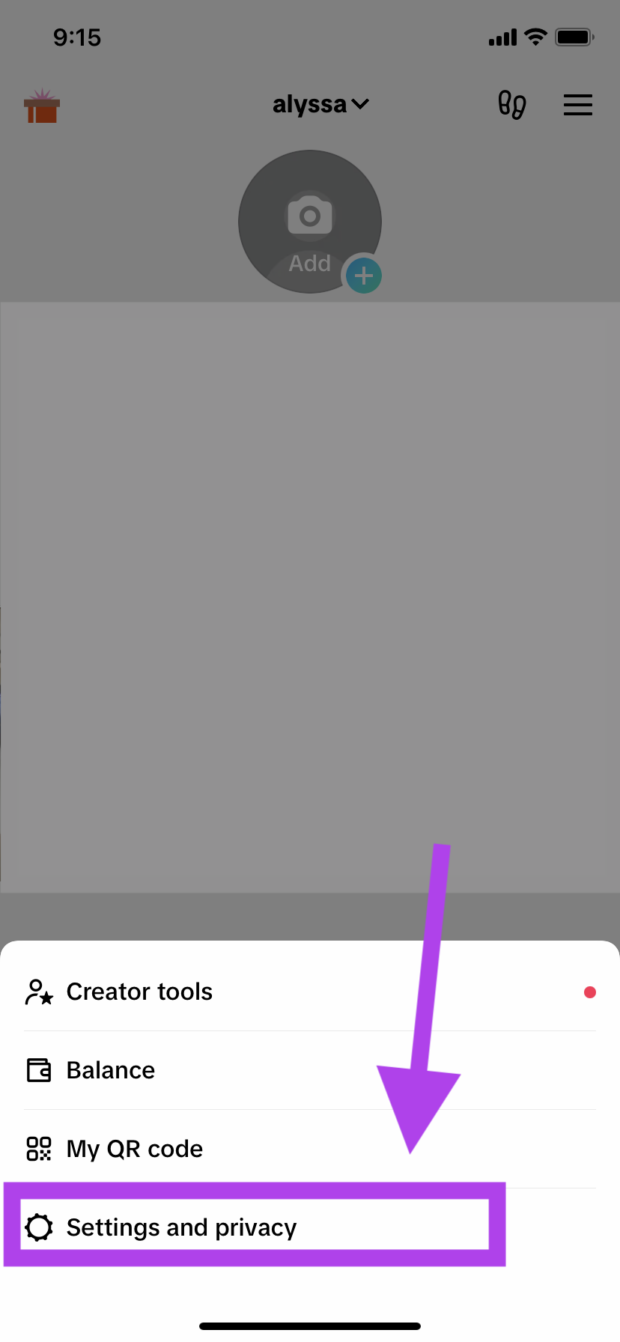
1. Establishing the Foundation
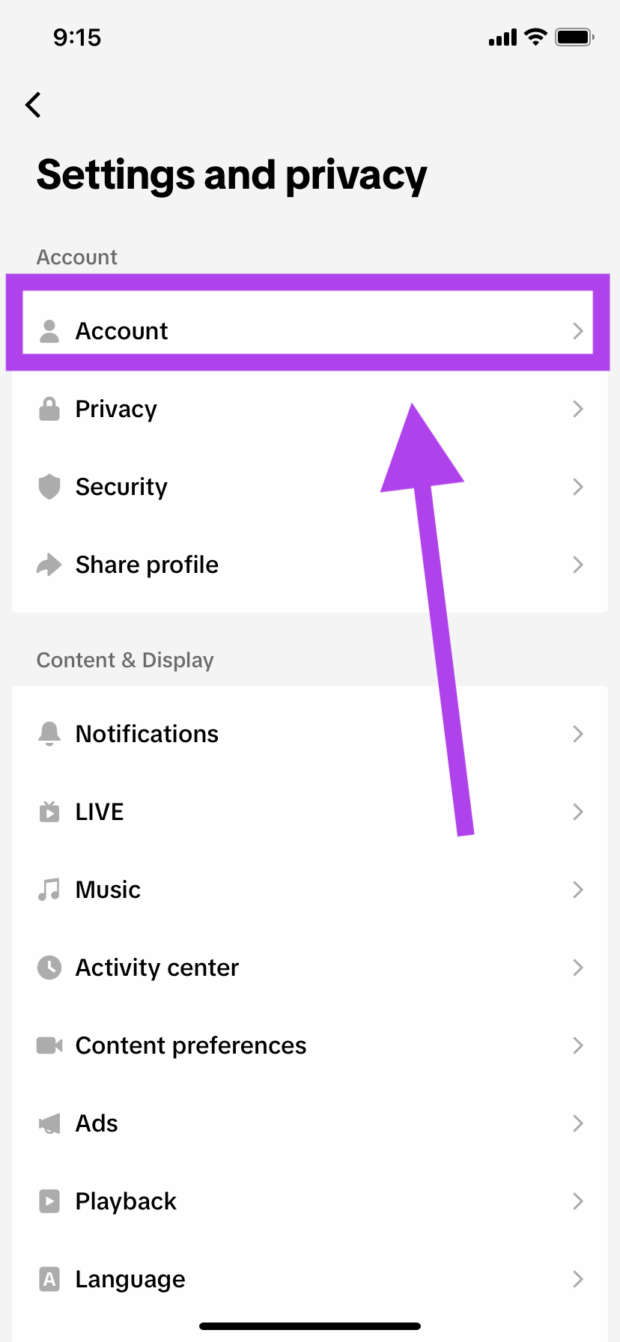
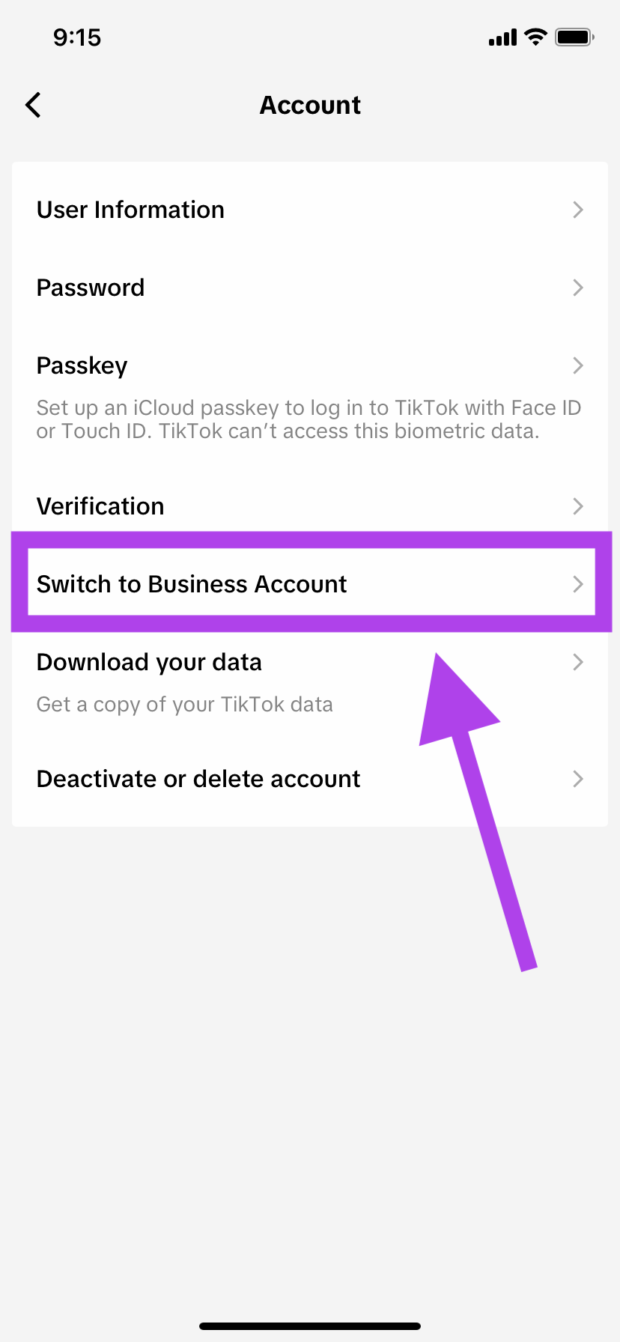
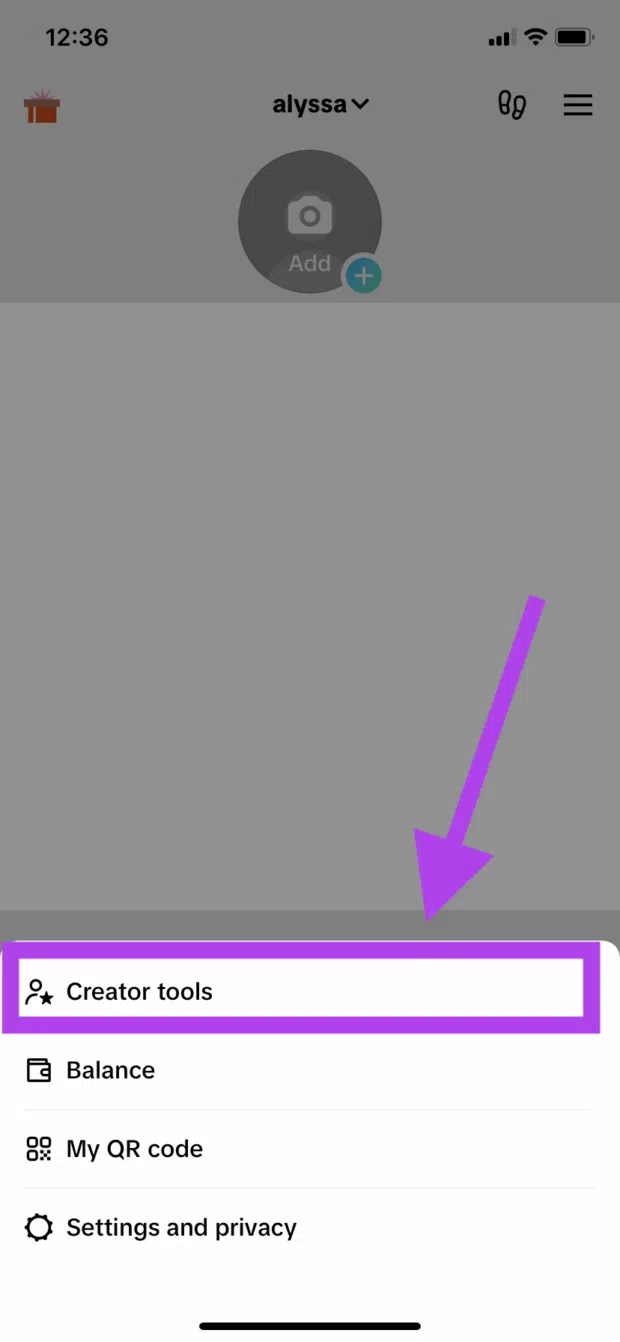
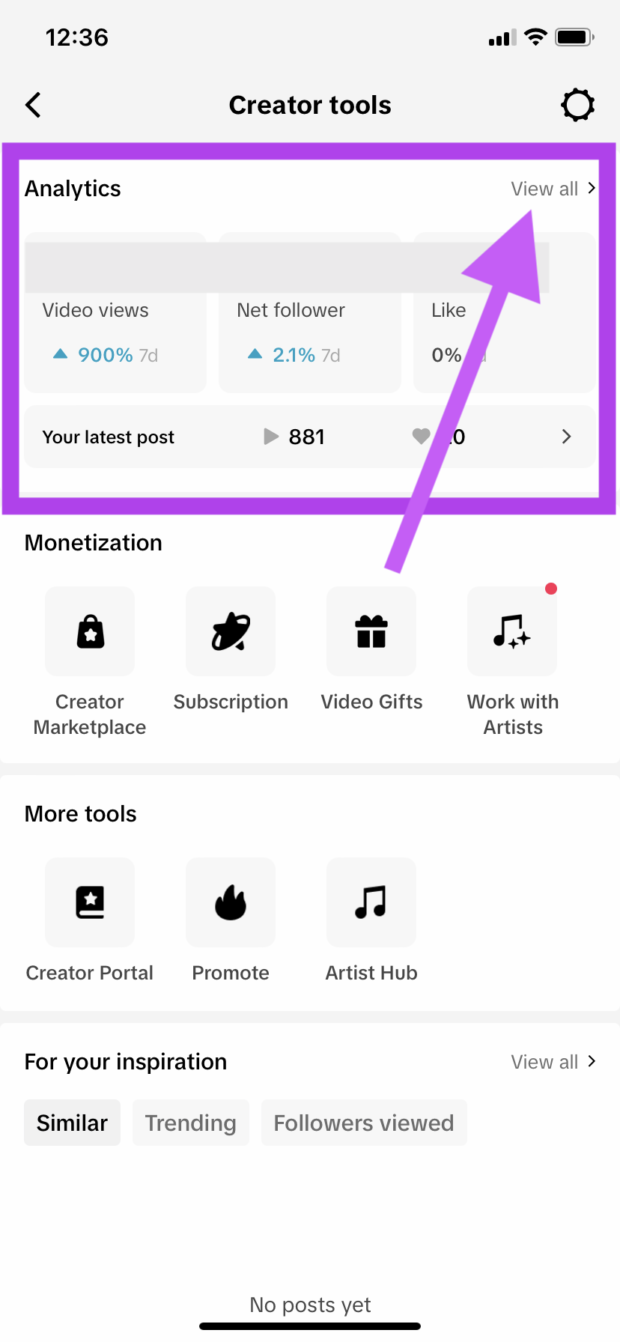
The first step is moving from a personal account to a TikTok Business Account. This transition is essential for accessing the Business Creative Hub, commercial music libraries, and, most importantly, advanced analytics. A business account also allows for the integration of conversion tracking pixels, which are vital for measuring the impact of paid advertising on website traffic and sales.
2. Audience Intelligence and Competitive Audits
Before creating a single video, brands must conduct a thorough audience analysis. While TikTok is often associated with Gen Z, current data shows the largest demographic segment falls between 25 and 34. For enterprise teams, the strategy involves segmenting content by region or product line. Simultaneously, a SWOT analysis (Strengths, Weaknesses, Opportunities, Threats) of competitors—and industry-specific influencers—provides a roadmap of what content formats are currently yielding results.
3. SEO and Discoverability
TikTok is increasingly being used as a primary search engine. Users type queries into the search bar to find product reviews, tutorials, and life hacks. To optimize for "TikTok SEO," brands must weave relevant keywords into their captions, on-screen text, and even spoken audio. Hashtags remain relevant, but the algorithm is now sophisticated enough to index the semantic meaning of your video content.
Supporting Data: Why TikTok Remains a 2026 Priority
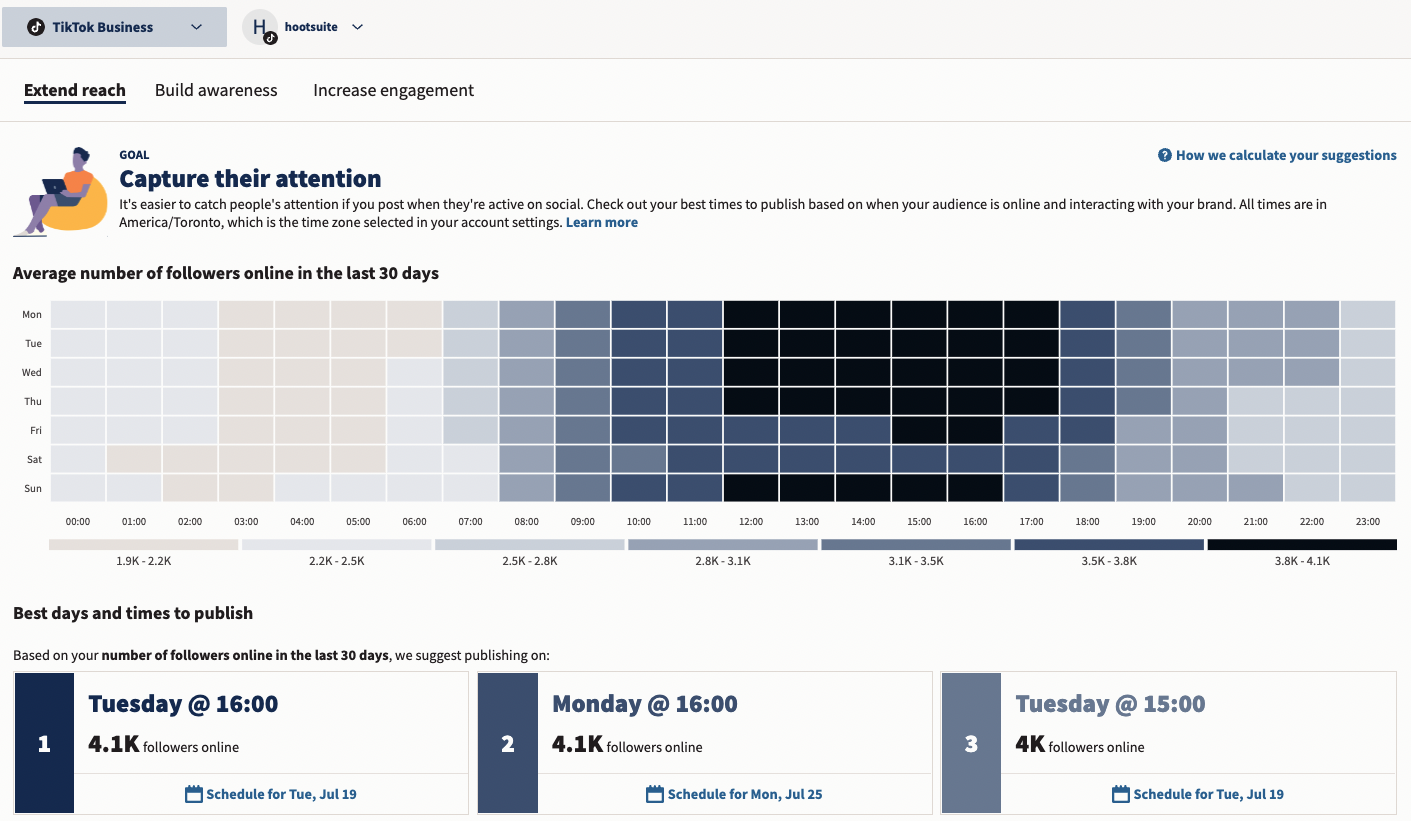
The investment in TikTok is supported by staggering user engagement metrics. U.S. users spend an average of 44 hours per month on the app, creating a massive window for brand exposure. When comparing performance across platforms, TikTok consistently leads in engagement rates compared to Instagram Reels and YouTube Shorts, particularly regarding the "native feel" of advertisements.
| Platform | Primary Audience Age | Key Commerce Feature |
|---|---|---|
| TikTok | 25-34 | TikTok Shop / In-app Checkout |
| Instagram Reels | 25-34 | Instagram Shopping |
| YouTube Shorts | 25-44 | YouTube Shopping / Product Links |
Official Responses and Regulatory Context
It is important to acknowledge that TikTok’s regulatory status remains a subject of ongoing global review. In 2026, marketers must adopt a "content portability" approach. This means ensuring that your high-quality video assets are not locked into the TikTok ecosystem. By maintaining a library of source files and building audiences on owned channels—such as email lists or websites—brands can pivot quickly should regional access change. Despite these regulatory clouds, the platform continues to innovate, proving that its utility to the global economy is a significant factor in its continued operation.
Strategic Implications for Modern Brands
The Power of Influencer Partnerships
Influencer marketing on TikTok has shifted toward authentic, long-term partnerships rather than one-off, "cringe-worthy" product plugs. By utilizing the platform’s affiliate program, brands can partner with creators to drive trackable sales. The most successful partnerships are those that allow the creator to maintain their unique voice, ensuring the brand message feels like a recommendation from a friend rather than a corporate mandate.
The "3-Second Rule" and Content Creation
Content that succeeds in 2026 adheres to the "3-second rule." Because the average attention span is shorter than ever, the first three seconds of a video must contain a visual or auditory hook that disrupts the scroll. Whether it is an unexpected question, a high-energy transition, or a bold claim, the hook is the gatekeeper to the rest of your video.
Experimentation and Agility
One of the most vital implications for marketing teams is the need for a "low-stakes" experimentation budget. Some of the most successful brand moments on TikTok were not high-production commercials, but spontaneous reactions to memes or trends. Brands that are willing to "be in on the joke" and avoid overly polished, stiff corporate messaging tend to build deeper trust with their audience.
Tactics for Sustained Growth
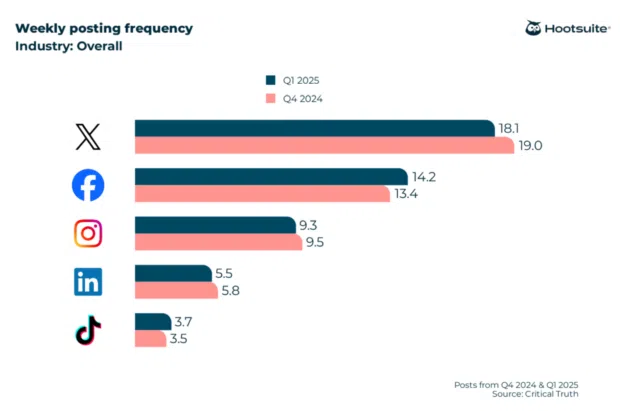
- Post Frequency: Data suggests that posting 3-5 times per week is the sweet spot for consistency. While the platform recommends daily activity, quality and relevance should not be sacrificed for volume.
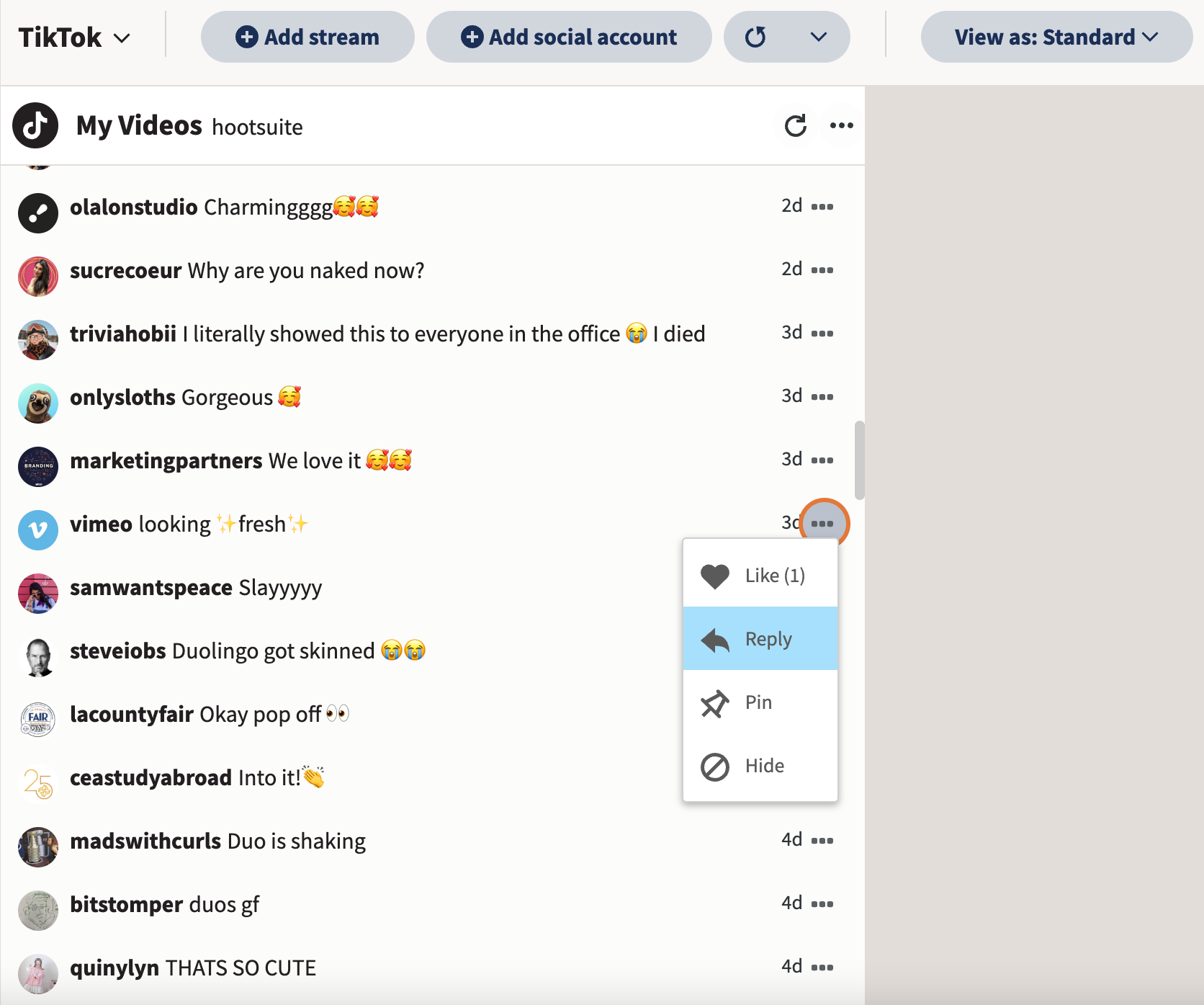
- Community Management: Reply to comments with videos. This not only boosts the original video in the algorithm but also signals to your audience that your brand is active and listening.
- Behind-the-Scenes Transparency: Audiences are increasingly cynical toward "perfect" marketing. Showing the messy, behind-the-scenes reality of product development or office life humanizes the brand and increases long-term loyalty.
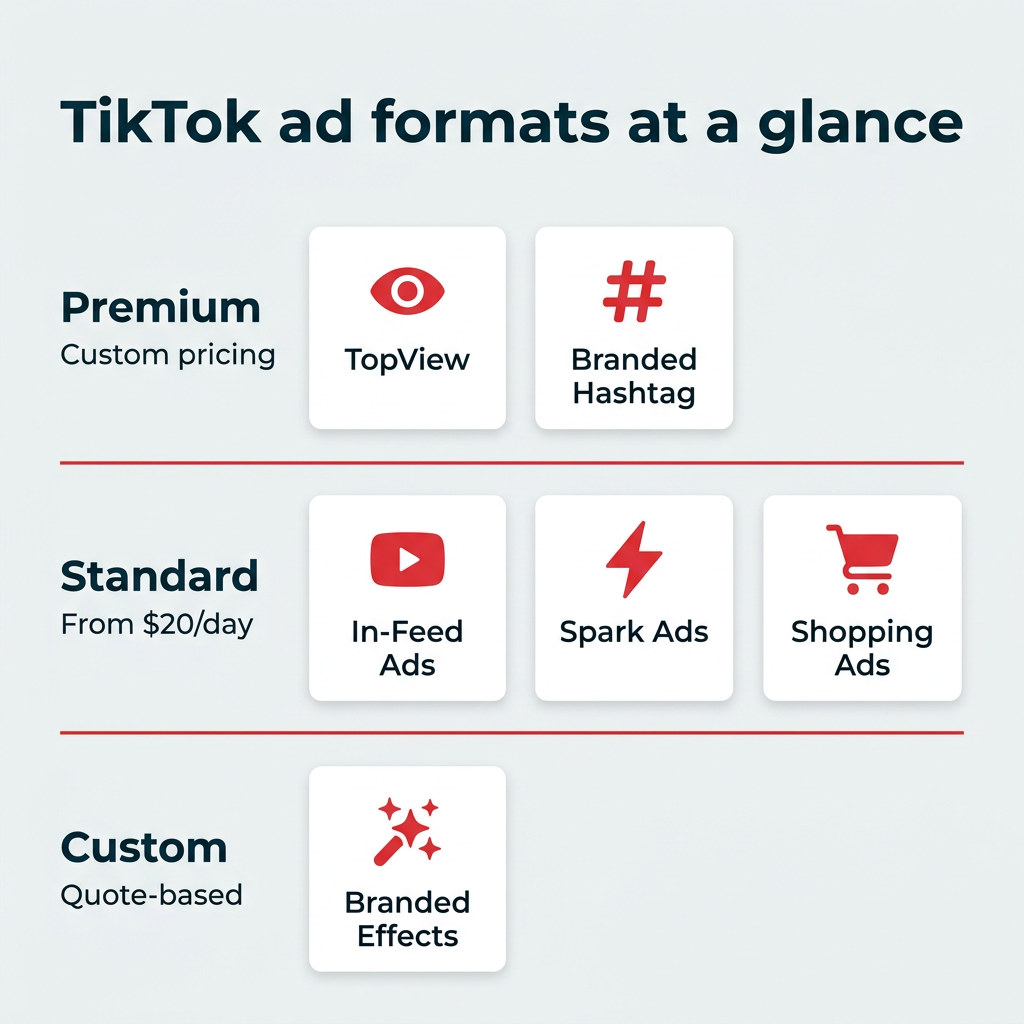
- Leveraging Paid Ads: Use Spark Ads to amplify top-performing organic content. This approach allows brands to put money behind posts that have already proven their resonance, maximizing the ROI of every advertising dollar spent.
Conclusion: The Path Forward
In 2026, TikTok is no longer an experimental channel; it is a fundamental pillar of the digital marketing mix. Its ability to combine entertainment, search, and social commerce into a single, seamless experience makes it an unparalleled tool for brands looking to reach both Gen Z and Millennial audiences.
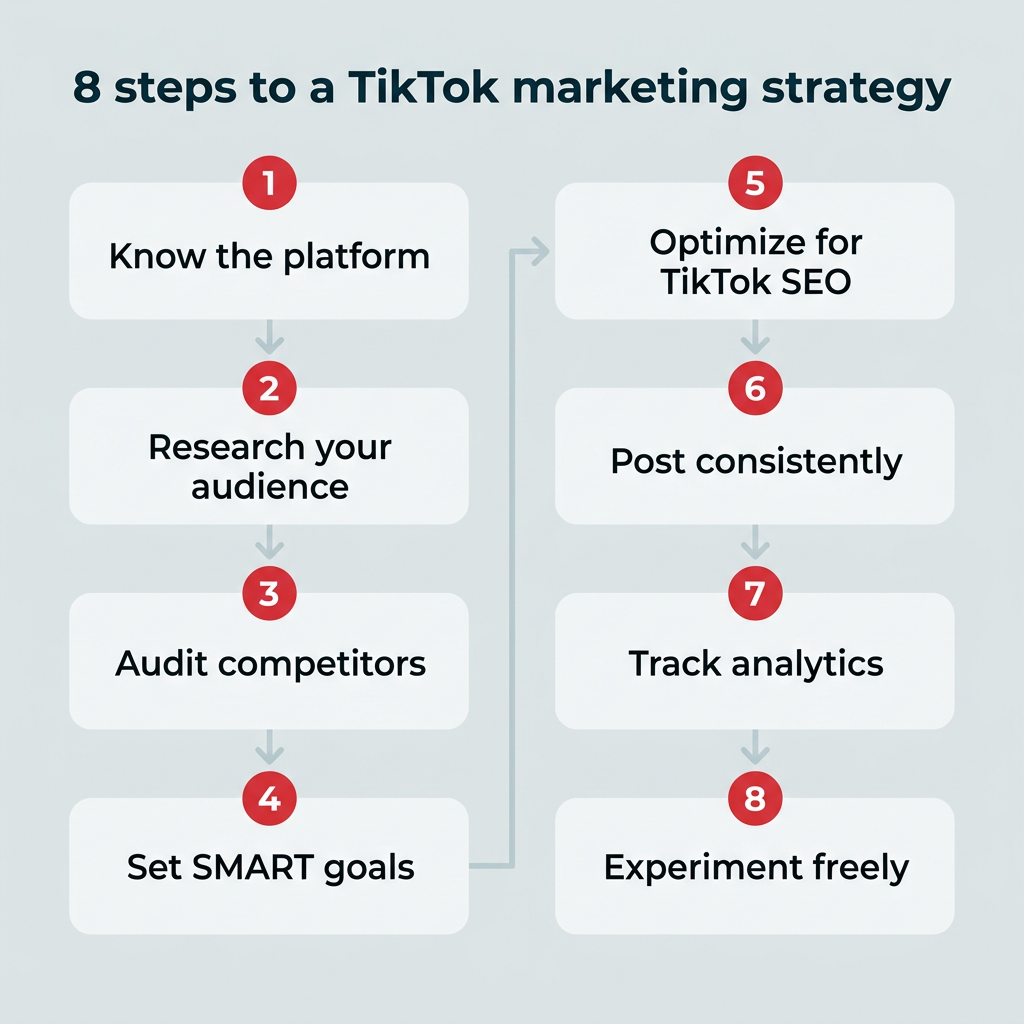
By focusing on authentic storytelling, prioritizing discoverability through SEO, and maintaining a commitment to testing and iteration, businesses can thrive on the platform. The tools exist—from sophisticated management dashboards to advanced advertising managers—but the true key to success lies in the brand’s ability to remain human, responsive, and relevant in a fast-paced digital world.
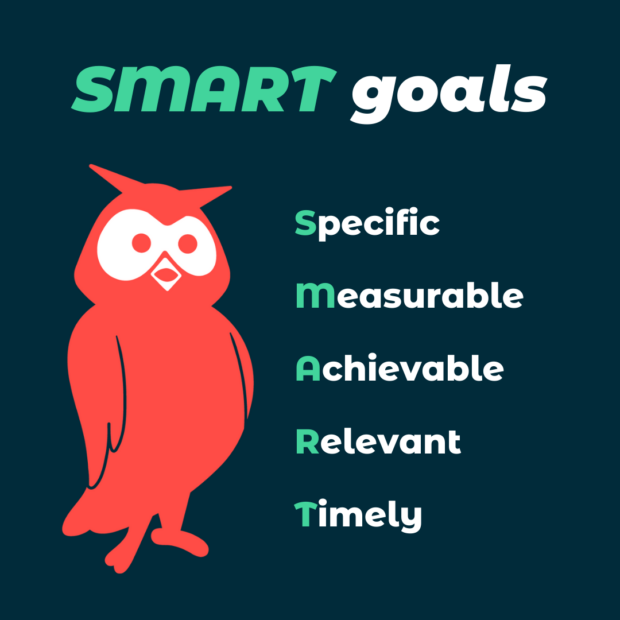
As you plan your strategy for the coming quarters, remember that the algorithm rewards the bold, the consistent, and the authentic. Start with a clear set of S.M.A.R.T. goals, track your results with diligence, and do not be afraid to lean into the chaos of the platform—that is exactly where the growth is waiting.
