
The Trust Deficit: Why Employee Advocacy is the New Gold Standard in Digital Marketing
In an era where brand trust is at an all-time low, the most powerful marketing asset in your organization isn’t a viral ad campaign or a massive paid-media budget. It is your workforce.
As audiences increasingly lose faith in polished corporate messaging—a trend confirmed by the 2025 Edelman Trust Barometer—the "human factor" has become the decisive variable in marketing success. Employee advocacy, the practice of empowering team members to share company content and authentic workplace stories on their personal social media channels, has shifted from a "nice-to-have" initiative to a fundamental pillar of modern brand strategy.
Understanding the Mechanics of Employee Advocacy
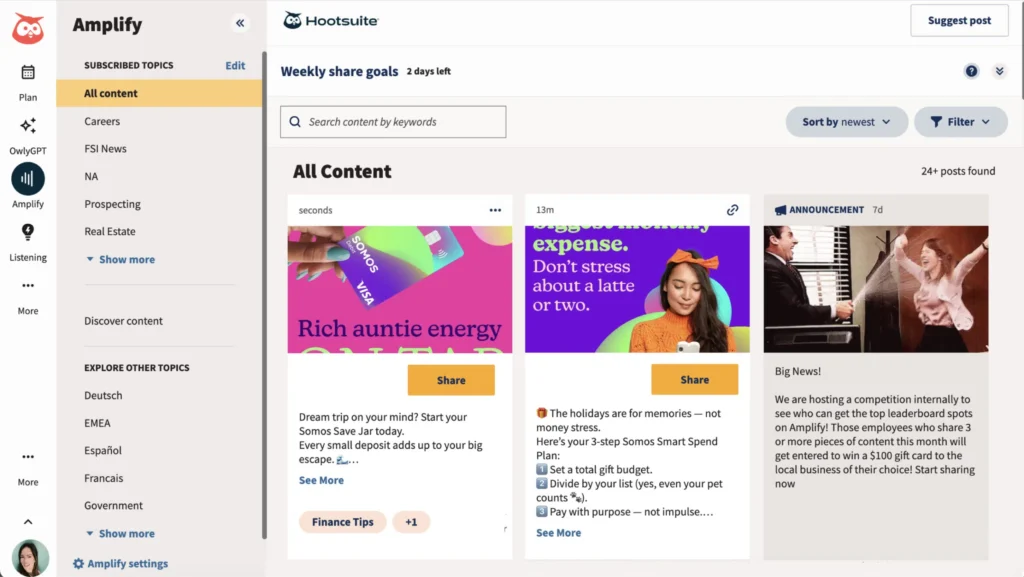
At its core, employee advocacy is the process of transforming employees into credible, human-centric brand voices. This is typically facilitated by internal programs that provide staff with access to company news, industry insights, and creative assets. Whether it is a LinkedIn post about a recent product launch, an X thread detailing a personal work win, or a behind-the-scenes look at company culture on TikTok, advocacy bridges the gap between a faceless brand and a real, relatable person.

Differentiating Advocacy from Traditional Marketing
It is common to confuse advocacy with influencer marketing or general brand advocacy, but the distinctions are vital:
- Employee Advocacy vs. Influencer Marketing: Influencer marketing relies on external creators—often paid—to promote a brand to their audience. In contrast, employee advocacy is internal and organic, built on a genuine professional connection to the company.
- Employee Advocacy vs. Brand Advocacy: While brand advocacy comes from customers and fans who love your products, employee advocacy is controlled, consistent, and deeply aligned with the company’s internal values and culture.
The Data-Driven Case: Why Human Voices Win
The numbers are unequivocal: people trust people more than they trust logos. Recent studies indicate that 60% of consumers view individual voices as more trustworthy than corporate communications. Furthermore, social media algorithms prioritize personal profiles over brand pages, meaning that an employee’s post has an exponentially higher probability of reaching a target audience organically.
Insights from the Hootsuite Amplify Ecosystem (2024–2025)
Data gathered from Hootsuite’s internal Amplify program offers a window into the potential of a well-executed advocacy initiative. With 40% to 50% of the company’s workforce actively participating, the results were transformative:

- Average Reach: Each post shared by an employee generated an average of 21,920 impressions.
- Engagement: The top-performing posts achieved over 200,000 in reach and surpassed 100 shares, proving that when content is curated correctly, it scales naturally.
Strategic Benefits: Beyond the "Like"
The impact of employee advocacy permeates multiple layers of an organization, from marketing and sales to HR and recruitment.
1. Scaling Brand Visibility
Employee networks are, on average, 10 times larger than the official follower base of the company they work for. When an organization of 500 employees turns on advocacy, they are essentially activating a megaphone with a collective reach that dwarf traditional corporate channels. The IT provider Carahsoft serves as a prime example; after launching their advocacy program, they attributed 35% of their event registrations directly to employee-shared content.
2. The Trust Multiplier
Corporate accounts often feel like a megaphone; individual profiles feel like a conversation. When a therapist or engineer shares a story about their work, it lacks the "salesy" friction of a brand ad. Athletico Physical Therapy leveraged this by empowering their team to share stories during key industry months, resulting in a 40% boost in overall reach and significantly higher engagement rates.
3. Recruitment and Employer Branding
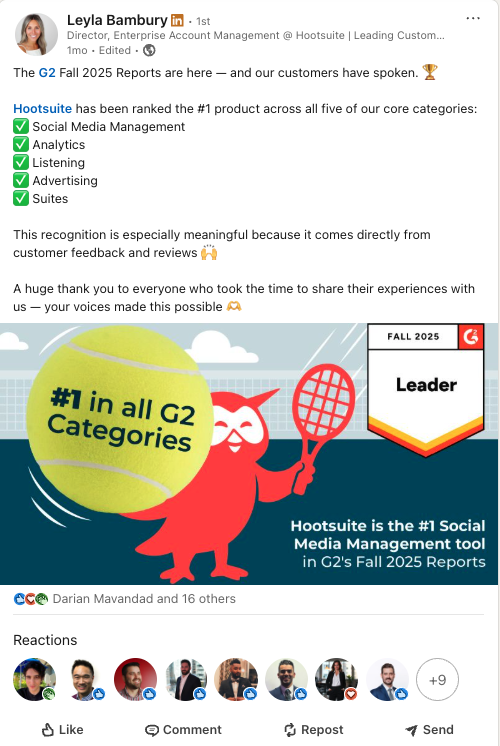
In the battle for top-tier talent, the "human look" at a company is the ultimate differentiator. Companies with socially engaged employees are 58% more likely to attract top talent. When prospective employees see their potential future peers sharing genuine experiences, it builds a level of authenticity that no careers page can replicate. Global healthcare leader DaVita saw this play out in real-time, recording a 136% increase in traffic to their careers page after launching an advocacy program.
The Anatomy of a Successful Program
Building a program that sustains itself requires more than just asking employees to "share this." It requires a deliberate, six-step framework.
Step 1: Secure Leadership Buy-in
Advocacy cannot be a side project. It must be championed by leadership to ensure it is viewed as a strategic priority. When executives lead by example, the rest of the organization follows.
Step 2: Identify Your Champions
Every company has "natural" ambassadors—those employees who are already active on social media and hold a positive view of the brand. Start with this pilot group to test the waters and establish a baseline for performance.
Step 3: Curate "Share-Worthy" Content
Avoid the temptation to mandate corporate buzzwords. Authenticity is the currency of the internet. Focus on stories that spotlight team wins, innovative problem-solving, and behind-the-scenes culture.
Step 4: Frictionless Participation
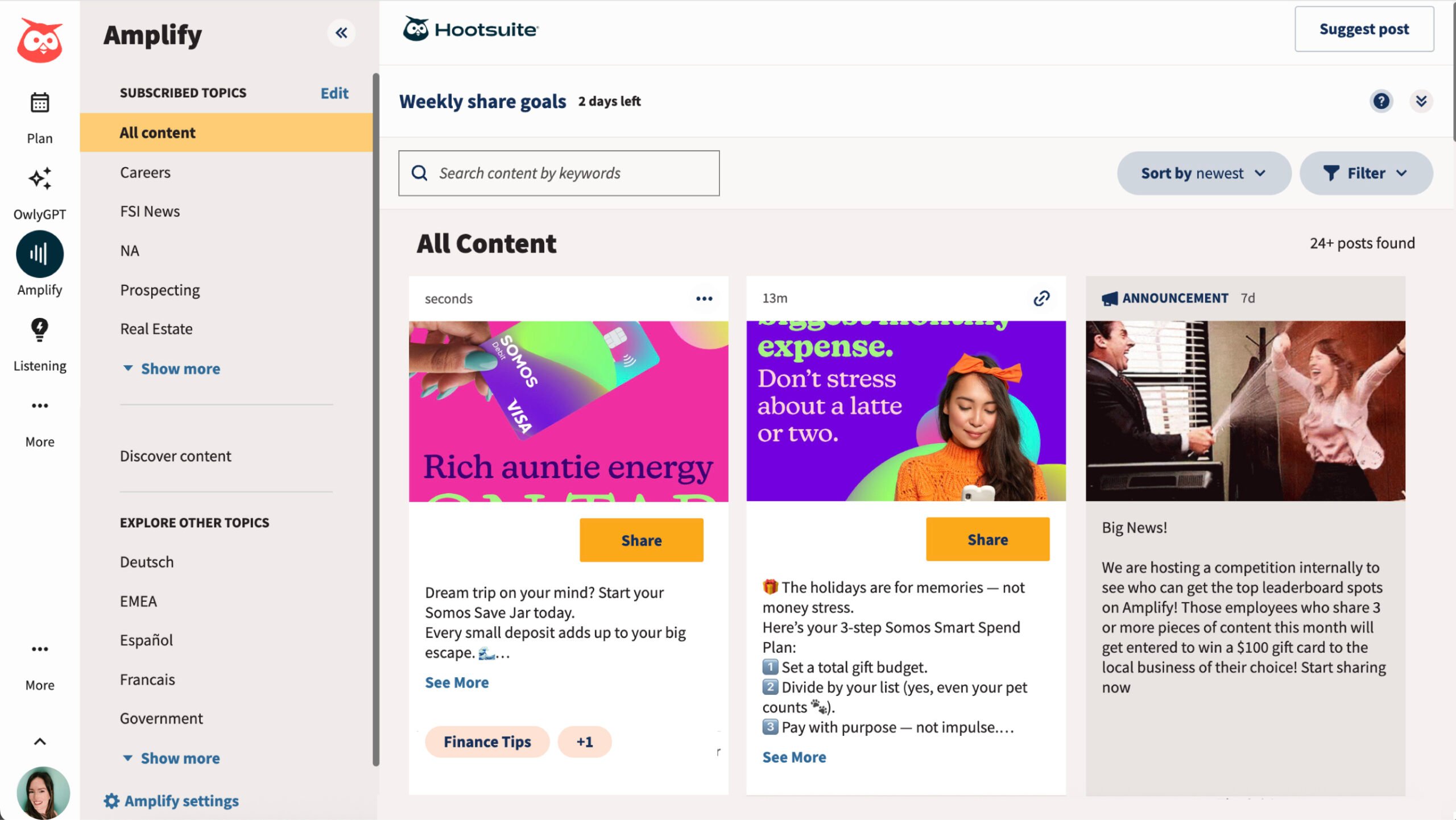
If it is hard to share, your employees won’t do it. Use platforms like Hootsuite Amplify that integrate with the tools your team already uses, such as Slack or Microsoft Teams. This makes sharing as simple as a single click.
Step 5: Building Momentum
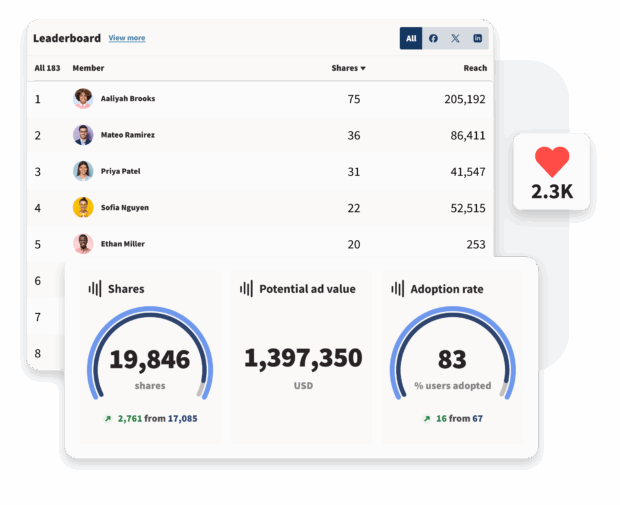
Gamify the experience. Use leaderboards to spotlight top advocates and offer rewards for engagement milestones. Friendly competition often transforms a passive employee into a passionate brand voice.
Step 6: Measurement and Iteration
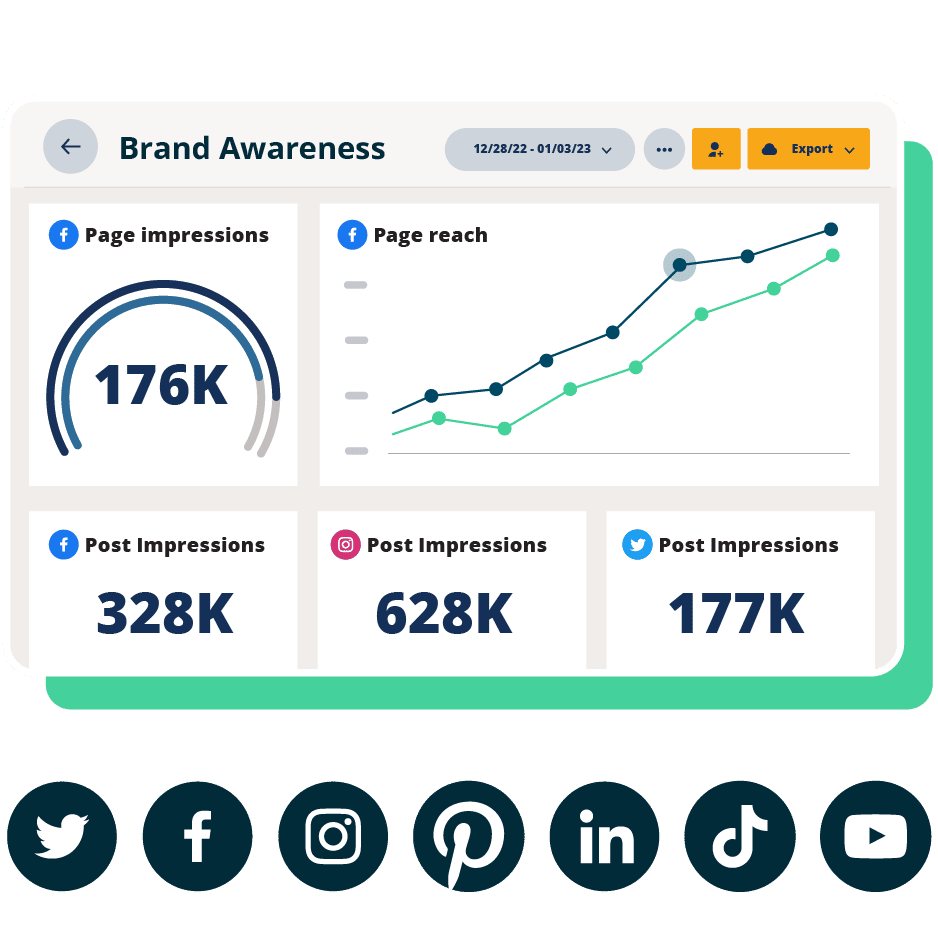
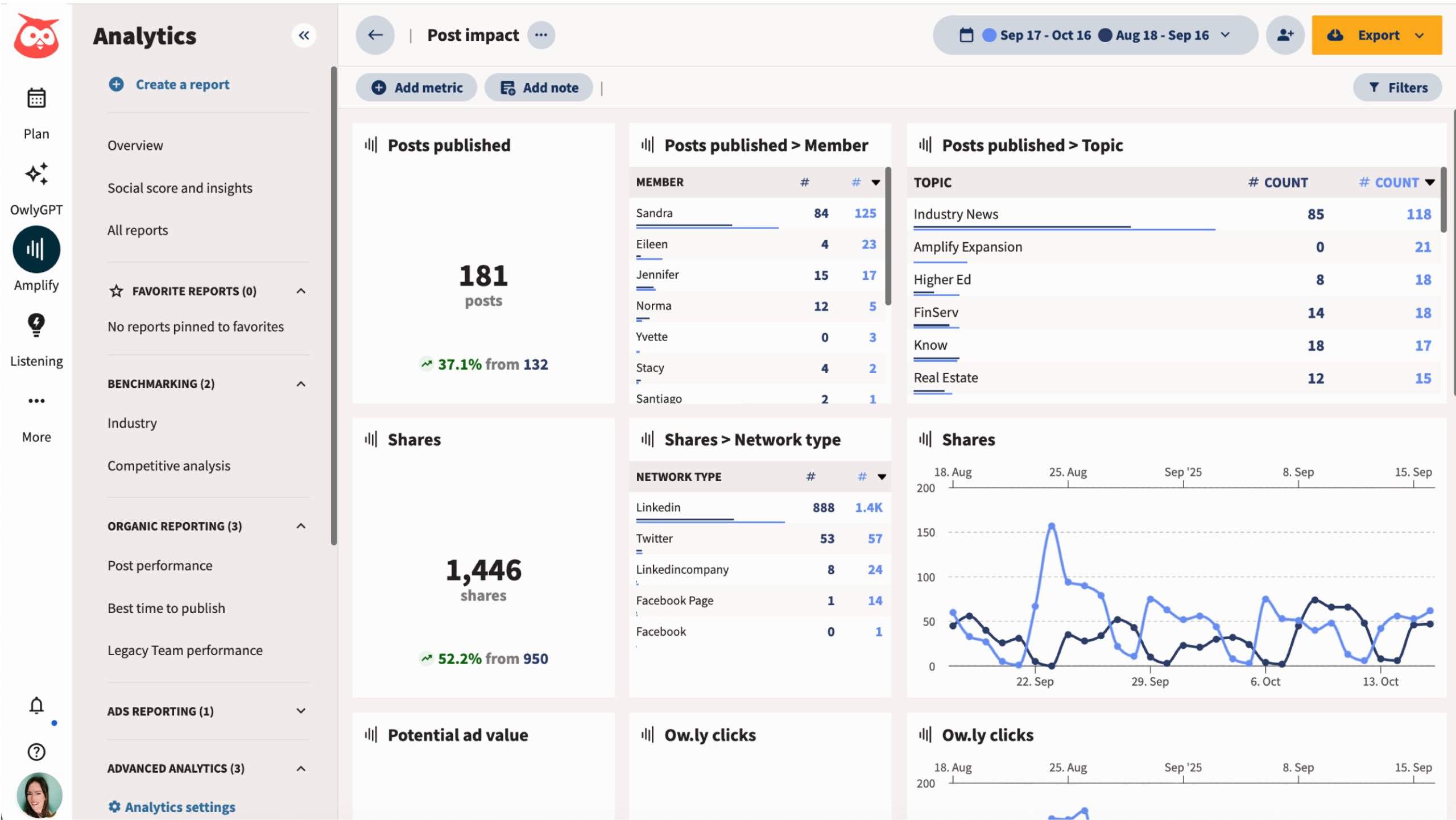
Track everything. Use KPIs such as participation rates, engagement depth, and recruitment conversion to prove the value of the program to stakeholders.
Content Strategy: The Art of the Personal Touch
Should employees share company-created content or create their own? The answer is a hybrid approach.
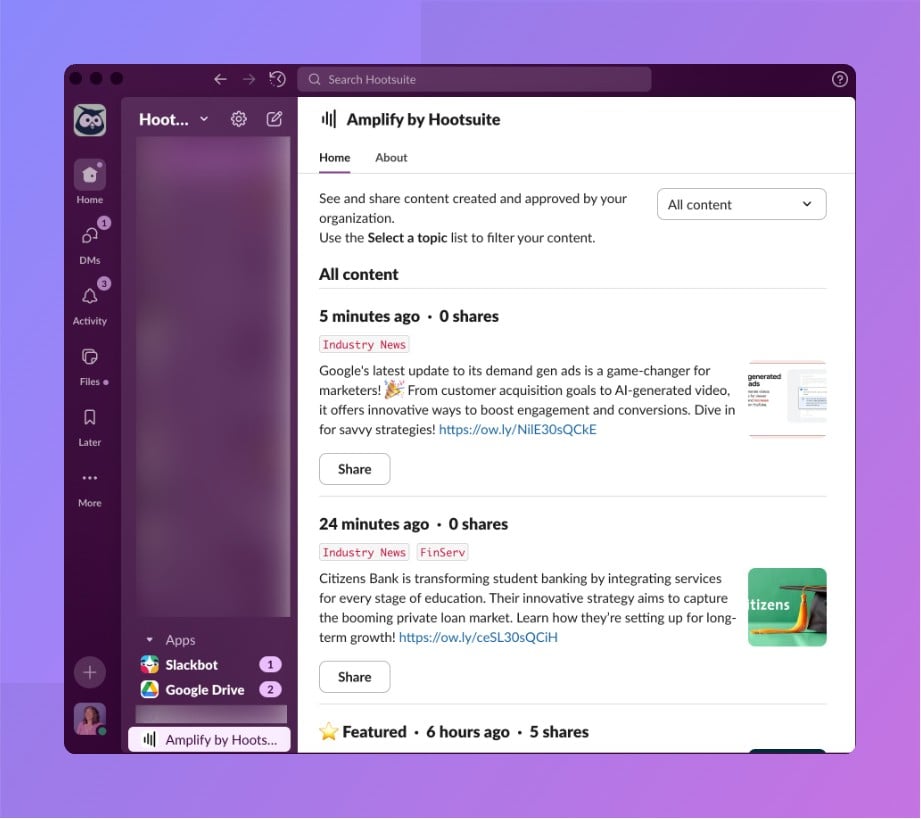
Eileen Kwok, a veteran social media strategist, suggests that while brand-provided content (like that found in Amplify) is a great starting point, the magic happens in the personalization. "Write in the first person, add your own takeaway, and avoid overly rigid branding," she advises.
Furthermore, a healthy advocacy diet shouldn’t just be company promotions. Encouraging employees to share industry news and thought leadership positions them as subject matter experts, which in turn elevates the brand they represent. A balanced program usually includes:
- Company News: Product launches, culture, and events.
- Industry Insights: Trends, analysis, and third-party news.
- Personal Wins: Career milestones and team collaboration.
Implications for Compliance and Culture
One of the most common hesitations regarding advocacy is the risk of "off-brand" messaging. However, this is easily mitigated by clear, simple guidelines. Provide a "Do’s and Don’ts" list that focuses on professional standards while explicitly encouraging individual voice.
By providing templates and pre-approved visual assets, you remove the guesswork for employees, allowing them to feel confident in what they are posting. When employees feel supported rather than policed, they become better representatives of the company’s values.
Conclusion: The Future is Human
Employee advocacy is a testament to the fact that in a digital world, the most effective technology is still the human connection. By investing in the tools that empower your team to share their voices, you aren’t just boosting your social metrics—you are building a more transparent, trusting, and connected company culture.
As we move toward a future where AI-generated content becomes the norm, the authentic, unfiltered perspective of an employee will become even more valuable. Start small, provide the right resources, and watch as your employees turn your brand into a community.
Quick Reference: Measuring ROI
To justify the investment in an advocacy platform, look at these four pillars:
- Participation Metrics: How many employees are active? What is the growth rate?
- Engagement Metrics: How many clicks, shares, and comments are being generated?
- Recruitment Metrics: Are job applications increasing? Are referrals up?
- Culture Metrics: How does the program impact internal employee sentiment?
By plugging these numbers into an ROI calculator, you can effectively demonstrate the dollar value of earned media compared to paid social, turning your employees into your organization’s greatest competitive advantage.
