
The New Frontline: Why Social Media is the Critical Hub for Modern Customer Service
In the digital-first era, the traditional call center is no longer the sole arbiter of brand reputation. Today, the battlefield for customer loyalty has shifted to the public and private corridors of social media. Whether it is a frustrated tweet about a delayed flight, an Instagram comment inquiring about product availability, or a direct message on WhatsApp regarding a subscription error, social media customer service has evolved from a “nice-to-have” engagement tactic into a critical business necessity.
As consumer behavior shifts toward instant, conversational communication, organizations are finding that their social media channels are the most high-stakes touchpoints they own. With 75% of consumers now expressing a desire to message businesses with the same ease they message friends and family, the ability to provide seamless, empathetic, and rapid support is the new gold standard for market leadership.

The Evolution of Support: From Marketing to Mission-Critical
Historically, social media teams were tasked with content creation and brand awareness. However, the lines between marketing and support have effectively dissolved. A public response to a customer’s complaint does more than just solve a problem; it serves as a live demonstration of brand values to every potential customer watching.
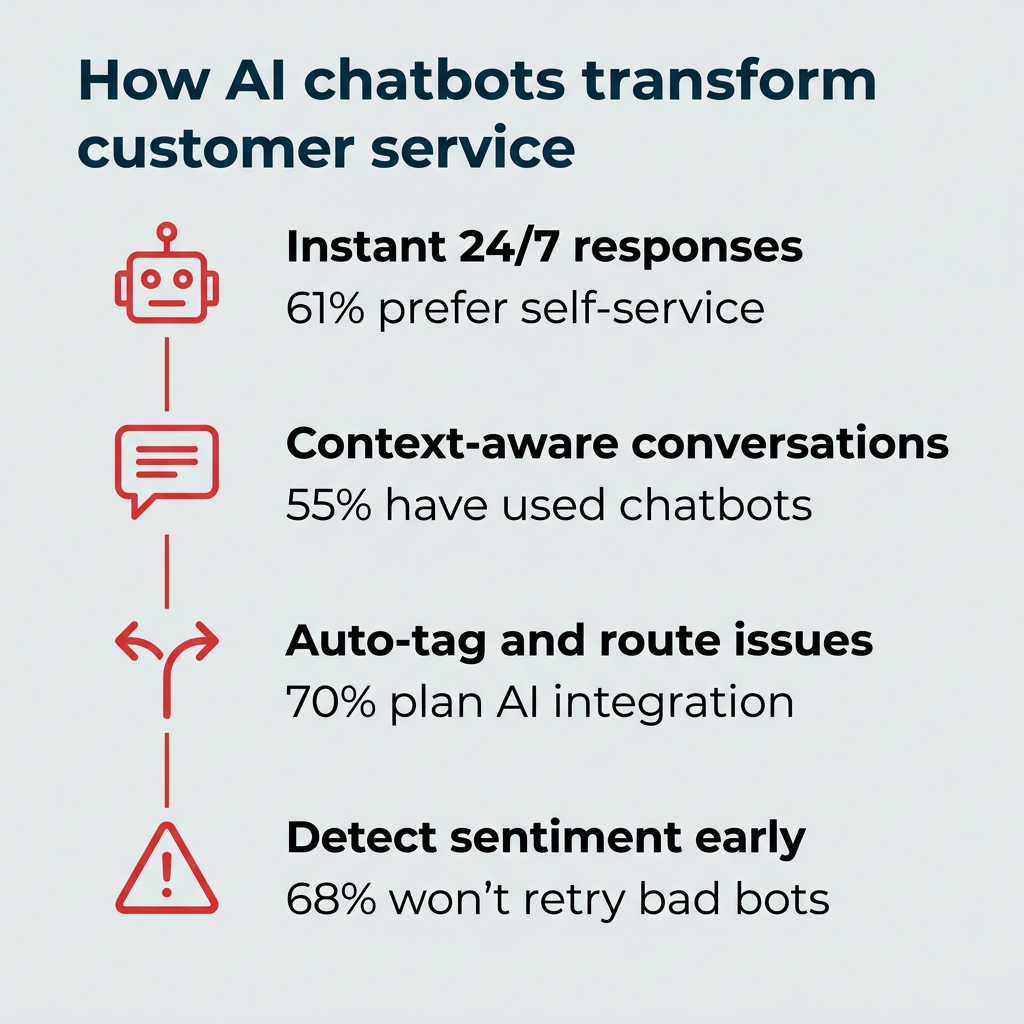
This evolution is being fueled by the integration of AI-powered service. Modern customer support now relies on a hybrid ecosystem: sophisticated chatbots that handle routine FAQs, automated reply systems, and advanced social listening tools that detect sentiment shifts before they escalate into PR crises. By leveraging these technologies, companies are not merely improving their response times—they are driving a 25% increase in long-term revenue, according to research from Accenture, by effectively merging operational efficiency with customer-centric growth strategies.

The Anatomy of Consumer Expectations
The modern consumer is characterized by a "low-patience, high-expectation" profile. Data from Gartner reveals a sobering reality for companies lagging in their digital transformation: nearly 28% of customers abandon their search for a solution if they cannot find answers independently. This trend is even more pronounced among younger demographics, with 39% of Gen Z consumers walking away if a digital solution is not immediately apparent.
Furthermore, the "wait time" tolerance has plummeted. More than a quarter of consumers across all generations will abandon an inquiry if they are forced to endure the friction of a phone hold. The implication is clear: if a business is not meeting the customer where they are—on the platforms they use every day—they are effectively closing their doors to a significant portion of their market. By 2027, industry analysts predict that self-service and live chat technologies will officially surpass phone and email as the primary channels for customer engagement.

Strategic Ownership: Who Owns the Conversation?
For enterprise-level organizations, the challenge lies in organizational structure. Managing high-volume social inquiries requires a strategy that prevents messages from falling into the "void" between departments.
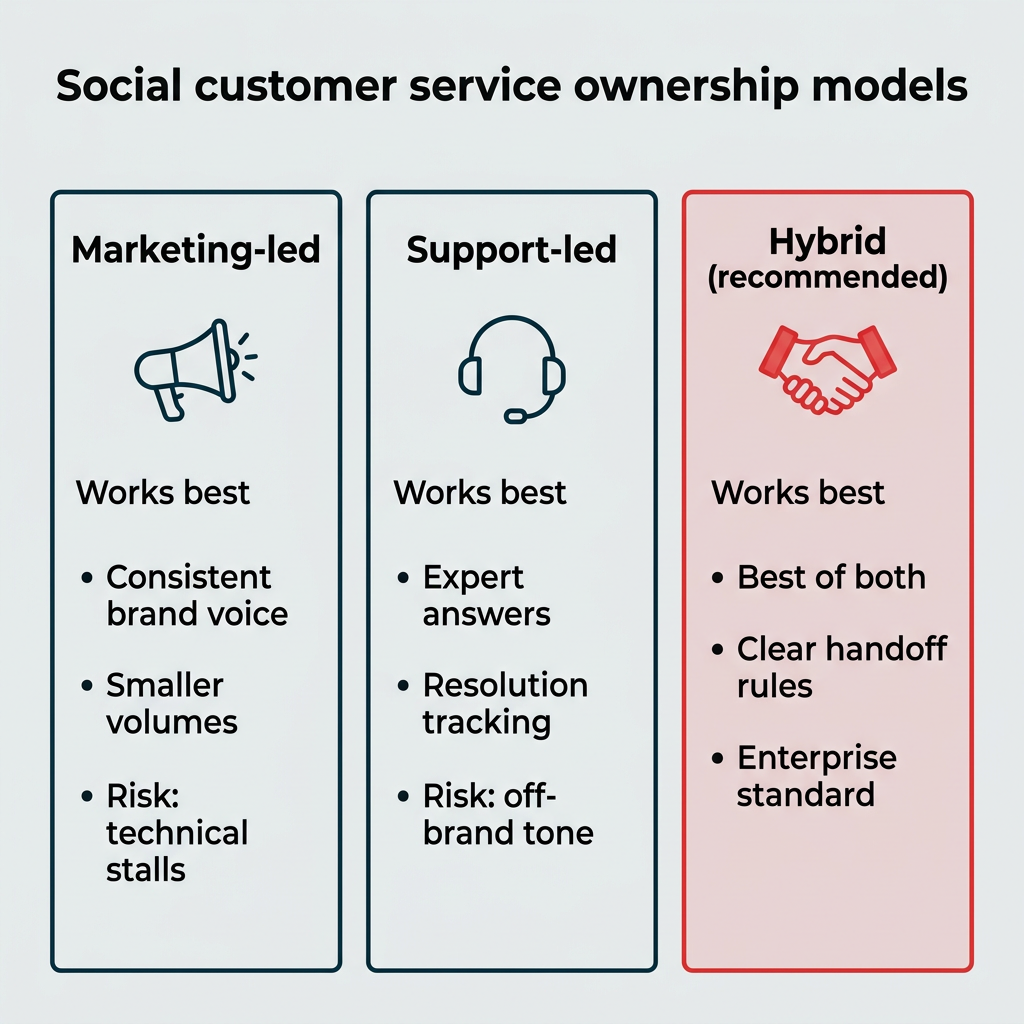
There are three primary models for social customer service:

- Marketing-Led: Ideal for brands with a heavy focus on brand voice and social presence.
- Support-Led: Best for highly technical industries where specialized knowledge is required to resolve issues.
- The Hybrid Model: The most effective approach for scaling. By sharing responsibility, marketing teams maintain the brand voice while support specialists provide technical resolution.
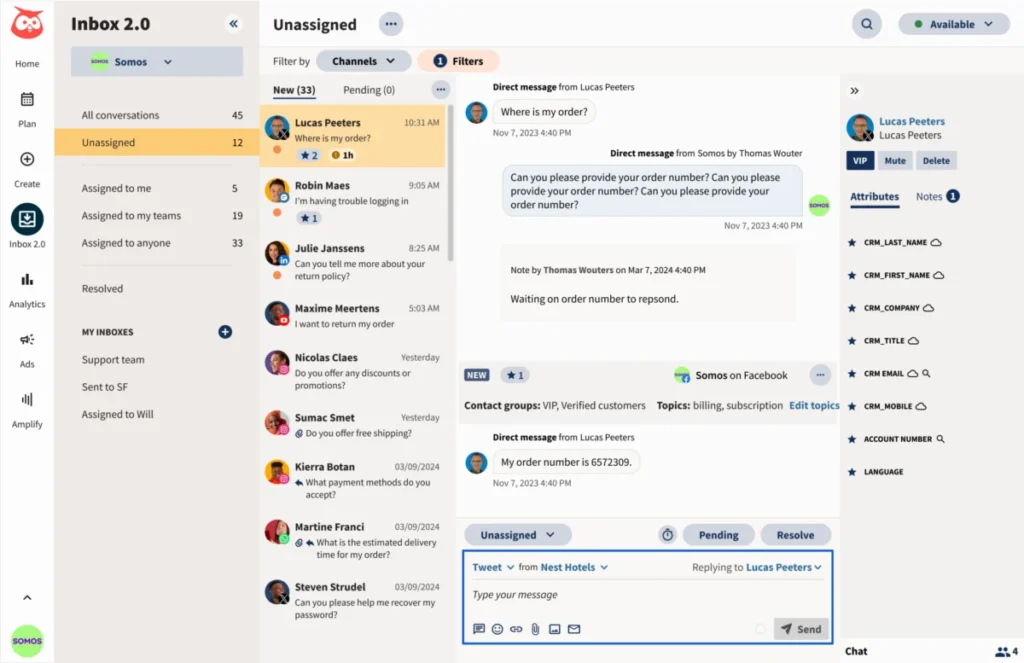
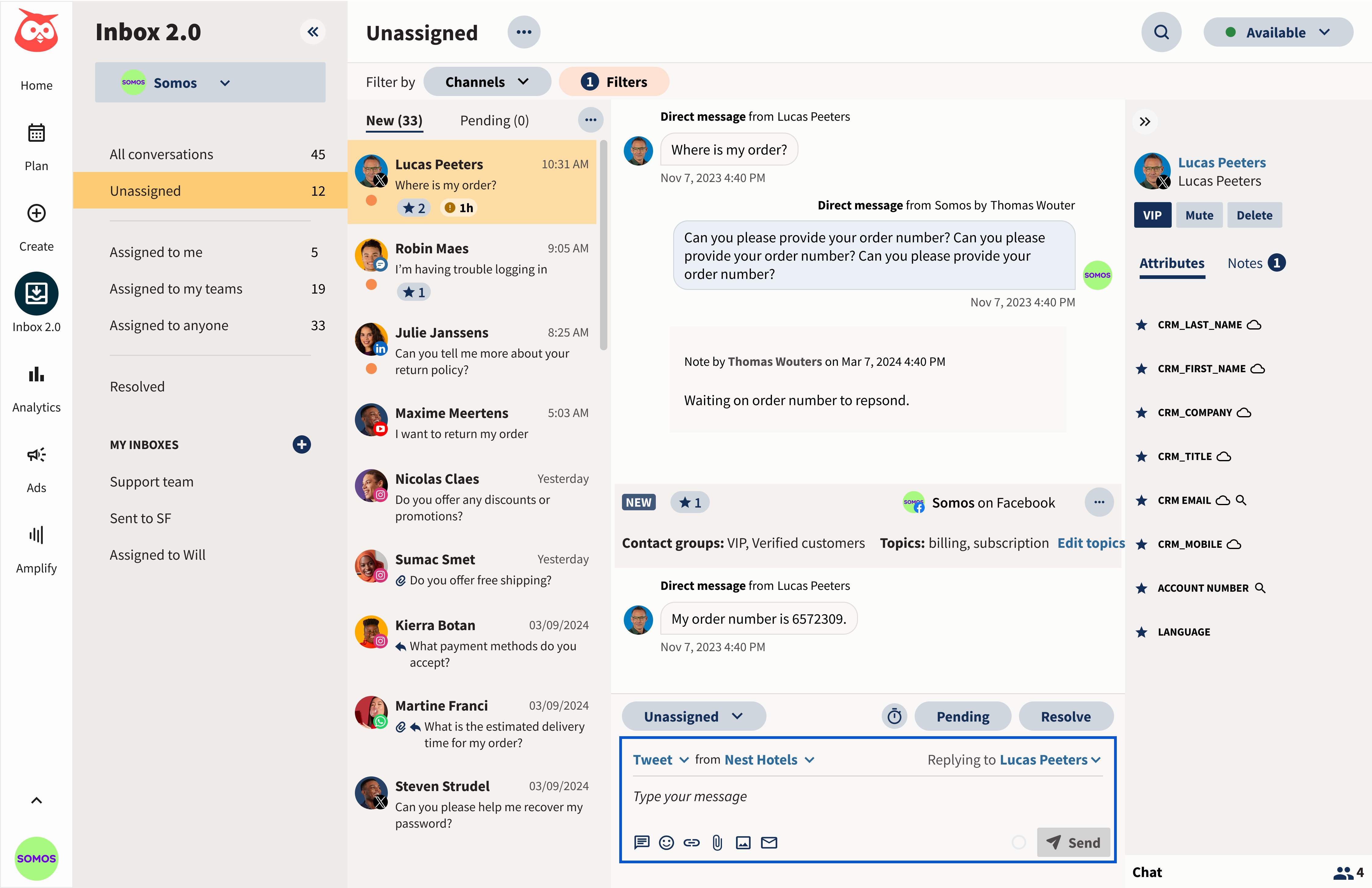
Success in this model requires a unified dashboard, such as Hootsuite Inbox, which allows cross-functional teams to triage, assign, and track conversations in real-time, ensuring that the brand voice remains consistent while resolution speeds remain high.
The Pros and Cons: Weighing the Visibility Factor
The move to social-first support is not without its risks. The primary "con" is the inherent public nature of the medium. A complaint left unaddressed on an X (formerly Twitter) thread can go viral, turning a minor oversight into a brand crisis.

| Pros | Cons |
|---|---|
| Faster resolution compared to traditional channels | Public complaints can damage brand reputation |
| High visibility builds public trust | High volume can overwhelm lean teams |
| Personal, humanized brand interactions | 24/7 expectations from global customers |
| Lower cost-per-interaction than call centers | Dependency on platform algorithm changes |
Despite these risks, the benefits of proactive engagement—specifically the ability to turn a dissatisfied customer into a loyal advocate—outweigh the potential downsides for most organizations.
Eight Pillars of Best-in-Class Social Service
To thrive in this environment, companies must adopt a rigorous set of best practices:
1. The One-Hour Rule
The current industry standard for excellence is a response time within one hour. To meet this without doubling headcount, teams must utilize unified inboxes that consolidate comments and DMs from all platforms into a single, actionable queue.
2. Social Listening as Proactive Support
True service is anticipating needs before a ticket is filed. Using social listening tools to monitor brand sentiment allows companies to identify systemic product issues or emerging trends. By engaging with these conversations, brands can provide value and demonstrate authority even before a direct question is asked.
3. Dedicated Service Channels
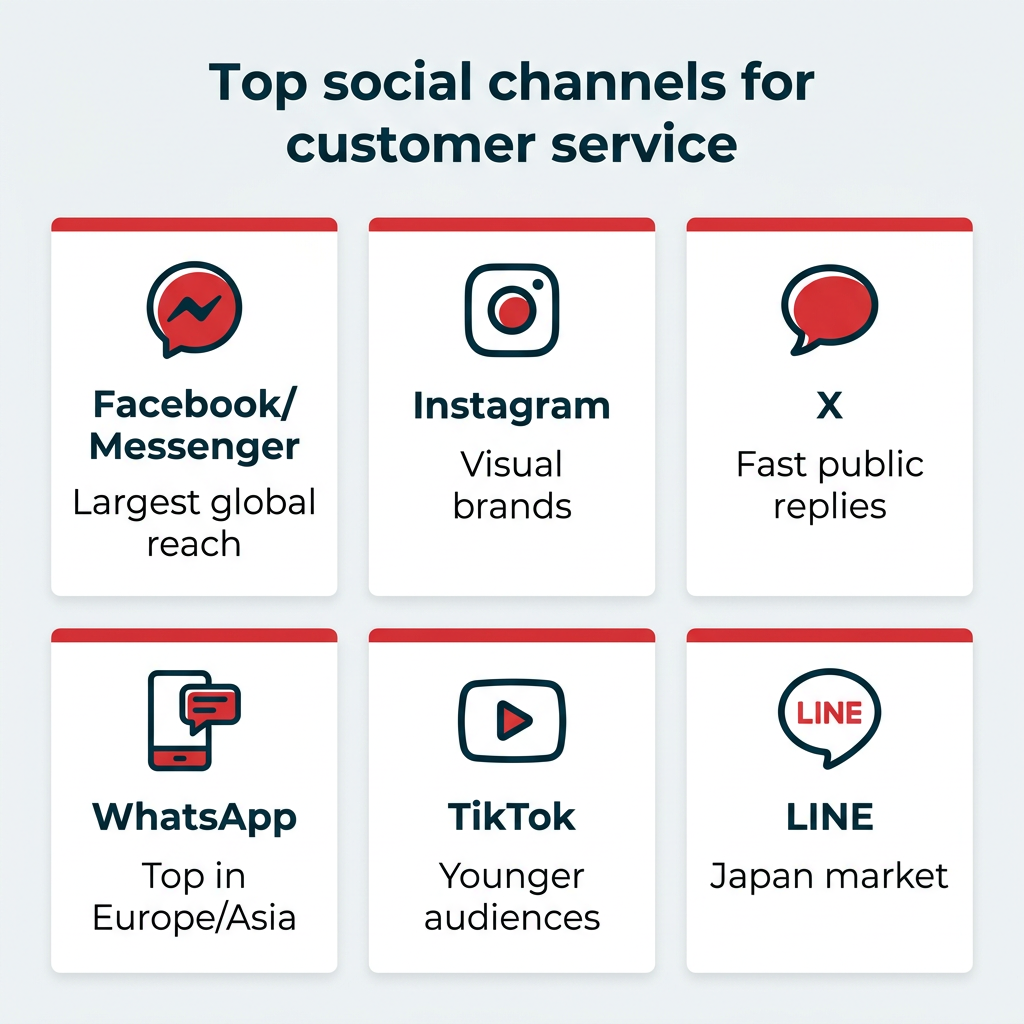
For larger brands, creating dedicated support handles (e.g., @BrandNameHelp) can streamline traffic. This filters "how-to" and troubleshooting inquiries away from the main marketing feed, allowing for more efficient triaging.
4. Transparent Expectation Setting
If your team does not provide 24/7 support, be explicit about it. Clear communication in bios or auto-responders regarding business hours reduces customer frustration and sets realistic expectations.
5. The "Reply-All" Philosophy
Treat every comment as a public interaction. Even if the issue is solved via DM, acknowledging the comment publicly signals to the community that the brand is attentive and responsive.
6. AI-Enhanced Human Support
AI should not replace the human touch; it should empower it. By using AI to handle routine FAQs, human agents are freed up to tackle complex, emotionally charged issues that require empathy and nuanced judgment. As 70% of CX leaders move to integrate generative AI into their workflows, the focus must remain on using technology to augment human capability, not eliminate it.

7. Professionalism Under Fire
When dealing with negative feedback, the golden rule is to remain objective. Acknowledge the issue, offer a path to resolution, and move the conversation to a private channel. In rare instances where misinformation is spread, professional, fact-based corrections are necessary to protect the brand’s reputation.
8. Accessibility and Human Connection
Even in a world of automation, the human connection remains the ultimate differentiator. Ensuring that there is always a path to speak with a human is critical for complex cases. Furthermore, allowing support agents to inject personality into their responses fosters authentic relationships that automated systems simply cannot replicate.
Measuring the ROI of Empathy
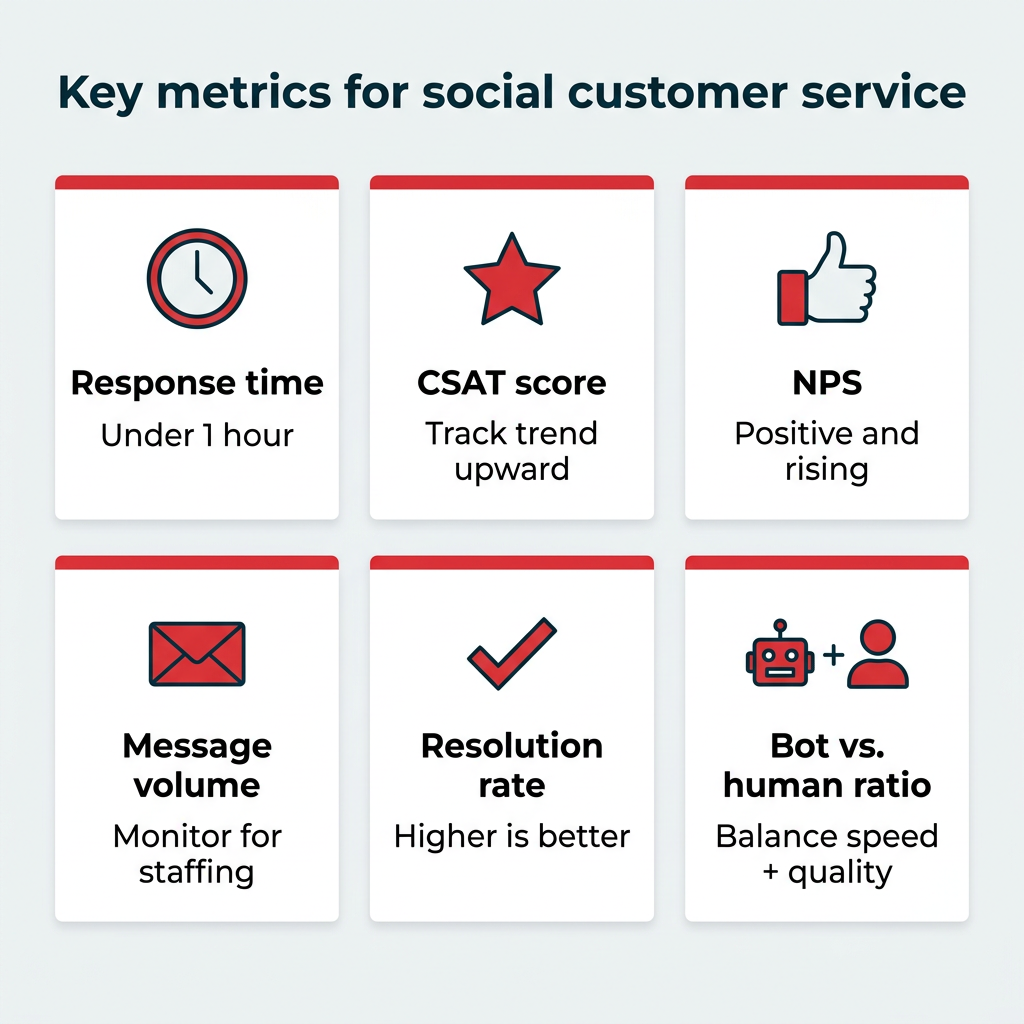
Success in social media customer service is quantified by specific KPIs. Tracking Average Response Time is the baseline, but it must be paired with Customer Satisfaction Scores (CSAT) and Net Promoter Scores (NPS) to understand the quality of the resolution.
Furthermore, monitoring Resolution Rate and Message Volume provides the necessary data to justify staffing levels and tool investments. When these metrics are tied to revenue through integrated analytics platforms, social customer service shifts from a cost center to a verifiable driver of business growth.
The Future of the Digital Help Desk
As we look toward the future, the integration of social media support with broader CRM systems (such as Salesforce) will become mandatory. Organizations that can provide a "single source of truth" for their customer interactions—where every interaction on every channel informs the next—will dominate their respective markets.
The message for modern businesses is clear: The social media feed is no longer just a place to talk at your customers; it is the place to talk with them. By prioritizing speed, transparency, and the strategic application of AI, brands can build a level of loyalty that is virtually immune to the churn of the competitive digital marketplace. The future of service is social, and the companies that master this medium today will be the industry leaders of tomorrow.
