
Beyond the Tip Jar: The Definitive Guide to Scaling Your Creator Business in 2026
The creator economy has matured. What began as a landscape defined by "tip jars" and casual support is now a robust engine for professional entrepreneurship. For years, Ko-fi served as the gateway for millions—a low-friction, welcoming space for hobbyists to dip their toes into monetization. However, as the digital landscape shifts, creators are increasingly finding that the very simplicity that once made Ko-fi attractive has become a bottleneck for growth.
Whether you are an artist managing inventory, a podcaster building a multi-tier community, or an educator selling complex courseware, there comes a point where you need more than just a donation button. You need infrastructure.
The Evolution of Creator Monetization: Main Facts
The primary shift in the creator economy is the transition from "passive support" to "value-based exchange." While Ko-fi excels at one-off contributions, the platforms challenging its dominance in 2026 focus on ownership, data, and vertical integration.
The core challenge for creators today is not just making money, but building a sustainable, recurring revenue model that isn’t dependent on volatile social media algorithms. The alternatives listed below have been selected based on their ability to offer specialized features—such as automated merchandise fulfillment, complex course hosting, or white-labeled website integration—that Ko-fi simply does not provide.
A Chronological Shift in Platform Utility
To understand why these alternatives exist, one must look at the timeline of creator tools.
- 2015–2018: The rise of "support me" platforms (Patreon, Ko-fi). Focus was on crowdfunding.
- 2019–2022: The "Digital Storefront" era (Gumroad, Payhip). Creators began selling specific assets rather than just seeking tips.
- 2023–2026: The "Full-Stack" era (Fourthwall, Podia, Memberful). Creators are now demanding end-to-end business solutions, including email marketing, tax compliance, and physical product logistics.
Data-Driven Comparison: The Financial Landscape
Choosing a platform is a trade-off between convenience and cost. Below is a comparative look at the financial impact of each major platform.
| Platform | Best For | Platform Fee | Key Financial Metric |
|---|---|---|---|
| Patreon | Community | 10% | High reach, high platform dependency |
| Fourthwall | Merch/Ecommerce | 5% | Zero upfront inventory costs |
| Gumroad | Digital Goods | 10% + $0.50 | High speed-to-market |
| Payhip | Scalability | 5% (Free) | Flexible fee tiers (0% on Pro) |
| Substack | Newsletter/Writing | 10% | Built-in discovery network |
| Memberful | Owned Web | 4.9% | Total brand control |
| Podia | All-in-One | 5% | Consolidated toolset cost |
| Liberapay | Non-profit/Ethical | 0% | Zero platform fee model |
The Top-Rated Alternatives: Detailed Analysis
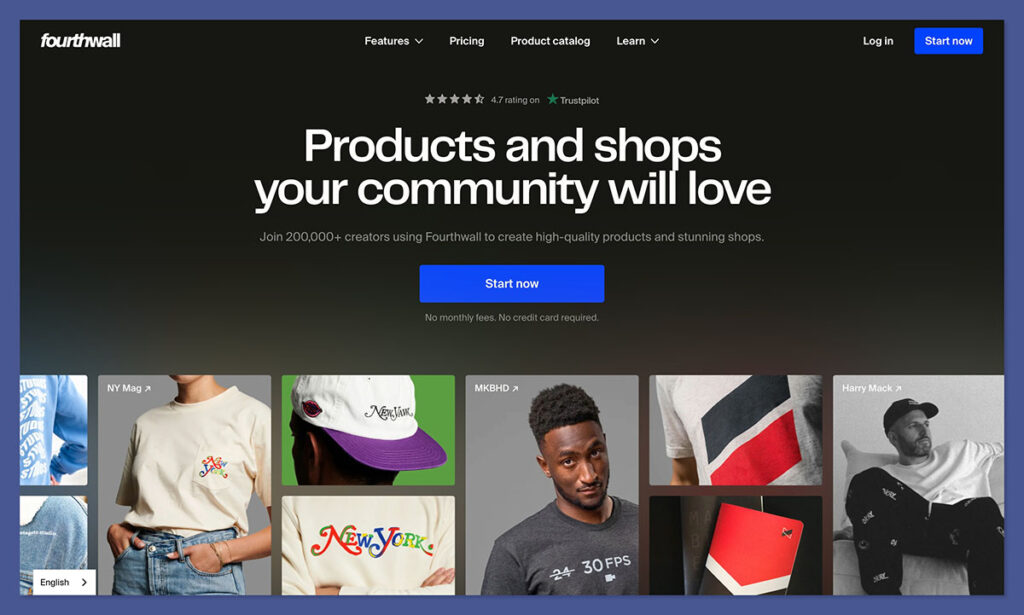
1. Fourthwall: The Merchandising Powerhouse
Fourthwall has emerged as the definitive choice for creators who want to bridge the gap between content and commerce. Unlike Ko-fi, which treats merch as an add-on, Fourthwall is built as a dedicated ecommerce engine.
- Implications: It allows creators to focus on design while the platform manages supply chains.
- Why it works: It offers seamless integration with YouTube, allowing viewers to purchase items without leaving the creator’s ecosystem.
2. Patreon: The Standard for Community
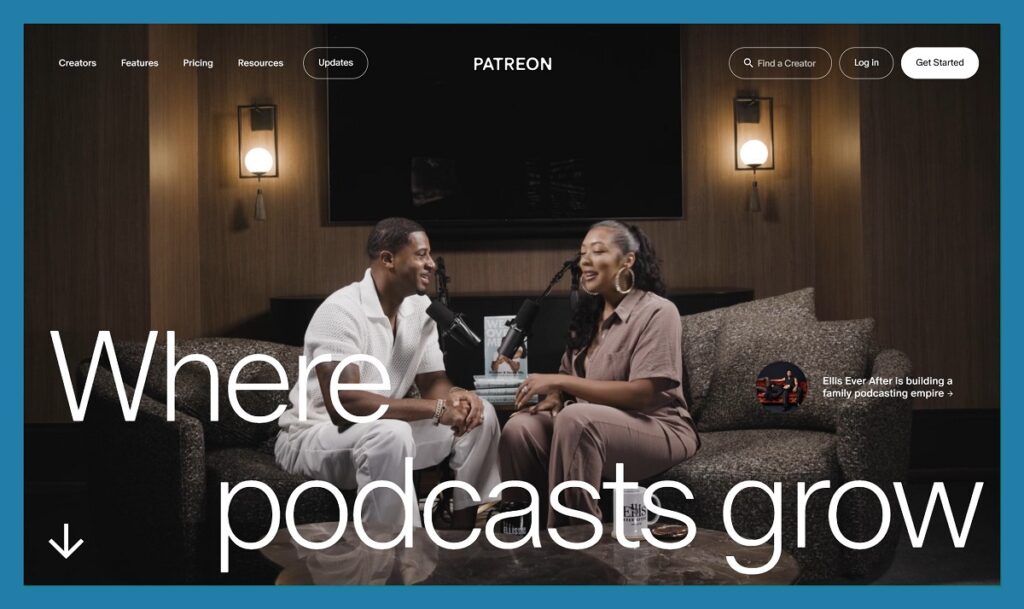
Patreon remains the "gold standard" for membership-driven creators. Its strength lies in its ecosystem—the "Patreon effect," where subscribers are already familiar with the checkout flow, significantly lowering friction.
- Official Stance: Recent updates have focused on "community-first" features, such as native video hosting and gated Discord integration, solidifying its place for creators who value interaction over simple product sales.
3. Gumroad: Speed and Efficiency
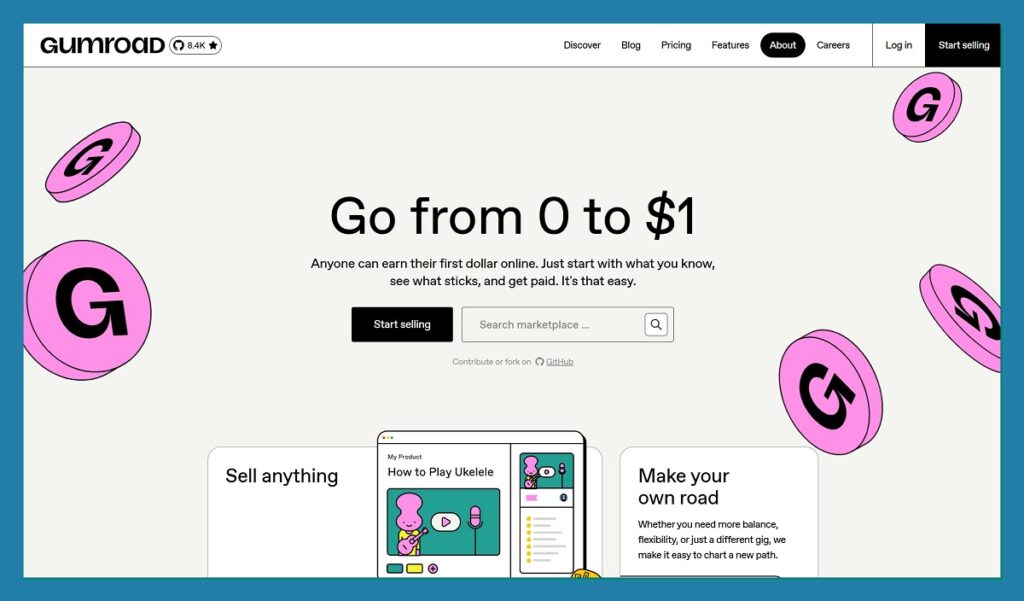
For the creator who sells files—templates, ebooks, or digital assets—Gumroad is unrivaled. It is not designed for community building; it is designed for the transaction.
- Data Insight: With its "pay-what-you-want" feature and automated global tax handling, it removes the administrative burden from the creator, allowing them to focus entirely on product creation.
4. Payhip: The Scalable Foundation
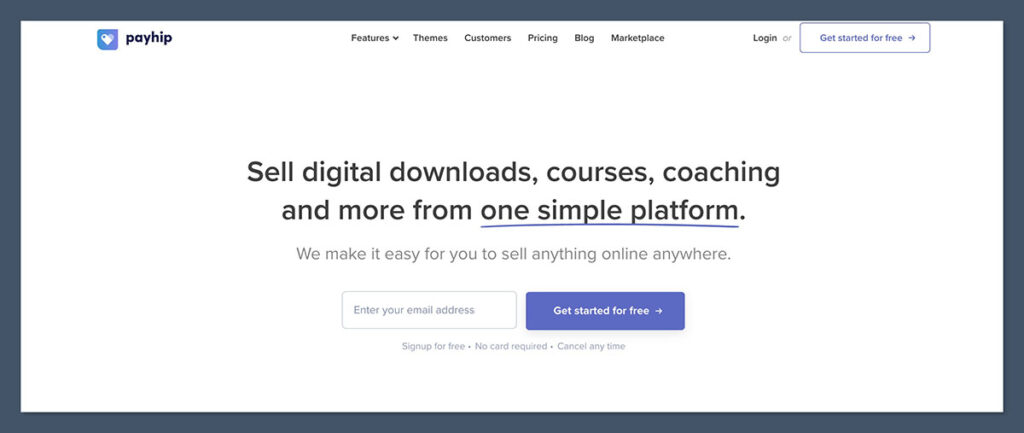
Payhip is perhaps the most underrated tool in the industry. It offers a "middle ground" where creators can start free and migrate to a professional plan that removes platform fees entirely.
- Strategic Advantage: The ability to switch to a 0% platform fee structure as your revenue grows makes it arguably the most cost-effective long-term solution for high-volume sellers.
5. Substack: The Writer’s Ecosystem
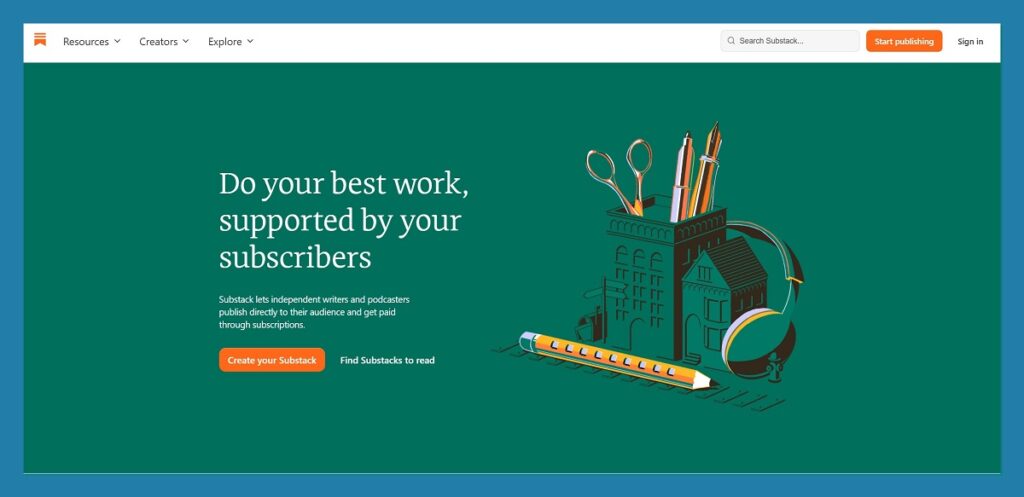
Substack changed the landscape for independent journalists and newsletter writers. It is not just a payment processor; it is a discovery engine.
- Implications: The platform’s internal recommendation network allows writers to grow their subscriber base through the work of other creators, a feature that isolated "tip jar" platforms lack entirely.
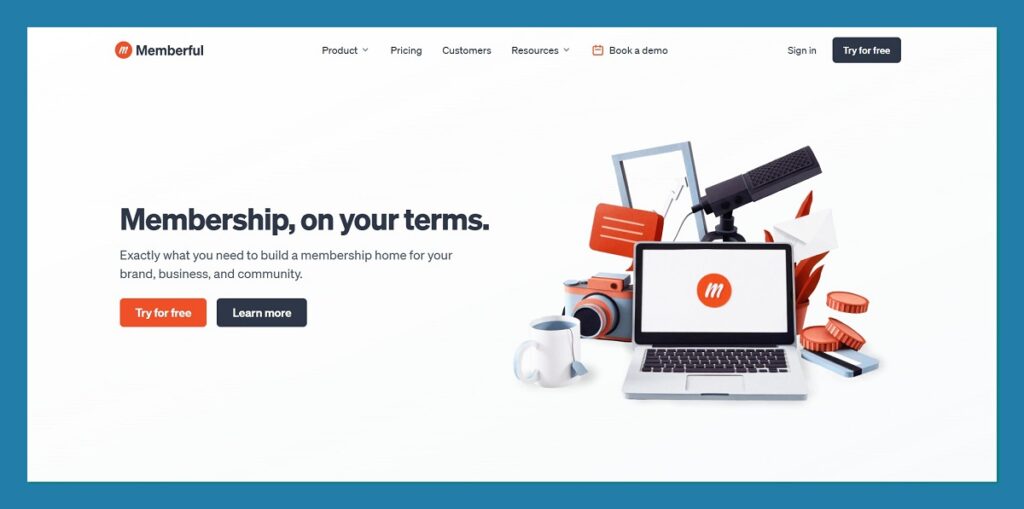
6. Memberful: Ownership and Integration
Memberful is for the creator who has already built a website. It operates as a plugin or integration rather than a standalone platform.
- Professional Tone: For those who prioritize brand equity, Memberful is essential. It keeps the user on your domain, ensuring that your branding remains paramount and your data is secure.
7. Podia: The All-in-One Educator
If you are a coach or a course creator, the "juggling act" of using separate tools for email, website hosting, and payments is a recipe for burnout. Podia consolidates these into a single dashboard.
- Supporting Data: By combining email marketing and course hosting, Podia significantly lowers the "tech stack" overhead, often saving creators hundreds of dollars a month in separate subscriptions.
8. Liberapay: The Ethical Alternative
For creators who operate in the open-source or non-profit space, Liberapay represents a radical, fee-free model.
- Strategic Insight: While it lacks the glitzy marketing tools of others, its appeal lies in its purity. For creators with a highly dedicated, value-aligned audience, it is the most transparent way to receive support.
Strategic Implications: Choosing Your Path
The transition from a "creator" to a "business owner" requires a shift in mindset. When you rely solely on a platform like Ko-fi, you are tethered to their feature set. When you choose a platform like Memberful or Payhip, you are building an asset.
How to Evaluate Your Next Move:
- Audience Intent: If your audience wants to support you out of gratitude, stay with a tip-jar style platform. If they want to buy your knowledge or products, move to an ecommerce-focused platform.
- Fee Sensitivity: Calculate your projected annual revenue. If you are doing significant volume, platforms with flat monthly fees (like Payhip Pro or Podia) will almost always be cheaper than percentage-based models (like Patreon or Ko-fi).
- Future-Proofing: Consider your exit strategy. Can you export your subscriber list? Is your content portable? If the answer is no, you are building your house on rented land.
Final Thoughts: The Multi-Platform Strategy
The most successful creators in 2026 are rarely reliant on a single platform. A common, highly resilient strategy involves:
- Substack for top-of-funnel audience growth and daily engagement.
- Fourthwall for physical merch and brand merchandise.
- Payhip or Podia for long-term digital assets and premium course content.
By diversifying your monetization tools, you insulate your business against platform changes and fee hikes.
Ultimately, the goal of these tools is to become invisible. The best platform is the one that facilitates a transaction so smoothly that the supporter forgets they are even on a third-party site. Whether you choose the community-heavy approach of Patreon or the professional, white-labeled control of Memberful, ensure that your platform serves your business strategy—not the other way around.

The era of the hobbyist creator is ending; the era of the creator-entrepreneur has arrived. Choose your infrastructure accordingly.
