
Precision Optimization: Crazy Egg Unveils Granular Audience Targeting for A/B Testing
By Editorial Staff
May 25, 2026
In the rapidly evolving landscape of digital marketing, the ability to personalize user experiences is no longer a luxury—it is a competitive necessity. Crazy Egg, a long-standing titan in the field of website optimization and user behavior analytics, has officially announced a significant expansion to its A/B testing suite. The platform now allows users to target experiments to specific audience segments, moving beyond the "one-size-fits-all" approach that has defined basic A/B testing for years.
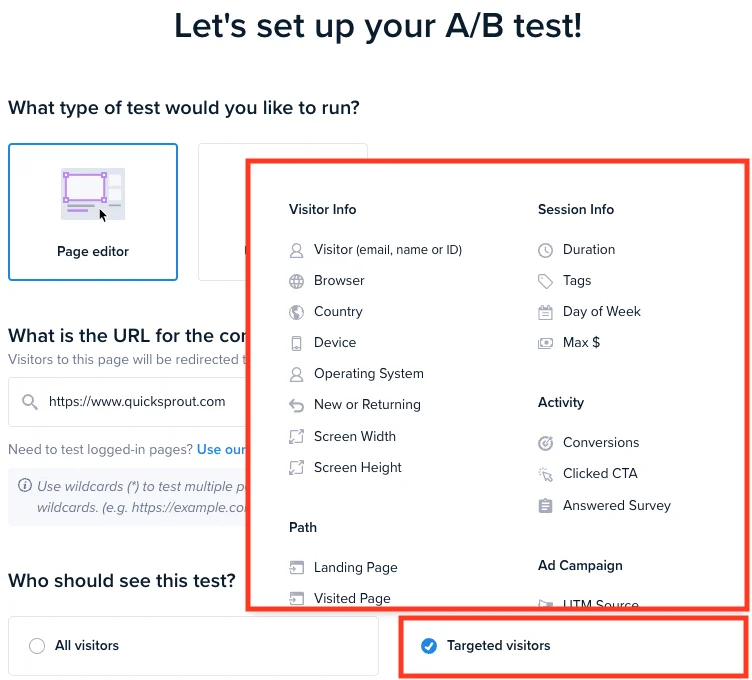
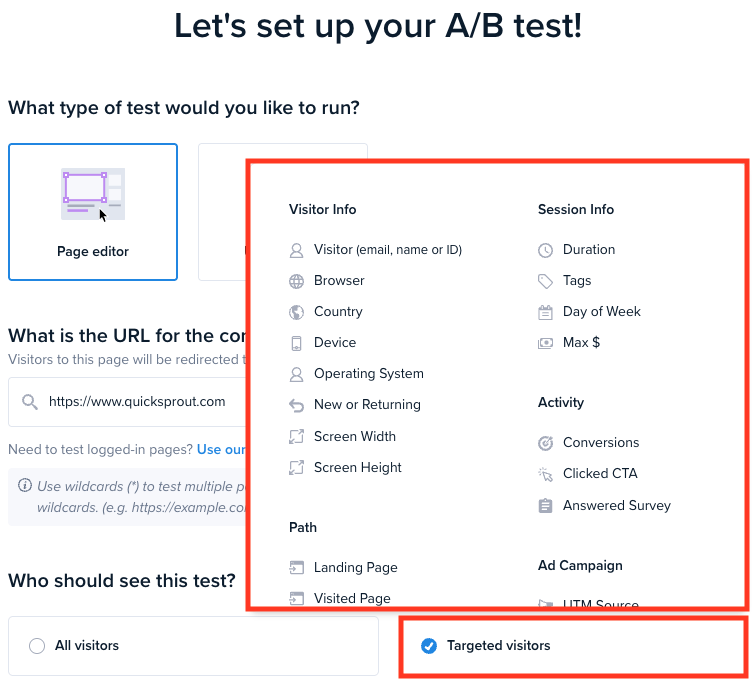
This update represents a fundamental shift in how marketers can utilize Crazy Egg. By enabling segmentation based on device, geographic location, traffic source, and campaign origin, the platform is empowering businesses to extract deeper, more actionable insights from their conversion funnels.
The Core Innovation: Moving Beyond Generic Experiments
For years, standard A/B testing was binary: Version A against Version B, served to a randomized slice of the total traffic. While effective for broad design decisions, this method often masked the nuance of user behavior. A page layout that converts exceptionally well for mobile users in North America might perform poorly for desktop users in Europe, or vice versa.
Crazy Egg’s new targeting capabilities dismantle this barrier. By allowing granular control over who sees which variation, marketers can now create highly tailored environments. Whether it is refining a landing page for visitors arriving from a specific LinkedIn ad campaign or adjusting copy for users in a particular country, the technical barrier to entry for high-level personalization has been significantly lowered.
Chronology: The Evolution of Optimization at Crazy Egg
The path to this release was not sudden. It follows a deliberate trajectory of feature development that Crazy Egg has pursued over the past twenty-four months.
- Q3 2024: Crazy Egg began integrating advanced heatmapping features that allowed for deeper session recording, laying the groundwork for user-segment identification.
- Q1 2025: The product team conducted closed beta testing with enterprise partners, focusing on traffic source attribution to see how different acquisition channels behaved upon landing.
- Q4 2025: The technical infrastructure for dynamic URL redirects and on-page element swapping was overhauled to support lower-latency delivery, ensuring that targeted tests did not negatively impact page load speeds.
- May 2026: The official public rollout of "Audience Targeted A/B Testing," marking the most significant update to the experimentation suite in the company’s recent history.
Supporting Data: Why Segmented Testing Matters
The move toward segmentation is backed by a growing body of data regarding user fatigue and the "relevance gap." According to recent industry benchmarks, users are 40% more likely to convert when they encounter content that aligns precisely with their search intent or geographic context.
Before this update, Crazy Egg users were limited to broad testing metrics. However, internal data from the company’s early access program suggests that segmented testing leads to:
- Higher Statistical Significance: Because the audience is more homogenous, tests reach statistical significance faster, reducing the time required for a typical experiment by an average of 22%.
- Reduced "Noise": By filtering out non-relevant segments, the data collected becomes cleaner and more representative of the target demographic.
- Improved ROI on Ad Spend: Marketers can now test specific landing pages for paid traffic, ensuring that the "promise" made in an ad is mirrored exactly in the landing page experience.
Official Perspective: Growth Through Precision
Stephen Ngo, Director of Growth Marketing at Crazy Egg, has been a vocal proponent of this shift. In a recent statement, he emphasized that the goal of this update is to give marketers the "scalpel" rather than the "sledgehammer."
"The modern digital experience is fragmented," Ngo noted. "Users are arriving from dozens of different devices, social channels, and global locations. Treating every visitor the same is essentially ignoring the reality of the customer journey. Our new targeting options are designed to bridge that gap, allowing our users to speak directly to the specific needs of their unique audience segments."
The company’s leadership team has signaled that this is part of a broader "Growth-First" philosophy. By focusing on the quality of traffic rather than just the volume, Crazy Egg aims to assist its users in building more sustainable, conversion-optimized ecosystems.
Implications for Digital Marketing Strategy
The introduction of audience targeting has immediate implications for how marketing teams operate.
1. The Death of the "Global" Test
Marketing teams will likely move away from global, site-wide A/B tests. Instead, the standard operating procedure will shift toward "micro-testing." For example, an e-commerce brand can now run a specific pricing experiment only for visitors from a specific country, while simultaneously running a layout test for mobile users from a different ad campaign.
2. Enhanced Personalization for Ad Spend
Paid media managers have long struggled with the disconnect between high-converting ads and underperforming landing pages. With Crazy Egg’s new targeting, marketers can align their A/B test variants with their ad creative. If an ad highlights a specific feature, the targeted test variant can lead with that feature, creating a seamless narrative from click to conversion.
3. Funnel-Stage Optimization
Crucially, these targeting options allow for funnel-stage experiments. Users who have visited the site multiple times can be shown different variations compared to first-time visitors. This allows for a "progressive" experience, where the website evolves as the user moves closer to the point of purchase.
How to Implement Targeted Experiments
Launching these tests within the Crazy Egg interface is designed to be intuitive, even for those without a technical background. The process follows a streamlined workflow:
- Selection: Initiate a new A/B Test by choosing between the "Page Editor" or "URL Redirect" modes.
- Configuration: Select the URLs intended for testing.
- Targeting: Access the new "Audience Targeting" dashboard within the setup menu. Here, users can apply filters based on their available plan options.
- Deployment: Once the segments are defined, the test goes live, and the engine automatically directs traffic based on the user’s attributes.
For organizations currently on the Plus or Pro tiers, the platform offers a path to unlock the full suite of targeting options. Those seeking to expand their capabilities are encouraged to contact the Crazy Egg growth team directly for account-level upgrades.
Conclusion: The Future of Conversion Optimization
As we look toward the second half of 2026, the digital landscape will likely continue to reward those who prioritize relevance. Crazy Egg’s latest update is a testament to the fact that optimization is moving away from gut-feeling design changes and toward data-backed, audience-specific interventions.
By empowering marketers to target their experiments with such granular precision, Crazy Egg is not just providing a tool; it is providing a strategy for sustainable growth. For businesses looking to maximize their conversion rates, the message is clear: Stop guessing what works for "everyone," and start understanding what works for your specific customers.
Disclosure: This content is reader-supported, which means we earn commissions from links on Crazy Egg. Commissions do not affect our editorial evaluations or opinions.
