
From Viral Hits to Inbox Staples: How Creators are Mastering the Email List Migration
By Kalin Anastasov
Updated: June 5th, 2026
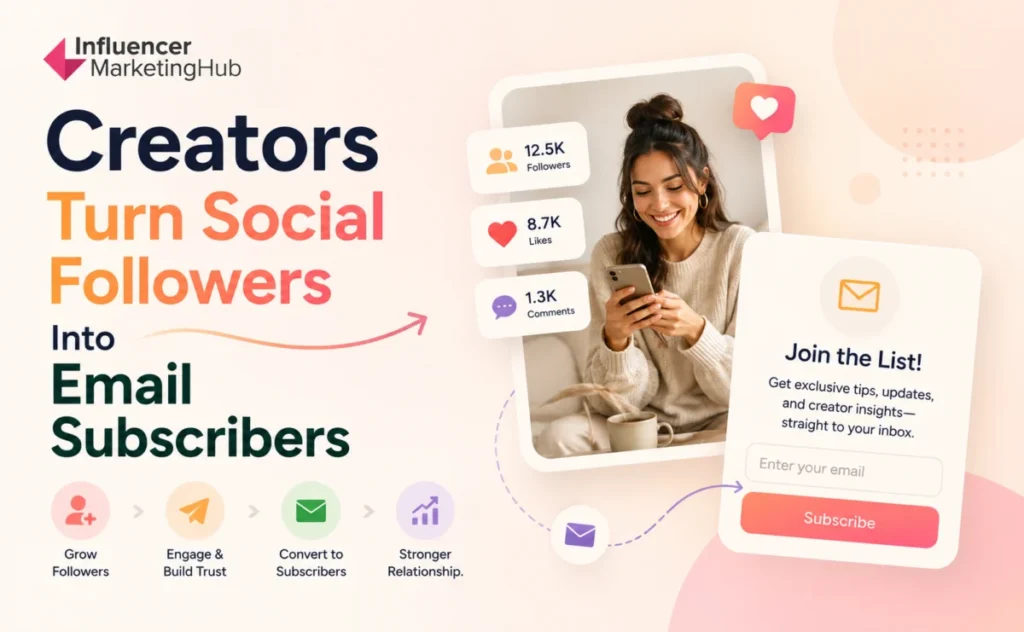
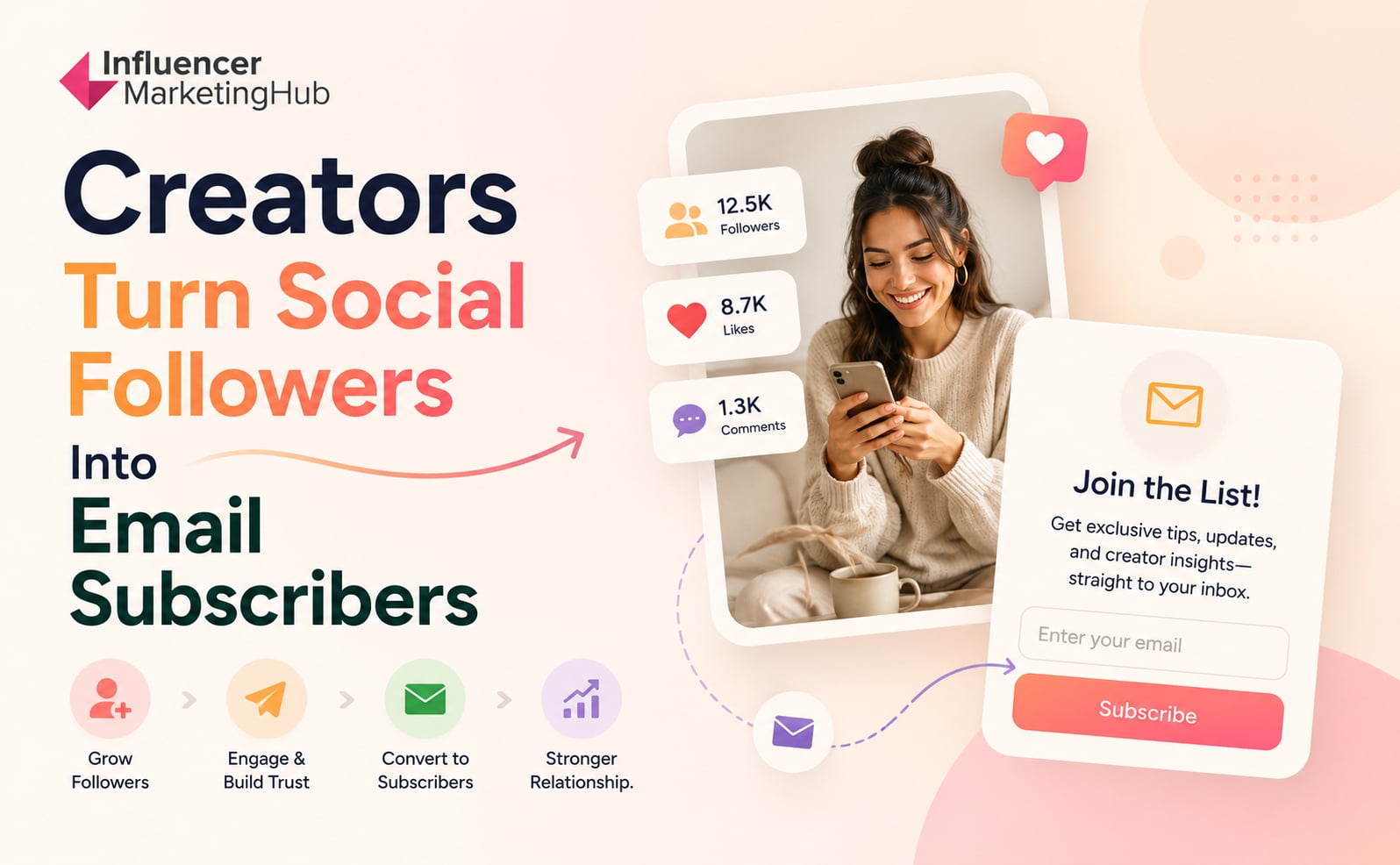
In the digital landscape of 2026, the term "creator economy" has undergone a seismic shift. For years, the gold standard of success was defined by vanity metrics: follower counts, video views, and viral reach. However, as platform algorithms become increasingly volatile and the threat of "de-platforming" looms over every content creator, a quiet revolution is taking place. Creators are no longer just building audiences on rented land—they are systematically migrating their most loyal followers into owned, direct-to-consumer email databases.
The transition from social media follower to email subscriber is the defining strategic pivot of the modern creator. It represents a move from algorithmic dependency to direct relationship management.
The Core Mandate: Why Email is the New Currency
At its heart, the shift toward email marketing is driven by a fundamental realization: social media platforms are intermediaries, not relationships. A creator with one million followers on a legacy social platform is subject to the whims of an opaque algorithm. A creator with a 50,000-person email list, however, owns the channel.
The primary driver for this migration is the degradation of organic reach. With the saturation of content, platforms have moved toward "pay-to-play" models, where creators must boost content just to reach the audience they have already spent years cultivating. Email, by contrast, offers a 99% delivery rate to the inbox, bypassing the gatekeepers entirely.
Chronology of the Migration Strategy
The process of turning social followers into email subscribers has evolved significantly over the past 36 months.
Phase 1: The "Lead Magnet" Era (2022–2023)
Initially, creators relied on simple "lead magnets"—free PDFs, checklists, or template packs offered in exchange for an email address. This was effective for early adopters but soon suffered from diminishing returns as audiences became fatigued by low-value digital freebies.
Phase 2: The "Newsletter-First" Pivot (2024–2025)
Creators began rebranding their newsletters as standalone editorial products. Rather than just being a notification tool, the newsletter became the primary content hub. Creators like Ali Abdaal and Sahil Bloom set the standard, proving that a long-form, curated weekly email could generate more revenue and engagement than a daily short-form video.
Phase 3: The "Owned Ecosystem" (2026 and Beyond)
Today, the strategy is integrated. Creators are utilizing "gated content" and community platforms like Substack, Beehiiv, and ConvertKit to create a seamless funnel. A follower sees a snippet on TikTok, interacts with a deeper dive on YouTube, and is finally funneled into an exclusive, serialized email sequence that provides value that cannot be found on social media.
Supporting Data: The ROI of Owned Audiences
The data supporting this migration is compelling. According to recent industry benchmarks, the conversion rate from social media followers to email subscribers is significantly higher when the incentive is tied to community access rather than simple content alerts.
- Conversion Rates: Creators employing "gated value" (exclusive insights sent via email) see a 12-15% conversion rate from social traffic to email subscribers, compared to a 1-3% rate for traditional "sign up for my newsletter" prompts.
- Monetization Potential: The average revenue per subscriber (ARPS) for newsletter-based creators has increased by 40% year-over-year. This is driven by the rise of programmatic newsletter advertising and premium subscriptions.
- Churn Metrics: Social media audiences fluctuate wildly based on trend cycles. Email subscribers, however, demonstrate a "stickiness" that is 4x higher than social followers, with open rates remaining stable over a 12-month period.
Official Industry Perspectives
We reached out to industry leaders and platform strategists to understand the long-term implications of this trend.
"The platforms are moving toward a ‘creator-as-a-service’ model, but the savvy creators are moving toward a ‘creator-as-a-publisher’ model," says Sarah Jenkins, a digital strategy consultant. "If you don’t own your distribution, you don’t own your business. Email is the only medium that guarantees you remain in your audience’s personal space without an algorithm deciding if they’re ‘allowed’ to see you today."
Conversely, platform representatives argue that social media remains the primary engine for discovery. "Email is for retention," notes a spokesperson for a leading short-form video platform. "Creators need us to find the audience, but they are right to use email to deepen the relationship. It’s not an ‘either-or’ situation; it’s an ‘and’ situation."
Strategic Implications: How Creators are Doing It
For those looking to replicate this success, the methodology has become highly refined.
1. The "Value Ladder" Approach
Creators are now segmenting their audiences. They offer "entry-level" content on social media (broad, entertaining, viral-focused) and "high-value" content in email (niche, educational, personal). By moving subscribers up the ladder, they ensure that the people on their email list are the most invested.
2. The Rise of "Micro-Courses"
Rather than giving away a PDF, creators are now offering five-day email courses. This is a "drip" strategy that trains the subscriber to open the creator’s emails daily. By the end of the five days, the subscriber is conditioned to look for the creator’s name in their inbox, dramatically increasing long-term engagement.
3. Cross-Promotion and Collaboration
We are seeing a surge in "newsletter swaps," where two creators with similar audiences promote each other’s newsletters. This is the email equivalent of a guest appearance on a podcast or a collaboration video. It allows for the rapid acquisition of high-quality, pre-qualified subscribers.
The Future: Email as the Creator’s Operating System
As we look toward the remainder of 2026 and into 2027, the role of email is expanding. It is no longer just a broadcast tool; it is becoming the central "operating system" for a creator’s business.
Advanced creators are integrating their email platforms with CRM (Customer Relationship Management) tools. This allows them to see exactly which products a subscriber has clicked on, which videos they have watched, and even their purchase history. This data allows for hyper-personalized marketing. Instead of sending one generic email to 100,000 people, a creator can send 100,000 personalized emails that speak to the specific interests of the individual recipient.
Potential Risks and Challenges
Despite the clear benefits, the migration is not without its pitfalls:
- Deliverability Issues: As more creators move to email, inbox providers (Gmail, Outlook) are tightening their spam filters. Creators must now maintain strict list hygiene, removing inactive subscribers to ensure their emails reach the primary tab.
- Content Burnout: Managing a high-quality newsletter alongside a rigorous social media production schedule is a recipe for burnout. Many creators are now hiring "newsletter editors" to bridge the gap between their social presence and their written content.
Conclusion
The era of the "platform-dependent creator" is rapidly coming to a close. While social media will always be the most effective top-of-funnel tool for discovery, the long-term sustainability of a creator’s business now rests on the quality of their email list.
By treating the inbox as a sacred space—a place for intimacy, value, and direct connection—creators are insulating themselves against the unpredictable nature of the digital economy. The migration from "follower" to "subscriber" is not just a tactical shift; it is a fundamental professional maturation. In 2026, the creators who win will be those who recognize that while algorithms may dictate reach, it is the email list that dictates revenue and longevity.
As the lines between social media and traditional media continue to blur, the email newsletter stands as the ultimate anchor for any creator looking to build an enduring brand that survives the next wave of digital disruption.
