
The AI Marketing Revolution: How Modern Tools Are Redefining Competitive Advantage in 2026
In the fast-paced digital economy of 2026, the question for marketing leaders is no longer whether to adopt Artificial Intelligence, but how to deploy it with enough precision to secure a market lead. AI tools have transcended their initial status as "productivity boosters" to become fundamental drivers of business strategy. They no longer merely "save time"; they fundamentally reshape what is possible by enabling deeper personalization, hyper-fast execution, and data-backed decision-making that was previously inaccessible to all but the largest enterprises.
For agencies and in-house teams alike, the real expense in 2026 is not the subscription fee of a SaaS platform—it is the mounting cost of hours lost to manual tasks, generic messaging, and decisions made in the absence of actionable data.
The Evolution of AI in Marketing: A Brief Chronology
The trajectory of AI in marketing has been nothing short of transformative. Understanding this evolution helps contextualize why specific tools now dominate the landscape.
- 2022–2023 (The Generative Inflection Point): The industry saw the public explosion of LLMs like ChatGPT. Marketers began using AI as a novelty for drafting blog posts and social media captions, focusing primarily on "content volume."
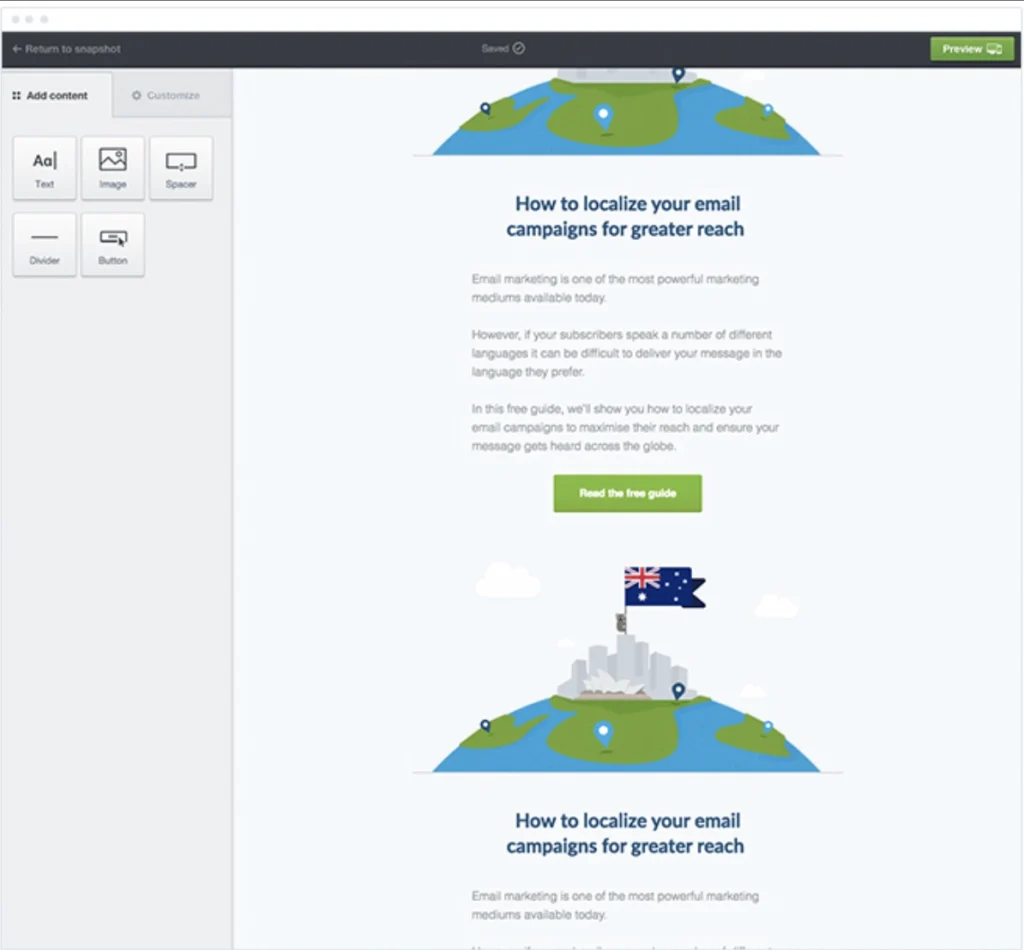
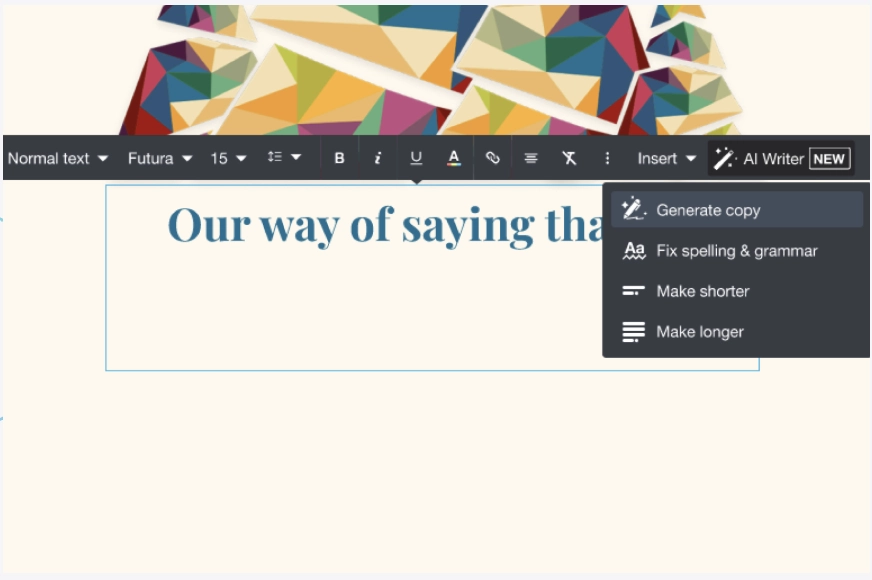
- 2024 (The Era of Integration): The focus shifted from standalone chatbots to platform-native AI. Tools like Campaign Monitor and HubSpot began baking AI directly into the email editor and CRM, moving AI from a "copy-paste" workflow to an "in-platform" engine.
- 2025 (The Age of Orchestration): No-code automation platforms like Zapier became the central nervous system for marketing stacks, allowing marketers to string together AI-driven workflows—from automated lead qualification to personalized SMS follow-ups—without writing a single line of code.
- 2026 (The Current State: Precision & Performance): Today, the emphasis is on "AI ROI." The market has matured, and the focus is on predictive analytics, bot-click filtering, zero-party data capture, and revenue-linked UX optimization. The winning strategy is no longer about doing more—it is about doing better.
The Competitive Landscape: Top AI Marketing Tools for 2026
To help teams navigate the vast ecosystem of AI solutions, we have categorized the most impactful tools based on their specific utility.
1. Email Marketing & Customer Lifecycle
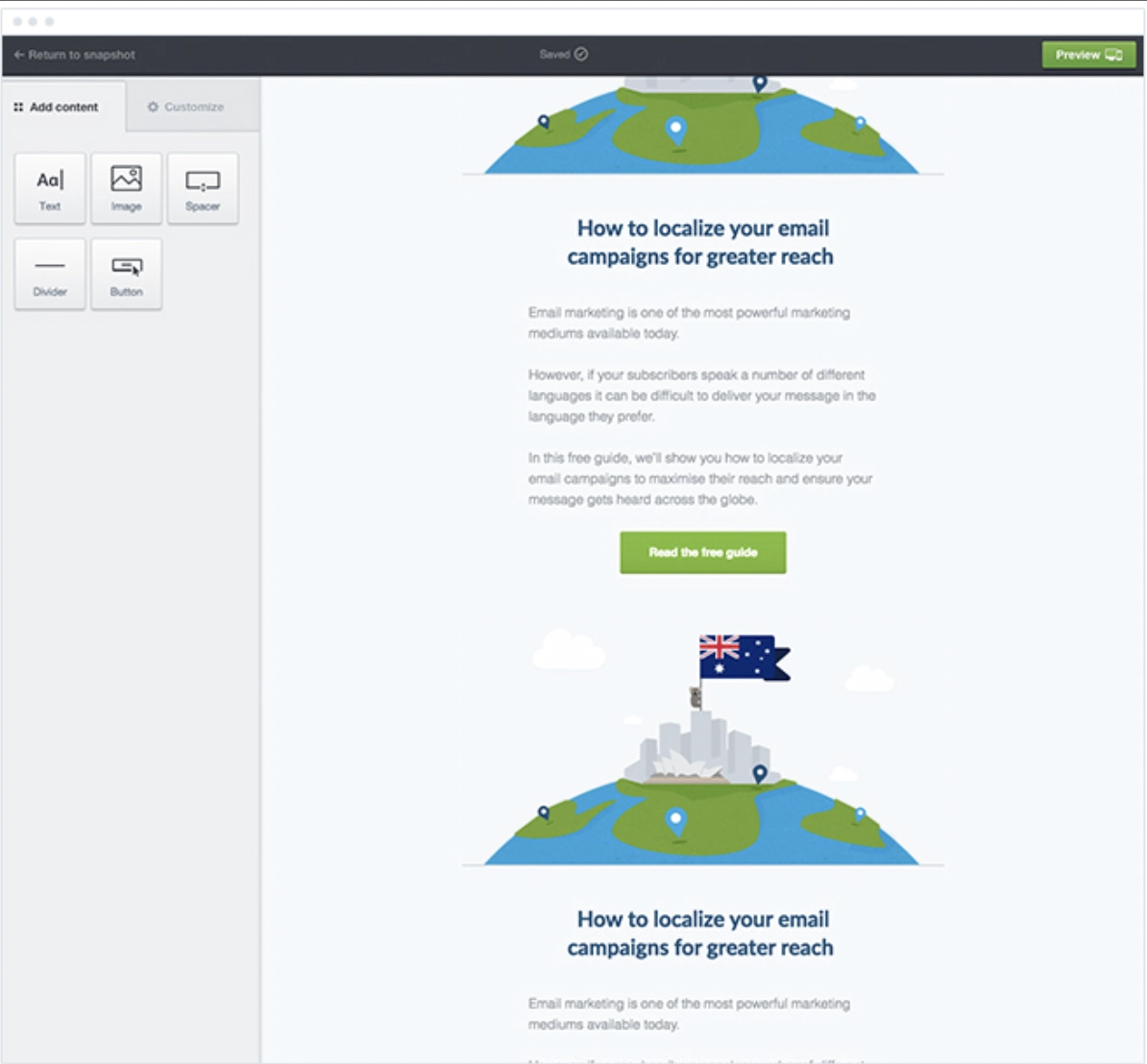
Modern email platforms have moved beyond simple newsletters. They now serve as the command center for customer retention.
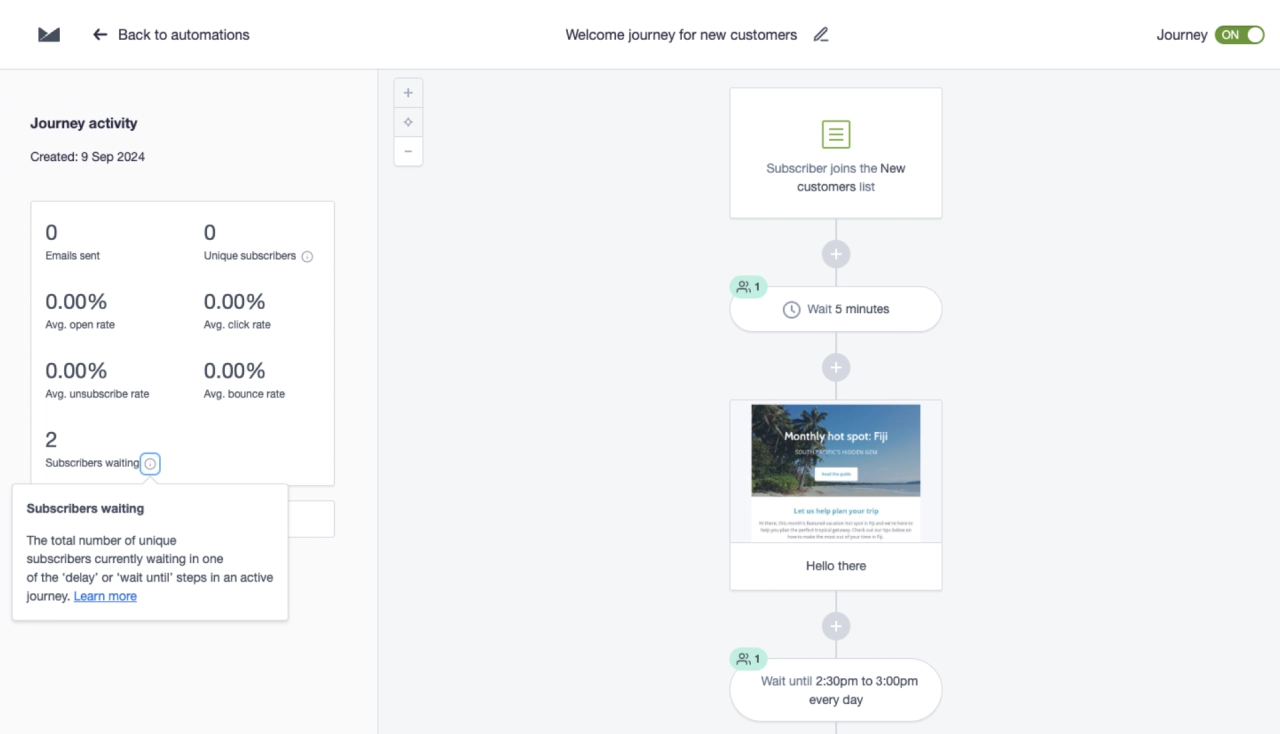
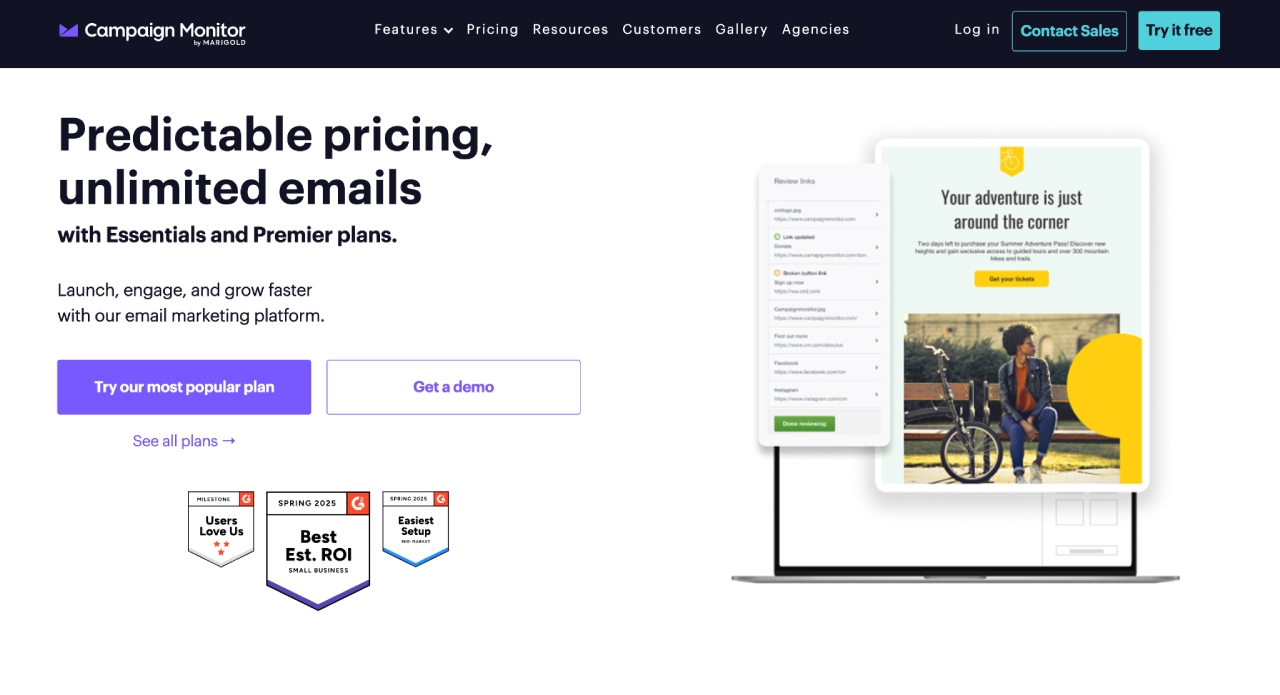
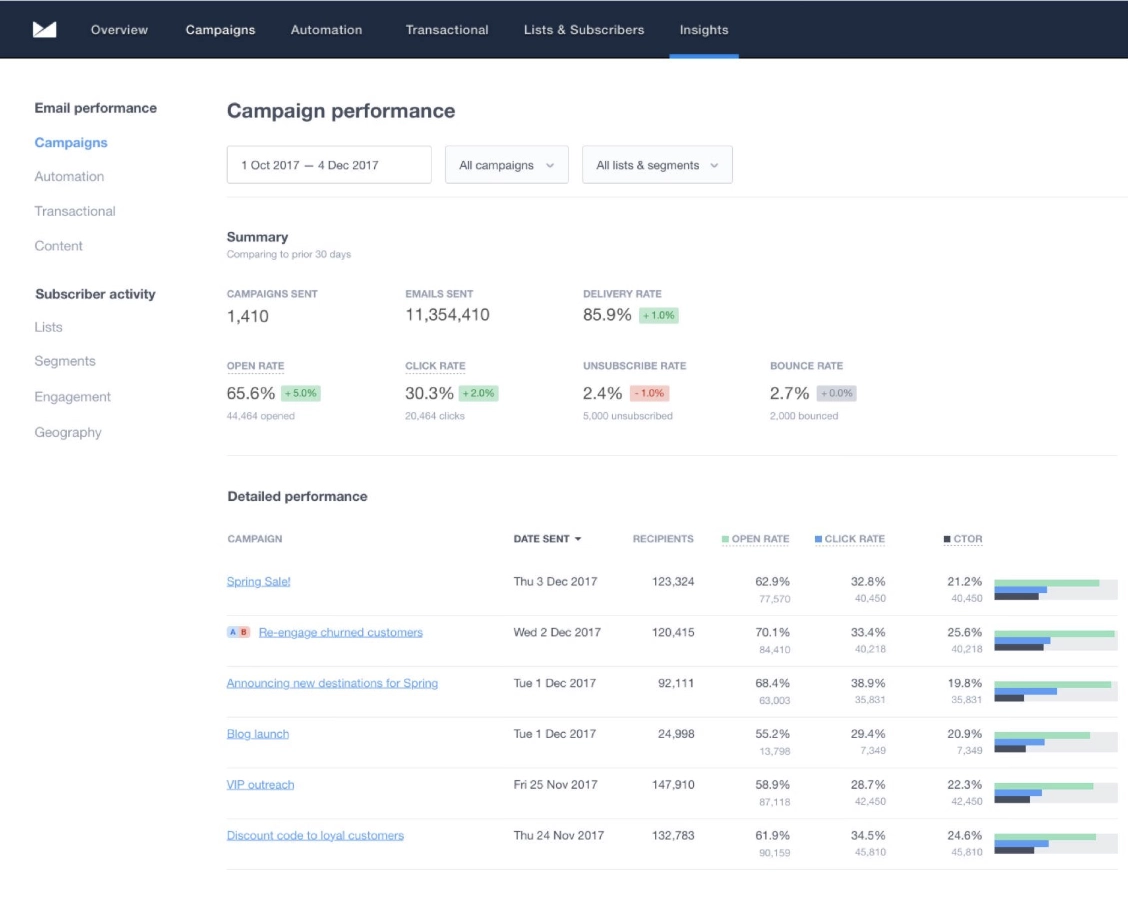
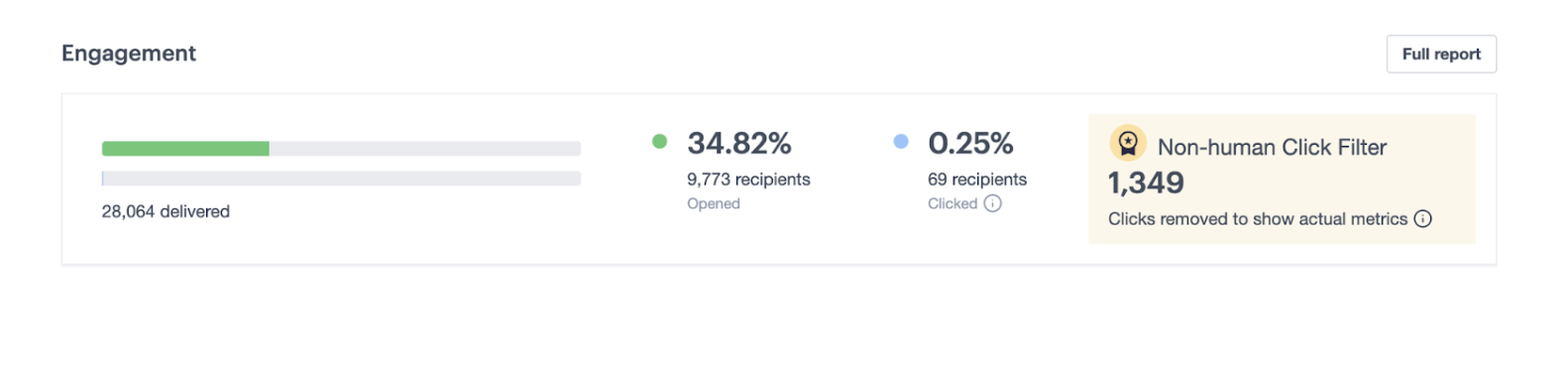
- Campaign Monitor: A powerhouse for multi-location and retail brands. Its AI Writer, combined with dynamic content blocks and automated journey builders, allows brands to maintain brand voice while scaling personalized communications. Its advanced bot-click filtering ensures that analytics reflect real human engagement, not noise.
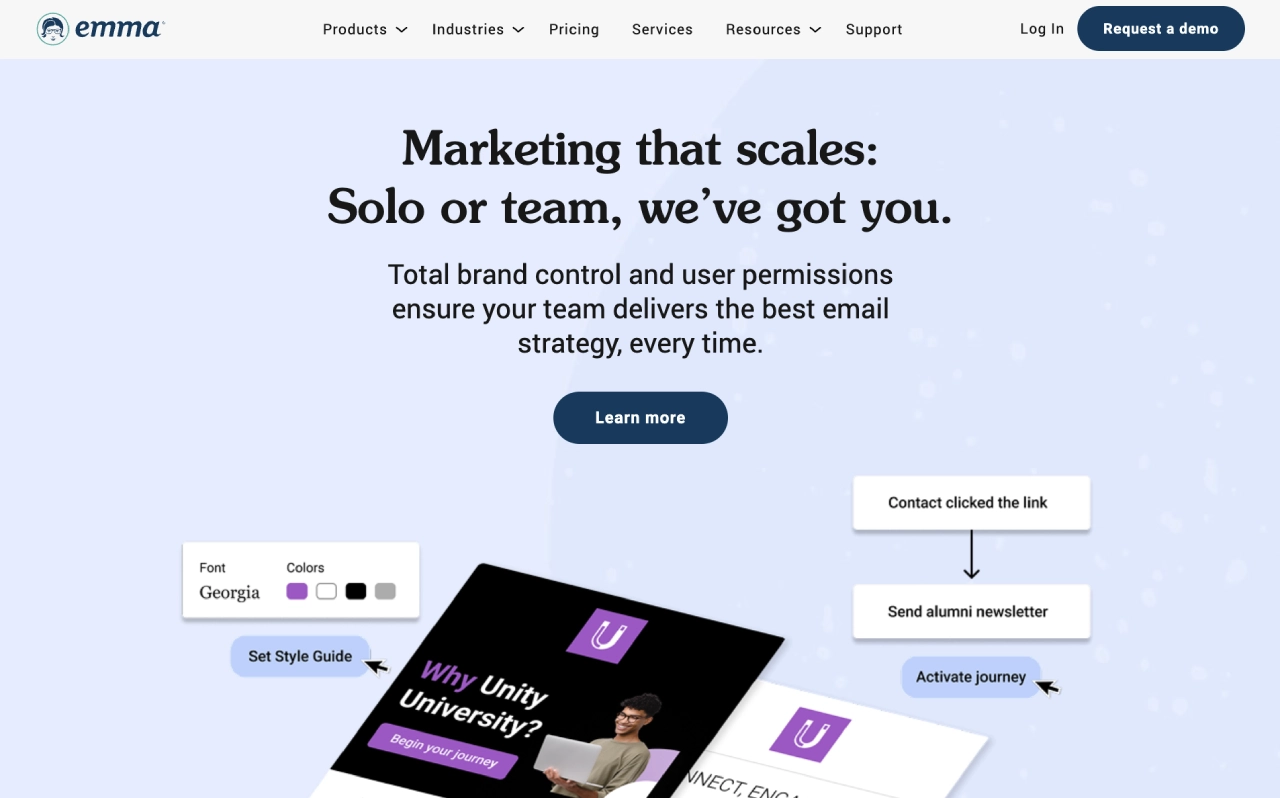
- Emma: Designed for complex governance. For universities and franchises, Emma provides the essential "guardrails" that ensure local teams stay on-brand while using AI to personalize messaging for their specific cohorts.
2. Content Creation & SEO
Quality is the new currency in content marketing.
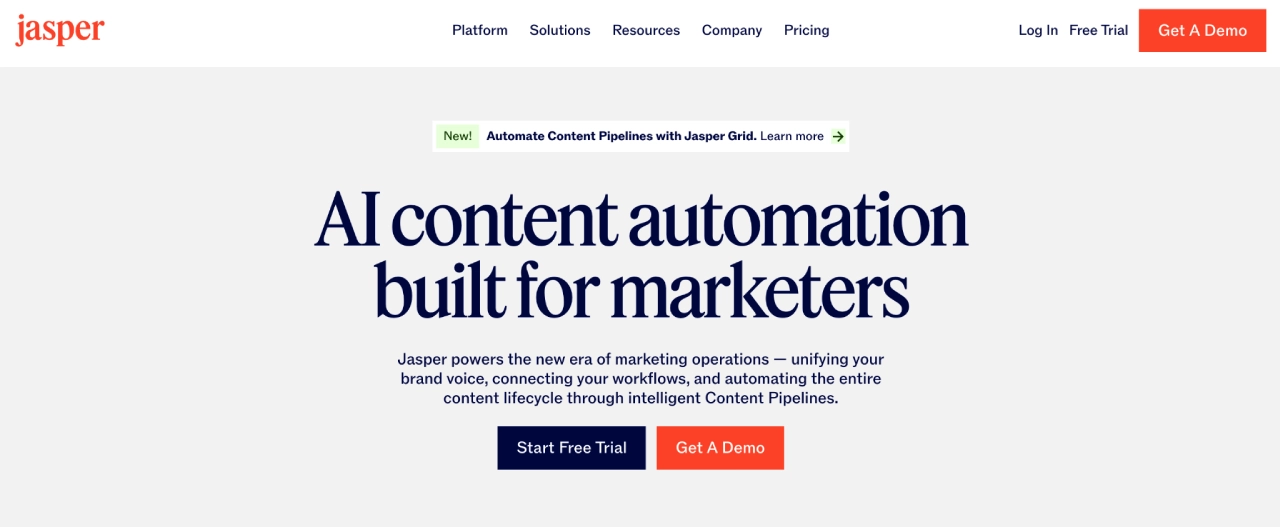
- Jasper: The gold standard for long-form content that requires strict adherence to a specific brand voice.
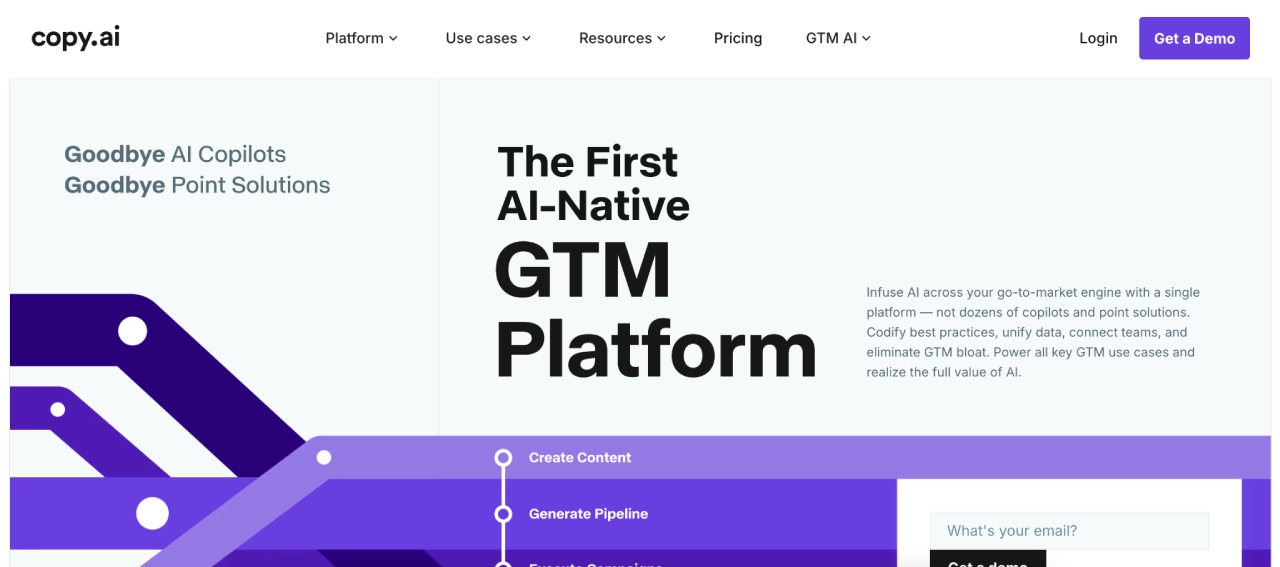
- Copy.ai: The go-to for high-velocity teams needing to turn a brief into a multi-channel campaign (email, social, web) in minutes.
- Clearscope: An essential for SEO teams looking to optimize content against real-time search engine data, ensuring high-ranking potential before a single word is published.
3. On-Site Growth & Conversion
The battle for conversion happens on the landing page.
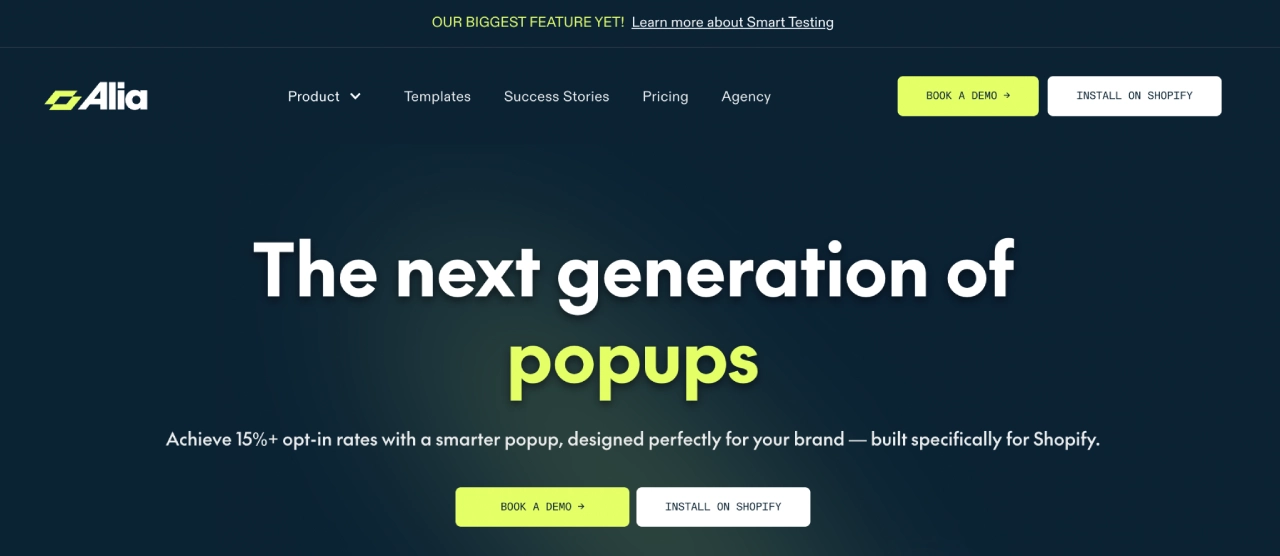
- Alia Popups: Leverages zero-party data to serve AI-optimized offers to visitors, significantly increasing list growth.
- Heatmap.com: Provides revenue-linked analytics, helping UX teams identify exactly which design changes will drive the most sales.
4. SMS & Conversational Support
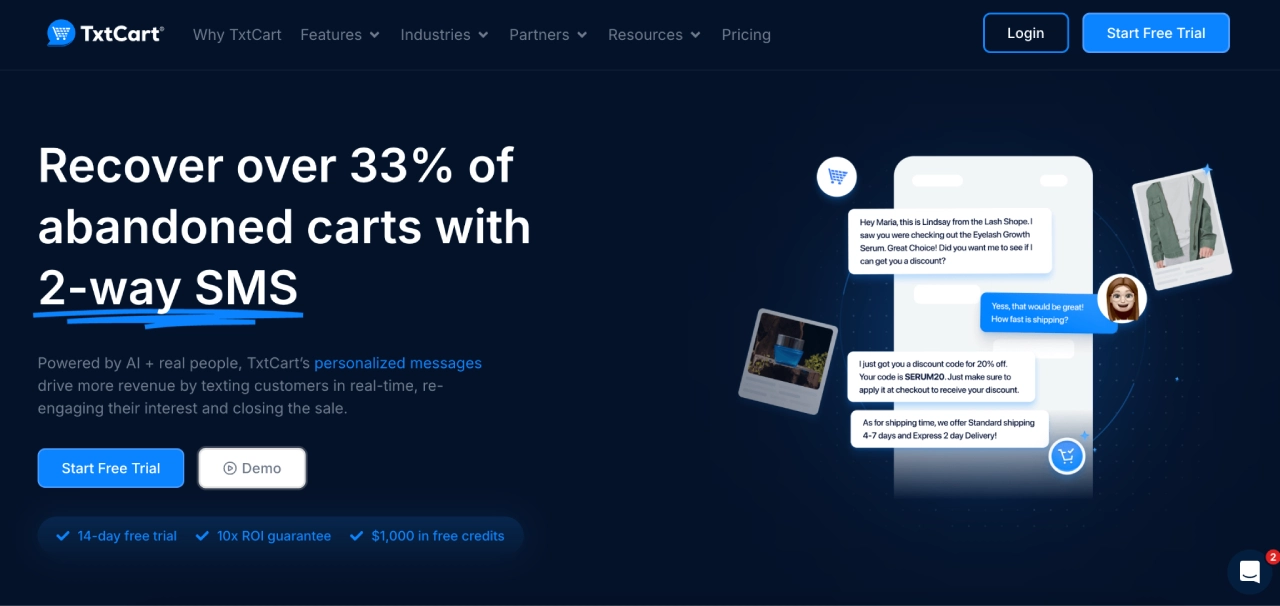
- TxtCart: Bridges the gap between automated SMS and human-like sales interaction, specifically for cart recovery.
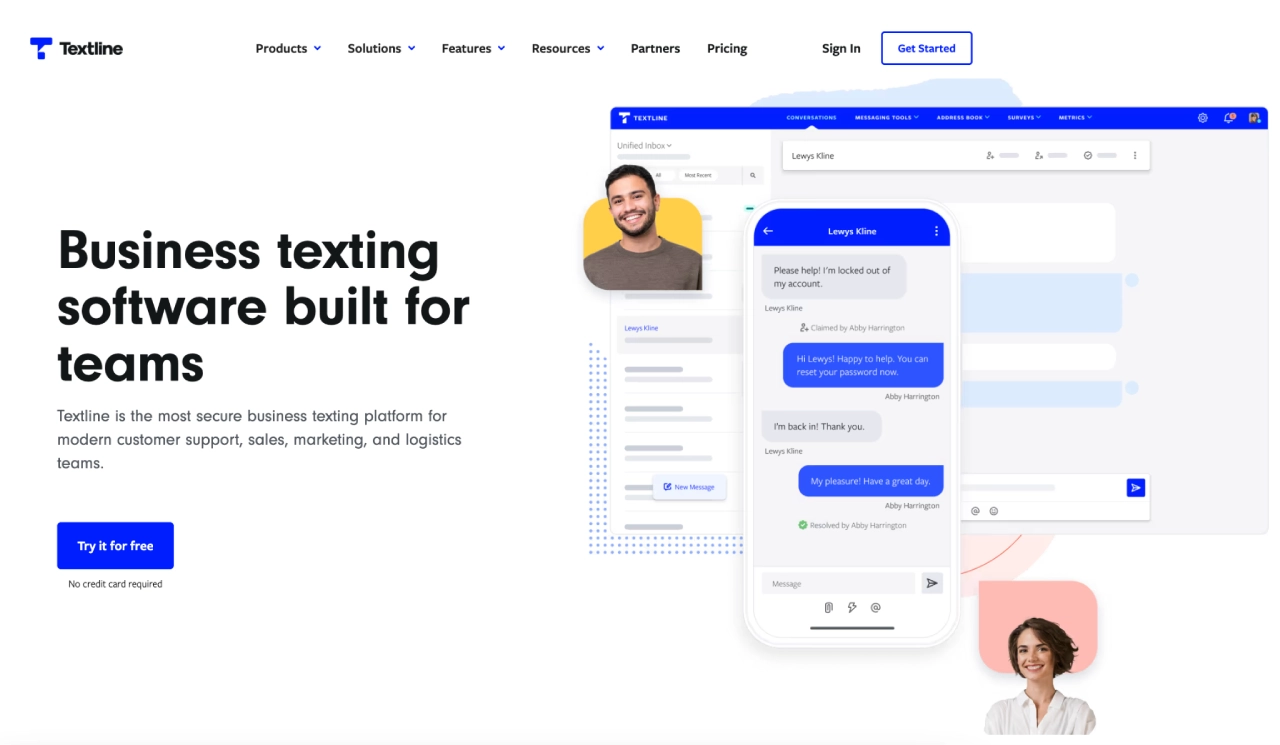
- Textline: The standard for customer support teams that require organized, high-volume texting capabilities.
5. Automation & Enterprise Orchestration
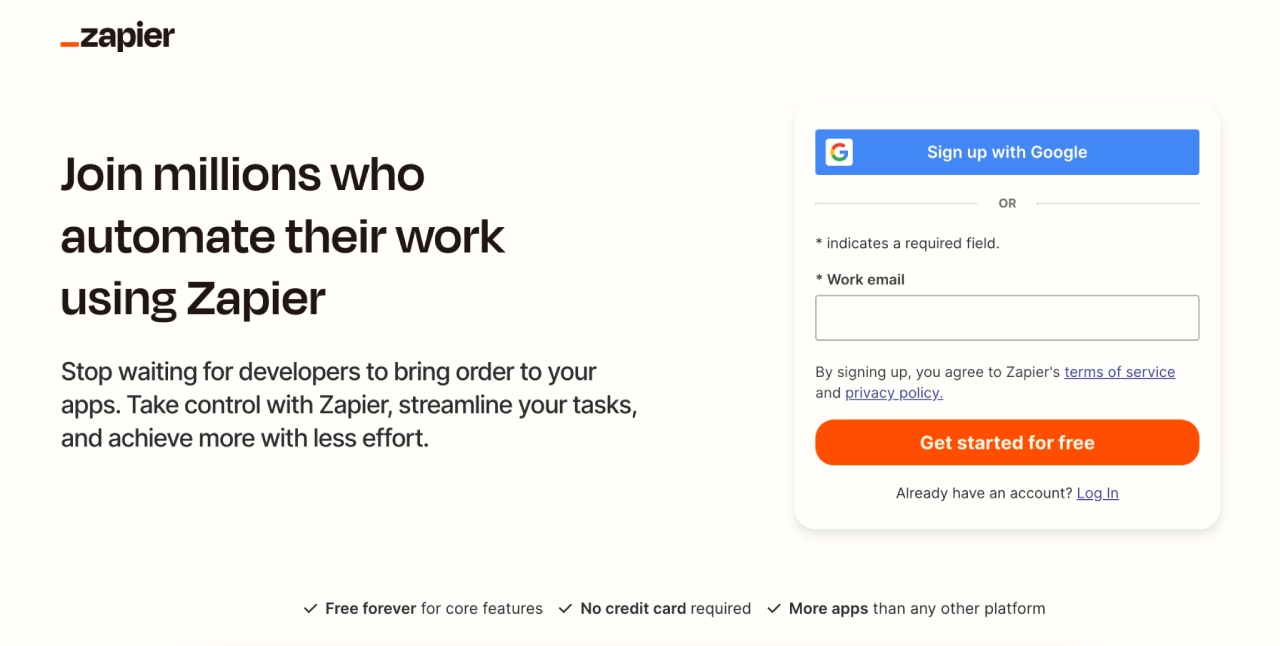
- Zapier: The connective tissue of the modern stack. Its ability to trigger AI-driven workflows across thousands of apps remains unparalleled.
- HubSpot AI & Salesforce Einstein: These are the backbone of the enterprise. They integrate predictive lead scoring and AI-driven insights directly into the CRM, allowing sales and marketing teams to act in perfect harmony.
Supporting Data: The Impact of AI-Driven Marketing
The transition to AI is not merely anecdotal; the performance metrics are clear. Data from organizations utilizing AI-integrated platforms like Campaign Monitor show that personalized, AI-assisted campaigns frequently yield a 10% to 20% increase in engagement compared to traditional, static campaigns.
Furthermore, case studies, such as the Australian Red Cross’s implementation of advanced segmentation, highlight a 75% increase in conversions through AI-optimized journeys. These results underscore the fundamental shift in the industry: AI is the most effective lever for turning "owned" customer data into tangible revenue growth.
Official Industry Perspectives: The "3P" Model for Selection
When asked how to evaluate the saturation of AI tools, industry experts often point to the "3P" model: Purpose, Platform, and People.
- Purpose: Does the tool solve a specific, revenue-impacting bottleneck? If you cannot map the tool to a clear business outcome, the ROI will be impossible to measure.
- Platform: How does it integrate with your current tech stack? A tool that creates data silos or requires manual data entry is a liability, not an asset.
- People: Does it empower your team, or does it require them to become "prompt engineers"? The best tools are those that allow your existing team to work faster without changing their entire workflow.
Implications: The Future of the Human Marketer
The most significant implication of the 2026 AI boom is the changing role of the marketer. The focus is shifting from "execution" to "curation." As AI handles the heavy lifting of drafting, segmenting, and scheduling, the human marketer is elevated to the role of the "Creative Strategist."
The "Human-in-the-Loop" requirement remains the strongest competitive advantage. While AI can draft an email in seconds, it cannot inherently understand the nuances of a brand’s unique customer relationship or the emotional temperature of a target audience during a crisis. The teams that win are those that use AI to execute, but keep human oversight at the center of the strategy.
Summary: A Framework for Adoption
If you are currently struggling to keep up with the pace of your competitors, start by auditing your current workflow. Identify one category where your team is spending the most manual time—whether it is email creation, content drafting, or data entry—and choose one tool from the lists above to pilot.
The Action Plan:
- Audit: Identify the biggest bottleneck in your current marketing operations.
- Shortlist: Pick one tool that integrates with your current CRM or ESP.
- Score: Use the 7-point framework (Integration, Brand Alignment, Use Case Fit, Data Privacy, Scalability, ROI Tracking, and Usability).
- Implement: Run a 30-day pilot. If the tool scores below a 3 in any category, consider it a source of future "tech debt" and look elsewhere.
In 2026, the goal is not to have the most AI tools, but to have the most efficient, integrated, and data-driven ecosystem. Platforms like Campaign Monitor are leading this charge by ensuring that the technology stays behind the scenes, allowing the marketer to focus on what matters: the customer.
Disclaimer: This article provides general information regarding AI marketing tools. It does not constitute financial, legal, or tax advice. Always consult with internal stakeholders and professional advisors before integrating new software into your enterprise infrastructure.
