
The Great Rewiring: How AI Agents are Transforming the Marketing Landscape for 2026
As the marketing industry stands on the precipice of a new calendar year, the narrative surrounding Artificial Intelligence has shifted from speculative excitement to cold, hard operational reality. The upcoming Martech for 2026 report, scheduled for release on December 2, confirms what many industry insiders have long suspected: we are no longer merely "experimenting" with AI. We are living in the age of the AI agent.
The integration of agentic AI is not just a trend—it is a fundamental restructuring of the buyer’s journey, the seller’s workflow, and the very nature of marketing operations.
The Reality of Agentic Integration
The data is unequivocal. According to the latest AI & Data in Marketing study, 90.3% of marketing professionals are now deploying AI agents within their martech stacks. While skeptics might argue that such figures are inflated by "early adopter bias," the reality is more pragmatic. These participants represent the vanguard of global B2B and B2C brands, managing complex operations where efficiency is a mandate, not a luxury.
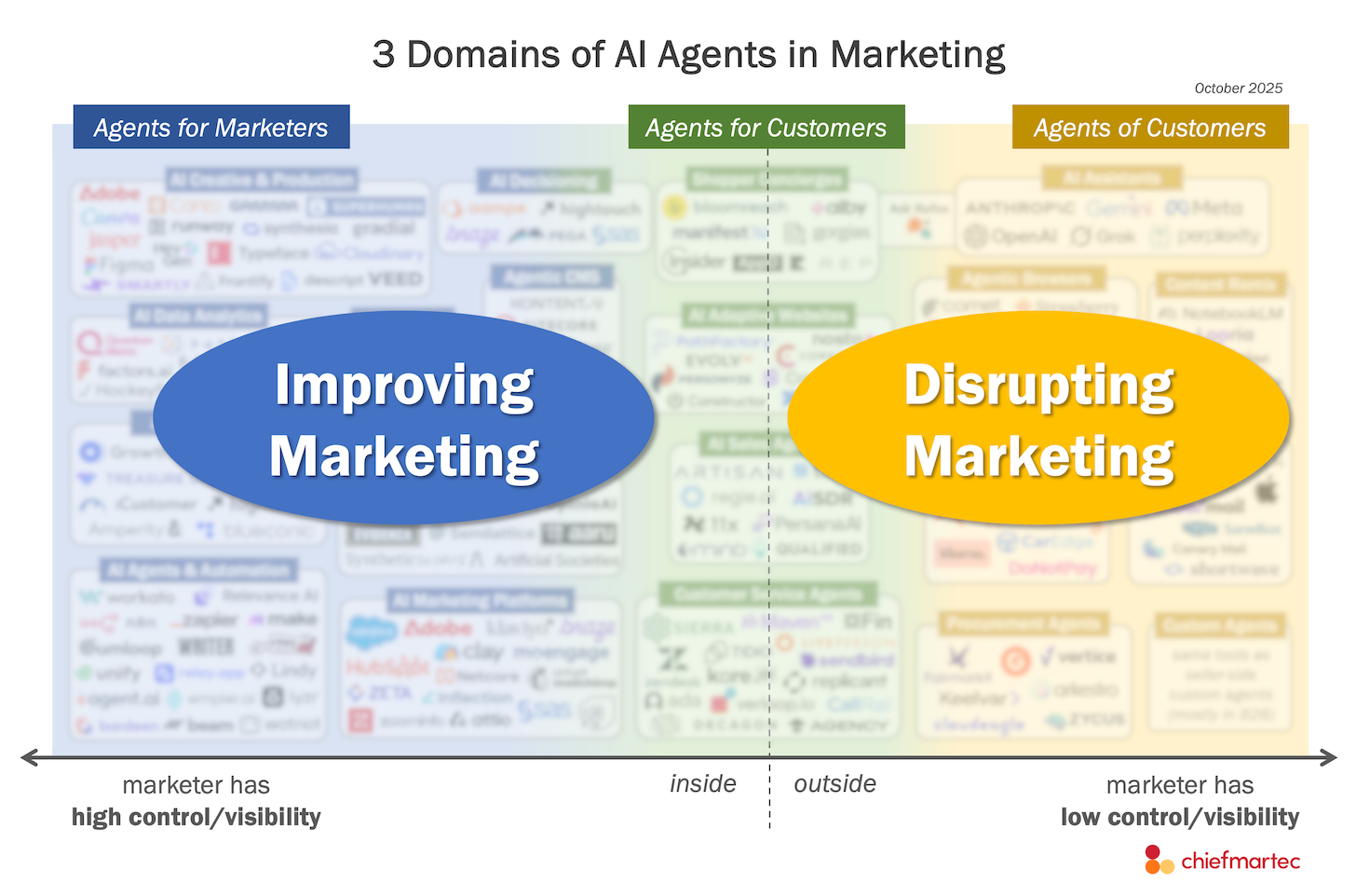
These agents are no longer confined to chatbots or simple content generators. They are being integrated into the core architecture of marketing platforms, tasked with brainstorming, production, distribution, and deep-funnel analytics.
Chronology of the Agentic Shift
The transition from passive tools to active agents has occurred in three distinct phases:
- Phase 1: The Efficiency Era (2023–2024): The focus was on "doing more with less." Generative AI became a force multiplier for content production, allowing teams to scale creative output without a proportional increase in headcount.
- Phase 2: The Integration Era (2024–2025): AI agents began appearing inside existing martech platforms. Marketing operations professionals moved beyond standalone tools, adopting agents that could orchestrate workflows across CRMs, email marketing suites, and analytics dashboards.
- Phase 3: The Agent-to-Agent Era (2026 and beyond): We are now entering a period where the buyer’s AI agent interacts directly with the brand’s AI agent. This marks the end of the traditional "human-to-screen" marketing model.
Supporting Data: The Buyer’s Side Disruption
The most significant finding in the upcoming Martech for 2026 research is the "Great Rewiring of the Buyer’s Journey." For twenty-five years, marketers have optimized their digital existence for search engines—a discipline known as SEO. That era is nearing its end.
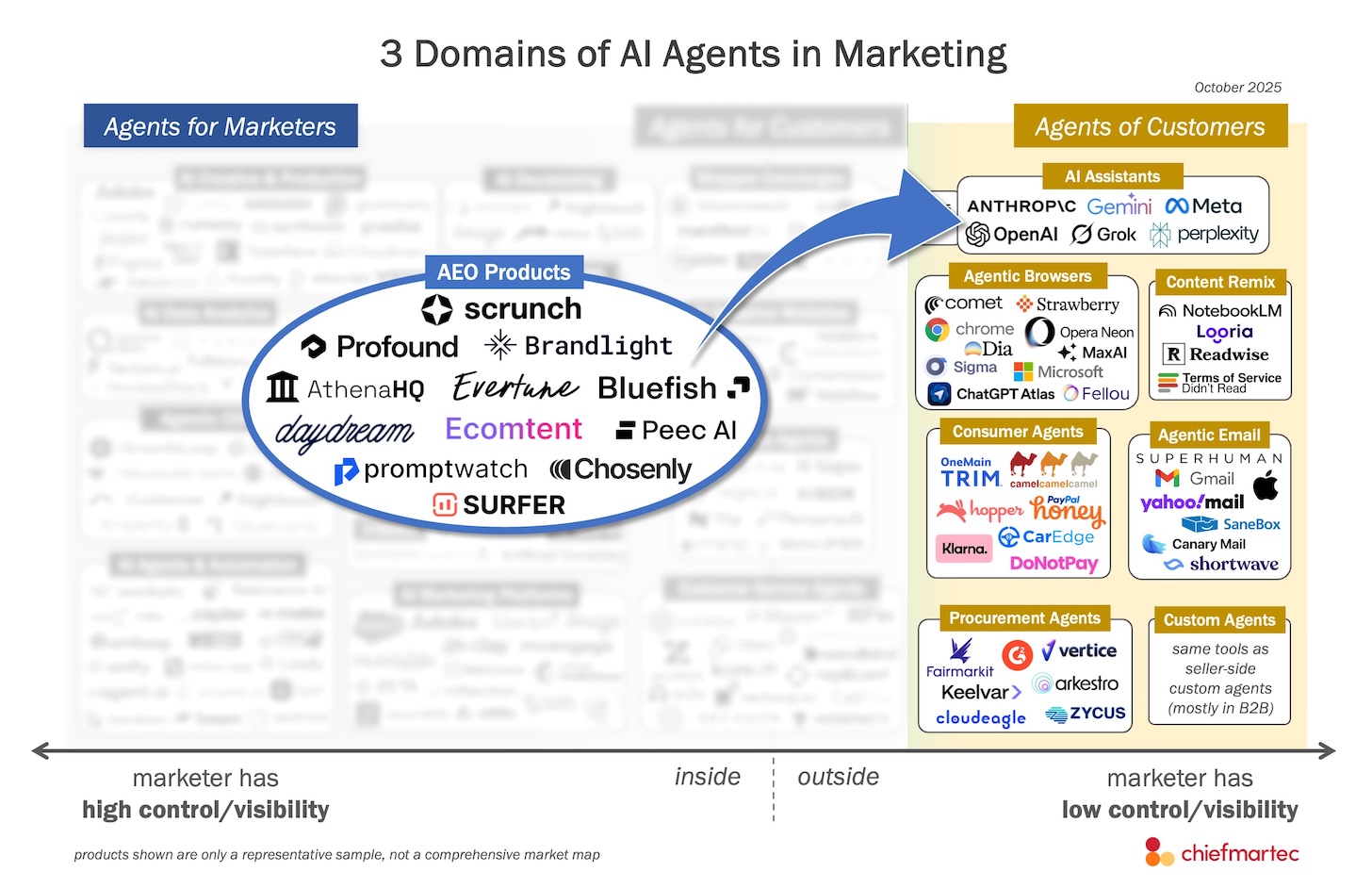
The rise of "buyer-side" agents—AI assistants like ChatGPT, Claude, Perplexity, and Google Gemini—has displaced the traditional search engine results page. When a consumer asks an AI to "find the best CRM for a mid-sized fintech company," the AI is no longer sending the user to a landing page to be converted; it is synthesizing the answer itself.
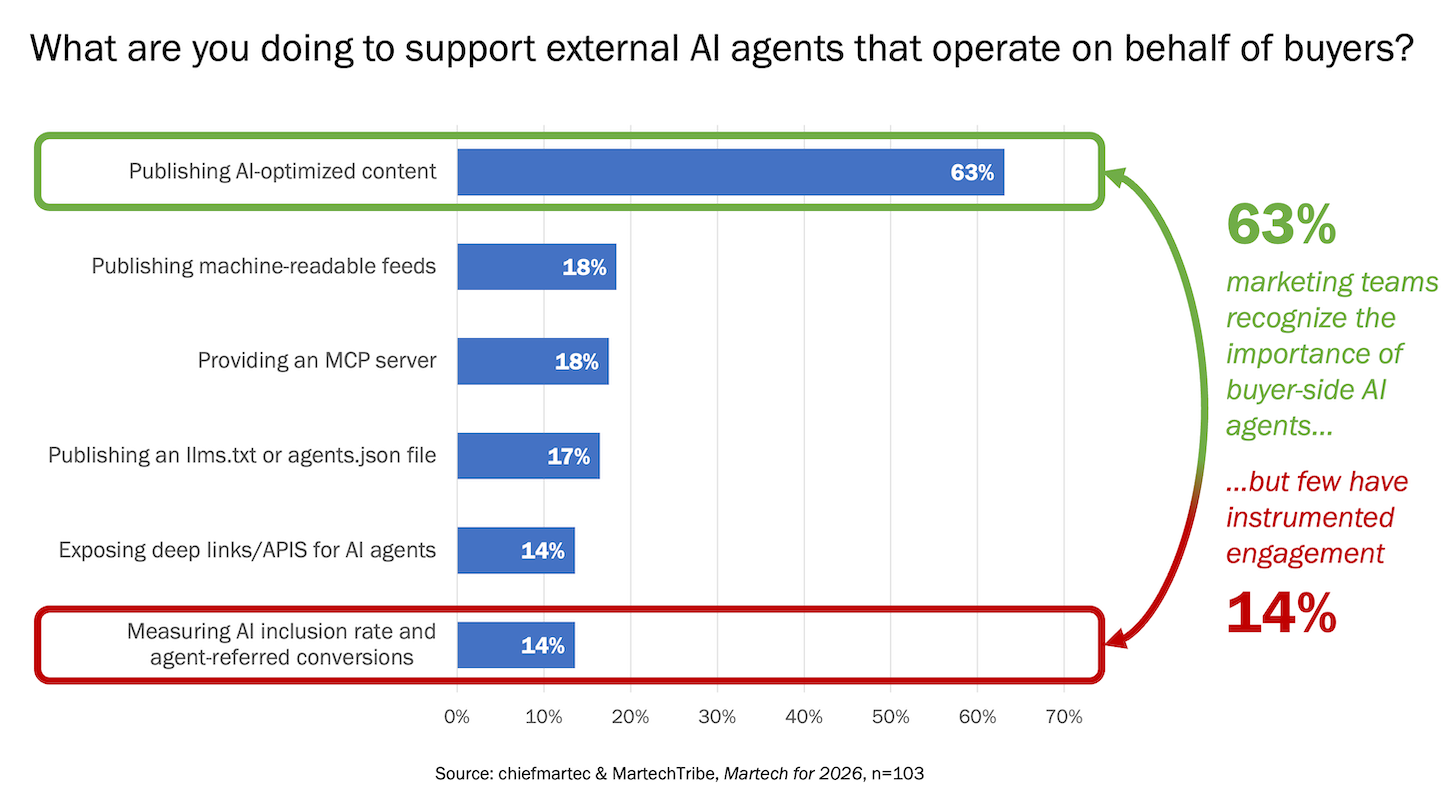
The research indicates that while 63% of marketing teams acknowledge this shift, only 14% have instrumented their marketing strategy to account for it. This gap between awareness and implementation represents one of the most critical challenges for CMOs in the coming year.

The Evolution of Action Engines
The functionality of these buyer-side agents is evolving at breakneck speed. They are moving from "answer engines" to "action engines."
Recent developments highlight this shift:
- Direct Transactions: OpenAI’s "Instant Checkout" for Shopify and Etsy stores, along with its partnership with Walmart, allows users to complete purchases without ever visiting the vendor’s website.
- App Integration: The introduction of "ChatGPT Apps" embeds third-party services—such as Booking.com, Canva, and Zillow—directly into the conversational interface.
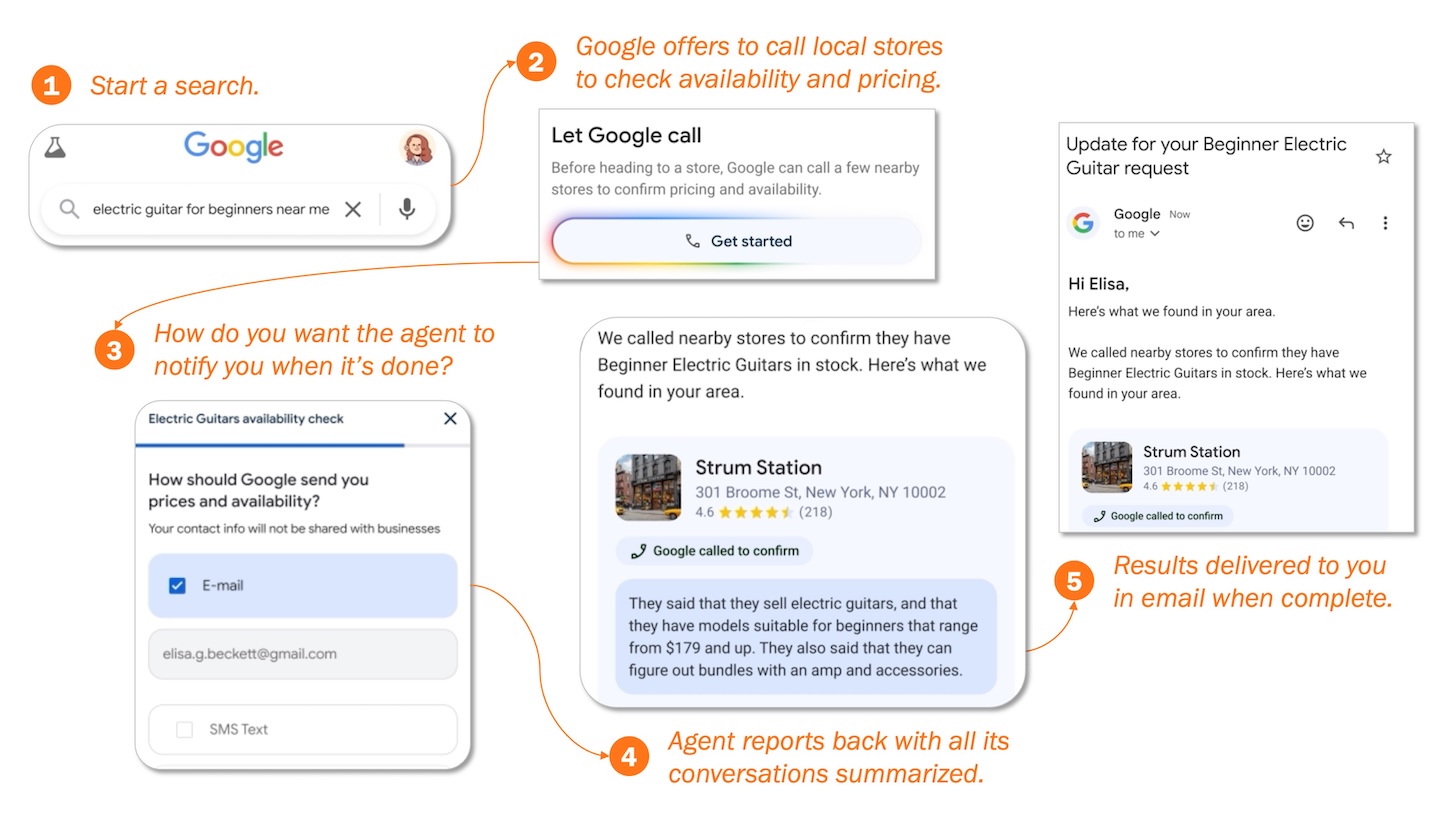
- Agentic Intermediaries: Google’s new feature allows Gemini to place actual voice calls to local businesses to verify inventory or pricing, then relay that information to the user via email.
Implications: The New Marketing Paradox
The most striking irony in this evolution lies in the reversal of the sales cycle. For the past year, B2B companies have been obsessed with "outbound AI SDRs"—agents designed to cold-call or email prospects to increase efficiency for the seller.
However, the rise of the buyer-side agent flips the script. Now, the buyer has the power to unleash their own agent to handle the discovery and negotiation phase. We are seeing a future where an AI agent calls a human salesperson to ask, "Do you have this in stock for under $500?"
This creates an "efficiency paradox." If marketing is designed to reach humans, but the humans are using agents to filter out the noise, the current playbook is effectively obsolete.
The Strategic Shift to AEO
The industry is responding with the rise of "AEO" (AI Experience Optimization) products. These tools aim to influence how AI models perceive and prioritize a brand’s information. Yet, as the Martech for 2026 report notes, trying to keep up with these changes is akin to "chasing a bullet train with a bicycle."
The environment is moving faster than current SEO-based strategies can accommodate. In 2026, the priority must shift from "Search Engine Optimization" to "Agent Optimization." Marketers must learn how to serve these intelligent intermediaries, providing them with the structured data, API access, and transparency they need to effectively recommend a brand to a buyer.
Official Outlook: What to Expect in 2026
The Martech for 2026 research suggests that we will see a rapid decline in "impersonal personalization." The spray-and-pray approach of AI-generated emails will soon be met by AI-powered spam filters that act as gatekeepers for the buyer.
Instead, the next 12 months will likely see the following:
- The Rise of API-First Marketing: Brands will need to treat their website content not just as a destination for human eyes, but as a structured data source for AI agents.
- Direct-to-Agent Commerce: Companies that make it easiest for AI agents to "buy" their products (via API integrations and transparent data sets) will capture the highest market share.
- The Death of the Intermediate State: The current friction where AI agents "harass" humans will be short-lived. We are heading toward a standard of agent-to-agent negotiation, where a buyer’s agent talks to a seller’s agent, and a deal is struck in milliseconds without a human ever picking up a phone.
Conclusion: Preparing for the Agentic Future
The transition to an agent-led economy is not a matter of "if," but "how quickly." For marketing leaders, the challenge is clear: stop building strategies for the web of 2015 and start preparing for the agent-intermediated ecosystem of 2026.
The Martech for 2026 report, supported by industry leaders such as GrowthLoop, Hightouch, Intuit Mailchimp, MetaRouter, Progress, SAS, and Treasure Data, provides the blueprint for this transition. By participating in the upcoming webinar, professionals will gain access to the granular data and strategic framework required to navigate this "Great Rewiring."
As we move toward December 2, the question remains: is your organization prepared to market to the machines that represent your customers? Or will you be left behind, still chasing a search engine that no longer defines the buyer’s journey?
For those looking to deepen their understanding of these shifts, registration for the Martech for 2026 report and accompanying webinar is now open. Join the discussion to see the full scope of how the industry is adapting to the agentic revolution.
